























































%20and%20Batch%20Production%20Records%20(BPR).png)

















AAVs in Focus: Practical Approaches to Capsid Analytics and Plasmid DNA Control

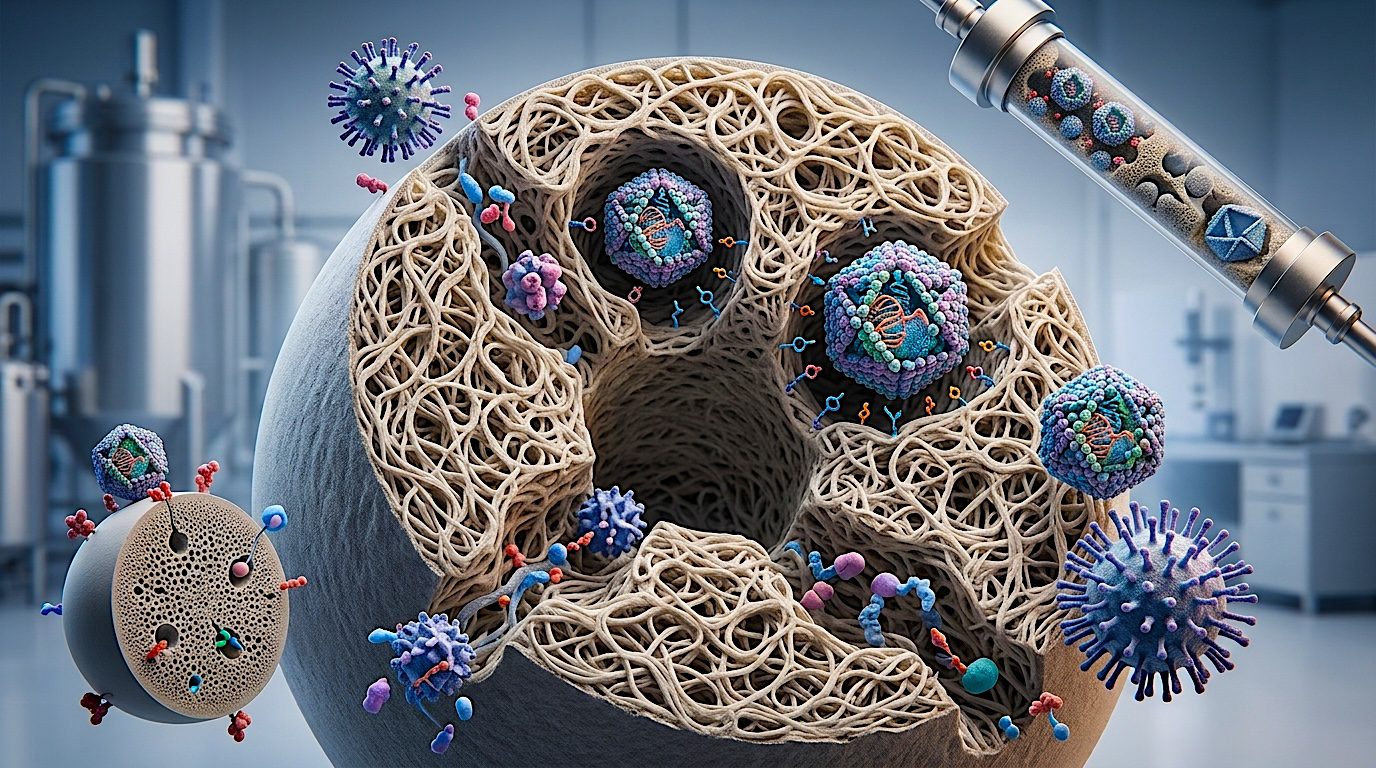
Adeno-associated viruses (AAVs) continue to be a foundational platform for gene therapies, with rapid advances in vector design, analytics, and manufacturing practices. This three-part USP webinar series on AAV guides participants through a progressive learning journey starting with the current AAV landscape, then advancing to focused, practical discussions on capsid characterization, and ending with specialized session focused plasmid DNA starting materials.
Throughout this series, experts from USP and industry will share first-hand experiences, case studies, and practical insights on how AAV analytics and material controls are evolving. This series will identify common AAV challenges and explore effective solutions across different stages of development.
Why Attend the AAV Webinar Series?
- Broaden attendees’ understanding of the current AAV landscape by learning from experts about key scientific, analytical, and manufacturing considerations
- Learn how developers approach capsid characterization, full/empty analysis, and data comparability, and how production and analytical teams work together to optimize AAV manufacturing
- Discover more about the critical role of plasmid DNA as a starting material, and how expectations change from early development to later stages
- Engage directly with subject matter experts during live Q&A sessions
May 19, 2026
June 16, 2026
July 8, 2026
AAV Manufacturing: Best Practices in Quality Control and the Role of USP Standards
Practical Strategies for AAV Capsid Characterization
Characterizing Plasmid DNA to Improve AAV Manufacturing
A live Q&A session will follow the presentation, offering you a chance to pose questions to our expert panelists.
Produced with support from:

The post AAVs in Focus: Practical Approaches to Capsid Analytics and Plasmid DNA Control appeared first on GEN - Genetic Engineering and Biotechnology News.
Apa Reaksi Anda?
 Suka
0
Suka
0
 Kurang Suka
0
Kurang Suka
0
 Setuju
0
Setuju
0
 Tidak Setuju
0
Tidak Setuju
0
 Bagus
0
Bagus
0
 Berguna
0
Berguna
0
 Hebat
0
Hebat
0