






























































Jewish General Hospital advances specialized care for critically ill newborns

Montreal hospital combines advanced neonatal monitoring, emergency care technology and family-centred practices to support approximately 550 premature and critically ill infants annually.
The Jewish General Hospital in Montreal is highlighting how advanced medical technology, specialized nursing care and family-centred treatment are helping improve the care environment for premature and critically ill newborns.
The hospital’s Karen and Murray Dalfen Neonatal Intensive Care Unit (NICU), one of six Level 3 neonatal intensive care units in Quebec, provides specialized treatment for approximately 550 vulnerable newborns each year.
In an announcement issued November 10, the Jewish General Hospital Foundation outlined how investments in emergency care equipment, centralized monitoring and developmental care are supporting the hospital’s ability to manage complex, high-risk neonatal cases.
The unit receives patients from Montreal and regional healthcare facilities across Quebec, providing intensive care for infants requiring advanced monitoring and treatment.
Advanced technology supports critical newborn care
The hospital has introduced integrated emergency care stations designed to provide essential treatment immediately following complicated or high-risk deliveries.
These all-in-one stations combine radiant warming, controlled oxygen delivery and continuous monitoring of vital signs at the bedside.
By keeping equipment ready for immediate use, the technology is intended to reduce setup delays when newborns require urgent intervention.
The hospital has also implemented centralized remote monitoring across private neonatal recovery rooms.
This allows clinical teams to maintain continuous oversight of infants’ physiological conditions while providing families with greater privacy.
The combination of bedside equipment and centralized monitoring is designed to support rapid intervention, ongoing observation and more coordinated nursing care.
Chloé Décarie-Drolet, head nurse of the NICU and Neonatal Follow-Up Clinic, emphasized the importance of having equipment ready during critical deliveries while maintaining round-the-clock monitoring throughout an infant’s hospital stay.
Supporting infants from across Quebec
As a Level 3 neonatal intensive care unit, the Dalfen NICU is equipped to manage complex medical conditions and receive specialized transfers from other healthcare facilities.
Dr. Lajos Kovacs, chief of Pediatrics and Neonatology at the Jewish General Hospital, explained that the unit’s responsibility extends beyond stabilizing critically ill newborns.
The clinical team also focuses on supporting long-term development and helping infants reach important milestones before returning home.
Premature infants may require specialized respiratory support, nutritional management, temperature regulation and continuous observation while their organs and neurological systems continue developing.
The hospital’s approach combines these medical interventions with practices intended to protect early brain development and strengthen parent-infant relationships.
Family-centred care plays an important role
Alongside medical technology, the NICU incorporates neuroprotective developmental care into everyday clinical practice.
This includes reducing unnecessary noise, adjusting incubator lighting and encouraging extended skin-to-skin contact between parents and infants.
Specialized seating supports kangaroo care, allowing parents to hold their babies safely while maintaining close physical contact.
These practices are intended to create a calmer environment for developing infants and encourage parents to participate actively in their child’s care.
The hospital emphasizes that families are essential members of the neonatal care team, rather than simply visitors.
Private rooms and continuous monitoring are designed to balance clinical safety with opportunities for bonding and family involvement.
A family’s experience with neonatal intensive care
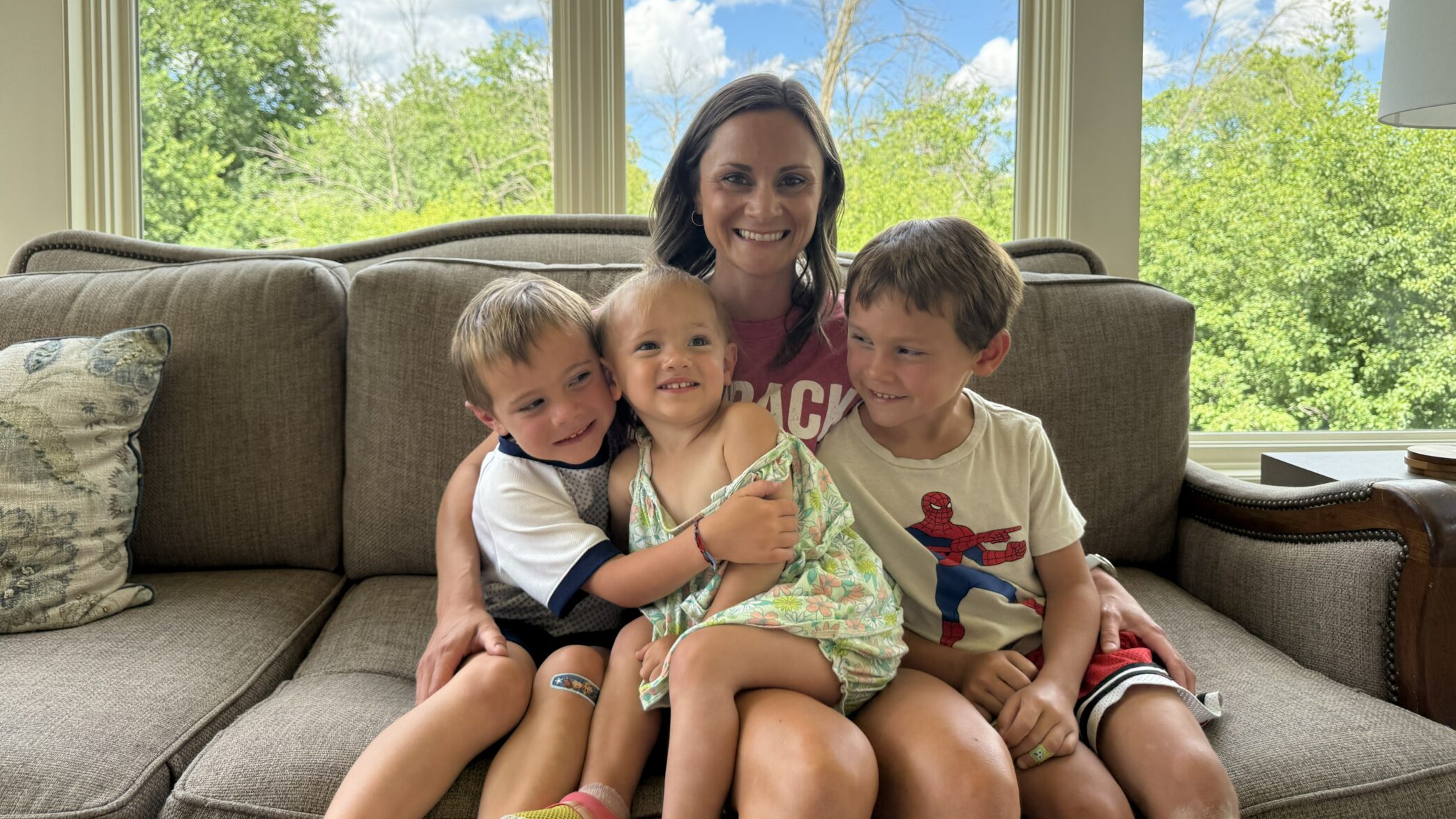
The hospital foundation highlighted the experience of Willow, a baby born 10 weeks prematurely after her mother developed severe preeclampsia.
Weighing approximately two pounds at birth, Willow required 54 days of specialized care in the Dalfen NICU.
Her treatment included advanced incubator technology, close nursing observation and daily skin-to-skin contact with her parents.
During her hospitalization, a nurse identified an unusually rapid increase in weight that required medical attention because of potential cardiac concerns.
According to the family, the clinical team’s prompt response and attention to detail played an important role in Willow’s recovery.
Willow is now 19 months old, and her parents credit the NICU’s clinical team and specialized equipment with helping her overcome the challenges associated with premature birth.
Their experience illustrates the importance of combining sophisticated medical technology with continuous clinical assessment and individualized care.
Philanthropy supports neonatal innovation
The Jewish General Hospital Foundation has played an important role in supporting investments in specialized equipment and patient care infrastructure.
Donor funding has helped provide the emergency care stations and monitoring technology used in the NICU.
These investments are intended to strengthen the hospital’s capacity to care for vulnerable newborns while supporting clinical teams working in a demanding, highly specialized environment.
The hospital is affiliated with McGill University and serves as a major teaching and specialized care centre within Montreal’s healthcare system.
Its neonatal services form part of a broader program supporting high-risk pregnancies, premature births and complex pediatric conditions.
Combining innovation with compassionate care
For hospitals across Canada, neonatal intensive care presents significant clinical and operational challenges.
Premature and critically ill newborns often require highly specialized equipment, multidisciplinary teams and prolonged hospital stays.
Technologies that improve monitoring and reduce delays in emergency treatment can support clinical teams, while family-centred practices help address the developmental and emotional needs of infants and parents.
The Jewish General Hospital’s approach illustrates how investments in technology, nursing expertise and developmental care can be integrated within a specialized neonatal service.
Although the foundation’s announcement does not provide comparative data demonstrating reductions in mortality, complications or hospital length of stay, it highlights an established model of neonatal care designed to support both immediate medical needs and longer-term development.
As hospitals continue to advance specialized newborn care, combining clinical innovation with family involvement remains an important priority.
Source: Jewish General Hospital Foundation
The post Jewish General Hospital advances specialized care for critically ill newborns appeared first on Hospital News.
Apa Reaksi Anda?
 Suka
0
 Kurang Suka
0
 Setuju
0
 Tidak Setuju
0
 Bagus
0
 Berguna
0
 Hebat
0






