


































































Genetic Barcoding Reveals How Pre-Bone Marrow Transplant Conditioning Impacts Immune System Regeneration
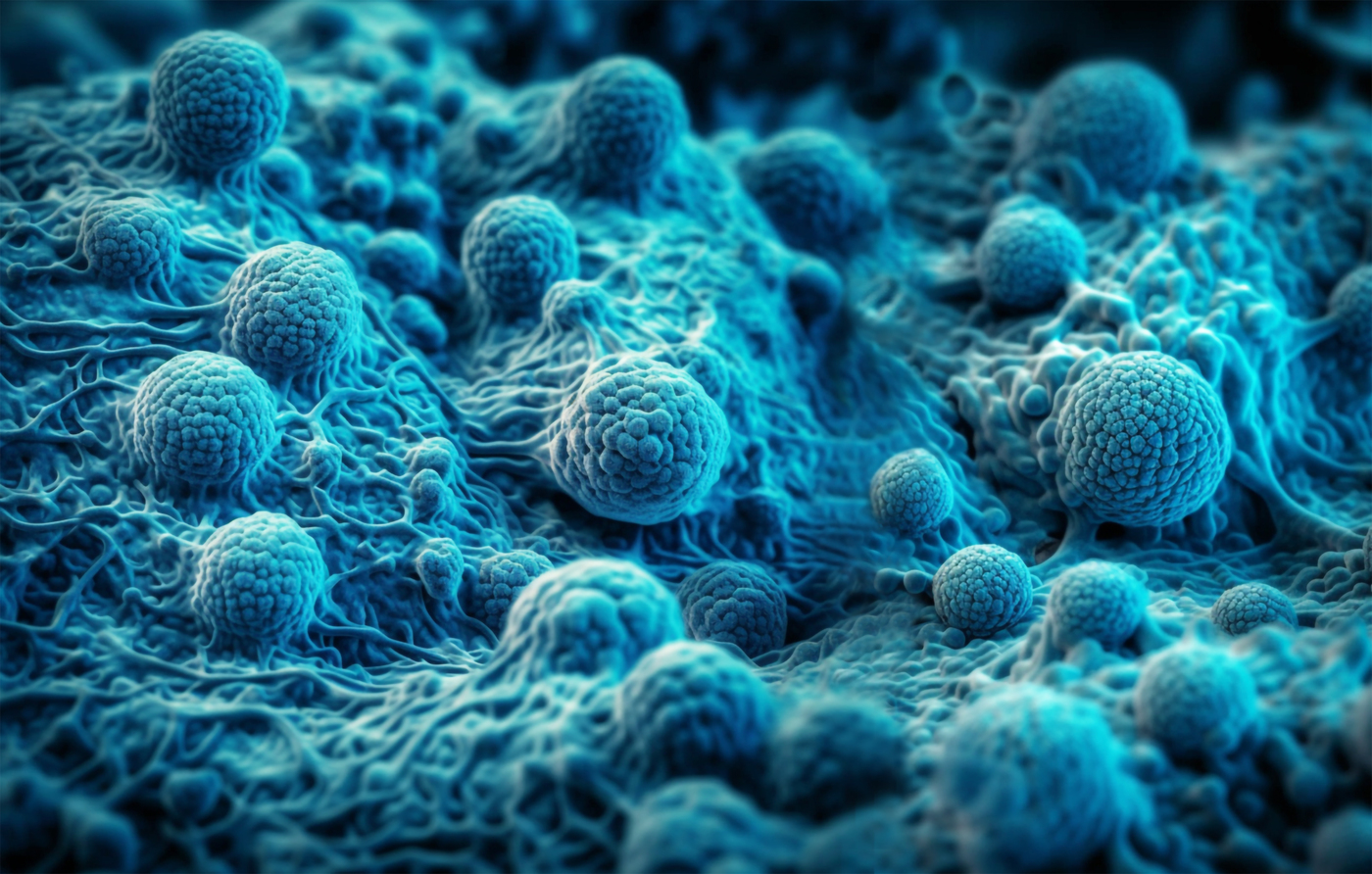
Researchers at the University of Southern California have used genetic barcoding to track individual human blood-forming stem and progenitor cells after transplanting them into mice. The results has revealed how different types of human blood-forming cells regenerate the blood and immune system, and how different forms of pretransplant conditioning—treatment used to prepare a recipient before bone marrow (BM) transplantation—affected blood and immune cell recovery.
The study is one of the first to systematically examine how human stem cells (HSCs) and human multipotent progenitors (hMPPs) respond to various forms of pretransplant conditioning, including chemotherapy and radiation, and contribute to the production of blood and immune cells. Down the line, the results could support the development of more effective and personalized approaches to bone marrow transplantation, which is used to treat blood cancers such as leukemia and lymphoma and certain inherited blood disorders.
“We found that human HSCs and MPPs don’t always behave as we would expect based on previous studies in mice,” said research lead Rong Lu, PhD, professor of stem cell biology and regenerative medicine at the Keck School of Medicine of USC. Lu is also a professor of biomedical engineering, medicine and gerontology. “Our findings underscore the importance of studying human cells directly to understand how they function in the context of transplantation.”
Lu is senior and corresponding author of the team’s published paper in npj Regenerative Medicine, titled “Tracking human HSCs and MPPs in mice reveals distinct clonal dynamics and responses to pre-transplant conditioning.” In their paper the team wrote, “These findings advance our understanding of human hematopoiesis and provide a framework for optimizing experimental models, improving transplantation conditioning strategies, and informing the preclinical evaluation of HSC-based cell and gene therapies.”
Human hematopoietic stem and progenitor cells (hHSPCs) sustain lifelong blood and immune cell production and are central to bone marrow (BM) transplantation therapies, the authors wrote. However, they noted, “While the functional hierarchy of mouse HSPC subsets is well characterized, the distinct roles of human HSPC populations remain less well defined, particularly at clonal resolution and in the context of transplantation conditioning.”
For their newly reported study, first author Mary Vergel Snodgrass, PhD, and colleagues used genetic barcode-based clonal tracking, which allowed them to follow individual cells and their descendants to see how they contribute to blood and immune cell production over time, comparing two cell types, hematopoietic stem cells and multipotent progenitor cells. Both HSCs and MPPs can produce multiple types of blood and immune cells, but HSCs are thought to have unique long-term regenerative capacity, based largely on animal studies.
The team transplanted human HSCs or MPPs into mice, then used clonal tracking to compare how the two cell populations contributed to blood and immune cell production over time. They found that both HSCs and MPPs produced multiple types of blood and immune cells over an extended period after transplantation, suggesting that human MPPs may have greater long-term regenerative capacity than previously observed in mouse studies. However, HSCs generally produced more blood cells and were better at producing multiple types of blood and immune cells than MPPs. “We found that hHSC clones generated more blood cells, initiated lymphoid production earlier, and exhibited more robust multilineage differentiation than hMPP clones,” they wrote.

The researchers also compared several approaches to transplant conditioning, which helps reduce a recipient’s own stem and progenitor cells and makes room for donor cells. Mice received either radiation treatment, chemotherapy with the drug busulfan, or no conditioning treatment. The conditioning approach influenced how many and which types of blood and immune cells were produced, and how quickly blood cell production occurred, without significantly affecting donor cell engraftment in the bone marrow.
“We also found that HSCs were less affected by conditioning, while MPPs were more sensitive, shifting the types of immune cells they produced,” Lu said. “This suggests that human HSCs can maintain more consistent blood and immune cell production under different transplantation conditions.”
These findings could eventually help clinicians tailor pre-transplant treatments to individual patients, supporting more effective blood and immune cell recovery while minimizing treatment-related complications. While further studies are needed to determine how these findings translate to patients, they could help guide the development of safer and more effective transplantation strategies.
In a final experiment, the researchers transplanted HSCs and MPPs from the initial recipients into a second group of mice to test their long-term regenerative capacity. They found that both cell types continued producing blood and immune cells, but at substantially lower levels. “During secondary transplantation, hHSCs and hMPPs contributed comparably to hematopoietic reconstitution but with substantially reduced output and increased clonal diversity,” they wrote. Their collective findings “… suggest that secondary transplantation is characterized by weaker contributions from a larger number of clones, whereas primary transplantation is dominated by stronger expansion of a smaller number of clones.”
An unexpected discovery was that in mice receiving a second transplant, blood cell production occurred not only in the bone marrow but also in other tissues, including the spleen, which became substantially enlarged. “Extramedullary hematopoiesis was observed in all secondary recipients,” the team stated. Lu noted that this phenomenon has also been observed in human diseases and may indicate that the mouse bone marrow environment does not fully support human blood cell production. “In humans, EMH is associated with pathological conditions such as hematologic malignancies, BM failure, and systemic infections, highlighting its relevance as a compensatory hematopoietic response under stress and disease,” the authors stated.
Next, Lu and her team are investigating how blood-forming stem cells communicate with surrounding bone marrow cells to regulate blood and immune cell regeneration. This work could help explain why different conditioning treatments lead to different patterns of blood and immune cell recovery. In their paper, the team wrote in summary, “Through quantitative in vivo clonal tracking and multi-tissue analyses, this study advances understanding of human hematopoiesis and provides a framework for optimizing experimental models, improving transplantation strategies, and informing the development of HSC-based cell and gene therapies.”
The post Genetic Barcoding Reveals How Pre-Bone Marrow Transplant Conditioning Impacts Immune System Regeneration appeared first on GEN - Genetic Engineering and Biotechnology News.
Apa Reaksi Anda?
 Suka
0
 Kurang Suka
0
 Setuju
0
 Tidak Setuju
0
 Bagus
0
 Berguna
0
 Hebat
0