




































































CDC report details impact of AMR pathogens
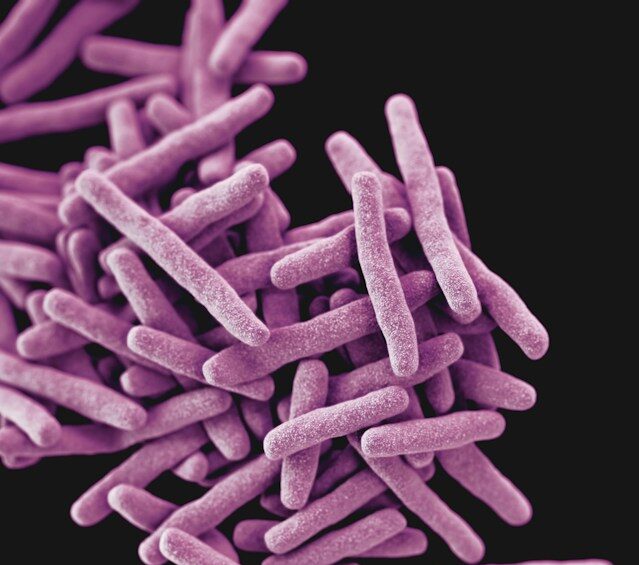
The most dangerous antimicrobial-resistant (AMR) pathogens in America are causing an estimated 9.7 million infections and 50,800 deaths in the U.S. each year, says the Centers for Disease Control and Prevention (CDC).
Released Oct. 27, CDC’s latest report on AMR pathogens identifies 19 bacteria and fungi that pose urgent, serious, or concerning threats to human health.
“The most comprehensive estimate to date of the impact of drug-resistant pathogens on human health in the United States … the AR Threats Report provides critical data that can help guide policy, investments, and interventions to protect Americans from drug resistance,” according to CDC.
These dangerous pathogens have mutated to the point where existing antimicrobial drugs are no longer able to contain them. Germs that were once mostly considered threats to hospitalized patients are also causing infections in people who receive care outside of hospitals.
Combatting these new superbugs requires new antimicrobials, but there are few such drugs in development because the market for antimicrobial innovation is fundamentally broken.
“This latest report shows more detail on the enormous threat of AMR, which we know has the potential to cause nearly 170 million deaths worldwide by 2050,” says Emily Wheeler, Vice President of Infectious Disease Policy at the Biotechnology Innovation Organization (BIO). “We need new antimicrobials for the most critical infections, and the only way to get that is with policy solutions that encourage development and innovation, such as the PASTEUR Act.”
A policy solution for market dysfunction
Unfortunately, the market for developing new antimicrobials is broken.
The need to use antimicrobials judiciously makes it nearly impossible for biotechs developing these innovative drugs to recoup their investment. In recent years, the FDA has approved a few new antimicrobials from small companies, but today, nearly every company behind those innovations “have either gone into bankruptcy or the economic equivalent. Their R&D investors are completely wiped out,” Kevin Outterson, whose organization CARB-X leads a public-private partnership to fund new antimicrobials, told an Aug. 7 Senate hearing.
One policy proposal to address the problem is the PASTEUR Act, which would encourage development of new, innovative antimicrobials for the most critical infections.
Instead of a model based on volume, PASTEUR would implement a new contracting model that provides predictable support for qualifying new antimicrobials, ensuring health care providers have the tools they need to treat superbugs.
Government incentives for new AMR treatments would save lives, and money, Outterson said. “This would be a remarkably great value for the U.S. taxpayers,” he maintained. “A Center for Global Development study found a 28-to-1 return.”
The price of inaction is steep, and not only in lives.
“Seven bacterial threats included in the report that are commonly associated with health care caused more than 42,000 deaths in 2023 and resulted in nearly $12 billion dollars in healthcare costs,” CDC said.
Given AMR’s costs in lives, health, and money, BIO supports the PASTEUR Act. The “legislation would help to repair the broken marketplace for antimicrobials by enabling a business model centered around the appropriate use of new and novel treatments,” said BIO President & CEO John F. Crowley, when the bill was reintroduced in Congress earlier this year.
BIO has called attention to patient challenges with AMR, including by sharing the story of patient advocate Katy Grainger in “The Fight of Our Lives.” BIO also has more resources on AMR here.
CDC’s list of the 19 most-dangerous pathogens
Urgent Threats
These pathogens are public health threats that require urgent and aggressive action.
- Candida auris (C. auris)
- Carbapenem-resistant Acinetobacter
- Carbapenem-resistant Enterobacterales (CRE)
- Drug-resistant Neisseria gonorrhoeae
Serious Threats
These pathogens are public health threats that require prompt and sustained action.
- Clostridioides difficile (C. diff)
- Drug-resistant Campylobacter
- Drug-resistant Candida
- Drug-resistant Mycobacterium tuberculosis
- Drug-resistant Neisseria meningitidis
- Drug-resistant nontyphoidal Salmonella
- Drug-resistant Salmonella Typhi
- Drug-resistant Shigella
- Drug-resistant Streptococcus pneumoniae
- Extended-spectrum cephalosporin-resistant Enterobacterales (ESC-RE)
- Methicillin-resistant Staphylococcus aureus (MRSA)
- Multidrug-resistant Pseudomonas aeruginosa
- Vancomycin-resistant Enterococcus (VRE)
Concerning Threats
These pathogens are public health threats that require careful monitoring and prevention action.
The post CDC report details impact of AMR pathogens appeared first on Bio.News.
Apa Reaksi Anda?
 Suka
0
 Kurang Suka
0
 Setuju
0
 Tidak Setuju
0
 Bagus
0
 Berguna
0
 Hebat
0