























































%20and%20Batch%20Production%20Records%20(BPR).png)















Allergic Conjunctivitis tied to Increased Corneal Disease Risk: Study
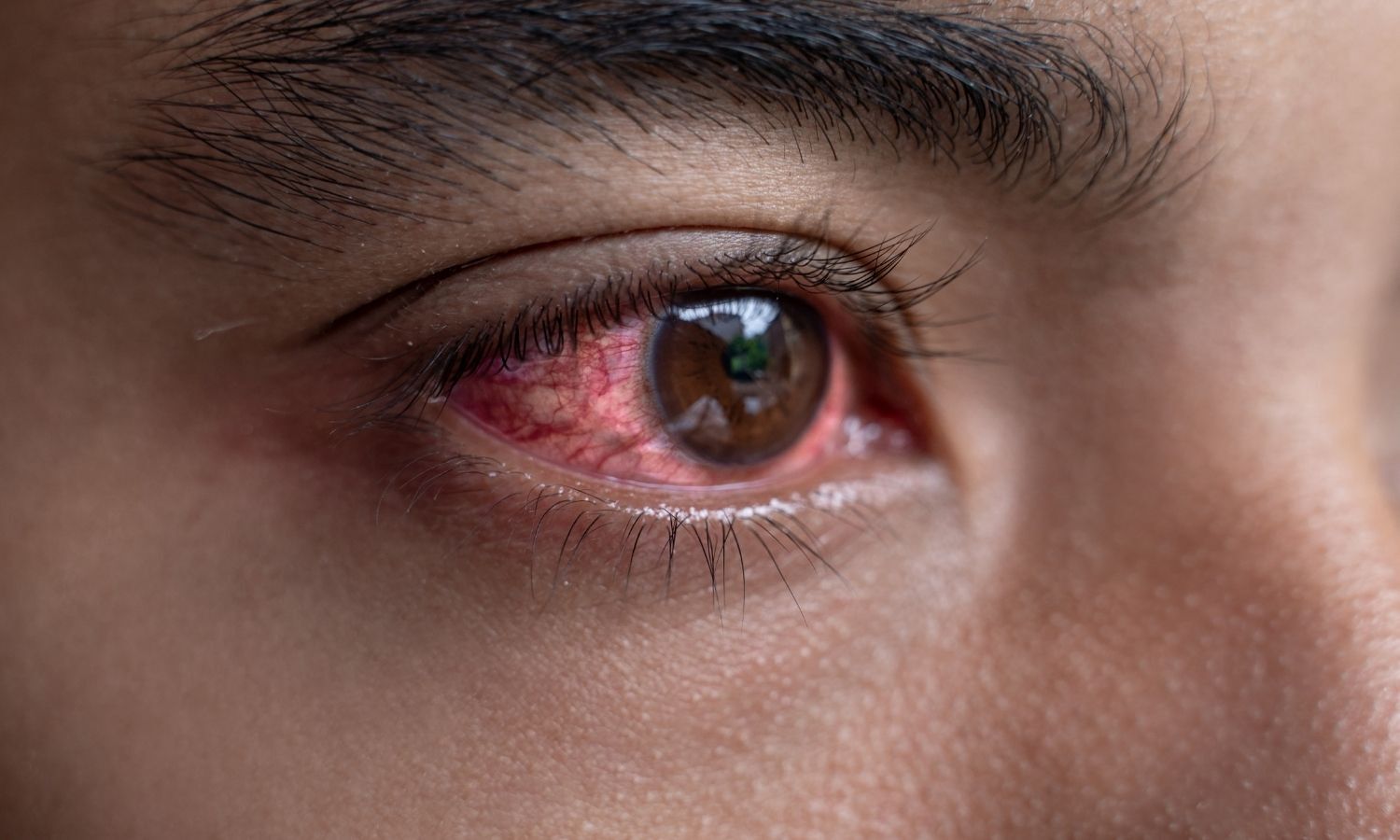
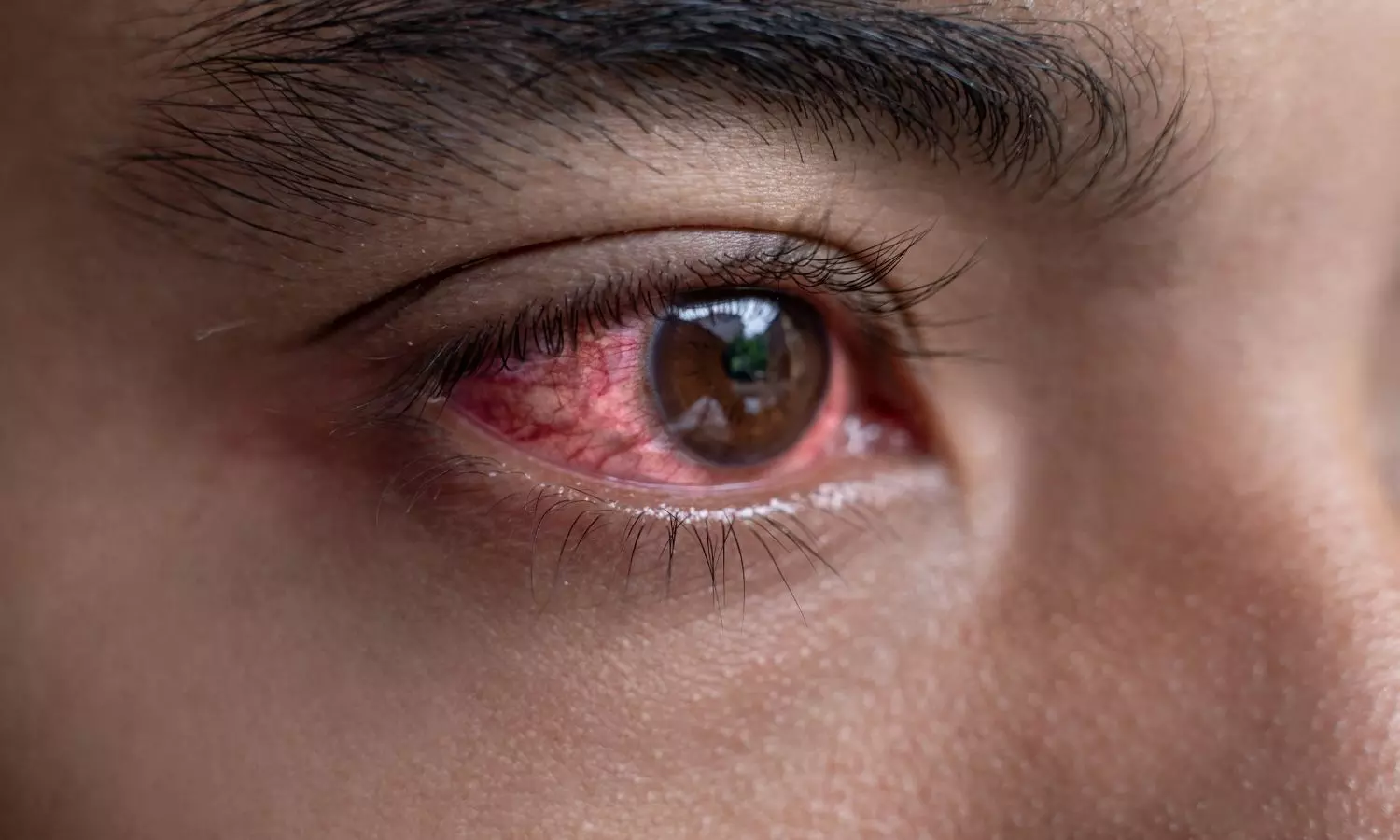
A new study published in the journal of Contact Lens & Anterior Eye showed that the risk of keratoconus and corneal erosion is considerably higher in individuals with allergic conjunctivitis.
The symptoms of keratoconus, a progressive corneal ectasia, include uneven astigmatism, stromal thinning, and visual decline. There is growing evidence that it develops as a result of persistent ocular allergies, especially allergic conjunctivitis. Repetitive eye rubbing, high tear cytokines, and chronic inflammation are believed to degrade corneal collagen and hasten biomechanical instability. Long-term allergy sufferers may have earlier onset and more severe symptoms.
There are currently few population-level statistics measuring the prevalence of keratoconus following allergic conjunctivitis. It's critical to comprehend this association in order to retain visual function and lower the need for corneal transplantation by early screening, preventative counseling, and prompt intervention. Thus, this investigation was carried out utilizing a sizable, multicenter real-world dataset to assess the risk of keratoconus and associated corneal problems in patients with allergic conjunctivitis.
The TriNetX US Collaborative Network was used to do a retrospective cohort analysis. Using 1:1 propensity score matching, individuals with allergic conjunctivitis between the ages of 5 and 25 were paired with patients without allergic conjunctivitis. Incident keratoconus was the main consequence.
Corneal topography, sophisticated corneal diagnostic techniques (like pachymetry and scanning computerized ophthalmic imaging), contact lens fitting for keratoconus, corneal cross-linking, recurrent corneal erosion, keratoplasty, and acute corneal hydrops were among the secondary outcomes.
Each cohort consisted of 174,443 patients after matching. A substantially higher incidence of keratoconus was linked to allergic conjunctivitis (HR 1.6; 95% CI, 1.18–2.18; p = 0.0024), with 118 individuals experiencing the disease compared to 62 in the control group. A significant correlation was found between corneal erosion and allergic conjunctivitis, with an HR of 1.87 (95 % CI 1.05–3.34; p = 0.0305).
The allergic group also had higher rates of corneal topography and advanced corneal diagnostic procedures, with HRs of 1.94 (95 % CI 1.58–2.38; p < 0.0001) and 2.05 (95 % CI 1.74–2.4; p < 0.0001), respectively. Overall, in children and young adults, allergic conjunctivitis is linked to a higher incidence of keratoconus and a greater requirement for corneal diagnostic testing.
Source:
Lishinsky-Fischer, N., Erdinest, N., Buhbut, O., & Gur, Z. (2026). Incidence of keratoconus following allergic conjunctivitis: a multicenter retrospective cohort study using a U.S. healthcare network database. Contact Lens & Anterior Eye: The Journal of the British Contact Lens Association, 49(1), 102569. https://doi.org/10.1016/j.clae.2025.102569
Apa Reaksi Anda?
 Suka
0
Suka
0
 Kurang Suka
0
Kurang Suka
0
 Setuju
0
Setuju
0
 Tidak Setuju
0
Tidak Setuju
0
 Bagus
0
Bagus
0
 Berguna
0
Berguna
0
 Hebat
0
Hebat
0