











































%20and%20Batch%20Production%20Records%20(BPR).png)











Bioprocessing at Full Throttle
In biomanufacturing, scale has long been synonymous with success. Bigger bioreactors, larger facilities, and expanded footprints traditionally defined the path to higher output. But that paradigm is shifting with intensified bioprocessing. Today, the industry is embracing a more nuanced, efficient approach—one that prioritizes productivity over size, agility over rigidity, and integration over segmentation. Intensified bioprocessing is not just an incremental improvement; it is a fundamental rethinking of how biologics are made.
“Intensified bioprocessing aims to improve the productivity and efficiency of biomanufacturing,” explains Julie Kozaili, PhD, principal scientist at Asahi Kasei Bioprocess. “This is often achieved by designing new processes or modifying existing ones to increase output per unit time or equipment volume.”
That deceptively simple definition captures a sweeping transformation. Instead of relying on traditional batch processes, intensification often involves running at higher cell densities, integrating multiple process steps, and transitioning toward continuous or semi-continuous operations.
The implications are significant. Intensified processes can reduce facility size, minimize resource consumption, and shorten development timelines—all while maintaining or even improving product quality. For an industry under constant pressure to deliver therapies faster, these advantages are hard to ignore.
The urgency behind intensification is driven by both scientific and economic realities. Many modern therapeutics—particularly viral vectors and gene therapies—face inherent production challenges. Low yields, complex manufacturing requirements, and stringent quality standards make scaling difficult and expensive.
In viral-vector development, one of the central bottlenecks is simply producing enough material. Clinical applications often require a minimum effective dose volume, yet production systems struggle to generate sufficient yield, forcing manufacturers to concentrate limited output into small delivery formats. Legacy adherent cell culture technologies compound the problem by relying on scale-out strategies—adding more units rather than increasing efficiency—making cost reductions difficult as production expands.
Intensified bioprocessing offers a different path. It “is important because it allows manufacturers to increase capacity without new facilities, reduce equipment footprint, reduce media, buffer, and utility usage per gram of product, and shorten scale-up, tech transfer, and time-to-clinic timelines,” Kozaili says.
For companies working with unstable or complex molecules, speed can be just as important as scale. Faster processing reduces the risk of degradation and accelerates the path from development to commercialization.
Beyond cost: speed and flexibility
Although cost savings are often cited as a benefit of intensification, industry leaders emphasize that its true value lies beyond the cost of goods. “Intensified bioprocessing is less about driving down cost and more about enabling speed, flexibility, and fit,” says Mark Schofield, PhD, director of science at Cytiva. “For monoclonal antibodies in particular, the industry’s priorities are getting to launch faster, making better use of existing facilities, and being able to respond to uncertain or fluctuating demand.”
This shift in perspective reflects broader changes in the biopharmaceutical landscape. Pipelines are increasingly diverse, with smaller patient populations and more specialized therapies. Manufacturing systems must be adaptable, capable of switching between products or scaling production up and down as needed. “Intensification helps companies do all three by rethinking how processes are designed and scaled,” Schofield adds.
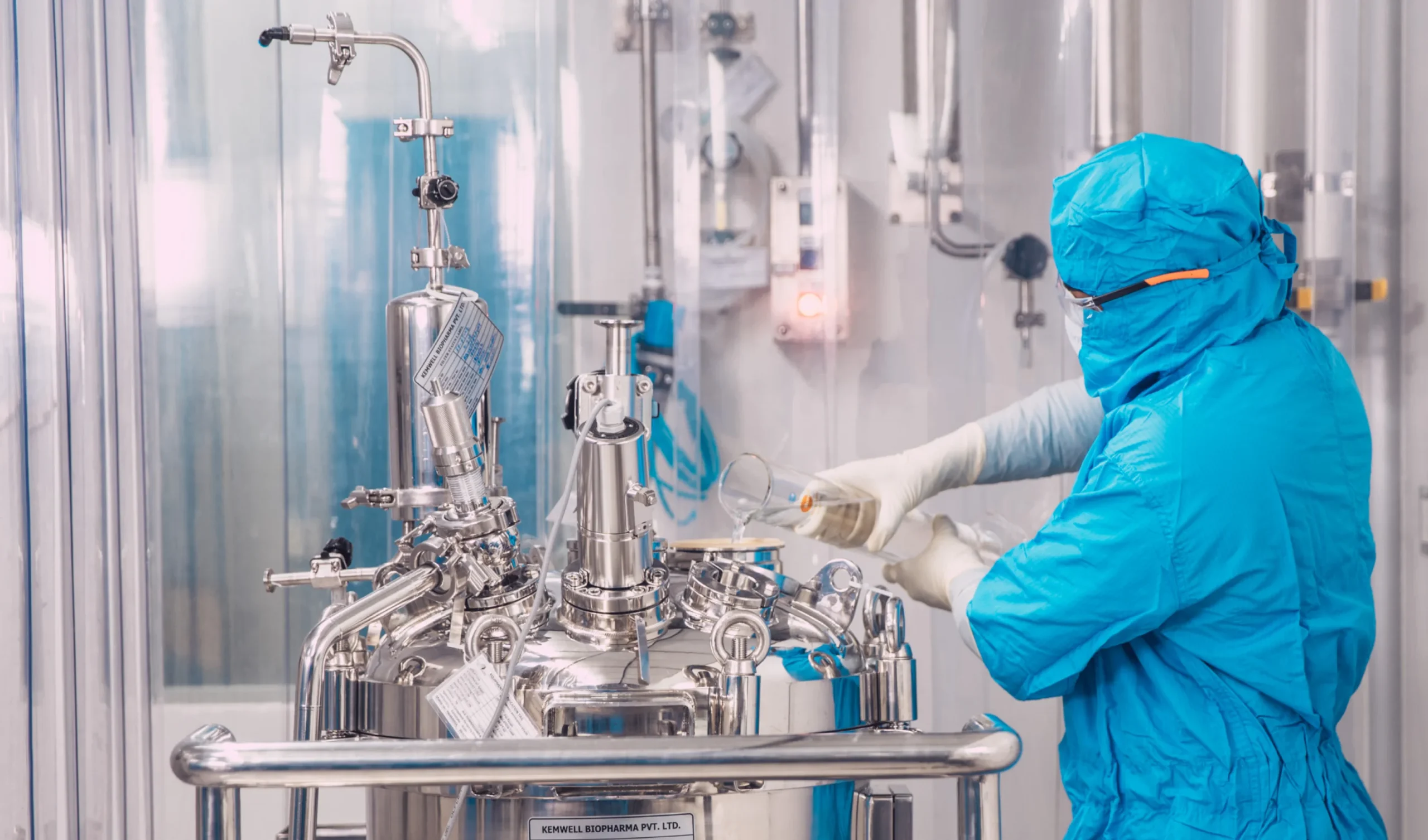
Companies such as Repligen are advancing upstream intensification through perfusion-based systems designed to sustain high cell densities and continuous productivity. Perfusion cell culture, a cornerstone of many intensified strategies, continuously feeds fresh media while removing waste and product, allowing cells to remain in an optimal growth state over extended periods. This approach not only improves yield but also creates a more stable and controlled production environment compared to traditional fed-batch methods. Repligen’s filtration and analytical technologies further support this shift by enabling continuous clarification and real-time monitoring, helping bridge the gap between process development and scalable manufacturing.
Beyond large platform providers, a growing number of specialized innovators are helping push intensified bioprocessing forward, particularly in high-demand areas like viral-vector manufacturing and upstream control.
Meanwhile, Batavia Biosciences is tackling one of the most persistent challenges in gene therapy: low viral-vector yields. Traditional adherent cell culture systems often require scaling out—adding more equipment rather than increasing efficiency—which drives up costs without significantly improving productivity. Batavia’s intensified approach centers on integrated solutions that combine optimized cell lines, streamlined purification processes, and novel bioreactor designs to dramatically increase output. By enabling higher yields within a smaller footprint, these strategies effectively miniaturize manufacturing, making it possible to produce clinical and commercial quantities without the need for large-scale facilities.
Together, these efforts underscore a key theme in intensified bioprocessing: innovation is not confined to a single step or technology. Instead, it is emerging across the entire workflow, from upstream cell culture to downstream purification and process analytics.

Real-world applications
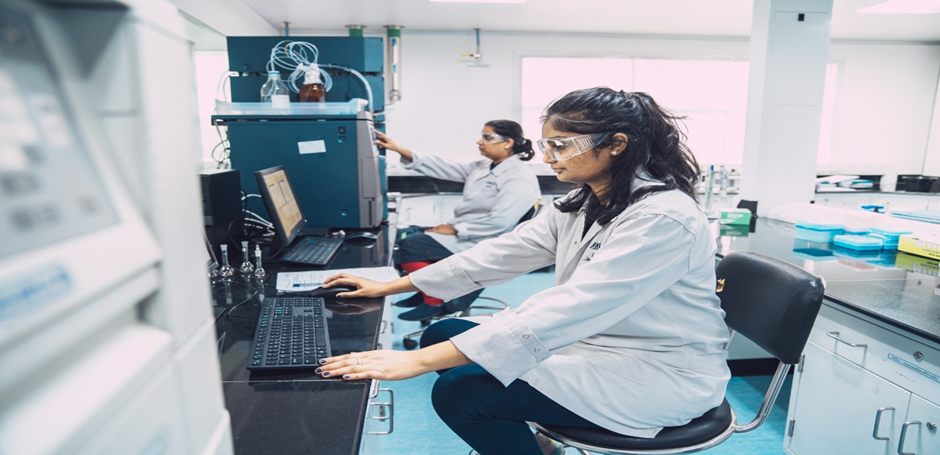
The promise of intensified bioprocessing is being realized through a growing ecosystem of technologies. Asahi Kasei Bioprocess, for example, has developed solutions that support intensification at multiple stages. “We support intensified bioprocessing across upstream and downstream operations,” Kozaili explains, pointing to innovations such as hollow-fiber microfilters for high-intensity cell culture clarification and advanced virus filtration systems designed for continuous processing.
These technologies are engineered to handle the increased throughput associated with intensified upstream processes. High-density cultures generate larger volumes of product, which must be efficiently clarified, purified, and stabilized without compromising quality.
Automation and integration are also key components. New ultrafiltration and diafiltration systems are being designed for flexibility, allowing them to be deployed upstream or downstream and enabling seamless process integration.
Designing for intensification
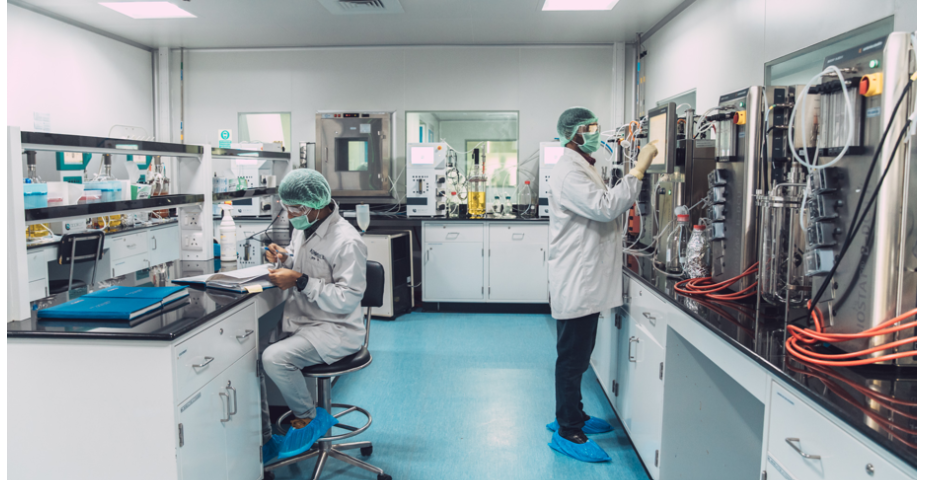
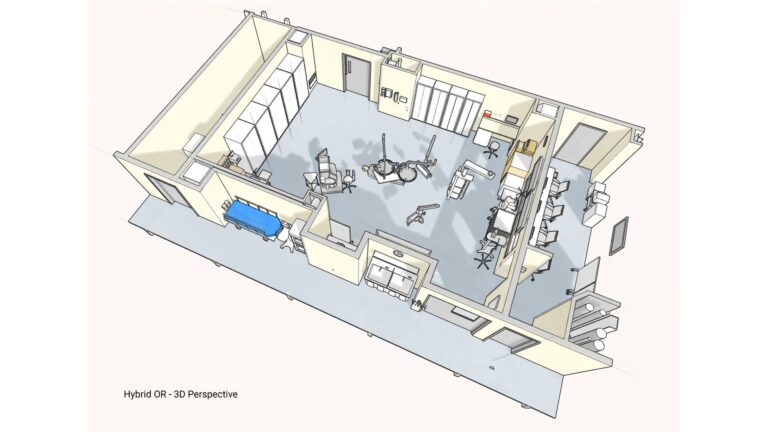
Though technology is a crucial enabler, successful intensification requires more than just new equipment. It demands a holistic approach to process and facility design. “At CRB, our role is to help clients translate emerging process concepts into facilities that are safe, operable, and scalable,” says John Rubero, senior fellow in purification bioprocessing.
One of the defining characteristics of today’s intensification efforts is that they are often partial or hybrid implementations. Fully continuous, end-to-end processes remain relatively rare. Instead, manufacturers are adopting elements of intensification—such as integrating continuous perfusion with multi-column capture chromatography—within otherwise traditional workflows. This incremental approach allows companies to realize benefits without fully overhauling their operations. It also provides a pathway for future evolution as technologies mature.
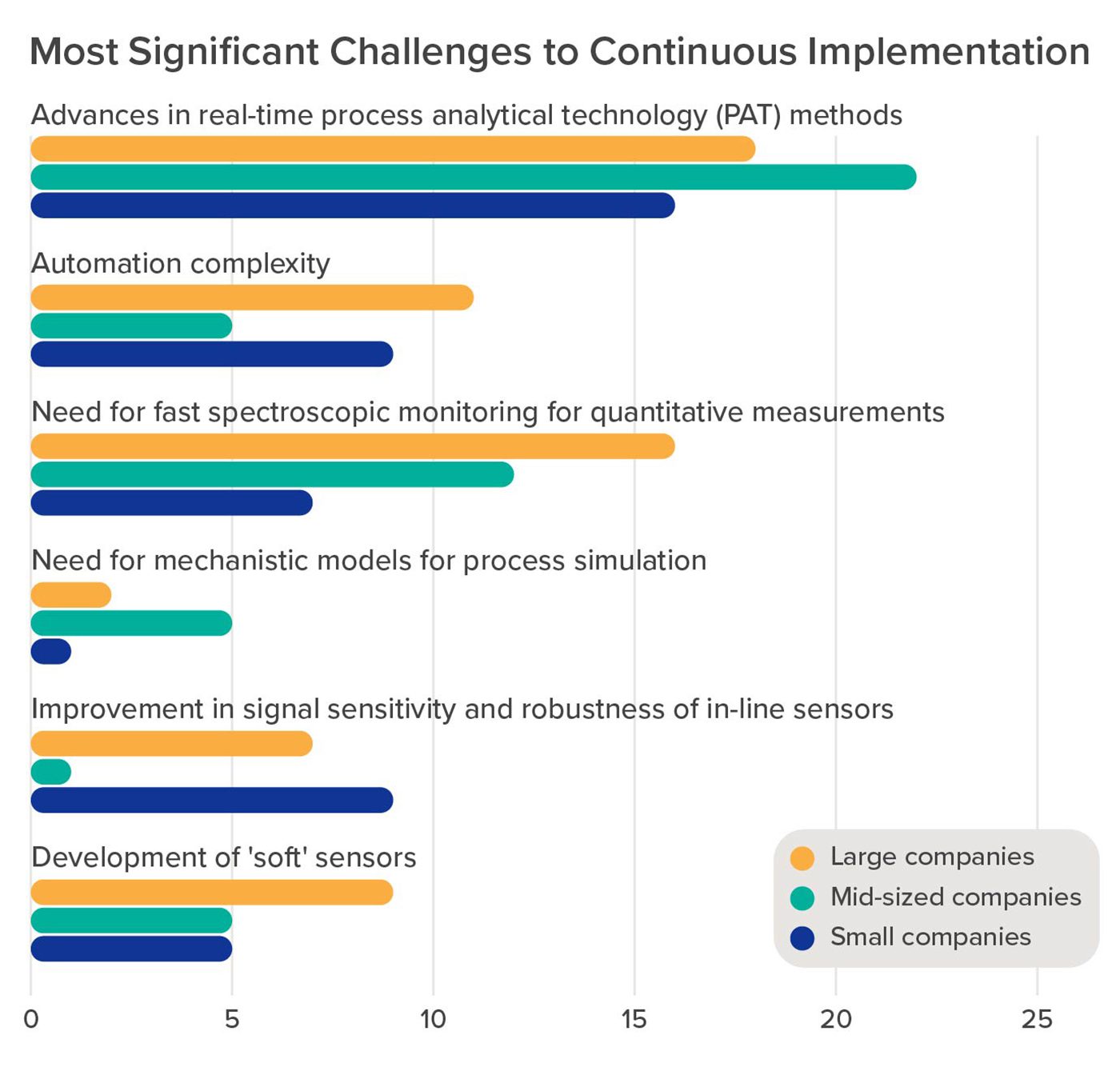
Despite its advantages, intensified bioprocessing is not without challenges. One of the most significant is bridging the gap between process development and commercial-scale implementation. “While the practice of linking unit operations together is largely accepted, real-time control of an end-to-end continuous process remains challenging,” Rubero explains.
In traditional batch processes, control strategies are relatively straightforward because lot traceability is easy to maintain. But intensified systems—especially continuous ones—require real-time monitoring and advanced control strategies to ensure process stability and product quality.
“It is not realistic or necessary to find and assign a sensor to monitor each critical process parameter or critical quality attribute,” Rubero says. “Instead, a combination of direct measurements, soft sensors, multivariate models, and process understanding is required for effective process control.”
So, the industry is moving toward integrated approaches that combine process analytical technology (PAT) with mechanistic and data-driven models. These systems enable more sophisticated monitoring and control but are still evolving in terms of reliability and adoption.
Operational barriers
Technical challenges are only part of the equation. Intensification also requires a shift in mindset—one that can be difficult for organizations accustomed to established manufacturing paradigms. “In many cases, the technologies are either new or have novel applications, creating a learning curve,” Kozaili acknowledges.
Training gaps, operational changes, and resistance to new approaches can slow adoption. Teams must adjust not only their processes but also their thinking, moving away from long-standing practices toward more dynamic, integrated systems.
As Schofield notes, “adopting new approaches inevitably comes with skepticism.” Externally, there can be hesitation to move away from established technologies. Internally, organizations might question how intensified solutions might impact existing product lines. Those discussions, however, are part of the transition.
Despite these challenges, momentum is building. As intensified technologies demonstrate their value in real-world applications, resistance is gradually diminishing. “Over time, evidence and adoption speak for themselves,” Schofield says.
Kozaili emphasizes the importance of organizational alignment. “We had to change the company’s established mindset by securing support to develop these technologies and clearly show the value of these approaches,” she explains.
Collaboration also plays a key role. For technology providers, working closely with customers to test and refine solutions helps build confidence and accelerate adoption. “For our customers, it’s about finding the right partners to test the technologies, while providing appropriate feedback for improvement,” Kozaili adds.
Looking ahead, the trajectory of intensified bioprocessing is clear. Purpose-built facilities designed specifically for intensified operations will become more common, replacing retrofitted batch plants that struggle to accommodate new workflows, because intensified bioprocessing is no longer a niche concept reserved for early adopters. It is rapidly becoming a central pillar of modern biomanufacturing strategy.
The post Bioprocessing at Full Throttle appeared first on GEN - Genetic Engineering and Biotechnology News.
Apa Reaksi Anda?
 Suka
0
Suka
0
 Kurang Suka
0
Kurang Suka
0
 Setuju
0
Setuju
0
 Tidak Setuju
0
Tidak Setuju
0
 Bagus
0
Bagus
0
 Berguna
0
Berguna
0
 Hebat
0
Hebat
0