




















































%20and%20Batch%20Production%20Records%20(BPR).png)













Bioprocessing’s Green Shift Gains Momentum
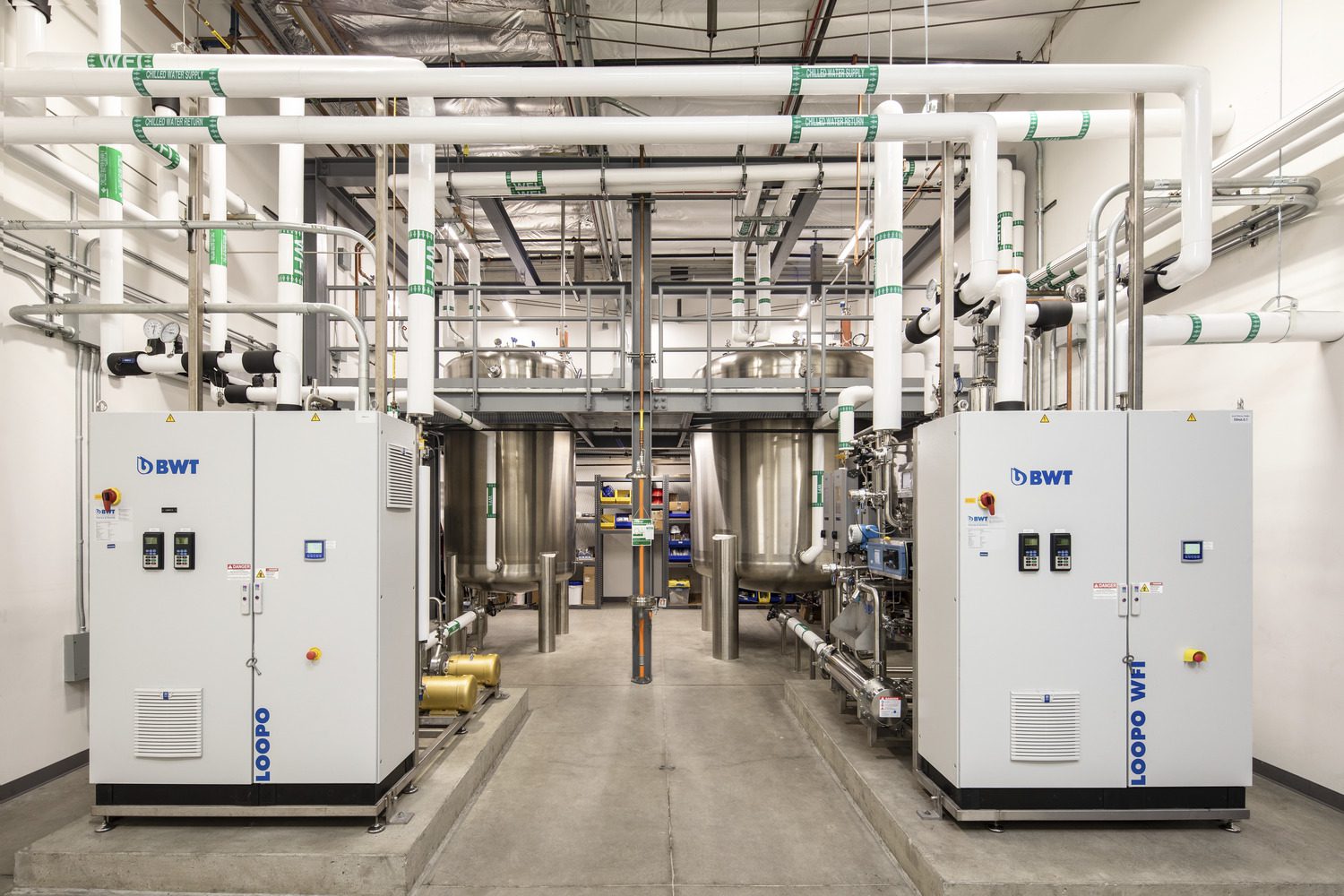
As bioprocessing companies race to meet ambitious sustainability goals, the industry’s biggest environmental challenges are becoming increasingly clear, and increasingly solvable. To find out more about this, GEN reached out to CRB—a provider of sustainable engineering, architecture, construction and consulting solutions—and interviewed two of its experts by email: Zach Page-Belknap and Maya DeHart, both energy and sustainability specialists.
According to the CRB experts, reducing carbon emissions and minimizing waste remain formidable obstacles. However, advances in facility design, data management, and energy optimization are giving manufacturers practical ways to make meaningful progress without compromising production.
“Sustainability in bioprocessing presents many challenges, but two of the most difficult to solve at scale are process-heating decarbonization and single-use waste diversion,” they said.
Historically, high-temperature processes have relied on natural-gas boilers, making them among the largest contributors to operational carbon emissions. Electrifying these systems can dramatically reduce fossil-fuel use, but it also places greater demand on a facility’s electrical infrastructure and backup power systems. As Page-Belknap and DeHart pointed out, “emerging technologies such as high-temperature heat pumps offer promising alternatives, although adoption has been slowed by high upfront costs, safety considerations, and the relatively immature market for the technology.”
Meanwhile, facilities that depend heavily on disposable plastic equipment—particularly those involved in autologous manufacturing—face a different challenge. Although methods exist to divert decontaminated single-use plastics from landfills, economics and limited recycling infrastructure continue to restrict widespread implementation.
The CRB team noted that waste diversion can be financially competitive when facilities are located near processors capable of handling specialized materials. However, organizations without local treatment options often face disposal costs more than twice those of conventional waste management.
Data makes the difference
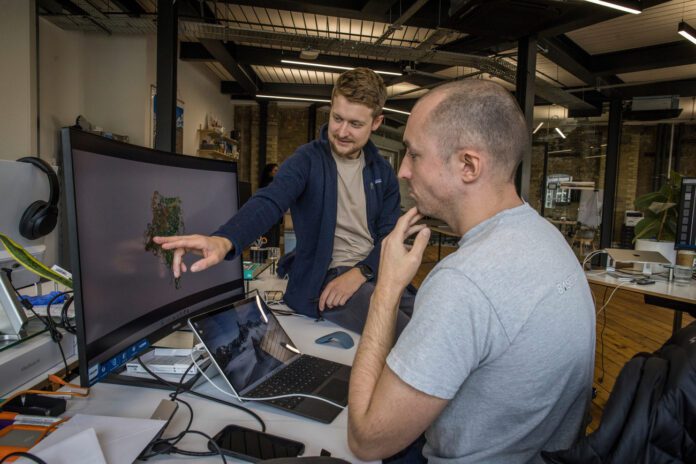
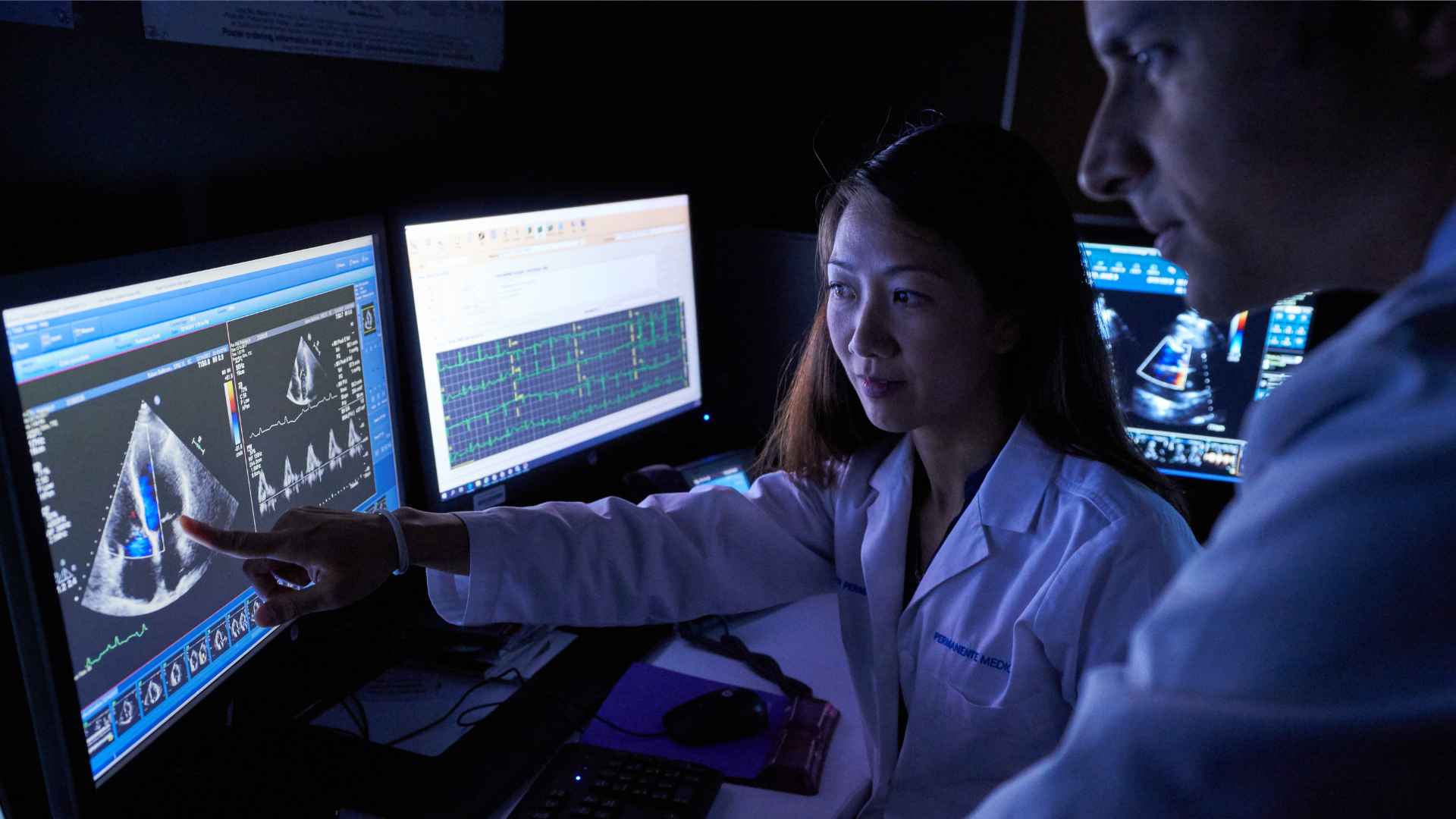
Despite those challenges, one of the industry’s biggest sustainability breakthroughs has come from something far less visible: better data. Rather than relying on isolated information from individual systems, many companies are investing in centralized platforms that track energy, water, and waste across entire facilities. That broader view allows operators to identify inefficiencies, prioritize upgrades, and increasingly leverage artificial intelligence to optimize performance.
“It’s fair to say that meters and monitors themselves do not improve sustainability in bioprocessing directly,” continued Page-Belknap and DeHart. “They are only a means to improve visibility into the actual operational performance of a facility.”
Installing that monitoring infrastructure is often far less expensive than major equipment replacements. Individual meters typically cost around $5,000 to install, although larger projects involving dozens of monitoring points and upgraded management systems can range into the hundreds of thousands of dollars.
For commercial bioprocessors looking to improve sustainability, resisting the temptation to chase the newest technology first was recommended. Instead, facilities should begin by aligning site-level priorities with broader corporate sustainability goals, benchmarking current performance, and understanding where the greatest opportunities exist.
For newer facilities, existing operational data might already reveal low-cost improvements, such as optimizing cleanroom air change rates or making better use of building management systems. Older facilities should take a phased approach by establishing utility baselines, identifying major energy and water consumers, evaluating equipment lifecycles, and incorporating sustainability improvements into planned capital replacement schedules.
As the CRB experts concluded: “Ultimately, sustainability improvement is less about any single technology and more about building the data infrastructure and decision framework needed to invest in the right measures, at the right time, for each specific site.”
The post Bioprocessing’s Green Shift Gains Momentum appeared first on GEN - Genetic Engineering and Biotechnology News.
Apa Reaksi Anda?
 Suka
0
Suka
0
 Kurang Suka
0
Kurang Suka
0
 Setuju
0
Setuju
0
 Tidak Setuju
0
Tidak Setuju
0
 Bagus
0
Bagus
0
 Berguna
0
Berguna
0
 Hebat
0
Hebat
0