






























































Can You Get Braces With Baby Teeth? What Parents Need to Know
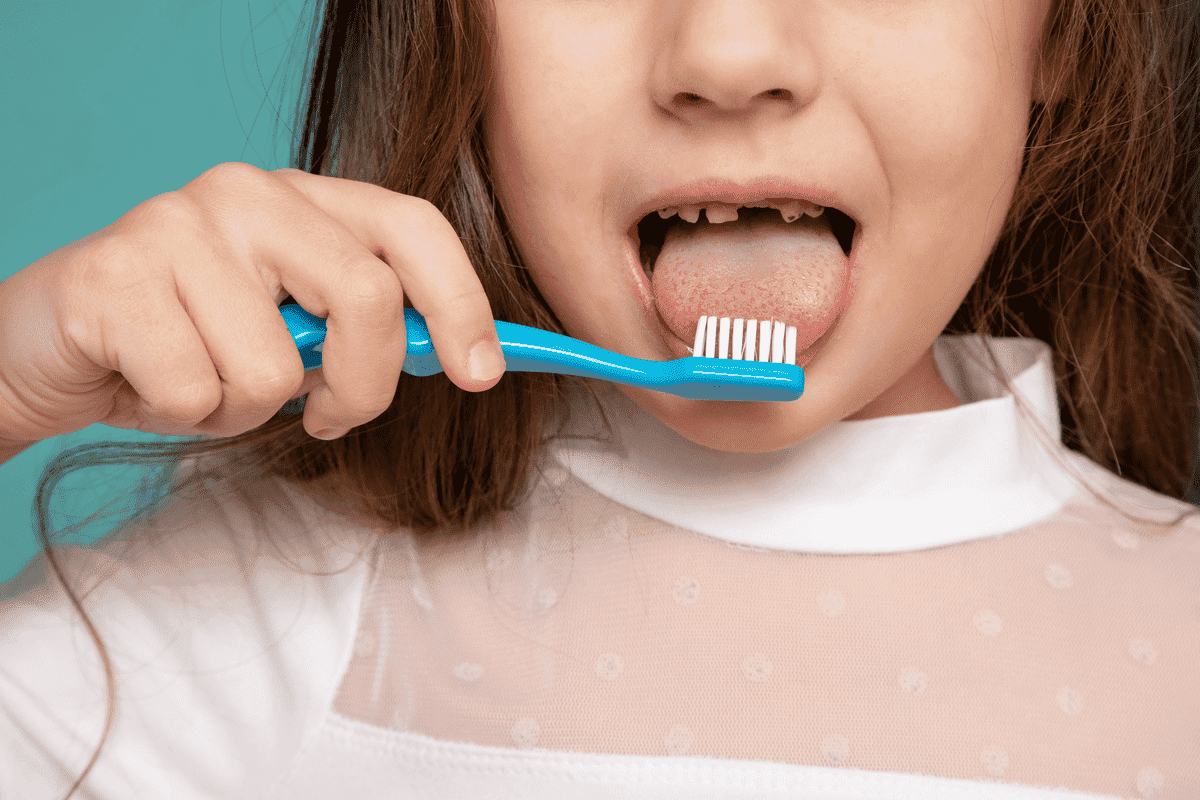
If your child still has baby teeth, you may wonder whether it is too early to think about braces or visiting an orthodontist.
The short answer is no. A child doesn’t need to lose all their baby teeth before seeing an orthodontist. In some cases, orthodontic treatment can even begin while both baby and permanent teeth are present. Whether treatment is recommended depends on your child’s teeth, bite, jaw growth, and developmental stage.
That does not mean every 7-year-old needs braces. In fact, many children who see an orthodontist at an early age do not need treatment right away. An early check-up gives the orthodontist an opportunity to see how your child’s teeth and jaws are developing and determine whether treatment is needed now, later, or possibly not at all.
Do All Baby Teeth Need to Fall Out Before Braces?
No. There is no rule that every baby tooth must fall out before a child can have orthodontic treatment.
Many orthodontic problems are best treated after more permanent teeth have come in. Others may benefit from attention earlier, while a child still has a mix of baby and permanent teeth. This stage of development is often called mixed dentition.
An orthodontist looks at much more than the number of baby teeth remaining. The position of the permanent teeth, the way the upper and lower teeth fit together, jaw growth, and the timing of tooth eruption can all help determine when treatment should begin.
This is one reason parents should not use the loss of the last baby tooth as the signal that it is finally time to schedule an orthodontic visit.
Can a Child Have Braces While Baby Teeth Are Still Present?
Yes. Braces may be used as part of an early orthodontic treatment plan even when some baby teeth remain. Early orthodontic treatment is also known as interceptive treatment or Phase 1 orthodontics.
Braces are not the only option. Depending on the problem, an orthodontist may recommend another type of fixed or removable orthodontic appliance. In other cases, the best approach is simply to monitor the child’s growth and wait.
The right treatment and timing are different for every child.
What If My Child Has a Loose Baby Tooth?
A loose baby tooth does not automatically mean your child is too young for an orthodontic evaluation or treatment.
Losing baby teeth is a normal part of dental development. An orthodontist considers where your child is in that process, how permanent teeth are developing, and whether a particular orthodontic problem would benefit from treatment at that time.
If your child already has braces or another orthodontic appliance and a baby tooth becomes loose, talk with your orthodontist about what to expect.
At What Age Do Kids Get Braces?
There is no single age when every child should get braces.
Some children benefit from orthodontic treatment while they are still growing and still have baby teeth. Others may not begin treatment until most or all of their permanent teeth have erupted.
What has a recommended age is your child’s first orthodontic check-up. The American Association of Orthodontists recommends that children have their first check-up with an orthodontist when an orthodontic problem is first recognized and no later than age 7.
By around age 7, many children have a combination of baby and permanent teeth. That allows an orthodontist to evaluate how the teeth, bite, and jaws are developing, including problems that may not be easy for parents to see.
Does Seeing an Orthodontist at Age 7 Mean Getting Braces at Age 7?
No.
An orthodontic check-up is not the same thing as starting orthodontic treatment.
After an early evaluation, an orthodontist may determine that:
- No orthodontic treatment is expected to be necessary.
- Treatment may be beneficial later, so your child’s growth and tooth development should be monitored.
- A developing problem may benefit from early orthodontic treatment.
For many families, the first visit is simply an opportunity to understand how a child’s teeth and jaws are developing and what to expect in the years ahead.
Can My Child See an Orthodontist Before Age 7?
Yes.
Age 7 is the recommended latest age for a first check-up, not an age that parents must wait to reach. If you or your child’s dentist notice something unusual about your child’s teeth, bite, or jaw development earlier, you can schedule an orthodontic evaluation sooner.
What Is Phase 1 Orthodontics?
Phase 1 orthodontics, also called early or interceptive orthodontic treatment, is treatment that takes place while a child is still growing and some baby teeth are still present.
The purpose is not simply to make teeth look straighter at a younger age. When early treatment is recommended, it is intended to address a specific developing orthodontic problem at a time when treatment may be beneficial.
Depending on the child’s needs, early treatment may help guide jaw growth, address certain bite problems, or create appropriate conditions for permanent teeth as they emerge.
Most importantly, Phase 1 treatment is not necessary for every child.
Many orthodontic problems can and should wait until later. An orthodontist can help parents understand whether early treatment benefits their child or whether monitoring development is the better choice.
What Orthodontic Problems May Benefit From Early Treatment?
Every child’s situation is different, but an orthodontist may recommend early treatment for concerns such as:
- An underbite
- A crossbite
- Significant crowding
- Excessive spacing
- Extra or missing teeth
- Teeth that do not meet normally
- Teeth that do not meet at all
- Certain tooth eruption problems
- Thumb, finger, or pacifier habits that are affecting the teeth or jaw growth
Some orthodontic problems are inherited. Others can develop because of habits, injuries, dental disease, or other factors.
An orthodontic evaluation can help determine whether a bite problem needs treatment now or can be safely monitored.
Does Phase 1 Treatment Always Mean Braces?
No. Early orthodontic treatment can take several forms.
An orthodontist may use a fixed or removable appliance depending on the child’s needs. For example, some growing patients may benefit from a palatal expander. Other children may have limited braces or another appliance designed to address a particular problem.
There are also situations in which no orthodontic appliance is needed at that time. Your orthodontist may simply monitor growth and tooth eruption. In some cases, the orthodontist may recommend carefully timed removal of certain baby teeth as part of an individualized treatment plan.
Will My Child Need Braces Again After Phase 1 Treatment?
Possibly.
Phase 1 treatment addresses specific problems during an earlier stage of growth and dental development. It does not necessarily mean a child will never need additional orthodontic treatment.
Some children later have a second phase of treatment after more or all of their permanent teeth have erupted. That treatment can focus on positioning the permanent teeth and refining the bite.
Your orthodontist can explain what the goals of early treatment are and what future treatment may be expected.
Baby Teeth, Permanent Teeth, and Mixed Dentition
Your child’s smile changes considerably during their elementary school years.
Baby teeth, also called primary teeth, begin to make way for permanent teeth. For several years, children commonly have both types of teeth in their mouths at the same time. Orthodontists call this stage mixed dentition.
This can be a useful time for an orthodontic evaluation because an orthodontist can assess the teeth that are already visible while also considering how the permanent teeth and jaws are developing.
A child’s smile may look fine from the outside even when an orthodontic issue is beginning to develop. That is why an orthodontic check-up can provide information that’s hard to get by simply looking at your child’s teeth at home.
What If Baby Teeth Fall Out Early or Late?
Children do not all lose their baby teeth on the same schedule, and some variation is normal.
Still, baby teeth that are lost unusually early or remain much longer than expected can sometimes be associated with orthodontic concerns. Early or late loss of baby teeth is one sign parents can watch for when considering an orthodontic evaluation.
If you are concerned about the timing of your child’s tooth loss, an orthodontist can evaluate how the permanent teeth are developing and whether any action is recommended.
What If a Permanent Tooth Is Not Coming In?
Permanent teeth do not always erupt exactly when or where parents expect them to.
An orthodontist can evaluate the position and development of incoming teeth during an orthodontic examination. If something looks unusual, the orthodontist can determine whether the tooth simply needs more time, whether monitoring is appropriate, or whether treatment is needed.
Why Your Child’s Bite Matters
Orthodontic care is about more than straight teeth.
Your child’s bite is how the upper and lower teeth come together. Orthodontists specialize in aligning teeth and jaws and in how the bite functions.
Problems such as crossbites, underbites, crowding, and teeth that do not meet properly may affect how the teeth and jaws function together. In some children, treatment timing matters because the jaws and face are still growing.
Other children can wait until more permanent teeth have erupted before treatment begins.
An early evaluation helps an orthodontist determine which situation applies to your child.
Signs Your Child Should See an Orthodontist
You do not need to diagnose an orthodontic problem yourself. That is the orthodontist’s job.
Still, certain signs may be a reason to schedule an evaluation, particularly if your child has not yet had their first orthodontic check-up.
Consider talking with an orthodontist if you notice:
- Baby teeth being lost unusually early or late
- Difficulty biting or chewing
- An underbite or crossbite
- Teeth that do not come together normally
- Significant crowding or spacing
- Jaws that appear to shift when your child bites
- Frequent cheek biting
- A noticeable imbalance in the teeth or jaws
- Permanent teeth appearing in unexpected positions
- A thumb, finger, or pacifier habit that appears to be affecting the teeth or jaws
- Any other concern about the way your child’s teeth or jaws are developing
AAO recommends an orthodontic check-up no later than age 7, even if no obvious problem has been noticed. If you see a concern sooner, there is no need to wait until age 7.
What Happens at Your Child’s First Orthodontic Visit?
For many children, a first orthodontic appointment is primarily an evaluation.
The orthodontist will look at how your child’s teeth and jaws are developing and how the upper and lower teeth fit together. The visit gives you an opportunity to discuss any concerns and learn whether an orthodontic problem is present.
If treatment is not needed yet, your orthodontist may recommend periodic check-ups to monitor growth and tooth eruption. This allows treatment to begin at the right stage of development if needed.
If a developing problem could benefit from early treatment, your orthodontist can discuss the available options, goals, and timing with you.
Do I Need a Dentist Referral to Take My Child to an Orthodontist?
No. You do not need to wait for your child’s dentist to provide a referral before scheduling an orthodontic evaluation.
Parents are often the first to notice when something about their child’s teeth or bite doesn’t look quite right. If you have a concern, you can contact an orthodontist directly.
Your child’s dentist and orthodontist both play important roles in oral health, and they can work together as your child’s smile develops.
Should You Wait Until All the Baby Teeth Are Gone?
No. You should not use the loss of your child’s final baby tooth as the deciding factor for when to see an orthodontist.
AAO recommends that children have their first orthodontic check-up when a problem is first recognized and no later than age 7. At that age, it is completely normal for a child to still have baby teeth.
An early orthodontic visit also does not mean your child will need braces right away.
For some children, the best recommendation is to wait and monitor development. For others, addressing a particular problem while the child is still growing may be beneficial. The goal is to identify the right treatment, if treatment is needed, and the right time to provide it.
If your child still has baby teeth and you have questions about braces, bite development, or when to schedule an evaluation, an AAO orthodontist can help.
Frequently Asked Questions About Braces and Baby Teeth
The post Can You Get Braces With Baby Teeth? What Parents Need to Know appeared first on American Association of Orthodontists.
Apa Reaksi Anda?
 Suka
0
 Kurang Suka
0
 Setuju
0
 Tidak Setuju
0
 Bagus
0
 Berguna
0
 Hebat
0