






















































Dual Immunotherapy With Liver-Directed Therapy Improves Outcomes in Metastatic Uveal Melanoma: The Lancet
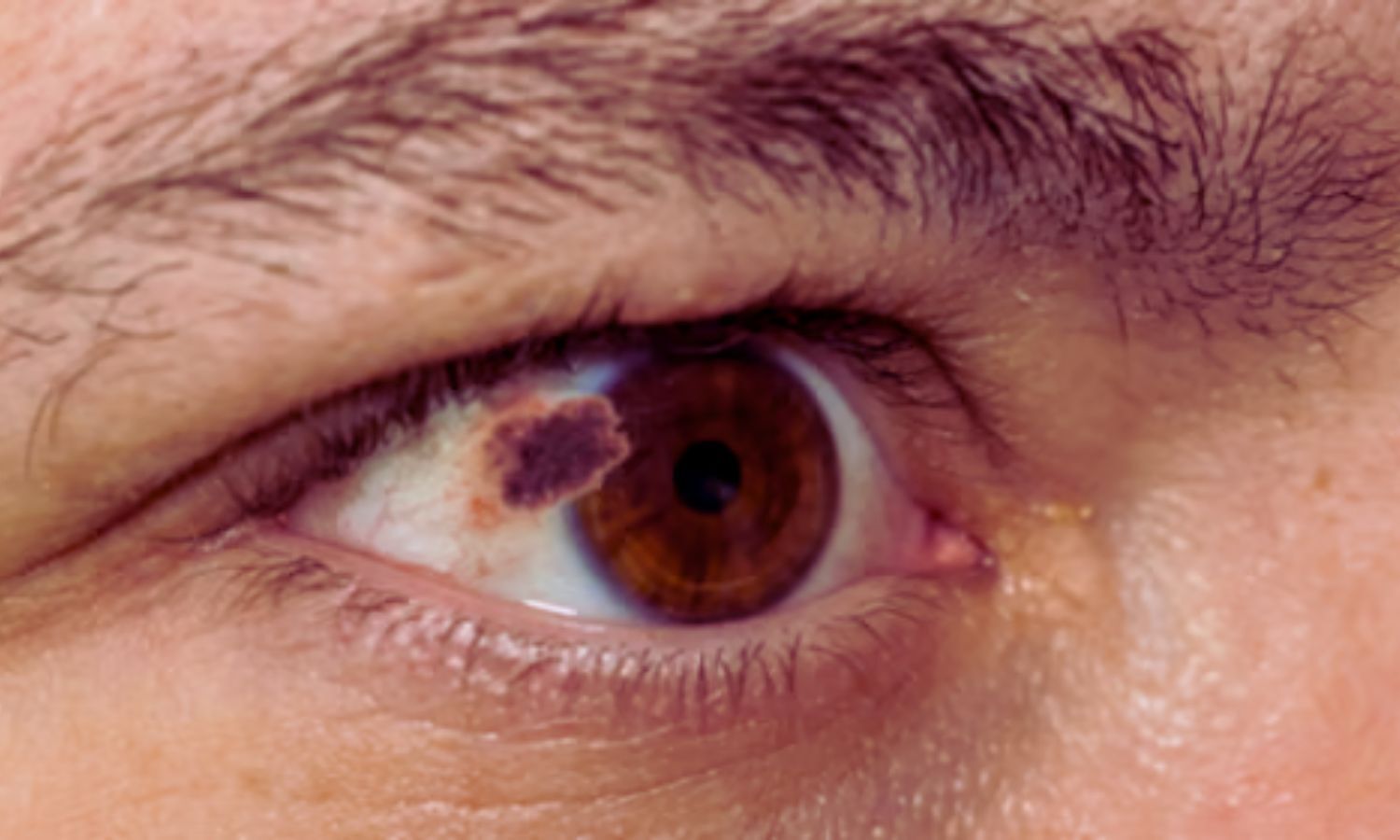
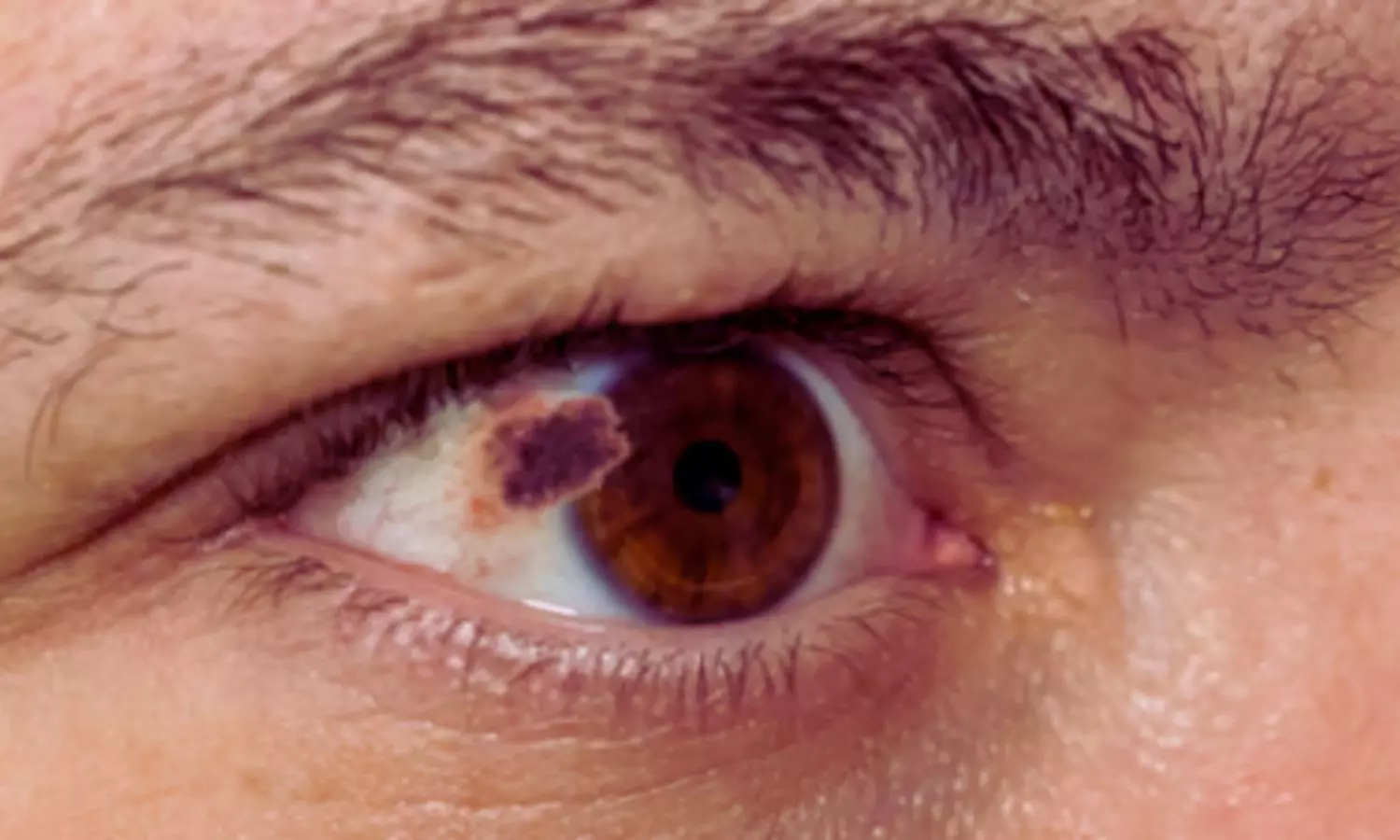
Netherlands: Researchers have found in a new study that adding the dual checkpoint inhibitors ipilimumab and nivolumab to percutaneous hepatic perfusion in metastatic uveal melanoma significantly reduces the risk of disease progression or death. In a randomized trial, 55% of patients receiving the combination therapy were alive and progression-free at one year compared with 16% of those receiving liver-directed therapy alone, although the combined approach was associated with higher but manageable toxicity.
The findings were reported in The Lancet Oncology by Linde van den Hoek from the Department of Medical Oncology at Leiden University Medical Centre, Netherlands, and colleagues.
Metastatic uveal melanoma commonly spreads to the liver, and percutaneous hepatic perfusion can help control tumors within the liver. However, this treatment does not address the disease outside the liver. Meanwhile, immune checkpoint inhibitors such as ipilimumab and nivolumab have shown limited effectiveness in uveal melanoma when used alone. Previous observational studies have suggested that combining immunotherapy with liver-directed treatment might improve outcomes.
To evaluate this approach, the researchers conducted the CHOPIN trial, an investigator-initiated, single-centre, open-label, randomized phase 2 study. Adults aged 18–80 years with unresectable liver-only or liver-dominant metastatic uveal melanoma and good performance status were eligible for inclusion. Participants had not received prior systemic therapy.
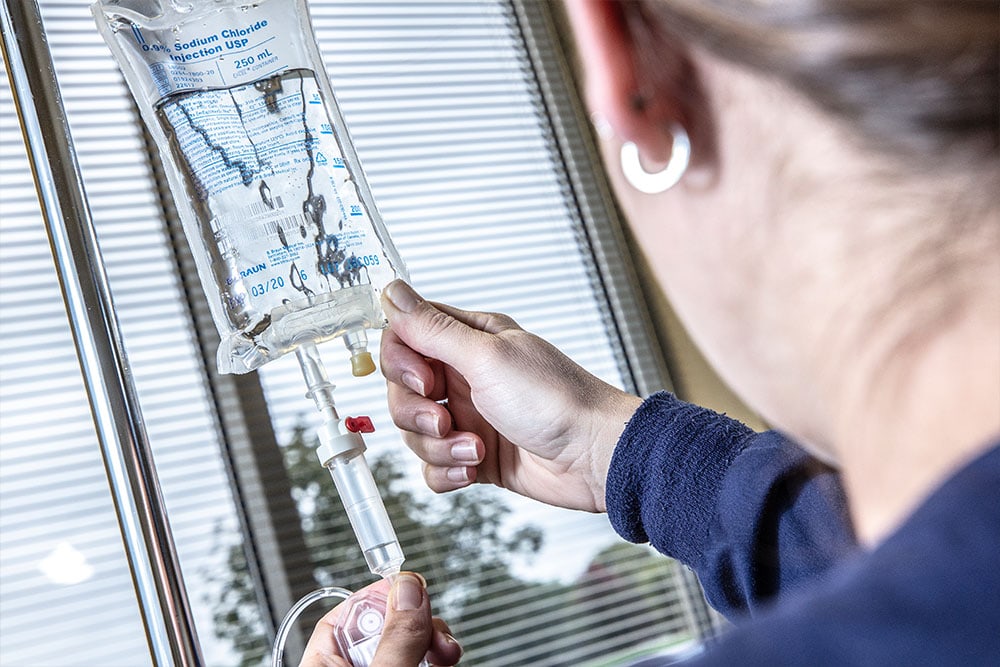
A total of 76 patients were randomly assigned in a 1:1 ratio to receive either percutaneous hepatic perfusion alone or perfusion combined with ipilimumab and nivolumab. In both groups, two liver perfusion procedures using melphalan were scheduled during weeks 1 and 7. Patients in the combination group additionally received intravenous ipilimumab (1 mg/kg) and nivolumab (3 mg/kg) every three weeks during the initial treatment period.
Between December 2020 and November 2024, 80 patients were screened, and 76 were enrolled, including 49 men and 27 women. The median follow-up duration was 24.9 months.
The following were the key findings:
- Combination therapy significantly improved progression-free survival compared with perfusion alone.
- One-year progression-free survival was 54.7% in the combination group versus 15.8% in the perfusion-only group.
- The addition of ipilimumab and nivolumab reduced the risk of disease progression or death by approximately two-thirds.
- Severe (grade 3–4) treatment-related adverse events occurred in 82% of patients receiving the combination therapy compared with 41% in the perfusion-only group.
- The most common severe adverse events included thrombocytopenia, leukopenia, increased gamma-glutamyl transferase levels, and anaemia.
- One treatment-related death occurred in the combination therapy group.
The researchers concluded that adding ipilimumab and nivolumab to percutaneous hepatic perfusion significantly improves progression-free survival in metastatic uveal melanoma. They noted that the strategy could represent a promising treatment approach, although further validation in larger multicentre trials would be beneficial, despite challenges due to the rarity of this cancer.
Reference:
Van den Hoek, L., Burgmans, M., Tong, T., Goeman, J., Speetjens, F., Zunder, S., Van Erkel, A., Van der Meer, R., Van Rijswijk, C., Lutjeboer, J., Koolhaas, D., Jonker-Bos, M., Roozen, I., Kropff, S., Van Meerten, E. V. P., Zoethout, R., Sitsen, E., Helmerhorst, H., Tijl, F., . . . Kapiteijn, E. (2026). Percutaneous hepatic perfusion combined with ipilimumab and nivolumab for metastatic uveal melanoma (CHOPIN): A single-centre, open-label, randomised, phase 2 trial. The Lancet Oncology, 27(3), 372-382. https://doi.org/10.1016/S1470-2045(25)00720-X
Apa Reaksi Anda?
 Suka
0
 Kurang Suka
0
 Setuju
0
 Tidak Setuju
0
 Bagus
0
 Berguna
0
 Hebat
0

Edusehat
Platform Edukasi Online Untuk Komunitas Kesehatan Agar Mendapatkan Informasi Dan Pengetahuan Terbaru Tentang Kesehatan Dari Nasional Maupun Internasional. ||
An online education platform for the health community to obtain the latest information and knowledge about health from both national and international sources.