



























































Building on dental nursing: the rise of the oral health practitioner
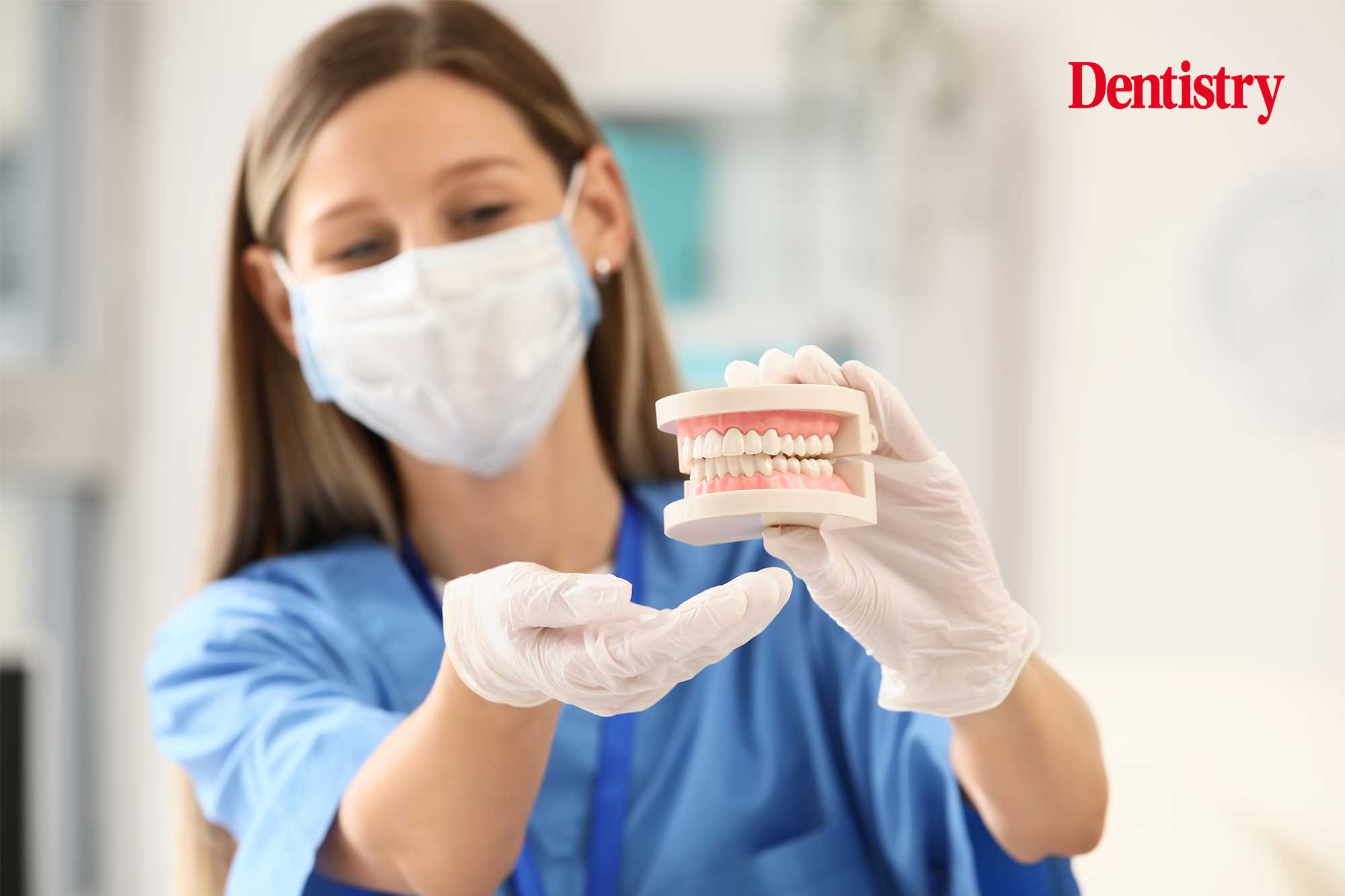
Charlee Cummins explores the role of an oral health practitioner, plus the benefits of employing one in practice and training into the role.
National Dental Nurse Day is a great opportunity to celebrate dental nurses – but it is also a chance to talk about where a career in dental nursing can take you.
I think we can all agree that dental nursing is a respected career in its own right. It is not just cleaning up after the dentist and suctioning! Dental nursing is about thinking several steps ahead, knowing what the dentist needs before they have even asked, having excellent time management, supporting patients and following a huge range of infection prevention and control procedures.
It is also about people. Dental nurses are often an emotional support for patients who are nervous, anxious or simply having a difficult day – sometimes while we are having a difficult day ourselves.
For me personally, progressing from dental nursing into the role of oral health practitioner has not diminished the value I put on dental nurses. Quite the opposite. It has given me the foundations I rely on every day as an oral health practitioner.
A new role for dentistry
The oral health practitioner (OHP) role is still relatively new, which is probably why many dental professionals haven’t heard much about it.
The role was developed as part of a wider focus on developing the dental workforce, improving prevention and creating opportunities for people already working in dentistry to progress their careers. Health Education England’s Advancing Dental Care Review highlighted the OHP apprenticeship as part of a wider ‘skills escalator’ approach to developing the dental workforce.
The Level 4 OHP apprenticeship standard was approved for delivery in March 2019. It created a new role within the dental team, sitting above dental nursing and below dental hygiene, therapy and dentistry, with a strong emphasis on prevention and oral health promotion.
So, although it is a relatively new role, it has been developed with a clear purpose: to make better use of the wider dental workforce while giving existing dental professionals another opportunity to develop their skills.
My journey from nurse to oral health practitioner
I started my dental nursing career in 2020, at the height of COVID, after being made redundant from my previous career in marketing.
At the time, it felt like everything was falling apart. Looking back, it was the biggest blessing in disguise and put me on a career path that I genuinely love.
After qualifying and working as a dental nurse for around five years, I started thinking about what more I could do to progress.
Like many dental nurses, I wasn’t in a position to apply to university to study hygiene or therapy, but I still wanted to develop my clinical skills and do more within my role.
That was when I saw the Level 4 OHP role advertised. I immediately knew it was something I wanted to challenge myself to do.
What is an oral health practitioner?
An OHP’s main focus is prevention, oral health education and tailored support to help patients improve and maintain their oral health. The role can include preventive procedures, oral health education, behaviour-change support and general health screening, as well as working in community settings.
In my own practice, my additional duties include applying fluoride varnish, measuring plaque indices, taking manual and digital impressions, clinical photography and taking blood pressure and blood glucose readings.
But for me, the biggest part of the role is prevention.
The OHP role has so many potential benefits to a dental practice when it is utilised properly.
I am lucky enough to have an amazing principal dentist who genuinely sees the benefit of the role and understands how to utilise my time effectively. This allows us to improve efficiency while still putting patients’ interests first and maintaining continuity of care.
By referring a patient to me for an in-depth, tailored oral health session, I can spend dedicated time looking at their individual risk factors, brushing, diet and behaviour. This can also allow the dentist or hygienist to focus their appointment time on treatment requiring their specific skills.
Sometimes a patient needs more than being told to ‘brush twice a day’. They need someone to understand why they are struggling; identify barriers and work with them to find realistic changes they can maintain.
That is where the OHP can really add value.
Why dental nursing is such a strong foundation
One of the most rewarding parts of my role has been working with paediatric patients.
In my practice, high-caries-risk patients are placed on a three-month recall, alternating between myself and the dentist. I have also launched a Brush Club and Baby Brush Club, giving children and their parents dedicated one-to-one time to talk about brushing, diet and establishing good habits early.
My interest in preventative paediatric dentistry started during my OHP training, when I delivered oral health sessions in local schools, a women’s group and a mother-and-toddler group. These experiences made me realise how important it is to look at oral health from a holistic point of view.
This is the part of the OHP role I am most passionate about sharing.
I want dental nurses to know that there are career progression opportunities available to us.
That doesn’t mean every dental nurse needs to progress into another role. Dental nursing is a highly skilled and rewarding career.
But for those who want to challenge themselves, develop their clinical skills or become more involved in prevention, the OHP pathway is an exciting option.
How to become an oral health practitioner
The qualification is a Level 4 apprenticeship. Entry requires you to already be a GDC-registered dental nurse or another appropriate registered dental care professional. The current standard has a typical duration of 14 months, excluding the assessment period.
I completed my course with Tempdent. It involved monthly workshops, online coursework, four in-person skills labs, clinical logs and final assessments including a multiple-choice examination, professional discussion and observation.
I genuinely loved the course and meeting other dental nurses who were in the same position – loving their role but wanting to expand their knowledge and skills.
Looking towards the future
The reason I am so passionate about spreading the word about the OHP role is because I want dental nurses to know that there are opportunities for us to progress.
For me, becoming an oral health practitioner wasn’t about leaving dental nursing behind, it was about taking the skills and knowledge I had gained over five years and building on them.
I truly believe dental nurses have so much more to offer, particularly at a time when dentistry is facing huge pressures and we continue to see the impact of preventable oral disease, especially childhood tooth decay.
Prevention must be part of the answer, and dental nurses can be part of that answer.
National Dental Nurse Day is a chance to celebrate everything dental nurses already do. But it is also a chance to look forward and recognise that a career in dental nursing can be the beginning of a long and rewarding journey within dentistry.
Create a free account for unlimited access — plus the Dentistry Bulletin delivered to your inbox.
Apa Reaksi Anda?
 Suka
0
 Kurang Suka
0
 Setuju
0
 Tidak Setuju
0
 Bagus
0
 Berguna
0
 Hebat
0