




















































%20and%20Batch%20Production%20Records%20(BPR).png)















Enzymes Involved in Cholesterol Transport May Point to New Cancer Therapies
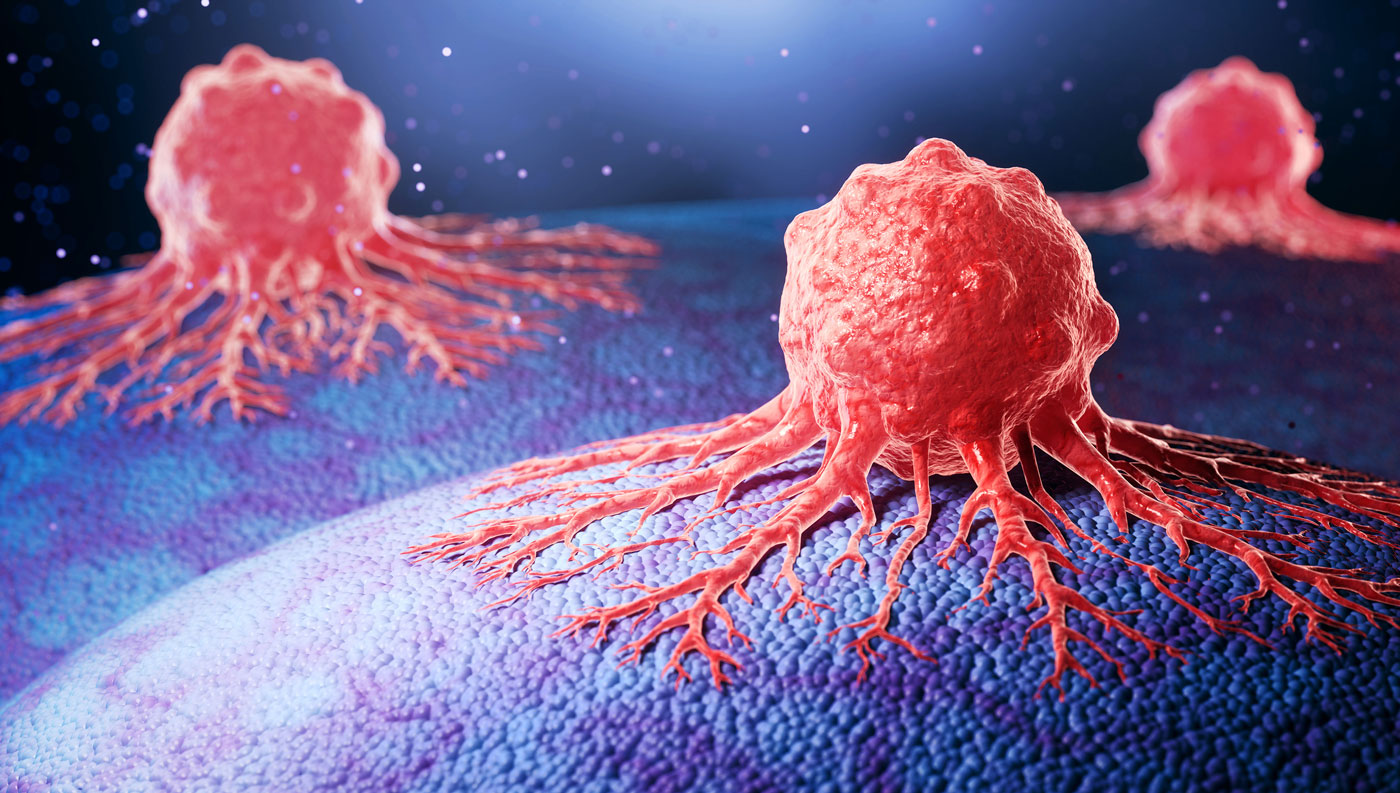
Some types of cancer have a relentless appetite for the metabolite cholesterol, using as much as they can access to accelerate their growth beyond the capabilities of normal cells. Research by scientists at Sanford Burnham Prebys Medical Discovery Institute and collaborators at the University of Illinois Chicago have now unveiled a potential method for turning the table on these tumors by subverting their cholesterol cravings.
The researchers’ studies, in mice and in human cancer cells, revealed new insights into enzymes known as phosphatidylinositol 5-phosphate 4-kinases (PI5P4Ks) that help move cholesterol around cells. The researchers showed that without the help of these enzymes, a cholesterol traffic jam occurs, blocking the cancer cell’s ability to fuel tumor growth.
Headed by Brooke Emerling, PhD, the director of and associate professor in the Cancer Metabolism and Microenvironment Program at the Sanford Burnham Prebys NCI-Designated Cancer Center, the team reported on its findings in Science Advances, in a paper titled “Noncanonical PI(4,5)P2 coordinates lysosome positioning through cholesterol trafficking.”
The TP53 gene is mutated in roughly half of all cancers. Emerling and first author Ryan Loughran, PhD, a postdoctoral associate in the Emerling lab, focus on difficult-to-treat forms of breast cancer, where TP53 mutations are found in more than 84% of triple-negative breast cancers and three of every four HER2-amplified breast cancers.
Cancer cells with a mutation in the tumor-suppressing TP53 gene are known to produce extra cholesterol. This may make them more vulnerable to starvation if scientists can put a stop to the steady supply of the lipid. “We need more ways to treat cancers with this common mutation,” said Emerling. “One of our main goals with this work was to find new treatment possibilities for the large subset of breast cancers harboring TP53 mutations,” said Loughran. “We recognized a real opportunity in targeting the enzymes that control cholesterol transport, especially since cancer cells depend on this process far more than normal cells do.”
To better understand how to turn these cancers’ cholesterol consumption into a weakness, the research team turned to a family of cell membrane lipids known as phosphoinositides and the kinase enzymes that regulate them. The investigators had shown that a branch of the lipid enzyme family known as PI5P4Ks were required for the growth of cancers with TP53 mutations in mice, and they suspected that this tumor prevention was due to the enzymes’ role relocating cholesterol in the cell. “Our group has shown that suppression of the most catalytically active PI5P4K isoforms (α and β) in TP53-deficient cancer cells inhibits proliferation, and the deletion of these enzymes in Trp53-knockout mice confers protection from tumorigenesis,” the investigators wrote.
“Normally, when mice lose TP53 as the guardian of their genomes, they are fated to die from cancer in four-to-eight months,” said Emerling. “When you delete these kinases, the animals are 100% protected and never develop a tumor—and cholesterol turned out to be one of the missing pieces in this puzzle.”
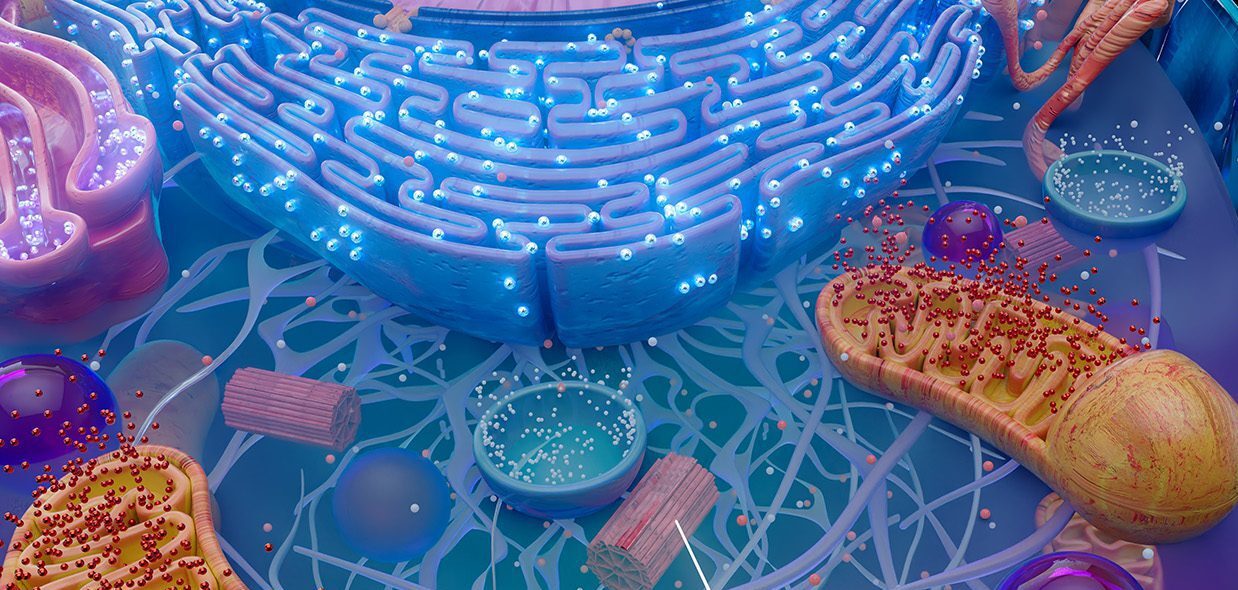
The scientists conducted experiments in mouse and human cancer cells showing that PI5P4Ks influenced the movement and behavior of organelles that carry cholesterol around our cells. In cancer cells with TP53 mutations and PI5P4Ks, cholesterol-laden lysosomes were found near the exterior cell membrane. Without PI5P4Ks, lysosomes remained in the interior of the cells, near the nucleus.
Location is critical for lysosomes transporting cholesterol. While positioned near the edge of the cell, lysosomes and their cargo are in proximity with many receptor proteins, enzymes and signaling molecules that exist around the cell membrane. This includes mechanistic target of rapamycin complex 1 (mTORC1), an enzyme that governs cell growth and runs amok in cancer. “When lysosome positioning is biased towards the cell nucleus, mTORC1 activation is suppressed,” said Loughran. “This connects directly to our previous work, where we found that the loss of these kinases triggers starvation-like states in cancer cells. “When PI5P4Ks are absent, the link between lysosomal cholesterol and mTORC1 is compromised, a bit like two ships passing in the night.”
The change in lysosome position towards the cell’s interior that occurs without PI5P4Ks reduced interaction with mTORC1 and prevented it from sending signals associated with tumor growth. “The mTOR activation pathway is really what drives tumorigenesis, and so mTOR is an important target for cancer drug development,” said Emerling. “If we can target mTOR activity in aggressive cancers by blocking the sensing of cholesterol, that would be a promising treatment strategy.”
In their report the authors noted in summary, “The dependence of p53-deficient tumor cells on PI5P4Ks has been previously attributed to their roles as critical modulators of cellular stress responses, including protection from oxidative stress, maintenance of mitochondrial health, and regulation of autophagy. We now identify a previously undescribed role for PI5P4Ks in maintaining lysosomal cholesterol homeostasis and mTORC1 signaling.”
Previous research has looked at the use of statins as cancer drugs due to their ubiquity and safety as treatments for patients with high cholesterol. While more research is needed, studies so far suggest that tumors eventually acquire resistance to statins. “While cholesterol synthesis inhibitors such as statins have shown initial success, their efficacy is often compromised by the development of acquire resistance,” the team noted in the paper. “Consequently, strategies are being explored to disrupt cholesterol homeostasis more comprehensively by inhibiting its synthesis and intracellular transport.”
Loughran added, “It is important for us to find other ways to more comprehensively cut cancer cells off from cholesterol to impede their growth.” Emerling further stated, “We’ll continue to explore blocking PI5P4Ks as a more targeted approach tailored to how tumors operate.”
The post Enzymes Involved in Cholesterol Transport May Point to New Cancer Therapies appeared first on GEN - Genetic Engineering and Biotechnology News.
Apa Reaksi Anda?
 Suka
0
Suka
0
 Kurang Suka
0
Kurang Suka
0
 Setuju
0
Setuju
0
 Tidak Setuju
0
Tidak Setuju
0
 Bagus
0
Bagus
0
 Berguna
0
Berguna
0
 Hebat
0
Hebat
0