





































%20and%20Batch%20Production%20Records%20(BPR).png)
















From tea-maker to dental therapist: why I built the diploma I wish had existed
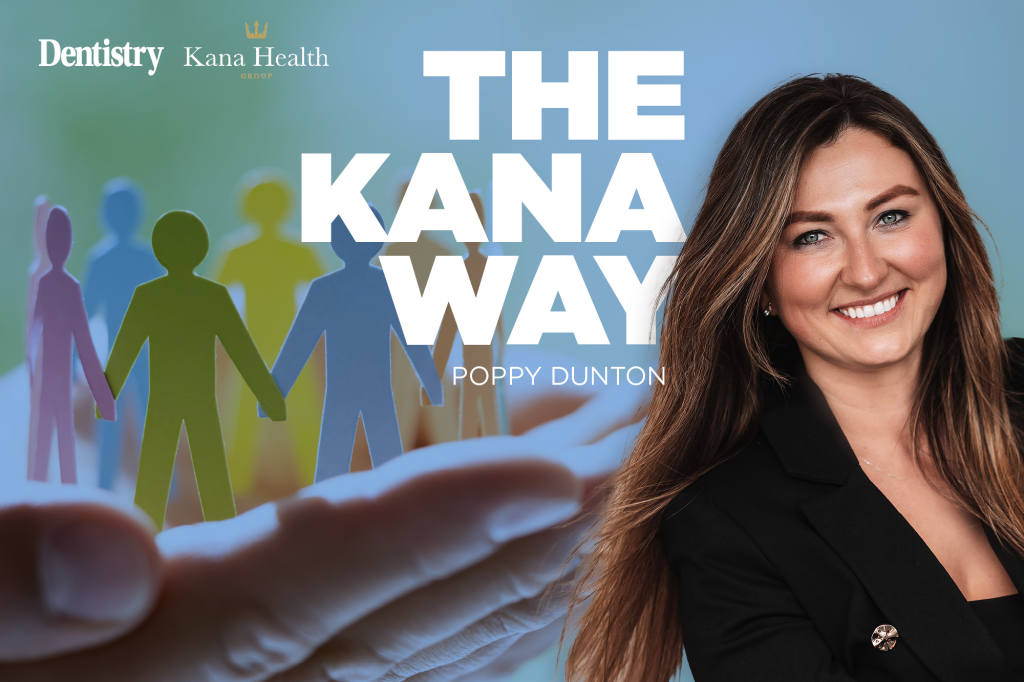
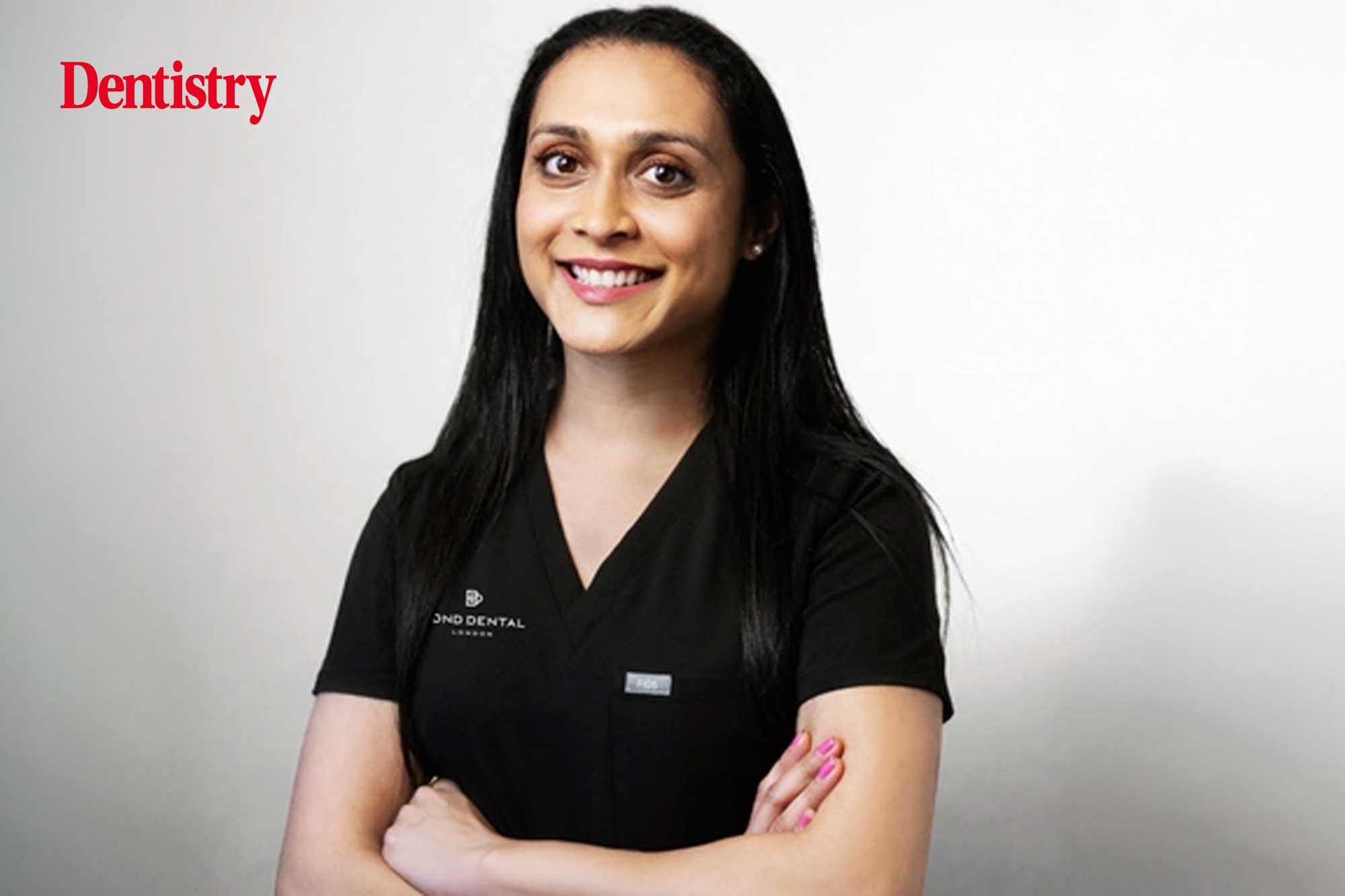
After starting her career in dentistry making tea at 15, Poppy Dunton has gone on to create a Level 7 postgraduate diploma designed to help dental hygienists and therapists build confidence, develop their careers and understand the business side of dentistry.
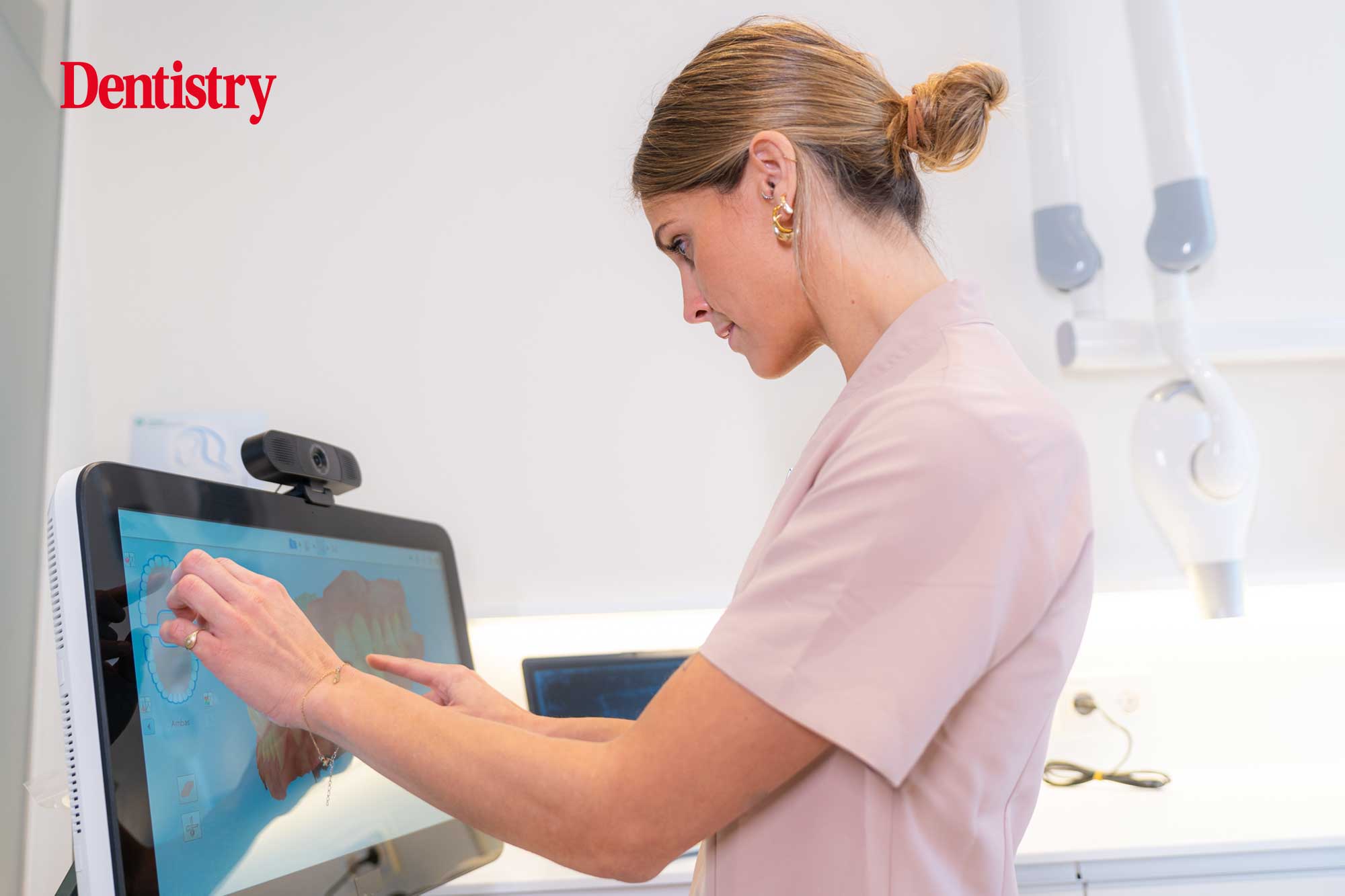
I started in dentistry making tea. I was 15, helping in a dental practice, answering phones, cleaning, making drinks and doing whatever needed doing. Back then, I had no idea that dentistry would become my whole career, or that nearly 20 years later I would be running a Level 7 postgraduate diploma for dental hygienists and therapists.
My career has taken me through reception, dental nursing, hygiene and therapy, practice management, operations, education, consultancy and business. None of it was especially mapped out. I just kept reaching points where I knew I wanted to understand more, work differently or see what else was possible.
That experience was a huge part of why I created the Advanced Diploma in Dental Health and Business Strategy.
Over the years I kept having the same conversations with hygienists and therapists who were clinically capable, experienced and hardworking, but still felt unsure about what came next. They did not necessarily want to leave dentistry and they were not always looking for another clinical course. Quite often the gap was confidence, boundaries, business understanding or simply knowing how to turn an idea into something real. That is what I wanted the diploma to address…
What are the advantages of a Level 7 diploma?
The programme is Level 7, worth 150 credits and delivered as a hybrid programme across the year, combining face-to-face teaching, live webinars, monthly coaching and implementation calls, and self-directed online learning. It was designed by a dental therapist, is run by therapists and is taught by therapists alongside carefully selected experts in the areas we cover. It is also, to my knowledge, the only programme of its kind bringing advanced dental health and business strategy together in this way.
Year one has now been completed, and that has probably been the most rewarding part of the whole process because I have seen what people actually do with the learning once they take it back into their own careers.
One delegate negotiated an increase of around £30 an hour. Others have changed working arrangements, gained more autonomy, introduced new workflows, developed services and started businesses or roles they would never have considered possible at the beginning of the programme.
Some of the biggest changes, though, have been much more personal. People have found the confidence to set boundaries around the way they work, to stop accepting things simply because ‘that is how it has always been done’, and to have conversations they had been putting off for years.
One of the concepts we talk about a lot is being a brand within a brand. Most hygienists and therapists work within somebody else’s dental practice, but that does not mean they do not have their own professional identity. Patients experience you, remember how you communicate, come back to see you and recommend you. Your team knows what you are known for, what you care about and what you bring to the practice.
That is your brand.
Building a brand within a brand
The point is not that everybody needs a logo, an Instagram page or a side business. It is about understanding your value, your reputation and what you want to be known for within the profession.
We also spend a lot of time on the business side because I still think clinicians are often kept too far away from it. We are healthcare professionals, but we work inside businesses. A surgery costs money to run. A nurse, materials, equipment and time all have a cost. Empty appointments have a cost. Poorly structured diaries have a cost.
Understanding those numbers changes the conversation. Instead of simply asking for more money or longer appointments, you can understand what you generate, what your room needs to produce and how a different service or workflow might benefit both the patient and the practice.
The curriculum reflects that wider view. Alongside advanced periodontal care and clinical integration, we look at professional identity, resilience and boundaries, leadership, service innovation, patient experience, branding, financial fluency, whole-health dentistry, restorative treatment planning, implant maintenance and multidisciplinary care. There are also areas such as hormones, breathing, systemic health and the wider changes affecting modern dentistry, because I wanted the programme to look forward rather than just repeat what has always been taught.
The academic side still matters. This is a proper postgraduate qualification, with case studies, reflective work, portfolio development, oral presentation and viva assessment, but I wanted that assessment to feel relevant to real life rather than separate from it.
That has been one of the biggest lessons from year one. The delegates have not just learned more. They have used it. They have changed the way they work, started conversations, created opportunities and become clearer about what they actually want from their careers.
Sign up for the Level 7 diploma now
The second cohort starts on 24 October 2026, and the purpose remains the same: to give hygienists and therapists the clinical, business and professional tools to build a career that works for them rather than simply following the route they were first shown when they qualified.
For some, that will mean earning more. For others it will mean working differently, stepping into leadership, building a business, creating a service or simply becoming much clearer about what they will and will not accept.
I started in dentistry making tea. While I definitely did not know where any of this would lead, I think that is partly the point. Sometimes you do not need the whole career mapped out. You just need to realise there is more than one route available.
More information is available here.
This article is sponsored by Kana Health.
Apa Reaksi Anda?
 Suka
0
Suka
0
 Kurang Suka
0
Kurang Suka
0
 Setuju
0
Setuju
0
 Tidak Setuju
0
Tidak Setuju
0
 Bagus
0
Bagus
0
 Berguna
0
Berguna
0
 Hebat
0
Hebat
0