





















































%20and%20Batch%20Production%20Records%20(BPR).png)












Hepatitis C Treatment Improves Kidney Function and Reduces Renal Damage, suggests study

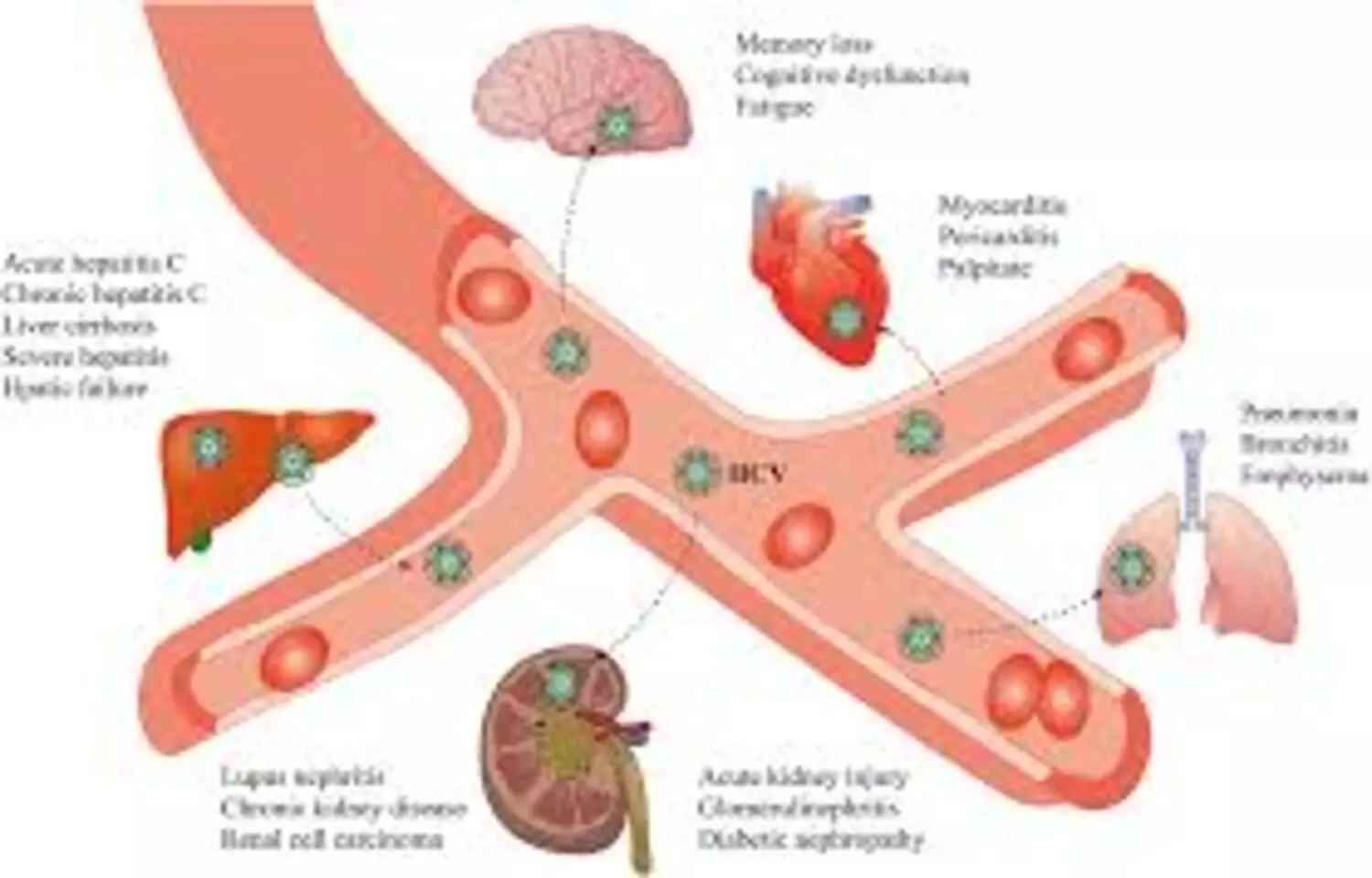
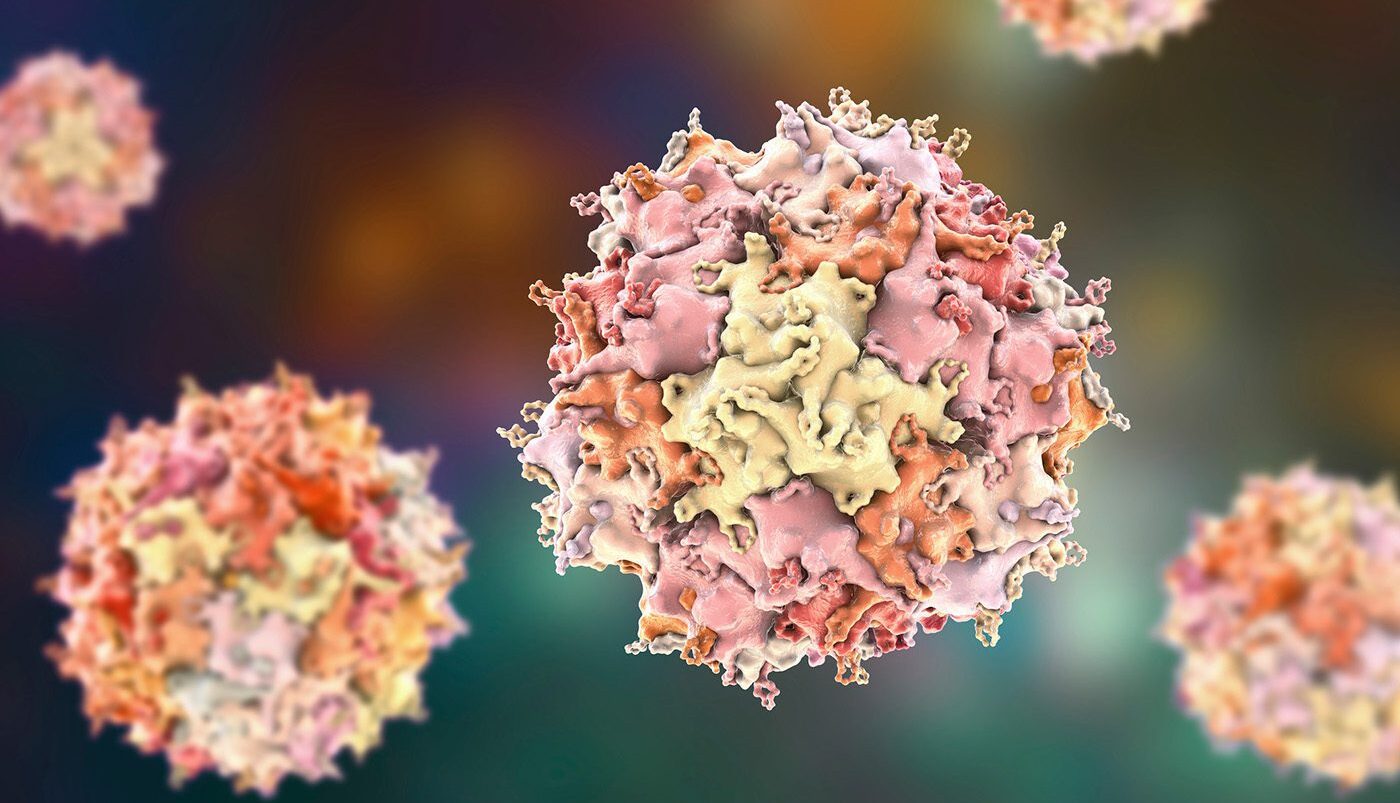
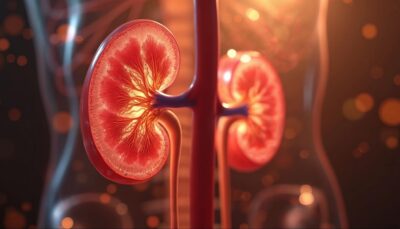
Researchers have discovered in a new study that successful eradication of hepatitis C enhances kidney function, as indicated by improved serum cystatin C levels, and reduces tubular proteinuria and hematuria, even in patients with mild pre-existing kidney involvement.
Hepatitis C virus (HCV)–associated kidney injury can affect both the glomeruli and the renal interstitium. The aim of this single-center, prospective real-world study involving HCV patients was to assess longitudinal changes in liver and kidney parameters during HCV treatment and to examine how renal function and urine findings evolved in those with kidney manifestations prior to therapy. In total, 217 patients treated for HCV-infection were enrolled for the study. Renal abnormalities were defined as either s-creatinine above the normal limit (male > 100 µmol/l, female > 90 µmol/l), or estimated glomerular filtration rate (eGFR) below < 60 ml/min/ 1.73 m2, or number of urine red blood cells above the normal (U–erythrocytes ≥ 20 × 10(E6)/l), or tubular proteinuria above the normal (U–α 1-microglobulin, UA1M, ≥ 12 mg/l), or glomerular proteinuria above the normal (U–albumin/creatinine ratio, UACR, in men ≥ 2.5 mg/mmol, in women ≥ 3.5 mg/mmol) levels in a spot urine test.
Forty patients (20%) had pretreatment kidney manifestations. Sustained virological response at 12 weeks (SVR12) was achieved in 93%, with no difference observed between patients with or without pretreatment kidney manifestations. All liver function tests improved significantly at 12 weeks. Across the study period, serum cystatin C showed a marked improvement (p = 0.0128), while the other filtration markers did not change significantly from pretreatment levels to one year. The tubular proteinuria marker UA1M decreased significantly from pretreatment to SVR12 and further to the one-year follow-up (p < 0.0001 and 0.0046, respectively). Hematuria also declined markedly from pretreatment to SVR12 (p < 0.0001). In contrast, no significant change was observed in the glomerular proteinuria marker, UACR.
Successful hepatitis C eradication therapy improves kidney function assessed by serum cystatin C and reduces tubular proteinuria as well as hematuria even in patients with low grade pretreatment kidney manifestations.
Reference:
Kaartinen, K., Vuoti, S., Honkanen, E. et al. Impact of hepatitis C therapy on urinary outcomes and renal function: a prospective real-world cohort study of early kidney changes. BMC Nephrol (2026). https://doi.org/10.1186/s12882-026-04893-2
Keywords:
Hepatitis C, Treatment, Improves, Kidney, Function, Reduces, Renal, Damage, Kaartinen, K., Vuoti, S., Honkanen, E, Hepatitis C, Tubular proteinuria, Hematuria, Cystatin C
Apa Reaksi Anda?
 Suka
0
Suka
0
 Kurang Suka
0
Kurang Suka
0
 Setuju
0
Setuju
0
 Tidak Setuju
0
Tidak Setuju
0
 Bagus
0
Bagus
0
 Berguna
0
Berguna
0
 Hebat
0
Hebat
0