









































%20and%20Batch%20Production%20Records%20(BPR).png)












Human iPSC-Derived Heart Assembloids Reproduce Valve Development and Disease

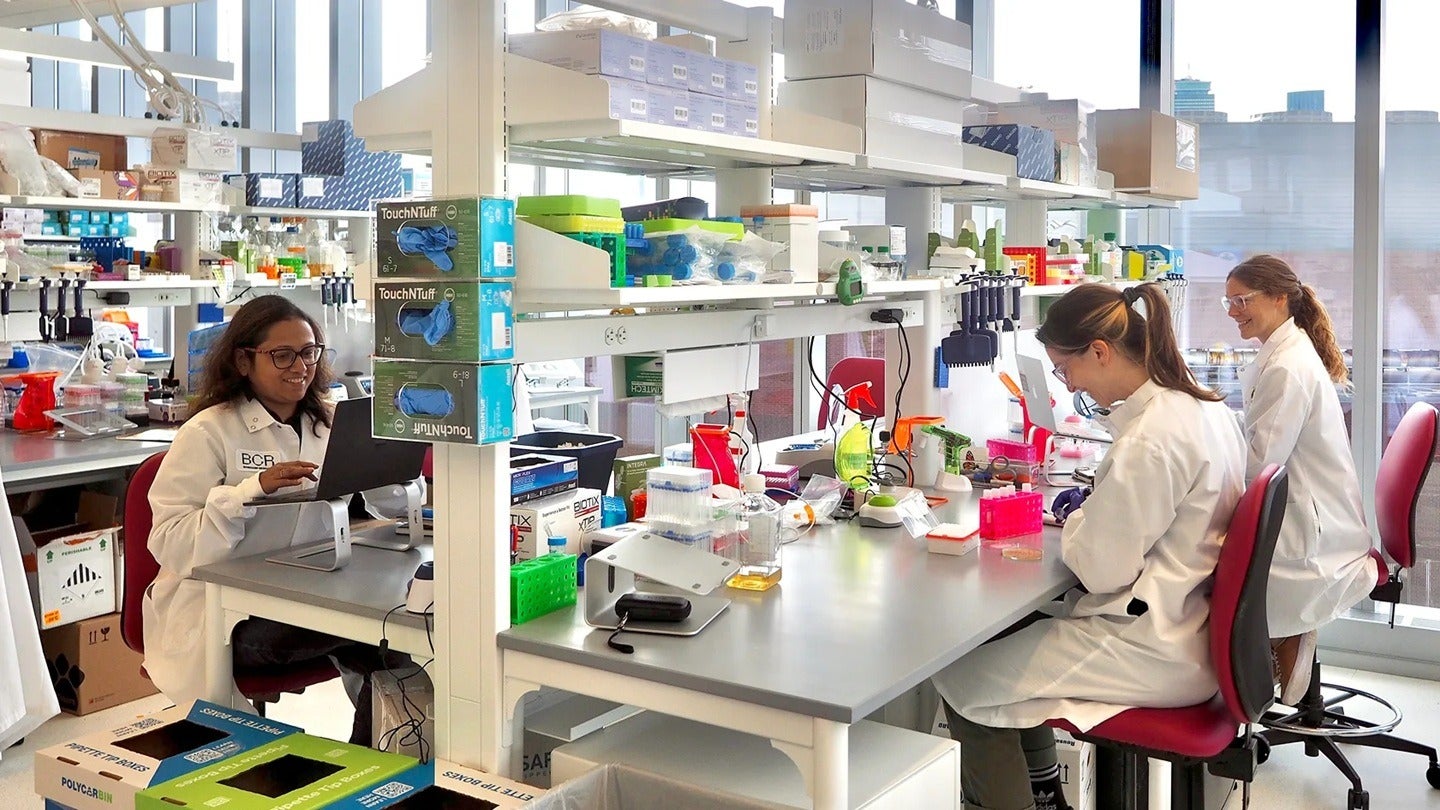
A multi-disciplinary, multi-institutional group of researchers said they relied on their expertise in genetics, mechanics, chemistry, and biology to create a chip the size of a postage stamp to model a particular class of heart conditions.
The team, led by Guang Li, PhD, an associate professor in the University of Pittsburgh School of Medicine’s department of cell biology, has grown heart valves on organoids. The study “Human iPSC-derived heart valve-like assembloids model valve development and disease pathology” appears in Cell Stem Cell and is an important step toward better understanding and treating a number of serious heart disorders, according to the scientists.
This kind of research often depends on animal models, where researchers can study the development of heart valves that grow much quicker than those of humans (which take nearly 10 weeks to fully develop), and don’t raise the same ethical dilemmas as it would in humans. But, Li said, “human valves are very different from animal valves.” Imagine the physiological and genetic differences between a person and, for instance, a zebrafish. “To study human valve diseases, we need human valve models.”
The organoids were grown from pluripotent, adult human stem cells, which can be generated from skin, blood, or other cells, then coaxed into developing into cells from a body part of interest; in this case, a human heart. Different types of organoids can be combined into “assembloids” to better model complex organs that natively originate from combinations of different tissues.
However, a functioning heart is more than a cluster of certain types of cells. Its development and continued operation are dependent, among other things, on a complex interaction of different forces. To build analogs of those forces into the model, Li sought the engineering expertise of colleagues, including Lance Davidson, PhD, the William Kepler Whiteford Professor of bioengineering in the Swanson School of Engineering and Si-Yang Zhen, PhD, a professor of biomedical engineering at Carnegie Mellon University.
“This kind of project is really a hallmark of the community of researchers in Pittsburgh,” Davidson said.
Valve grown on heart assembloid surface
To create a model, Li grew a valve on the surface of a heart assembloid. Then the team stimulated growth by designing ways to mimic the forces that would act on an embodied heart, a flowing medium to simulate blood, an endothelial culture which simulates cells that line heart valves, and even a set of magnetized beads that moved according to the placement of a magnetic belt to simulate muscle contraction.
With the organoid working to simulate a heart with valves, the team now had a model they could use to study four types of valve disorders, including mitral valve prolapse (MVP), a genetic disorder affecting seven to eight million individuals in the US at any given time.
When Li introduced a mutation associated with the disease, the developing valves showed signs of MVP. In other cases, damage was simulated or introduced to mirror the damage that can occur to a person’s valves throughout life in conditions such as valve calcification; cryo-injury; and complications from hypoglycemia and diabetes.
Li was able to begin studying the organoids, identifying some pathways responsible for the development problems associated with MVP and ways they can be corrected. He was also able to develop models for the acquired deficiencies and will go on to look for ways to treat them.
Next, however, Li plans to add complexity to his assembloids, growing them with two chambers and growing the valves inside them, instead of on the surface, to better model a real human heart.
The post Human iPSC-Derived Heart Assembloids Reproduce Valve Development and Disease appeared first on GEN - Genetic Engineering and Biotechnology News.
Apa Reaksi Anda?
 Suka
0
Suka
0
 Kurang Suka
0
Kurang Suka
0
 Setuju
0
Setuju
0
 Tidak Setuju
0
Tidak Setuju
0
 Bagus
0
Bagus
0
 Berguna
0
Berguna
0
 Hebat
0
Hebat
0