





















































%20and%20Batch%20Production%20Records%20(BPR).png)













The Hidden Cost of Value Engineering MEP
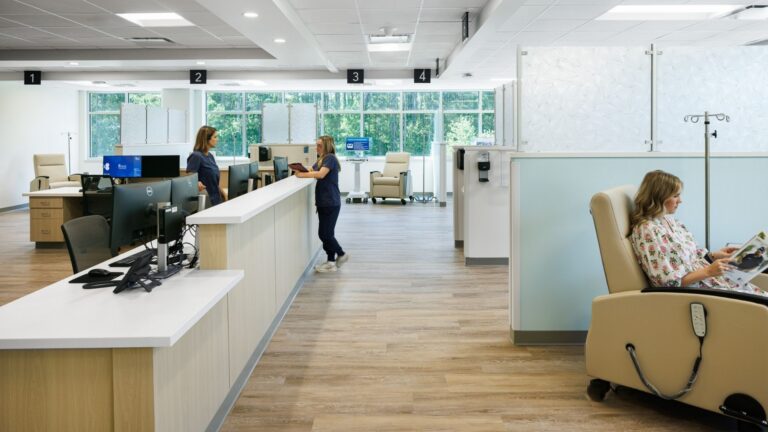
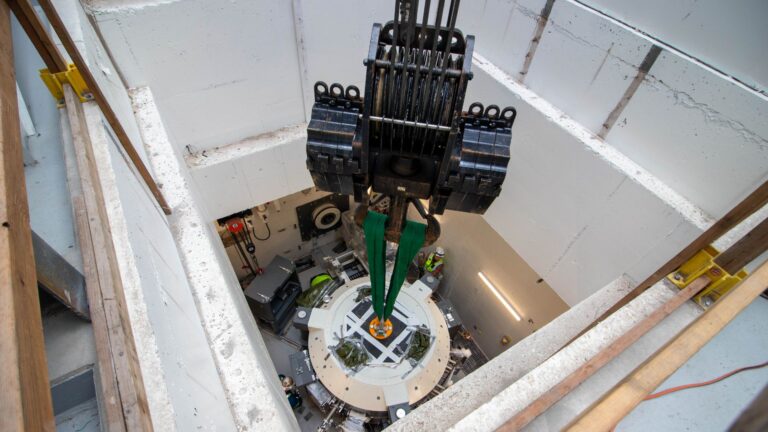
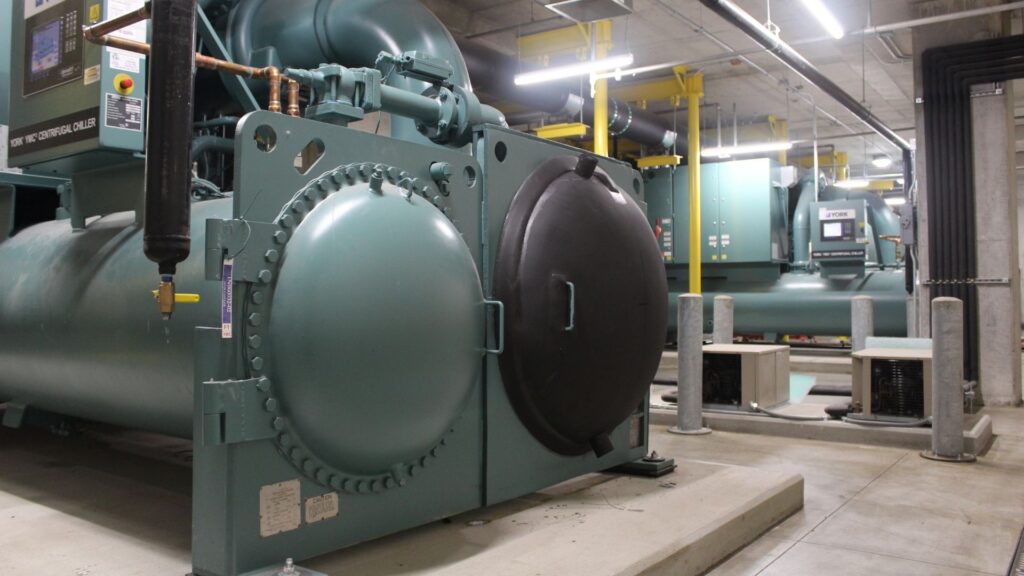
Health systems that maintain visibility into the age, condition and expected replacement cycle of major equipment are often better positioned to align infrastructure investments with future renovations and capital planning efforts. | Photo Credit (all): Courtesy of HEAPY
By Eric Laudick, Principal and Healthcare Practice Director at HEAPY
A healthcare project team is finalizing the renovation budget. The clinical spaces are taking shape, finishes are being selected and construction costs are rising. Somewhere in that process, the team begins discussing what can be reduced or deferred to bring the project back within budget.
Rarely does anyone suggest eliminating patient rooms or reducing a critical service line. More often, attention turns to the systems patients rarely see: mechanical, electrical and plumbing (MEP) infrastructure. At the time, those decisions can seem relatively minor. Years later, they often determine how well a facility performs, how easily it adapts and how much it costs to maintain.
When healthcare project budgets tighten, MEP systems frequently become part of the value engineering discussion. The reason is understandable. Much of a building’s infrastructure sits above ceilings, behind walls or in mechanical rooms, making it difficult to see and, sometimes, difficult to prioritize.
Visible project elements often receive the most attention because their impact is immediate. Infrastructure systems deliver much of their value over time through reliability, flexibility, comfort and operational performance. As a result, decisions affecting MEP systems can carry implications that may not become apparent until years after a project is occupied.
Small Decisions with Long-Term Consequences
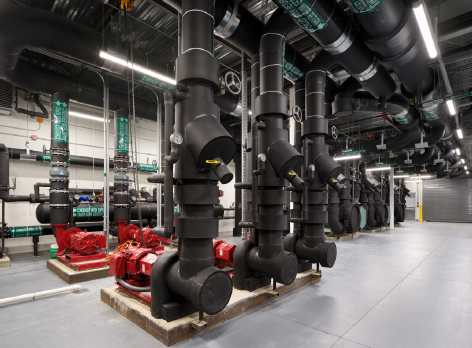
Value engineering MEP systems rarely involves a single major decision. More often, it consists of a series of smaller choices made throughout planning and design. Future capacity may be reduced, redundancy may be scaled back, equipment replacement may be deferred, or systems may be designed to meet current needs with limited allowance for future growth.
None of these decisions are inherently wrong. Every healthcare organization must balance competing priorities, financial constraints and operational demands. The challenge is understanding the long-term implications of those trade-offs before they become difficult or expensive to revisit.
Consider thermal comfort. A patient’s perception of a healthcare environment is influenced by factors such as temperature, humidity and overall indoor air quality. Staff performance can also be affected when environmental conditions fluctuate outside desired ranges. Mechanical systems play a significant role in maintaining these conditions, which means infrastructure decisions can directly influence both patient and staff experiences long after construction is complete.
Healthcare facilities also operate in an environment of continual change. Clinical technologies evolve, patient volumes shift, care delivery models adapt and service lines expand or contract. Infrastructure systems that can accommodate change often give organizations greater flexibility as operational needs evolve.
At the planning table, these conversations often take the form of a good-better-best evaluation.
A “good” solution may satisfy code requirements. A “better” solution may improve operational performance or future flexibility. A “best” solution reflects what the design team believes will provide the greatest long-term value over the life of the facility.
Most projects ultimately land somewhere between those options. The important point is that these decisions are easier to evaluate during planning than after budgets, schedules and scopes have been finalized.
Why Deferring MEP Becomes More Expensive Over Time
Once MEP infrastructure is installed and enclosed, modifications become significantly more complex. Accessing systems often requires opening finished walls, removing ceilings, disrupting adjacent spaces and coordinating work around active healthcare operations.
As a result, decisions that appear relatively small during design can become much larger operational and financial challenges later.
HEAPY is frequently involved in projects where aging infrastructure reaches the end of its useful life at the same time a renovation, expansion or modernization effort is being planned. In these situations, replacement needs not originally part of the project scope can affect cost, schedule and project execution in meaningful ways.
Energy efficiency can present a similar challenge. Investment decisions are often evaluated against relatively short payback periods, while the equipment itself may operate for decades. When only initial cost is considered, the long-term impacts of maintenance, energy consumption, reliability and eventual replacement may be undervalued.
The goal is not to eliminate value engineering. It is to ensure that decisions are made with a clear understanding of their full lifecycle impact.
The Value of Early MEP Involvement
Early engagement lets owners and project teams evaluate options before critical project decisions are locked in.
Before the pro forma, budget and scope are finalized, engineers can help identify where code-minimum solutions are appropriate, where additional investment may create significant operational value and which decisions are likely to be especially costly to reverse in the future.
This perspective is particularly important in healthcare, where infrastructure represents a substantial portion of overall project cost and plays a critical role in supporting patient care, facility operations and future adaptability.
In many projects, engineering teams are engaged after major programmatic and budget decisions have already been established. By that point, opportunities to align infrastructure investments with long-term operational objectives may be more limited.
One way organizations address this challenge is through long-term asset planning. Health systems that maintain visibility into the age, condition and expected replacement cycle of major equipment are often better positioned to align infrastructure investments with future renovations and capital planning efforts. Instead of reacting to aging systems during construction, replacement can become part of a broader strategic plan.
Looking Beyond First Cost
MEP systems may be largely invisible to building occupants, but their impact is not.
Patients experience it through comfort and environmental conditions. Staff experience it through reliability and operational consistency. Facility teams experience it through maintenance requirements, equipment performance and the ability to respond to changing needs.
The most successful healthcare facilities are not necessarily those that spent the most money on infrastructure. They are the facilities that made deliberate decisions with a clear understanding of both immediate project goals and long-term operational needs.
Value engineering will always be part of healthcare construction. The question is not whether trade-offs will be made, but whether decision-makers fully understand the long-term consequences of those trade-offs. Through this lens, MEP infrastructure becomes more than a construction expense. It becomes an investment in operational resilience, future adaptability and the long-term performance of the organization.
Eric Laudick is Healthcare Practice Director and Principal for HEAPY. For more information, visit heapy.com.
The post The Hidden Cost of Value Engineering MEP appeared first on HCO News.
The post The Hidden Cost of Value Engineering MEP appeared first on HCO News.
Apa Reaksi Anda?
 Suka
0
Suka
0
 Kurang Suka
0
Kurang Suka
0
 Setuju
0
Setuju
0
 Tidak Setuju
0
Tidak Setuju
0
 Bagus
0
Bagus
0
 Berguna
0
Berguna
0
 Hebat
0
Hebat
0