



























































Matching life saving transplants inside UHN’s Transplant Immunology Lab

HN Summary
• UHN’s Transplant Immunology Lab plays a critical role in matching donor organs and stem cells, ensuring safe and successful transplants.
• Using advanced HLA testing and antibody screening, the team helps prevent organ rejection and improve long-term transplant outcomes.
• Their work extends beyond surgery, providing ongoing monitoring and support for transplant patients for life.
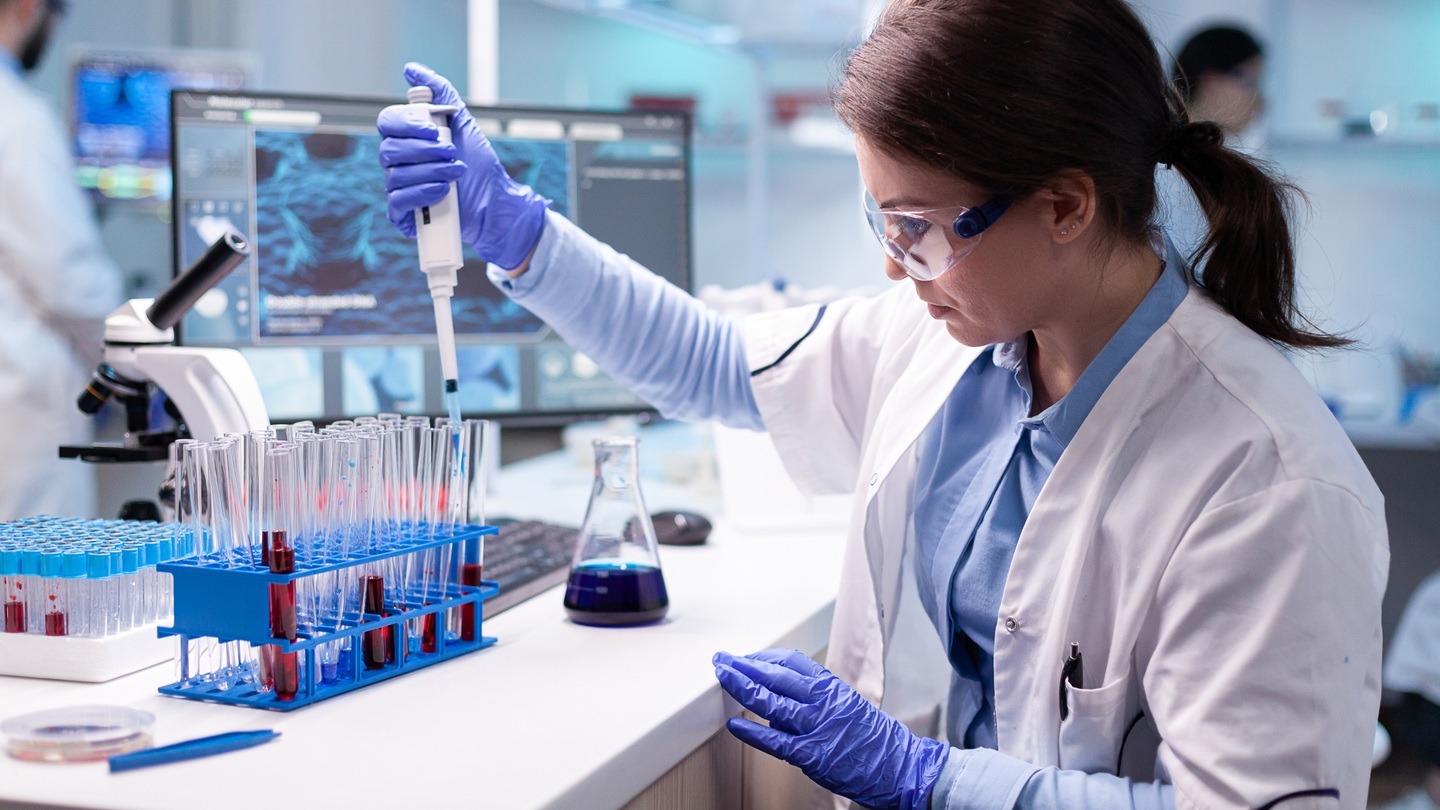
In a lab most people will never see, a team of specialists is quietly matching donor organs and stem cells to patients in need of transplants.
The work is fast — often happening overnight — meticulous and often out of sight to the patients whose lives depend on it.
As part of UHN’s Laboratory Medicine Program, the Transplant Immunology Lab — formally known as the Histocompatibility and Immunogenetics Laboratory (HLA Lab) — combines science, precision and care to ensure every organ and stem cell transplant at UHN is safe before a surgery moves forward.
Without the lab’s immunological testing and Human Leukocyte Antigens matching, a transplanted organ or stem cell risks rejection by the recipient’s immune system, causing severe and even life-threatening complications.
“We find the best donor for our patient population so that they’ll have the longest, most successful transplant possible,” says Dr. Jeffrey Kiernan, Director of the Transplant Immunology Lab.
“Each year, our team supports over 900 solid organ transplants and over 200 stem cell transplants, from kidneys and lungs to cutting-edge procedures like stem cell transplants.”
The work underpins the life-saving procedures at UHN’s Ajmera Transplant Centre, Canada’s largest and most comprehensive transplant program recognized for its world-class care.
A look inside the lab where matches are made
Together, the Lab’s team of directors, lab technologists, medical lab assistants and administrative staff use highly specialized laboratory processes and tools to determine whether a donor organ can be safely accepted by a patient.
At the core of the lab’s work is the analysis of Human Leukocyte Antigens — tiny protein “ID tags” on the surface of cells that help your immune system know the difference between what belongs in your body and what does not.
The lab process begins by testing DNA samples to determine the HLA tags of both the donor and patient.
“In transplant medicine, these immune markers are everything. The better the HLA match, the higher the chance of a successful transplant,” says Dr. Kiernan.
The HLA matchmaking process for solid organ transplants works a slightly different way. Through a combination of molecular testing and HLA typing, antibody screening and cross-matching, the team not only determines whether a donor and recipient are compatible, but also whether a recipient has antibodies that would attack a specific donor organ.
“With solid organ transplants, we’re not looking for a perfect match in the sense that they’re identical,” says Michael Naglich, Supervisor, and former Senior Laboratory Technologist in the lab.

“We’re looking for recipients that do not have opposing antibodies. We’re also checking HLA markers to look for a donor that doesn’t trigger a harmful immune response when matched with the patient’s HLA markers. That’s what makes a transplant safe.”
Once the testing is complete, the results are shared with Trillium Gift of Life Network — the provincial agency that coordinates organ and tissue donation and matching — before being shared with transplant surgeons and teams at UHN.
Beyond UHN’s walls, the lab provides testing and supports transplant teams at St. Michael’s Hospital and The Hospital for Sick Children. From there, co-ordination between the teams at each hospital moves quickly to prepare for transplant surgery.
“We have very thorough quality controls and rigorous standards,” says Naglich. “What I value most is the close collaboration we have with the teams we deal with. Unlike many labs where you rarely interact directly with the clinical side outside of the lab, here we have that direct interaction with transplant physicians and coordinators across the city.”
The team also supports other Transplant Immunology Labs across the province by providing expertise and access to specialized testing tools and guidance that smaller health centres may not have.
Continuing care beyond the transplant
A patient’s immunology testing doesn’t end after the surgery. The lab continues to test and monitor patients for years after their transplant to continue tracking immune responses and watching for signs of rejection.
“Even after a transplant is completed, there’s still a risk that the patient may develop antibodies and begin to reject the organ over time. Our job is to stay ahead of that so we continue regularly monitoring the patient after transplant for life,” says Dr. Kiernan.
“We’re here for as long as they need us.”
The post Matching life saving transplants inside UHN’s Transplant Immunology Lab appeared first on Hospital News.
Apa Reaksi Anda?
 Suka
0
Suka
0
 Kurang Suka
0
Kurang Suka
0
 Setuju
0
Setuju
0
 Tidak Setuju
0
Tidak Setuju
0
 Bagus
0
Bagus
0
 Berguna
0
Berguna
0
 Hebat
0
Hebat
0