



































%20and%20Batch%20Production%20Records%20(BPR).png)














Pulmonary Surfactant Therapy Improves Outcomes in Neonatal Respiratory Distress Syndrome: Study
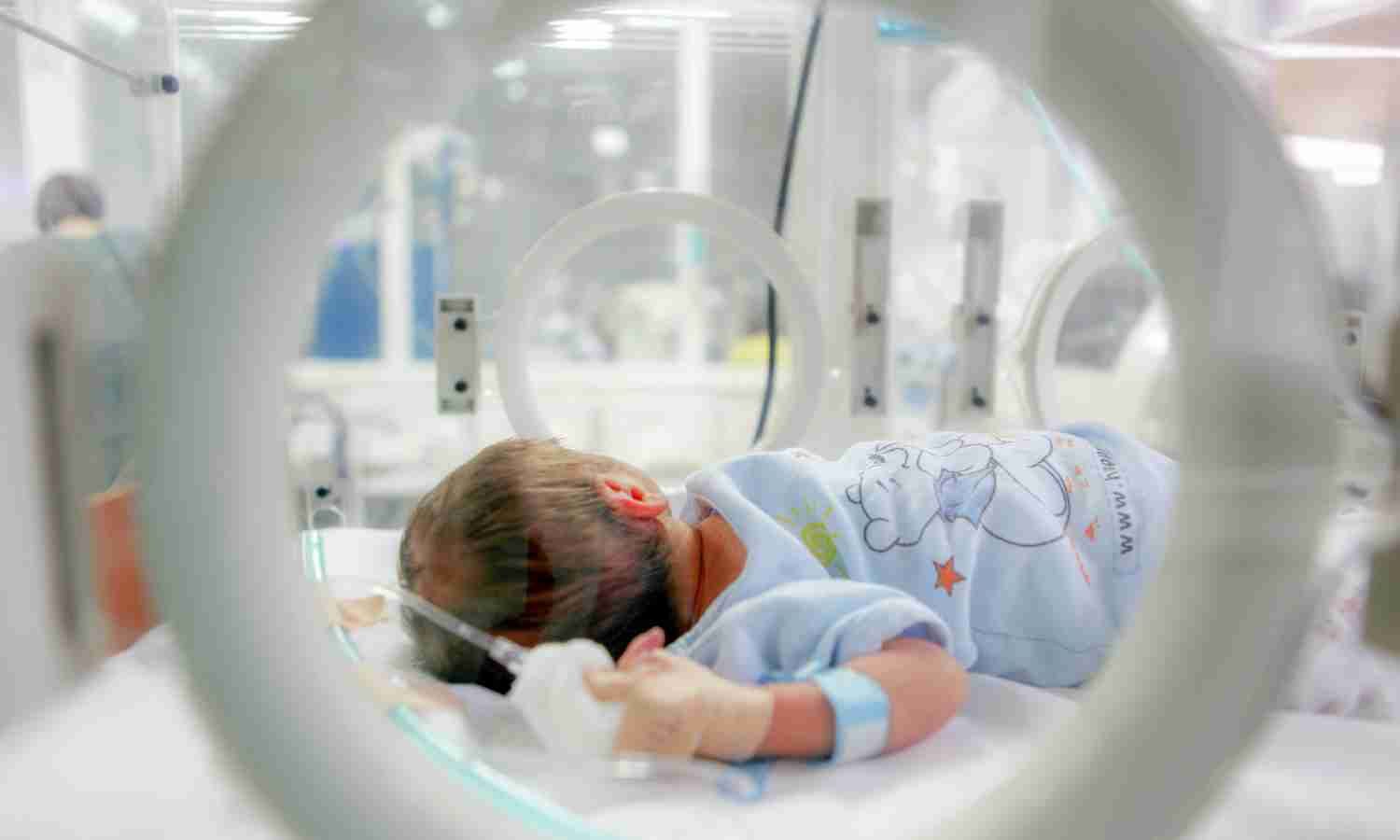
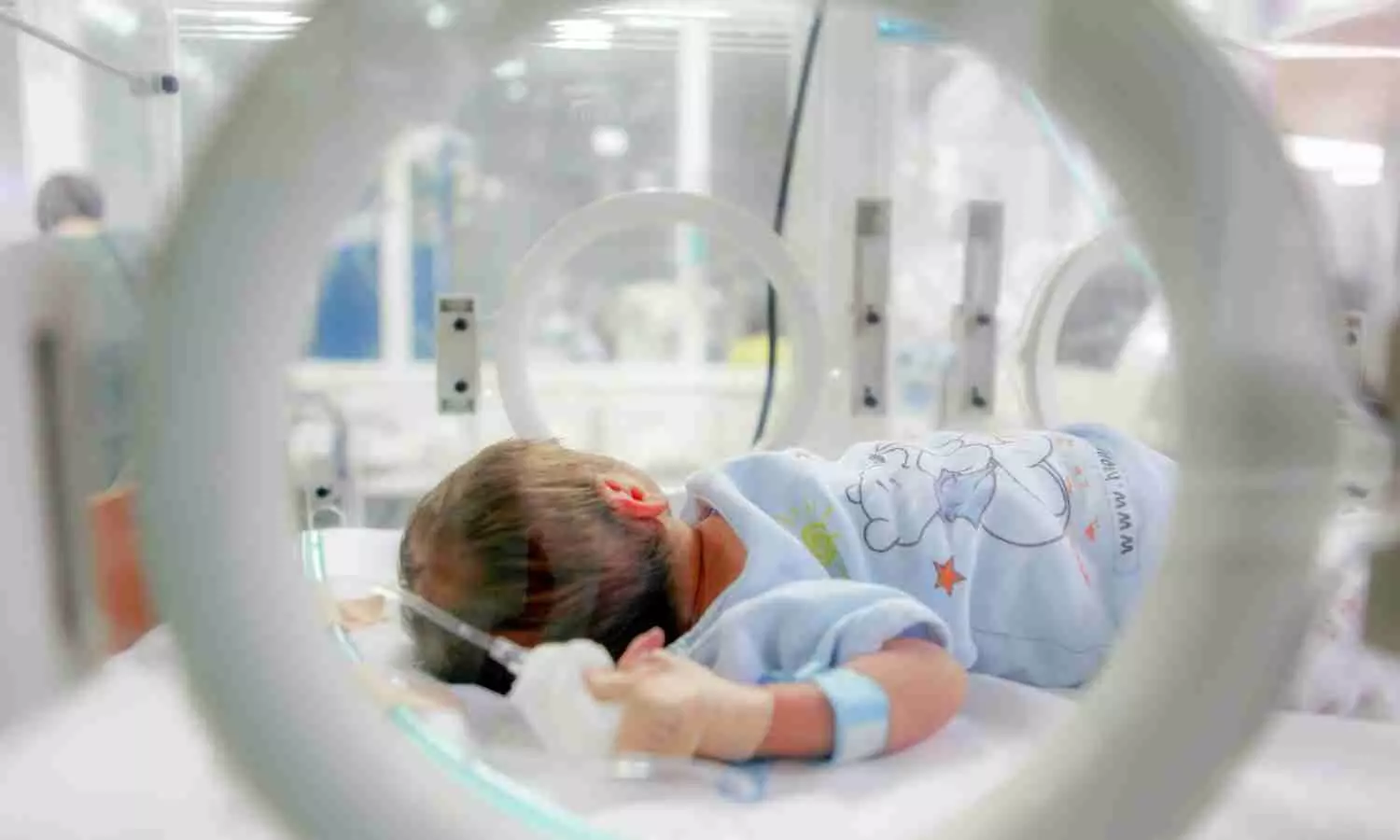
China: Researchers have found in a new study that pulmonary surfactant (PS) therapy significantly improves arterial blood gas parameters and clinical symptoms in infants with neonatal respiratory distress syndrome (NRDS), demonstrating good safety. Additionally, lung ultrasound (LUS) scoring helps guide treatment decisions and offers predictive value for therapeutic response, providing a practical tool for effective clinical management of NRDS.
The findings were reported in a prospective observational study published in the Journal of Tropical Pediatrics. The study was conducted by Ying Deng from Garzê Tibetan Autonomous Prefecture People's Hospital in Kangding, Sichuan Province, China, along with colleagues. The researchers aimed to assess the effectiveness of pulmonary surfactant therapy in infants with NRDS when treatment is guided using lung ultrasound scoring.
Neonatal respiratory distress syndrome is a serious condition primarily affecting premature infants and is characterized by insufficient surfactant in the lungs, leading to breathing difficulties and impaired oxygen exchange. Early diagnosis and timely treatment are essential to reduce complications and improve survival.
For the study, the researchers enrolled a prospective cohort of 121 infants diagnosed with NRDS who received pulmonary surfactant therapy. To strengthen comparisons, a 1:1 propensity score matching method was used to create 99 matched pairs consisting of infants with NRDS and healthy controls. The investigators collected detailed data on baseline clinical characteristics, chest X-ray grading, lung ultrasound scores, arterial blood gas parameters, and potential adverse events.
Clinical assessments were performed before treatment, within four hours after birth, and again 12 hours following surfactant administration. The researchers compared changes in imaging findings, respiratory indicators, and blood gas measurements to determine treatment effectiveness.
The study revealed the following findings:
- Pulmonary surfactant therapy led to significant improvements in infants with neonatal respiratory distress syndrome (NRDS).
- After treatment, the partial pressure of carbon dioxide, chest X-ray severity grading, lung ultrasound scores, and visible respiratory distress signs decreased significantly.
- At the same time, the partial pressure of oxygen and blood pH levels increased significantly.
- The overall clinical improvement rate following therapy was 90.91%, indicating strong treatment effectiveness.
- Lung ultrasound scores showed a positive correlation with chest X-ray grading both before and after treatment, suggesting that LUS accurately reflects the severity of lung involvement in NRDS.
- Early chest X-ray grading and bilateral LUS scores were able to predict clinical improvement after surfactant therapy.
- Lung ultrasound demonstrated stronger predictive performance for treatment response compared with chest X-ray.
- The therapy was generally well tolerated, with adverse reactions reported in 8.08% of treated infants, indicating an acceptable safety profile.
Overall, the researchers concluded that pulmonary surfactant therapy can significantly improve respiratory function and clinical symptoms in infants with neonatal respiratory distress syndrome. The use of lung ultrasound scoring may help clinicians guide treatment decisions and predict therapeutic response, offering a practical and accessible tool for improving the management of NRDS in neonatal care settings.
Reference:
Deng, Y., Zhang, F., & Liu, Q. (2026). Efficacy evaluation of pulmonary surfactant guided by lung ultrasound score in neonatal respiratory distress syndrome: A prospective observational study in Ganzi Tibetan Autonomous Prefecture. Journal of Tropical Pediatrics, 72(2). https://doi.org/10.1093/tropej/fmag013
Apa Reaksi Anda?
 Suka
0
Suka
0
 Kurang Suka
0
Kurang Suka
0
 Setuju
0
Setuju
0
 Tidak Setuju
0
Tidak Setuju
0
 Bagus
0
Bagus
0
 Berguna
0
Berguna
0
 Hebat
0
Hebat
0

Edusehat
Platform Edukasi Online Untuk Komunitas Kesehatan Agar Mendapatkan Informasi Dan Pengetahuan Terbaru Tentang Kesehatan Dari Nasional Maupun Internasional. ||
An online education platform for the health community to obtain the latest information and knowledge about health from both national and international sources.