






















































%20and%20Batch%20Production%20Records%20(BPR).png)















Semaglutide may Improve Metabolic Control in Latent Autoimmune Diabetes in Adults, Finds Study
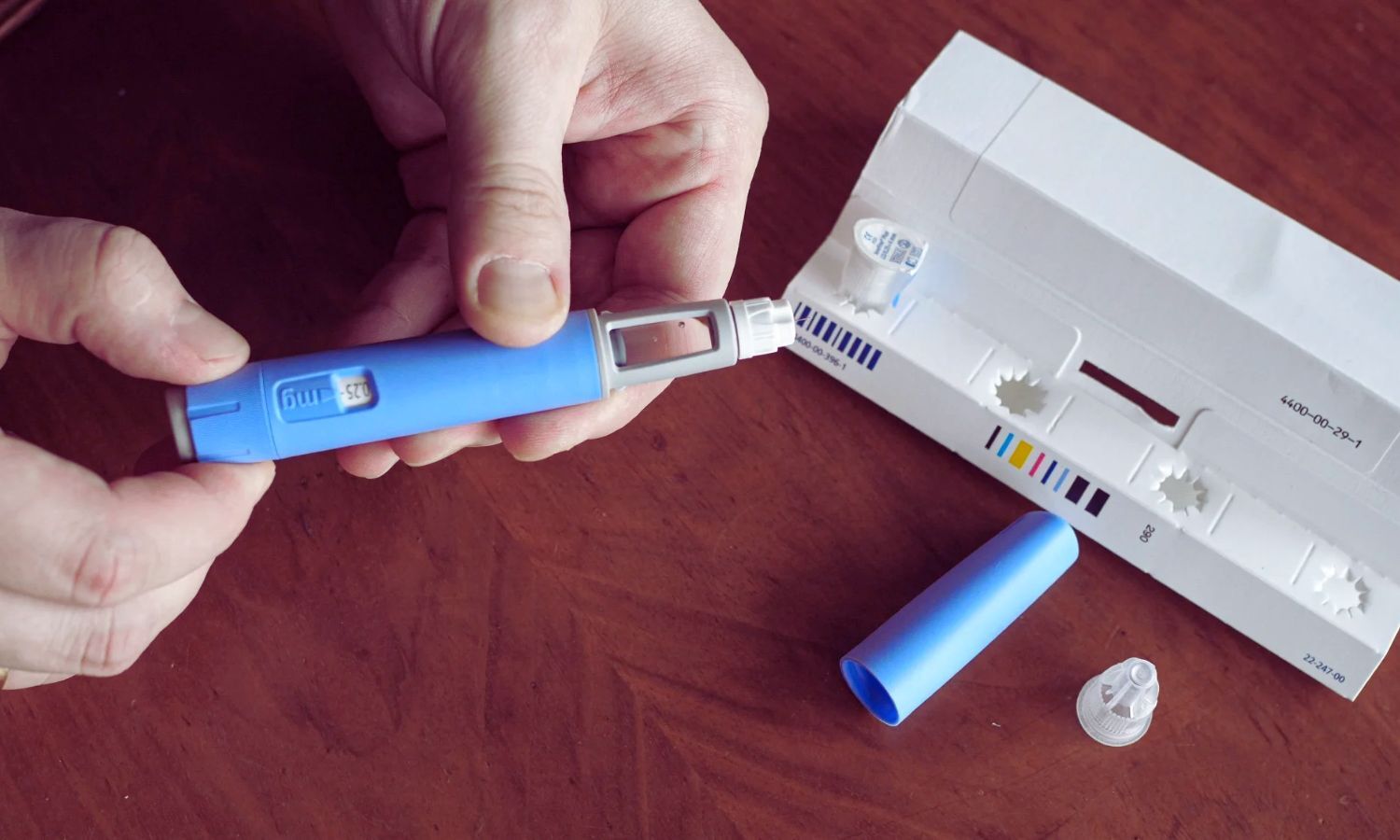
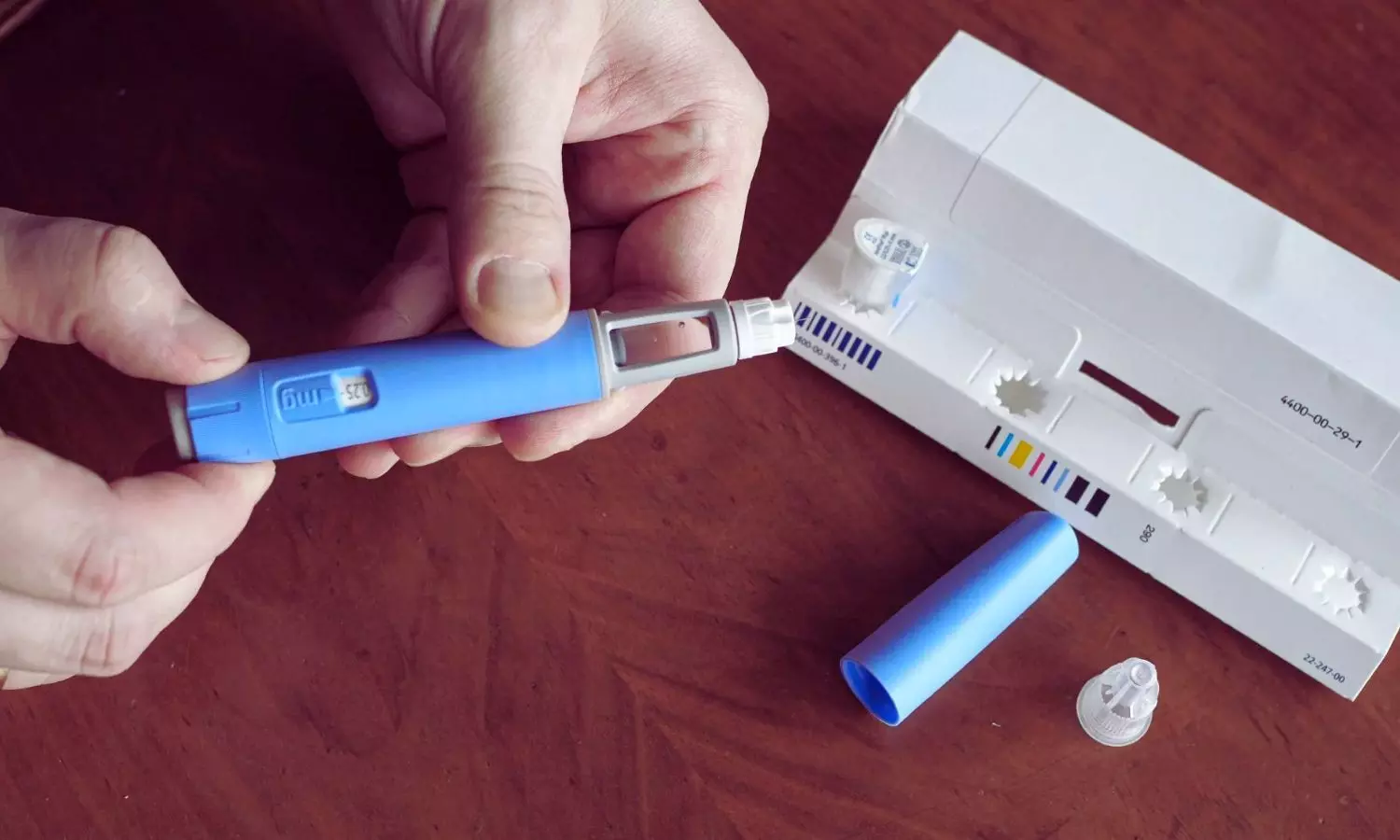
Italy: A retrospective study published in the Journal of Clinical Endocrinology & Metabolism has found that patients with latent autoimmune diabetes in adults (LADA) experienced significant metabolic improvements after adding semaglutide (Ozempic, Rybelsus) to their existing insulin therapy. The addition of semaglutide was associated with better glycemic control and improved metabolic parameters, suggesting it may be a beneficial adjunct treatment option in LADA management.
Semaglutide, a glucagon-like peptide-1 receptor agonist (GLP-1RA), is widely used in type 2 diabetes for its potent glucose-lowering and weight-reducing effects. However, evidence supporting its role in LADA — a form of autoimmune diabetes that shares features of both type 1 and type 2 diabetes — has remained limited. To address this gap, Maria Elena Lunati and colleagues from the Division of Endocrinology at ASST Fatebenefratelli-Sacco in Milan, Italy, evaluated the effectiveness of semaglutide as an add-on to insulin in patients with LADA.
The investigators retrospectively reviewed data from 80 individuals diagnosed with LADA who were prescribed semaglutide in addition to their ongoing insulin regimen. Both oral and subcutaneous formulations were included in the analysis. Clinical and laboratory parameters were collected, along with continuous glucose monitoring (CGM) metrics where available, to assess changes in glycemic control and metabolic outcomes.
Of the 80 patients, 68 continued semaglutide therapy for at least six months — 57 received the oral formulation, and 11 were treated with the injectable version — while 12 discontinued treatment during follow-up.
The key findings were as follows:
- After six months of semaglutide therapy, patients showed significant reductions in HbA1c, body mass index (BMI), and total daily insulin dose.
- Serum C-peptide levels increased, indicating improved or preserved residual β-cell function.
- Continuous glucose monitoring demonstrated an increase in time-in-range without an increase in time-below-range, suggesting improved glycemic control without increased risk of hypoglycemia.
- Patients with preserved β-cell function experienced greater reductions in BMI and insulin requirements.
- Individuals with higher baseline C-peptide levels achieved greater improvements in time-in-range than those with lower endogenous insulin secretion.
- Fourteen of the 68 patients discontinued mealtime (bolus) insulin after starting semaglutide.
The findings indicate that semaglutide, when used alongside insulin, may offer meaningful glycometabolic benefits in LADA, particularly among patients with remaining β-cell activity. The authors concluded that GLP-1 receptor agonist therapy could represent a promising adjunct strategy in the management of LADA, although prospective studies are warranted to confirm these observations.
Reference:
Lunati, M. E., Cimino, V., Bernasconi, D., Romano, C., Disoteo, O., Rossi, A., Tinari, C., Fiorina, R. M., Gandolfi, A., Morpurgo, P. S., Lazzaroni, E., Losurdo, F., Pastore, I., Molteni, L., Berra, C., Ben Nasr, M., Montefusco, L., Bucciarelli, L., & Fiorina, P. The use of semaglutide as an add-on therapy in patients with LADA. The Journal of Clinical Endocrinology & Metabolism. https://doi.org/10.1210/clinem/dgag072
Apa Reaksi Anda?
 Suka
0
Suka
0
 Kurang Suka
0
Kurang Suka
0
 Setuju
0
Setuju
0
 Tidak Setuju
0
Tidak Setuju
0
 Bagus
0
Bagus
0
 Berguna
0
Berguna
0
 Hebat
0
Hebat
0

Edusehat
Platform Edukasi Online Untuk Komunitas Kesehatan Agar Mendapatkan Informasi Dan Pengetahuan Terbaru Tentang Kesehatan Dari Nasional Maupun Internasional. ||
An online education platform for the health community to obtain the latest information and knowledge about health from both national and international sources.