











































%20and%20Batch%20Production%20Records%20(BPR).png)













Study details Novel Strategy for Failed Mechanical Heart Valves: Device Fracture Followed by Valve-in-Valve Therapy
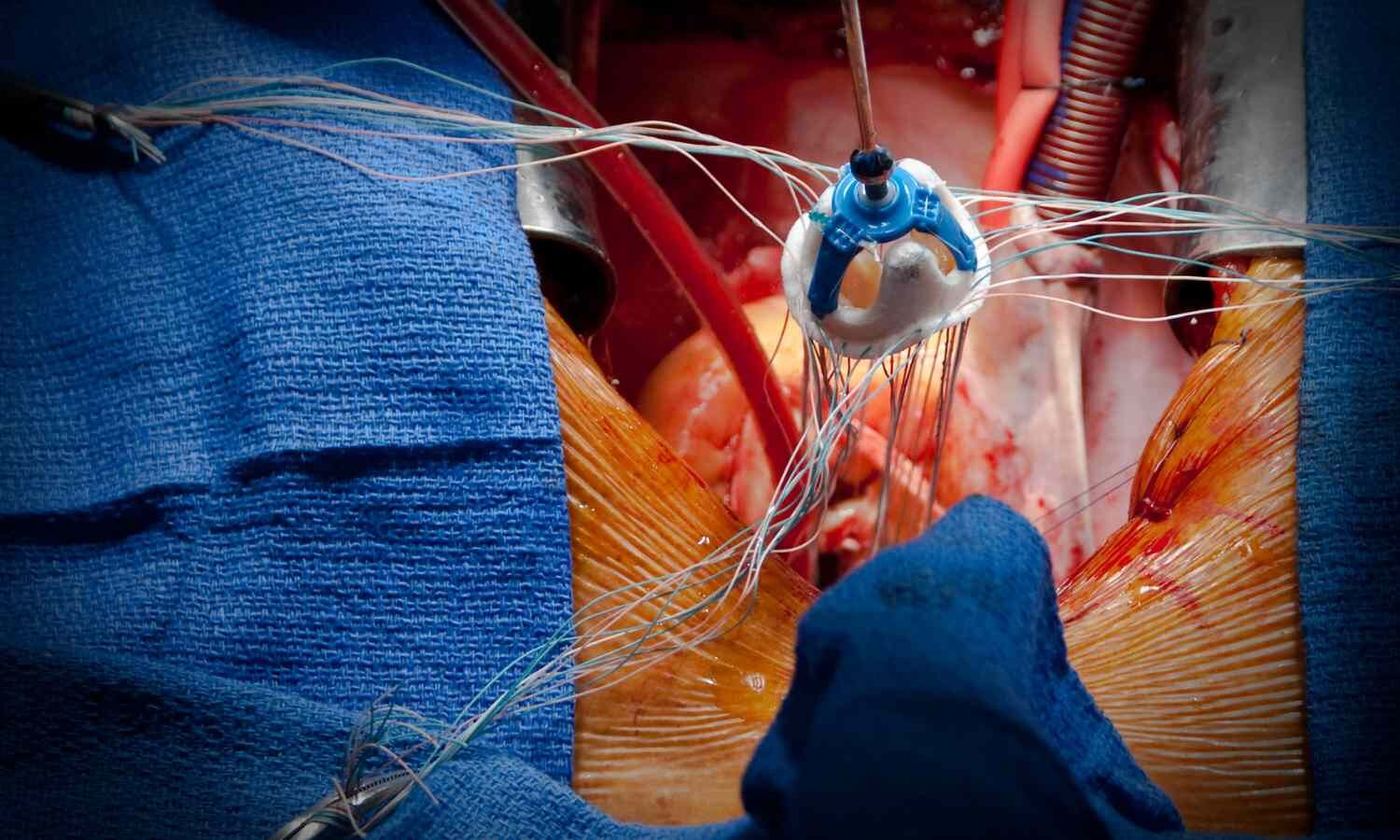
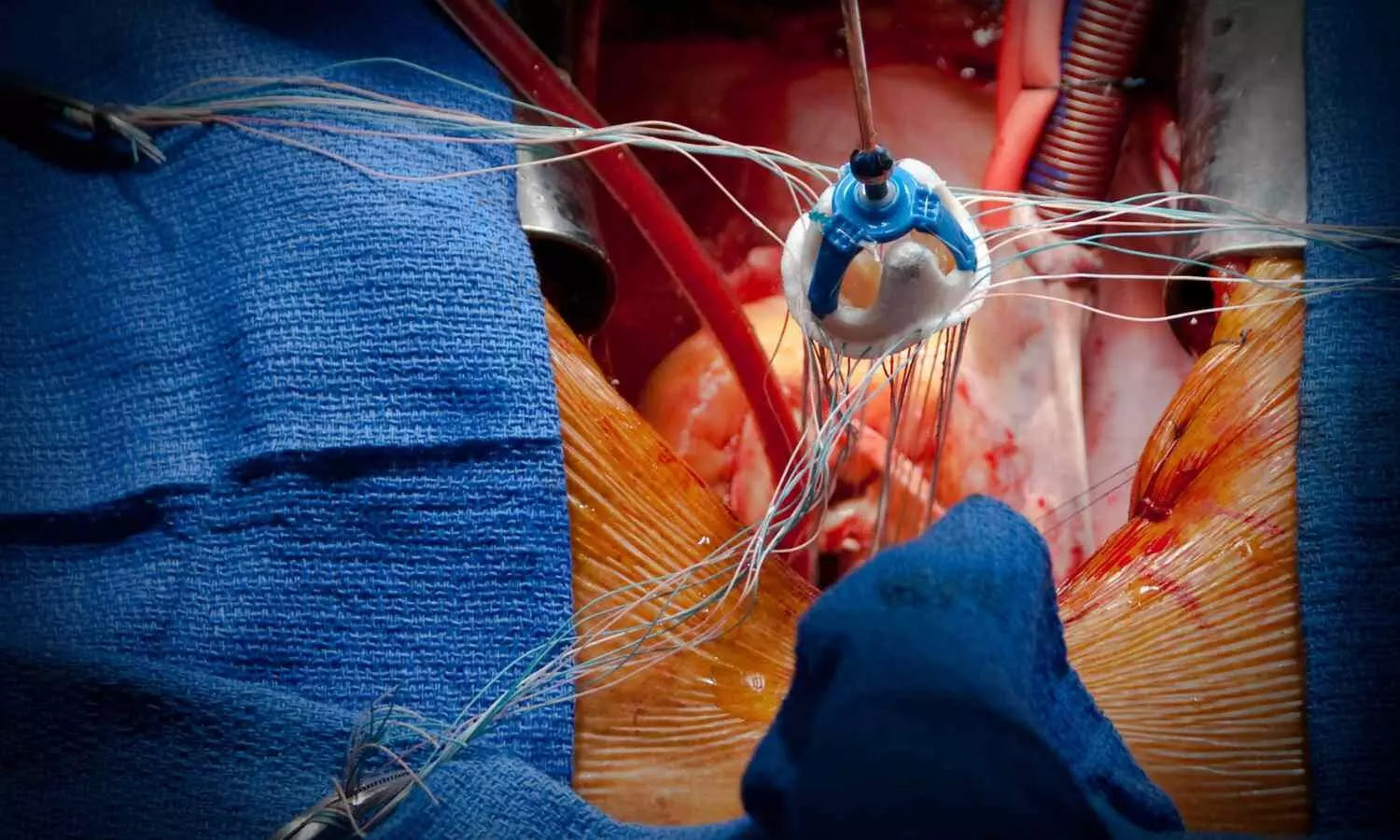
A new study published in the JACC: Cardiovascular Interventions journal found in vitro results demonstrating that valve leaflets can be successfully fractured, overturning the long-held belief that mechanical valves cannot be broken. These findings introduce a potential new treatment pathway for mechanical valve dysfunction—intentional device fracture followed by transcatheter valve-in-valve implantation—which may extend the lifespan and treatment options for failed mechanical heart valves.
Mechanical valve prostheses are widely used to replace diseased heart valves. However, these devices can develop serious malfunctions over time, and can also leading to advanced heart failure. With such complications, the usual solution is a repeat surgical replacement. For some patients, particularly older individuals or those with multiple medical conditions, redo surgery carries prohibitive risk, leaving few therapeutic alternatives.
This study have recently explored catheter-based techniques designed to fracture mechanical valve components, making it possible to treat patients using minimally invasive procedures. This study sought to analyze the mechanical properties and structural vulnerabilities of the mechanical heart valves using high-speed imaging, fluoroscopy, and standardized balloon testing.
17 bi-leaflet mechanical valve prostheses from various manufacturers were examined under fluoroscopic imaging, which evaluated how easily catheters could pass through the valves and then used commercially available angioplasty balloons to apply pressure until the valve leaflets fractured. Tests were conducted both in air and in a fluid designed to mimic the properties of blood.
The findings showed that leaflet fracture could be achieved at relatively moderate pressures (between 1 and 6 bar). Higher pressures, exceeding 8 bar, caused only minor cracks in the carbon rings that form the structural backbone of the valves.
This study identified the junction between the leaflets and the surrounding ring as the primary structural weak point. In several cases, fractured leaflets detached from the ring as a single piece. Once released, fragments moved at speeds up to 0.02 meters/second, a relatively slow velocity that may help clinicians anticipate and manage potential risks.
The study also evaluated the performance of commonly used angioplasty balloons and found them capable of delivering sufficient pressure to achieve leaflet fracture without specialized equipment which makes this accessible in many interventional cardiology centers.
Since detached fragments could potentially travel through the bloodstream, neuroprotection systems designed to prevent debris from reaching the brain would likely be essential. Detailed imaging after the procedure would also be necessary to confirm fragment location and assess complications. Overall, the findings of this study revealed promising effects of balloon-based fracturing of mechanical heart valves in high-risk patients.
Source:
Jankowska, P. A., Butter, C., & Kühnel, R.-U. (2026). Serial in vitro investigation of the fracture properties of mechanical heart valves. JACC: Cardiovascular Interventions, 19(4), 505–513. https://doi.org/10.1016/j.jcin.2025.11.040
Apa Reaksi Anda?
 Suka
0
Suka
0
 Kurang Suka
0
Kurang Suka
0
 Setuju
0
Setuju
0
 Tidak Setuju
0
Tidak Setuju
0
 Bagus
0
Bagus
0
 Berguna
0
Berguna
0
 Hebat
0
Hebat
0