





















































%20and%20Batch%20Production%20Records%20(BPR).png)














Study Finds Red Blood Cells Improve Glucose Tolerance at High Altitude
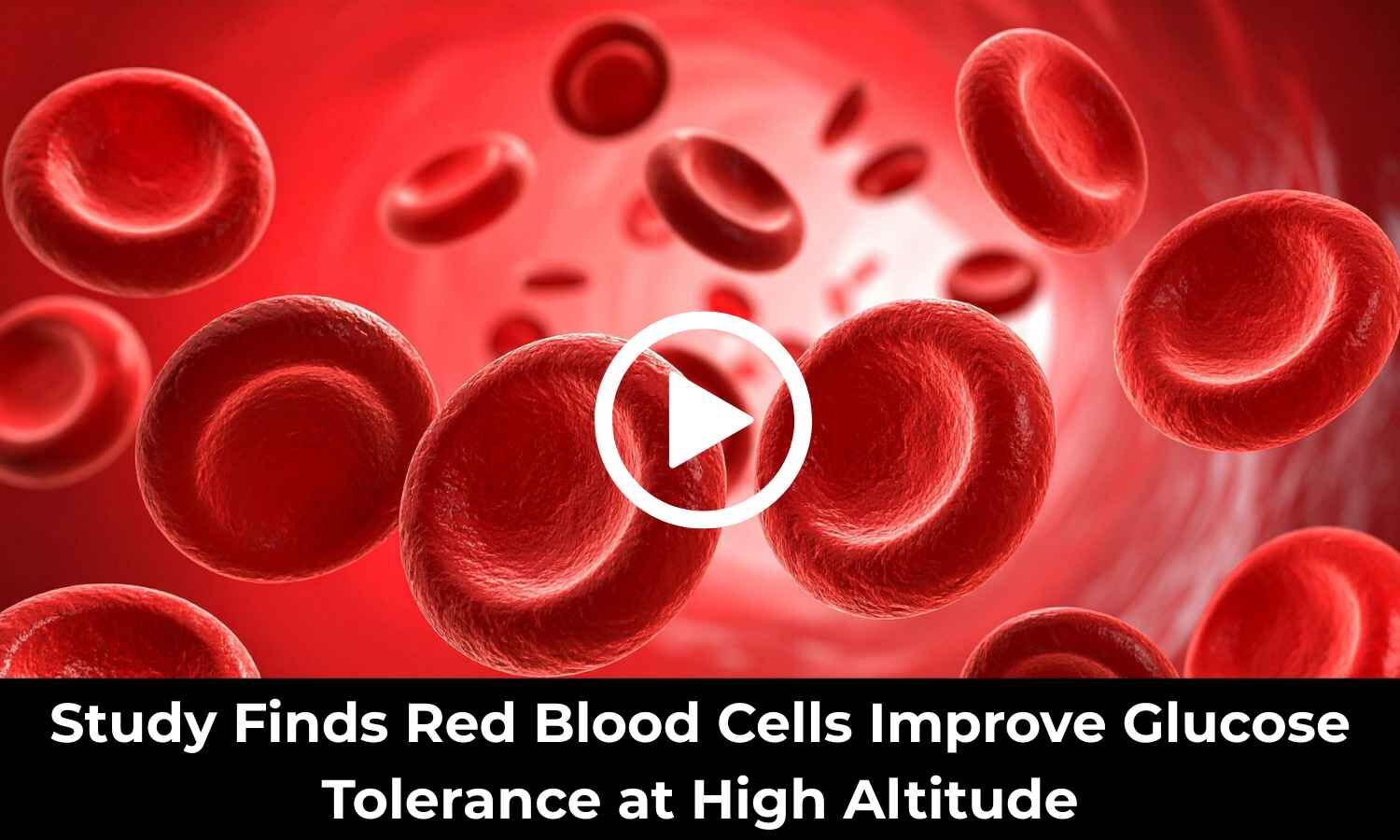
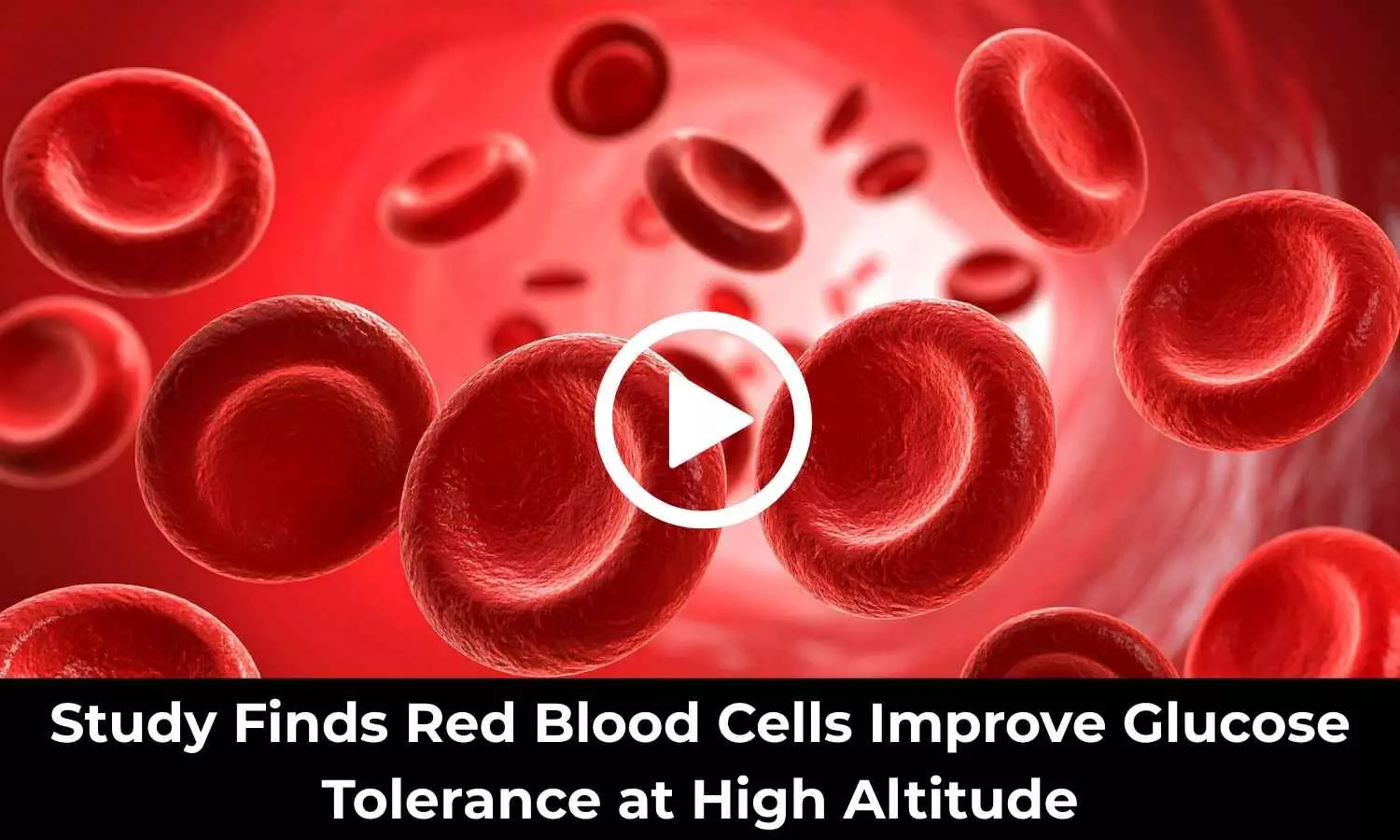
Why do people living at high altitudes often have better blood sugar control, even though oxygen levels are lower? A new study published in Cell Metabolism suggests that red blood cells (RBCs) may act as an unexpected "glucose sink" under low-oxygen conditions, helping lower circulating glucose independently of insulin.
Epidemiological data show that populations living above 3,500 meters in regions such as Tibet and Peru have lower rates of type 2 diabetes and improved glucose tolerance compared to sea-level populations. To investigate the mechanism, researchers used a normobaric hypoxia mouse model. Eight-week-old male mice were housed in either normal oxygen (21%) or hypoxic conditions (8% oxygen, mimicking extreme altitude) for up to three weeks. The team monitored fasting glucose, glucose tolerance, insulin sensitivity, and body weight over time.
Blood glucose levels dropped significantly within two days of hypoxia exposure, and glucose tolerance improved for weeks—even after returning to normal oxygen. Surprisingly, insulin sensitivity did not improve, suggesting the glucose-lowering effect was insulin-independent.
Using advanced imaging with radiolabeled glucose tracers and stable isotope metabolic tracing, researchers found that traditional glucose-consuming organs—such as muscle and liver—accounted for only part of the increased glucose uptake. Instead, RBC numbers nearly doubled under hypoxia. When excess RBCs were removed through serial phlebotomy, glucose levels normalized. Conversely, transfusing RBCs from hypoxic mice into normal mice induced hypoglycemia without oxygen deprivation. This demonstrated that elevated RBC abundance was both necessary and sufficient for lowering blood glucose.
Further analysis revealed that individual RBCs under hypoxia increased glucose uptake by about 2.5-fold, with higher expression of glucose transporters GLUT1 and GLUT4. Metabolic tracing showed glucose was redirected into the Luebering-Rapoport shunt, increasing production of 2,3-diphosphoglycerate—a molecule that enhances oxygen release to tissues while consuming more glucose.
The findings suggest RBCs play an active role in systemic glucose regulation and may represent a novel therapeutic target for diabetes by harnessing controlled hypoxia or modulating RBC metabolism.
REFERENCE: Martí-Mateos Y, Safari Z, Bevers S, et al. (2026). Red blood cells serve as a primary glucose sink to improve glucose tolerance at altitude. Cell Metabolism. DOI: 10.1016/j.cmet.2026.01.019. https://www.cell.com/cell-metabolism/fulltext/S1550-4131(26)00018-5
Apa Reaksi Anda?
 Suka
0
Suka
0
 Kurang Suka
0
Kurang Suka
0
 Setuju
0
Setuju
0
 Tidak Setuju
0
Tidak Setuju
0
 Bagus
0
Bagus
0
 Berguna
0
Berguna
0
 Hebat
0
Hebat
0