














































%20and%20Batch%20Production%20Records%20(BPR).png)















Understanding the feelings behind patient decision making

Barry Oulton uncovers why every patient decision is driven by feelings and how an awareness of this can transform patient interactions.
Humans are emotional beings. Every choice we make is rooted in feelings, even when we rationalise our decisions with logic afterward. In dentistry, this means patients are not just choosing procedures based on necessity; they’re motivated by how the outcomes will make them feel.
Consider a patient contemplating tooth whitening. On the surface, they want a brighter smile. But dig deeper, and you’ll find the true motivation: they’re yearning for confidence, self-assurance in social settings, or even to avoid feelings of insecurity.
Emotional drivers
To serve your patients effectively, it’s crucial to understand their underlying emotional drivers. Let’s explore three common motivators: confidence, connection and relief.
1. Confidence
A straight, white smile is often associated with confidence. Patients who feel self-conscious about their teeth might avoid smiling or speaking freely. Addressing these concerns isn’t just about aesthetics; it’s about helping them reclaim their self-assurance.
2. Connection
For many, a great smile represents connection – whether it’s impressing a loved one, feeling accepted in social circles, or appearing professional at work. Patients might not articulate this need explicitly, but it’s often a key factor behind their decisions.
3. Relief
Pain, discomfort or functional issues often bring patients to your practice. Beyond the physical relief, they’re seeking peace of mind and the ability to enjoy everyday activities without worry.
Reframing the conversation
Shift the focus of your conversations with patients from ‘what’ you’re doing to ‘why’ it matters. Highlight the emotional benefits of the treatment, not just the technical aspects. For example:
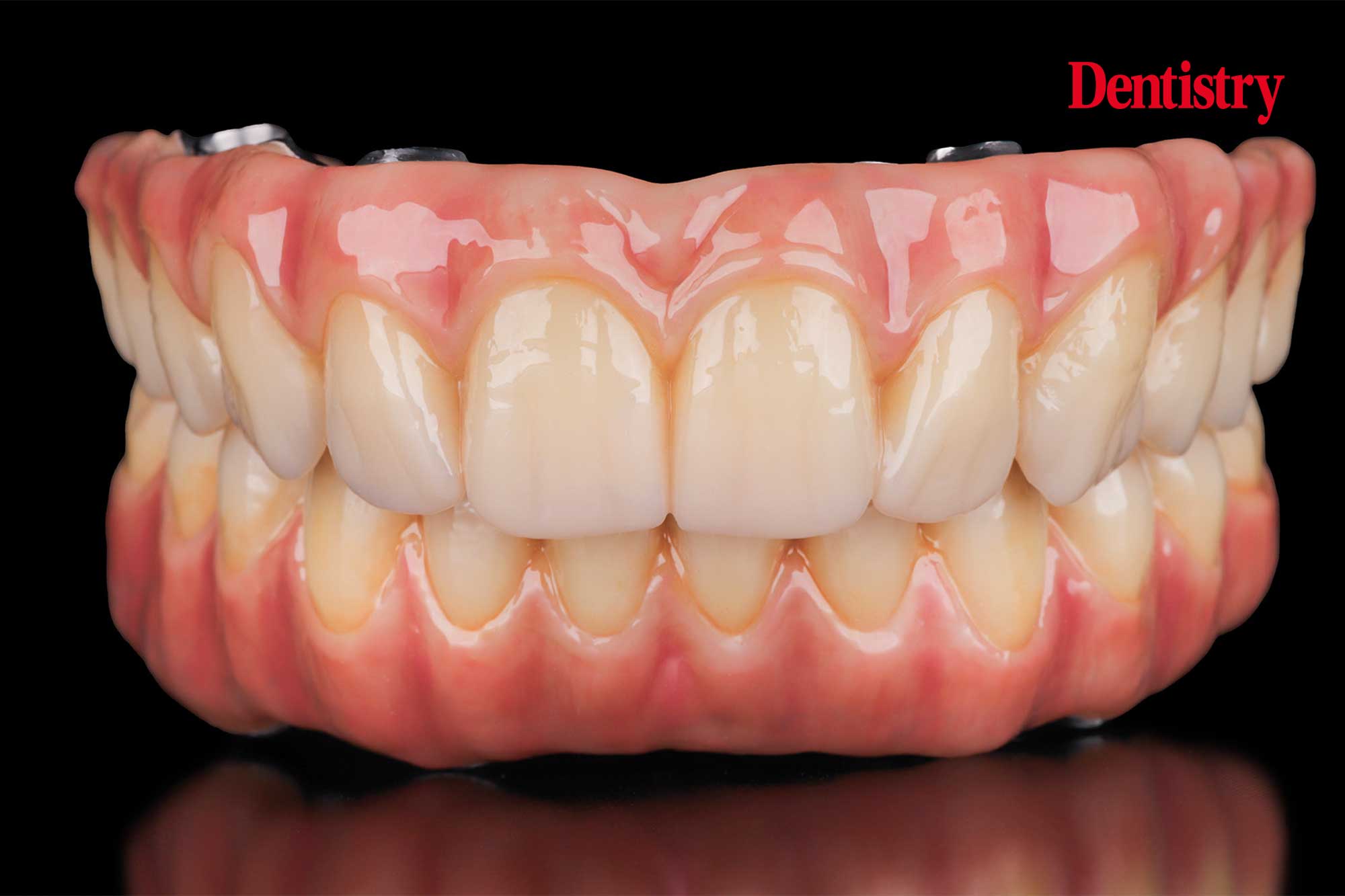
- Instead of saying: ‘This implant will last 20 years’, say: ‘This implant will let you enjoy meals without worry’
- Instead of saying: ‘A crown will protect the tooth’, say: ‘This crown will restore your ability to smile confidently and eat comfortably’.
This simple reframing connects the treatment to the outcomes patients truly care about, making it easier for them to see the value in your recommendations.
When you address patients’ emotional needs, you show them that you understand and care about their goals. This builds trust and fosters long-term loyalty. Patients who feel emotionally supported are not only more likely to proceed with treatment but also to refer friends and family to your practice.
Implementing emotional connection
Want to tap into the emotional side of dentistry? Action these strategies:
- Use open-ended questions to uncover emotional motivations. For instance: ‘How would you feel if we could address this pain for you?’
- Listen actively: pay attention to the words, tone and body language
- Tailor your communication to match the patient’s emotional needs, whether it’s offering reassurance, building excitement or celebrating their progress
- Train your team: ensure every team member understands how to identify and address emotional drivers.
Putting patients first
When you align your practice with the emotional needs of your patients, you create a service that goes beyond dentistry. You’re not just fixing teeth; you’re improving lives. This focus doesn’t just enhance patient satisfaction, it also builds a reputation that attracts new patients, increases case acceptance and drives business growth.
Whether you’re an associate looking to connect more effectively with patients or a practice owner striving to elevate the patient experience, understanding emotional drivers is the key to success. And it’s a skill set I help dentists master in my programmes, combining practical techniques with mindset shifts to create lasting change.
By tapping into the emotional side of dentistry, you can transform your patient relationships, elevate your practice, and ultimately improve your own professional fulfilment.
Follow Dentistry.co.uk on Instagram to keep up with all the latest dental news and trends.
Apa Reaksi Anda?
 Suka
0
Suka
0
 Kurang Suka
0
Kurang Suka
0
 Setuju
0
Setuju
0
 Tidak Setuju
0
Tidak Setuju
0
 Bagus
0
Bagus
0
 Berguna
0
Berguna
0
 Hebat
0
Hebat
0