








































%20and%20Batch%20Production%20Records%20(BPR).png)















Vascular Sound Index Shows Promise in Detecting Hemodialysis Access Stenosis: Study
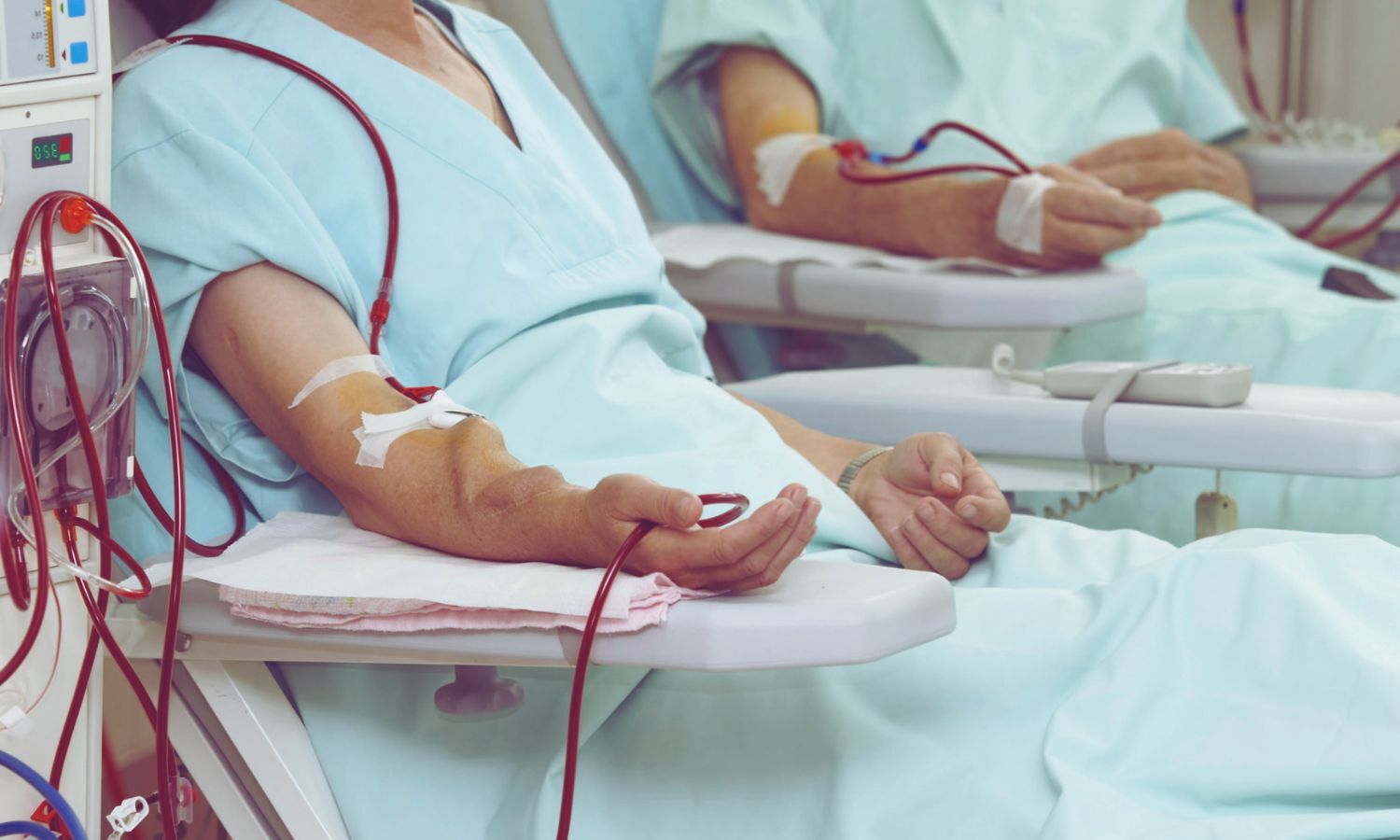
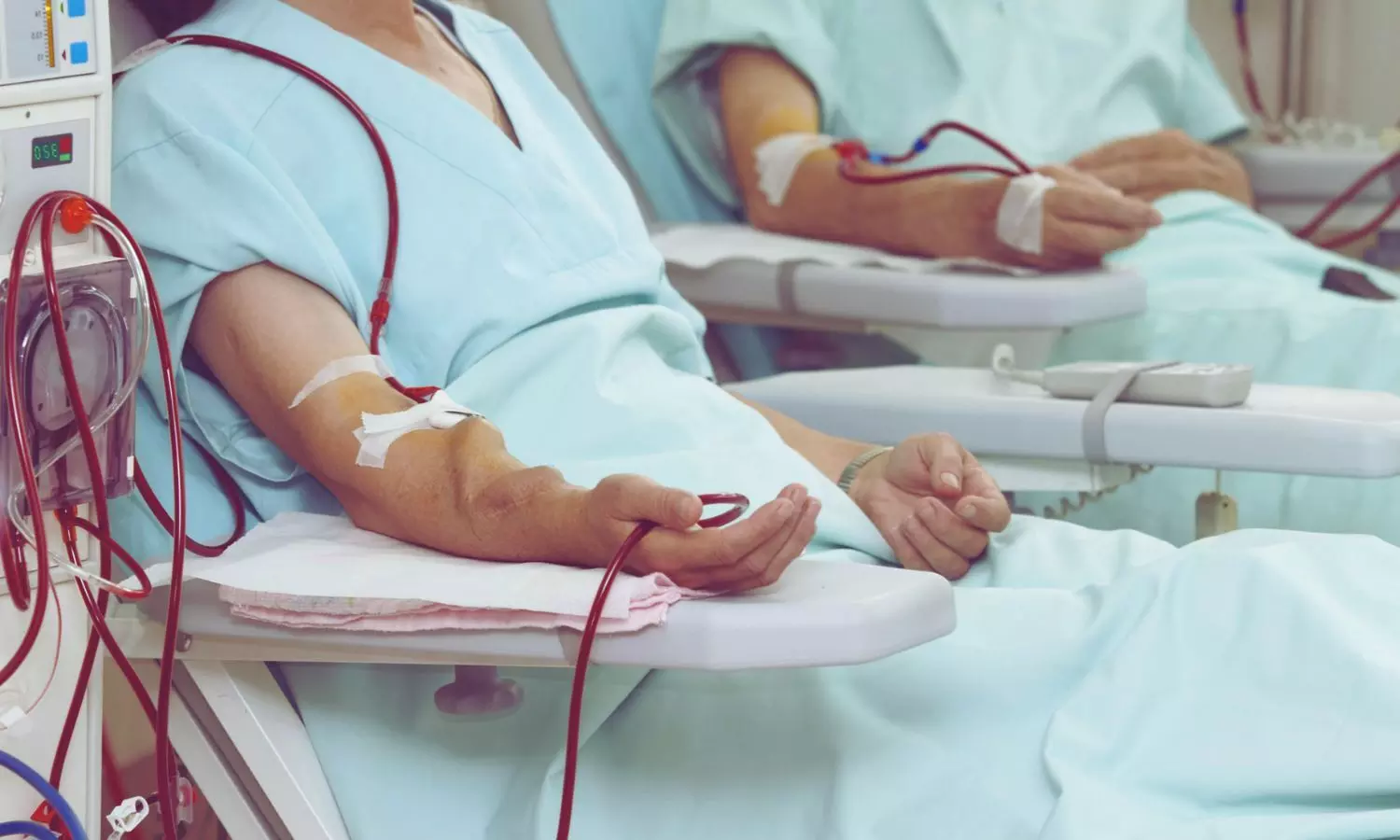
Japan: Early detection of vascular access (VA) stenosis remains essential for patients undergoing hemodialysis, as untreated narrowing can compromise dialysis efficiency and lead to access failure.
A new study published in BMC Nephrology suggests that the Hemodialysis Vascular Sound Index (HVSI), a noninvasive tool based on vascular sound analysis, may serve as a practical screening method to identify patients who require confirmatory ultrasound or vascular access intervention.
Ultrasound (US) is widely regarded as the gold standard for detecting VA stenosis because of its high diagnostic accuracy. However, routine use can be limited by the need for specialized equipment and trained personnel. Yasumasa Hitomi from the Division of Clinical Engineering at Tojinkai Hospital, Kyoto, and colleagues explored whether HVSI—calculated from vascular murmur recordings—could provide a simpler, objective alternative to help triage patients at risk.
In this prospective matched observational study, 202 hemodialysis patients were enrolled. The study group included 101 individuals with clinically significant stenosis requiring vascular access interventional treatment (VAIVT), while the control group comprised 101 stable patients with no significant stenosis confirmed by ultrasound. Participants were matched using propensity scores based on age, sex, dialysis duration, diabetes status, dialysis adequacy (Kt/V), and laboratory parameters.
HVSI measurements were obtained before dialysis using an electronic stethoscope positioned over the vascular anastomosis. Doppler ultrasound was used to assess brachial artery flow volume (FV) and resistance index (RI). The diagnostic performance of HVSI was analyzed through receiver operating characteristic (ROC) curves, calculating sensitivity, specificity, and area under the curve (AUC). An additional small verification cohort of 20 patients was included to evaluate the reproducibility of predefined HVSI thresholds.
The study revealed the following findings:
- HVSI showed a strong positive correlation with brachial artery flow volume (R² = 0.58).
- A moderate inverse correlation was observed between HVSI and resistance index (R² = 0.32).
- For detecting reduced flow volume at thresholds of ≤500, ≤400, and ≤350 mL/min, HVSI demonstrated sensitivities ranging from 86.3% to 94.4%.
- Specificities for these thresholds ranged between 78.7% and 82.9%.
- The area under the curve (AUC) values ranged from 0.90 to 0.94, reflecting high diagnostic accuracy.
- Diagnostic performance was generally superior in non-bifurcated vascular structures.
- In the verification cohort, predefined HVSI cutoffs maintained high specificity for identifying flow volumes below 400 mL/min.
- The HVSI thresholds also showed strong concordance in identifying patients who required vascular access interventional treatment.
While the findings support HVSI as a promising adjunctive screening tool, the authors caution that the matched case-control design may overstate diagnostic accuracy compared with real-world screening settings. They emphasize that HVSI should complement—not replace—vascular ultrasound. Larger studies involving consecutively enrolled patients are needed to confirm generalizability and refine its clinical application.
Reference:
Hitomi, Y., Suzuki, N., Enmeiji, T. et al. Hemodialysis vascular sound index as a diagnostic tool for vascular access stenosis: a prospective matched observational study. BMC Nephrol (2026). https://doi.org/10.1186/s12882-026-04815-2
Apa Reaksi Anda?
 Suka
0
Suka
0
 Kurang Suka
0
Kurang Suka
0
 Setuju
0
Setuju
0
 Tidak Setuju
0
Tidak Setuju
0
 Bagus
0
Bagus
0
 Berguna
0
Berguna
0
 Hebat
0
Hebat
0

Edusehat
Platform Edukasi Online Untuk Komunitas Kesehatan Agar Mendapatkan Informasi Dan Pengetahuan Terbaru Tentang Kesehatan Dari Nasional Maupun Internasional. ||
An online education platform for the health community to obtain the latest information and knowledge about health from both national and international sources.