
















































Inflammation Control: The Overlooked Secret to Skin Longevity


When most people think about skin aging, they think about wrinkles, sun spots, sagging, and thinning skin. But underneath all of that is a deeper process that quietly drives many visible changes: chronic inflammation.
Inflammation is not always a bad thing. In the right dose, it helps the skin heal after injury, defend itself against infection, and repair damage. But when inflammation becomes persistent — even at a low level — it can slowly wear the skin down over time. This is one of the key reasons why the skin can begin to look older, more fragile, duller, more reactive, and less resilient.
At SkinScience, we view inflammation control as one of the essential pillars of skin longevity. If you want healthier skin for longer, it is not enough to simply chase lines and pigmentation after they appear. You have to understand and address the inflammatory processes that contribute to premature aging in the first place.
What inflammation does to the skin
Think of inflammation like a small fire. A short, controlled fire can be useful. But a fire that keeps smouldering in the background gradually damages the structure around it.
In the skin, chronic inflammation can:
-
weaken collagen and elastin
-
accelerate wrinkle formation
-
worsen redness and sensitivity
-
impair barrier function
-
slow down healing
-
contribute to pigmentation irregularities
-
increase visible signs of photoaging
This is one reason why two people of the same age can look very different. Chronological aging matters, but inflammatory load matters too.
Why inflammation speeds up skin aging
Your skin is constantly responding to the world around it. Sun exposure, pollution, stress, poor sleep, smoking, blood sugar swings, harsh skincare, and even psychological stress can all trigger inflammatory pathways.
Over time, these repeated signals push the skin into a state often described as inflammaging — a low-grade, chronic inflammatory state associated with aging.
When this happens, the skin starts producing more inflammatory molecules and more enzymes that break down the support structure of the skin. The result is gradual deterioration of firmness, elasticity, and radiance.
For the skin nerds
One of the big mechanisms here involves reactive oxygen species (ROS), which are unstable molecules generated by UV radiation and cellular stress. ROS activate signalling pathways such as NF-κB, MAPK, and AP-1, which increase pro-inflammatory cytokines and matrix metalloproteinases (MMPs). MMPs are enzymes that degrade collagen and other extracellular matrix proteins. This is one of the central pathways linking inflammation to visible skin aging.
The biggest triggers of inflammatory skin aging
1. Sun exposure
Ultraviolet radiation is one of the most powerful external drivers of skin inflammation and aging. It does not just create sunburn. Repeated UV exposure generates oxidative stress, damages DNA, triggers inflammatory cascades, and increases collagen-degrading enzymes. This is why photodamage is not just a cosmetic issue. It is a biological aging issue.
2. Oxidative stress
Oxidative stress happens when the body produces more free radicals than it can neutralize. In the skin, this can be triggered by UV light, pollution, smoking, poor diet, and even chronic emotional stress. Oxidative stress feeds inflammation, and inflammation feeds oxidative stress. It becomes a loop.
3. Barrier disruption
A damaged skin barrier allows more water loss, more irritation, and more reactivity. Once the barrier is compromised, the skin becomes more vulnerable to inflammatory triggers from the outside world. This is why overusing exfoliants, retinoids, acids, and aggressive treatments can backfire when not properly balanced.
4. Stress hormones
The brain and the skin are deeply connected. Chronic stress increases signalling through the skin’s neuroendocrine pathways and can contribute to inflammation, slower repair, and changes in collagen support. This is one reason stressed skin often looks duller, more tired, more reactive, and older.
5. Cellular senescence
As skin cells age or become damaged, some stop functioning normally but do not die off. These are called senescent cells. Instead of quietly stepping aside, they can release inflammatory signals that negatively affect surrounding tissue. So even a small number of senescent cells can create a disproportionately large inflammatory effect.
FOR PROFESSIONALS
The article highlights the role of the senescence-associated secretory phenotype (SASP), in which senescent keratinocytes and fibroblasts secrete pro-inflammatory cytokines, proteases, and signalling molecules that perpetuate tissue dysfunction. This creates a self-reinforcing loop: inflammation promotes senescence, and senescence sustains inflammation. Clinically, this may help explain why certain patients show persistent textural decline, delayed healing, or exaggerated inflammatory responses despite apparently appropriate treatment plans.
What inflammation looks like in real life
Inflammatory aging does not always show up as dramatic redness or obvious disease. In many patients, it looks subtler:
-
the skin gets thinner
-
fine lines start appearing faster than expected
-
recovery after treatments slows down
-
redness lingers longer
-
pigmentation becomes easier to trigger
-
the skin starts reacting to products it used to tolerate
-
overall glow and resilience decline
Patients often describe it as, “My skin just doesn’t bounce back the way it used to.” That observation is often biologically accurate.
Why controlling inflammation matters for longevity
Healthy skin longevity is not about freezing the face or eliminating every sign of age. It is about preserving function, resilience, repair capacity, and structural integrity for as long as possible.
Inflammation control supports that goal by helping to protect:
-
collagen
-
elastin
-
barrier function
-
mitochondrial function
-
healthy cell turnover
-
wound healing
-
pigmentation stability
-
immune balance within the skin
In other words, controlling inflammation helps the skin act younger, not just look younger.
Can too much treatment create more inflammation?
Yes, and this is an important point. Not all inflammation is beneficial. A well-chosen treatment can stimulate repair. But too much frequency, too much intensity, poor timing, or wrong patient selection can push the skin into unnecessary inflammatory overload. This is why expert treatment planning matters.
At SkinScience, this is part of how we think differently. Skin rejuvenation is not about throwing aggressive procedures at the skin. It is about understanding when to stimulate, when to repair, when to calm, and when to support.
For the skin nerds
There is a huge difference between controlled therapeutic inflammation and chronic maladaptive inflammation. The first can trigger regenerative signalling when appropriately dosed. The second drives matrix breakdown, immune dysregulation, and tissue decline. This distinction is one of the most important concepts in modern skin longevity medicine.
How to reduce inflammatory load in the skin
1. Protect against UV every day
Daily sunscreen is not optional if skin longevity is the goal. A broad-spectrum sunscreen helps reduce ongoing oxidative stress, inflammation, pigmentation triggers, and collagen breakdown. This is one of the most effective anti-aging strategies available, and it is also one of the least glamorous.
2. Support the skin barrier
Barrier-first skincare matters. That means using products that help maintain hydration, lipids, and tolerance rather than constantly stripping and challenging the skin. For many patients, the skin does better with a smart, strategic routine than with a complicated routine full of too many actives.
3. Use anti-inflammatory and antioxidant ingredients wisely
Ingredients that may help support inflammation control include:
- aloe vera
-

- azelaic acid
-
green tea polyphenols
-
antioxidants
-
ceramides
-
appropriate retinoids
-
growth factors and regenerative support strategies
-
soothing lipid-based barrier repair formulas
The key is choosing the right ingredients for the right skin and using them in the right sequence.
4. Respect recovery time
Whether it is a laser treatment, microneedling, peel, or active skincare plan, the skin needs time to recover. Constantly re-triggering inflammation without sufficient repair time can undermine long-term results.
5. Address internal contributors
Skin does not age in isolation from the rest of the body. Sleep, stress regulation, exercise, blood sugar balance, and diet all influence inflammatory signalling. Patients sometimes underestimate how much these factors affect their skin. Clinically, they matter more than many people realize.
FOR PROFESSIONALS
The article appropriately frames inflammation as a systems-level issue rather than a purely topical one. Relevant upstream contributors include mitochondrial dysfunction, altered autophagy, endocrine signalling, immunosenescence, and systemic inflammatory tone. This supports a more integrative treatment model in which procedural timing, topical therapy, lifestyle interventions, and internal inflammatory burden are all considered together.
What treatments may help support inflammation control?
The right treatment plan depends on the patient, their inflammatory profile, their skin condition, and their goals. In the clinic setting, the goal is not simply “more treatment.” It is better-matched treatment.
Depending on the patient, supportive options may include:
-
barrier restoration protocols
-
vascular and redness-focused laser strategies
-
collagen-stimulating treatments with appropriate spacing
-
resurfacing when indicated
-
pigment management protocols
-
regenerative and restorative skincare
-
long-term maintenance plans designed around skin function, not just appearance
Some emerging strategies in the literature also explore topical senotherapeutics and modulators of pathways such as mTOR, though these remain more advanced and are not yet everyday consumer-level skincare topics.
For the skin nerds
Topical rapamycin has been discussed in the literature for its effects on mTOR signalling and markers associated with cellular senescence, including p16. Mechanistically, this is fascinating. Clinically, however, the long-term data is still limited, and it should not be oversimplified into trendy anti-aging hype. The science is promising, but this is not a category for casual experimentation.
Why inflammation control is one of the pillars of skin longevity
Aging skin is not only a story of time passing. It is also a story of repeated biological stress.
Inflammation sits at the center of many other pillars of skin longevity because it interacts with:
-
mitochondrial performance
-
DNA damage
-
collagen preservation
-
immune function
-
pigmentation stability
-
healing capacity
-
environmental resilience
That means if inflammation is not being addressed, many other skin strategies become less effective.
This is why at SkinScience, we do not look at skin aging as a single issue. We look at it as a network.
What this means for SkinScience patients
For the average patient, this all comes down to something reassuring: skin longevity does not have to mean an aggressive, confusing, expensive, or overwhelming approach. It means building a plan that is thoughtful, strategic, and sustainable. For some patients, that starts with calming the skin down and rebuilding barrier function. For others, it means correcting years of cumulative photodamage. For others, it means refining a treatment schedule so the skin is being stimulated appropriately without being pushed into chronic inflammation.
The goal is not to do everything. The goal is to do the right things, in the right order, for your skin.
Final thoughts
Inflammation is one of the most important and most underestimated drivers of visible skin aging. It affects collagen, barrier function, pigmentation, repair, and overall skin resilience. And unlike chronological age, it is something we can often influence.
That is good news.
When you understand inflammation, you stop seeing aging as something that simply “happens” to the skin. You start seeing where intervention is possible. You start making better choices with skincare, better choices with treatment timing, and better choices with long-term skin health in mind.
That is what skin longevity is really about.
At SkinScience, we believe healthy skin aging starts with understanding the biology beneath the surface. If your skin has become more reactive, more fragile, more pigmented, or simply less resilient over time, we can help you build a strategy that supports both immediate improvement and long-term skin health.
Book your complimentary consultation with SkinScience to explore a personalized plan designed around skin longevity, inflammation control, and smarter aging.
About the Author
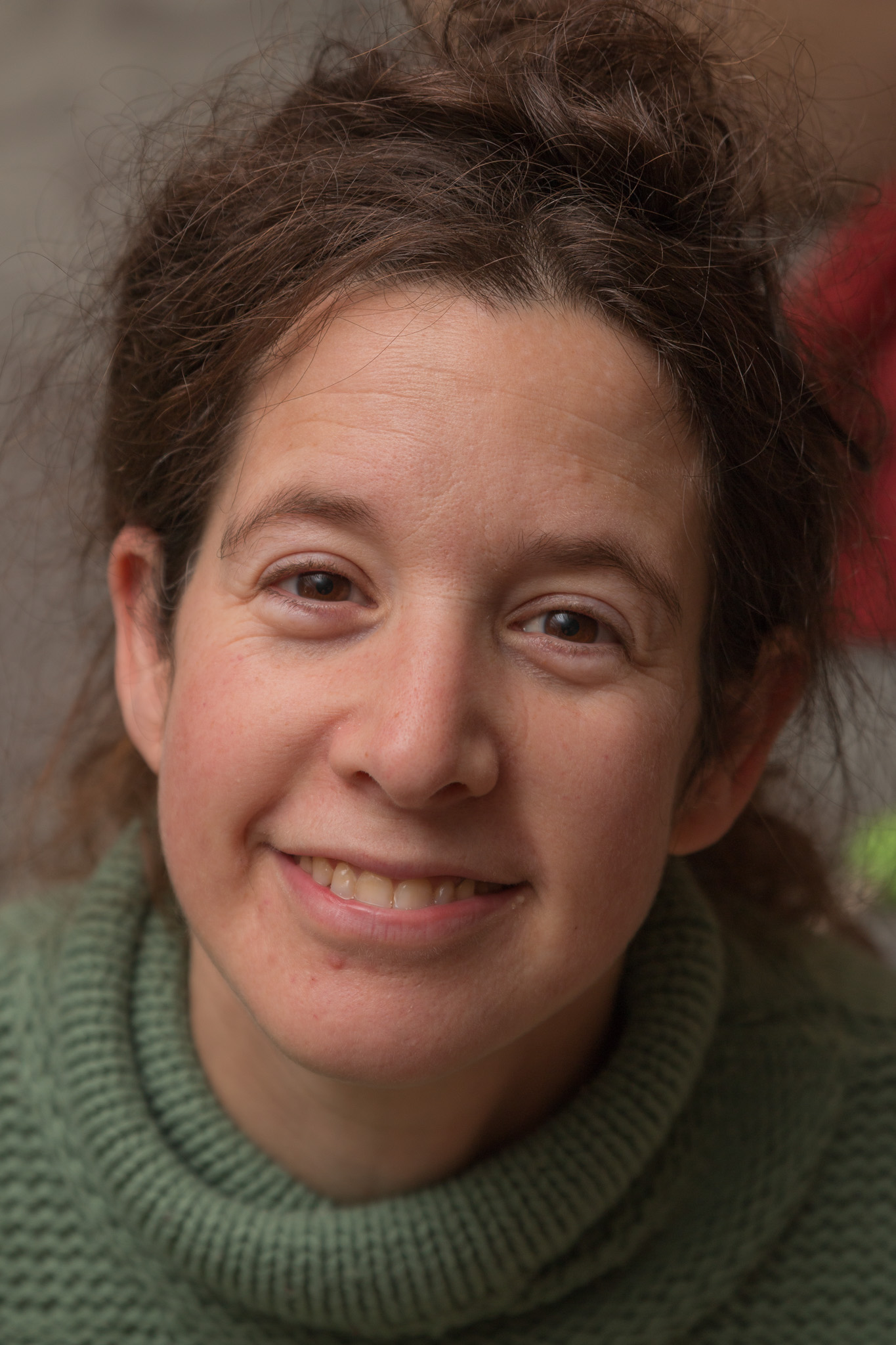
Marie Bertrand is the founder of SkinScience, a leading Calgary skin clinic focused on advanced skin rejuvenation, laser treatments, and evidence-based skincare. With over two decades of nursing experience and nearly 20 years in medical aesthetics, Marie is known for combining clinical insight with a deep understanding of skin biology, aging, inflammation, and long-term skin health.
Often recognized as The Skin Scientist, Marie is passionate about helping patients understand the “why” behind their skin concerns — from sensitivity and redness to pigmentation, acne scarring, collagen loss, and visible signs of aging. Her work emphasizes skin longevity, a science-based approach that supports healthier, stronger, more resilient skin over time.
Through SkinScience, Marie provides personalized treatment plans that may include medical-grade skincare, lasers, collagen-stimulating procedures, and barrier-repair strategies tailored to each patient’s needs and goals. If you are looking for expert guidance on skin aging, inflammation, skin barrier repair, or advanced skincare in Calgary, book a complimentary consultation with the SkinScience team.

References
Adapted from the references cited in the attached article:
-
Hajialiasgary Najafabadi MHMK, Soheilifar A. Exosomes in skin photoaging: Biological functions and therapeutic opportunity. Cell Communication and Signaling. 2024.
-
Xu H, Zheng YW, Liu Q, et al. Reactive oxygen species in skin repair, regeneration, aging, and inflammation. 2018.
-
Minoretti P, Emanuele E. Clinically actionable topical strategies for addressing the hallmarks of skin aging: A primer for aesthetic medicine practitioners. Cureus. 2024.
-
Salminen A, Kaarniranta K, Kauppinen A. Photoaging: UV radiation-induced inflammation and immunosuppression accelerate the aging process in the skin. Inflammation Research. 2022.
-
Chen Y, Lyga J. Brain-skin connection: Stress, inflammation and skin aging. Inflammation & Allergy – Drug Targets. 2014.
-
Krejsgaard T, Lindahl LM, Mongan NP, et al. Malignant inflammation in cutaneous T-cell lymphoma: a hostile takeover. Seminars in Immunopathology. 2017.
-
Pulit-Penaloza JA, Sapkota B, Esser ES, et al. Modulation of influenza vaccine immune responses using an epidermal growth factor receptor kinase inhibitor. Scientific Reports. 2015.
-
Rea IM, Gibson DS, McGilligan V, et al. Age and age-related diseases: Role of inflammation triggers and cytokines. Frontiers in Immunology. 2018.
-
Wang AS, Dreesen O. Biomarkers of cellular senescence and skin aging. Frontiers in Genetics. 2018.
-
Martic I, Papaccio F, Bellei B, Cavinato M. Mitochondrial dynamics and metabolism across skin cells: Implications for skin homeostasis and aging. Frontiers in Physiology. 2023.
-
Kita A, Yamamoto S, Saito Y, Chikenji TS. Cellular senescence and wound healing in aged and diabetic skin. Frontiers in Physiology. 2024.
-
Chen B, Yang J, Song Y, Zhang D, Hao F. Skin immunosenescence and type 2 inflammation: A mini-review with an inflammaging perspective. Frontiers in Cell and Developmental Biology. 2022.
The post Inflammation Control: The Overlooked Secret to Skin Longevity appeared first on SkinScience.
What's Your Reaction?
 Like
0
Like
0
 Dislike
0
Dislike
0
 Agree
0
Agree
0
 Disagree
0
Disagree
0
 Excellent
0
Excellent
0
 Useful
0
Useful
0
 Great
0
Great
0