






















































Isotonic Drink vs Water: Which Hydrates Better?


You finish a long run, step out of a hot jobsite, or land after a dehydrating flight, and the same question comes up fast: isotonic drink vs water - which one actually works better? The short answer is that both matter, but they do different jobs. Water is essential for everyday hydration. An isotonic drink can do more when you are losing fluids and electrolytes through sweat and need to rehydrate quickly.
That distinction matters more than most people realize. If your activity is light and short, water is usually enough. If you are training hard, working in the heat, sweating heavily, or trying to bounce back faster, plain water may not replace what you lost as effectively. Hydration is not just about fluid volume. It is also about balance.
Isotonic drink vs water: the real difference
Water is simple. It helps regulate temperature, supports circulation, and keeps your body functioning normally. For basic daily hydration, it is the baseline.
An isotonic drink is built differently. It contains fluid plus electrolytes, and usually a small amount of glucose, in a concentration designed to match the body closely enough for efficient absorption. That combination helps replace both water and key minerals lost in sweat, including sodium and potassium. In the right situation, that can mean faster hydration and better support for endurance, recovery, and muscle function.
This is where people often get tripped up. They assume more hydration products automatically means better hydration. Not true. The best choice depends on how long you have been active, how much you are sweating, how hot the environment is, and what your body needs next.
When water is enough
For a normal day at your desk, light errands, or a short workout under an hour that does not leave you drenched, water usually does the job. It is accessible, calorie-free, and exactly what your body needs for routine hydration.
Water also makes sense when you are drinking consistently throughout the day and not digging yourself into a hydration deficit. If your urine is light, your energy feels stable, and you are not dealing with heavy sweat loss, there may be no reason to reach for anything else.
This is especially true for lower-intensity movement. A short walk, a moderate gym session, or a casual bike ride may not create enough electrolyte loss to justify an isotonic drink. In those cases, water is clean, effective, and sufficient.
When an isotonic drink has the advantage
Things change when sweat loss climbs. During long workouts, high-intensity training, outdoor labor, hot weather, travel, or illness-related fluid loss, water alone can fall short. You may replace the fluid but not the electrolytes that help your body hold onto that fluid and use it well.
That is where an isotonic drink earns its spot. Because it combines water with electrolytes and glucose, it can support faster fluid uptake and more complete rehydration. That matters when you are trying to stay ahead of fatigue, reduce the risk of cramping, or recover well enough to perform again later.
If you have ever chugged water after a sweaty workout and still felt drained, that is often the issue. You replaced some fluid, but not the sodium and other minerals lost in sweat. Without that balance, hydration can feel incomplete.
Why electrolytes matter more than people think
Sodium gets the most attention for good reason. It helps regulate fluid balance and supports nerve and muscle function. When you sweat, you lose sodium. If you only replace water after heavy sweat loss, you can dilute what is left in your system instead of restoring balance.
Potassium also plays a role in muscle function and fluid regulation, while glucose helps drive absorption in the small intestine. That is why a well-formulated isotonic drink is not just flavored water. It is designed to help the body absorb fluid efficiently.
Of course, not all hydration drinks are equal. Some are loaded with sugar, artificial colors, or unnecessary additives. That does not automatically make them better at hydration. A cleaner isotonic formula can deliver the benefits your body needs without a lot of extra noise.
Isotonic drink vs water for exercise
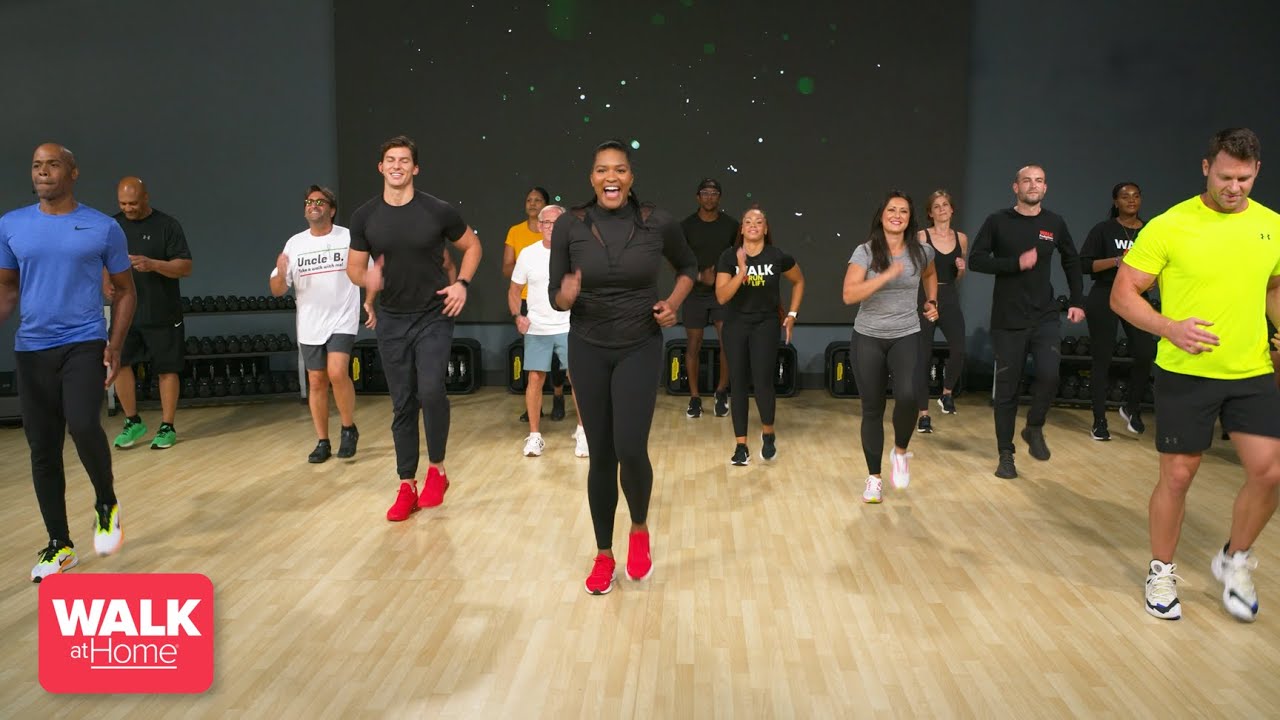
If you are exercising for less than 60 minutes at an easy to moderate pace, water is usually enough. Once exercise gets longer, harder, or hotter, the equation changes.
For endurance sessions, team sports, interval training, hot yoga, long hikes, and outdoor work in the sun, an isotonic drink can support steadier performance. It helps replace what sweat takes out, and it may help you avoid the drop-off that comes when dehydration starts to affect circulation, cooling, and muscle function.
It also helps during back-to-back efforts. If you train in the morning and again later, or if you work physically demanding shifts on consecutive days, better rehydration is not just about feeling better now. It is about starting the next effort in a stronger place.
What about recovery?
Recovery is where many people underestimate hydration. If you finish an activity significantly dehydrated, your recovery slows down. You may feel more fatigued, more headachy, and less ready for what comes next.
Water helps, but an isotonic drink can be more practical when you need to recover fluid and electrolytes quickly. That is particularly true after long runs, intense gym sessions, tournaments, or hours spent working outside in the heat. Faster rehydration can support better recovery, fewer dehydration symptoms, and a smoother return to normal energy.
For many active adults, this is the deciding factor. The question is not whether water is good. It is whether water is enough for the demand you just placed on your body.
How heat changes the equation
Heat raises the stakes. The hotter it gets, the harder your body works to cool itself, and the more you sweat. That means faster fluid loss, greater sodium loss, and a higher chance of dehydration affecting how you feel and perform.
On hot days, the isotonic drink vs water question becomes more practical than theoretical. If you are out on a trail, on a court, on a roof, or at a jobsite for hours, relying on plain water alone may not keep up. Electrolytes can help maintain hydration status and reduce the strain that heat places on the body.
This is also true if you are a salty sweater or someone who cramps easily. Those people often notice a clear difference when they use an isotonic drink during or after heavy sweating.
Choosing the right hydration strategy
The best hydration plan is not complicated. Match the drink to the situation.
If your day is low-sweat and low-intensity, water is likely enough. If you are sweating hard, exercising longer, dealing with heat, or trying to recover fast, an isotonic drink makes more sense. Many people benefit from using both - water for general hydration, isotonic support when the demand rises.
It also helps to think beyond the workout itself. Travel, dry air, long flights, festivals, physically demanding jobs, and stomach bugs can all increase hydration needs. In those moments, a clean isotonic option can be more useful than plain water alone.
That is one reason products like Vitalyte have stayed relevant for decades. A glucose-based isotonic formula with electrolytes and clean ingredients gives active people a simple tool for real-world hydration, without artificial colors, sweeteners, or other extras they do not want.
The bottom line on isotonic drink vs water
Water is foundational. You need it every day, and for many situations it is all you need. But when sweat loss is high, recovery matters, or performance is on the line, an isotonic drink can do something water cannot - replace fluids and electrolytes in a way that supports faster, more effective rehydration.
That does not mean you should swap every glass of water for a hydration mix. It means you should use the right tool at the right time. Keep water as your daily default. Bring in an isotonic drink when conditions are tougher, the workout is longer, or the heat is working against you.
Your body is usually pretty clear about the difference. When hydration matches the effort, you feel steadier, recover better, and spend less time trying to play catch-up.
What's Your Reaction?
 Like
0
Like
0
 Dislike
0
Dislike
0
 Agree
0
Agree
0
 Disagree
0
Disagree
0
 Excellent
0
Excellent
0
 Useful
0
Useful
0
 Great
0
Great
0