



























































Is Waxing Still Holding Its Own Against Laser?
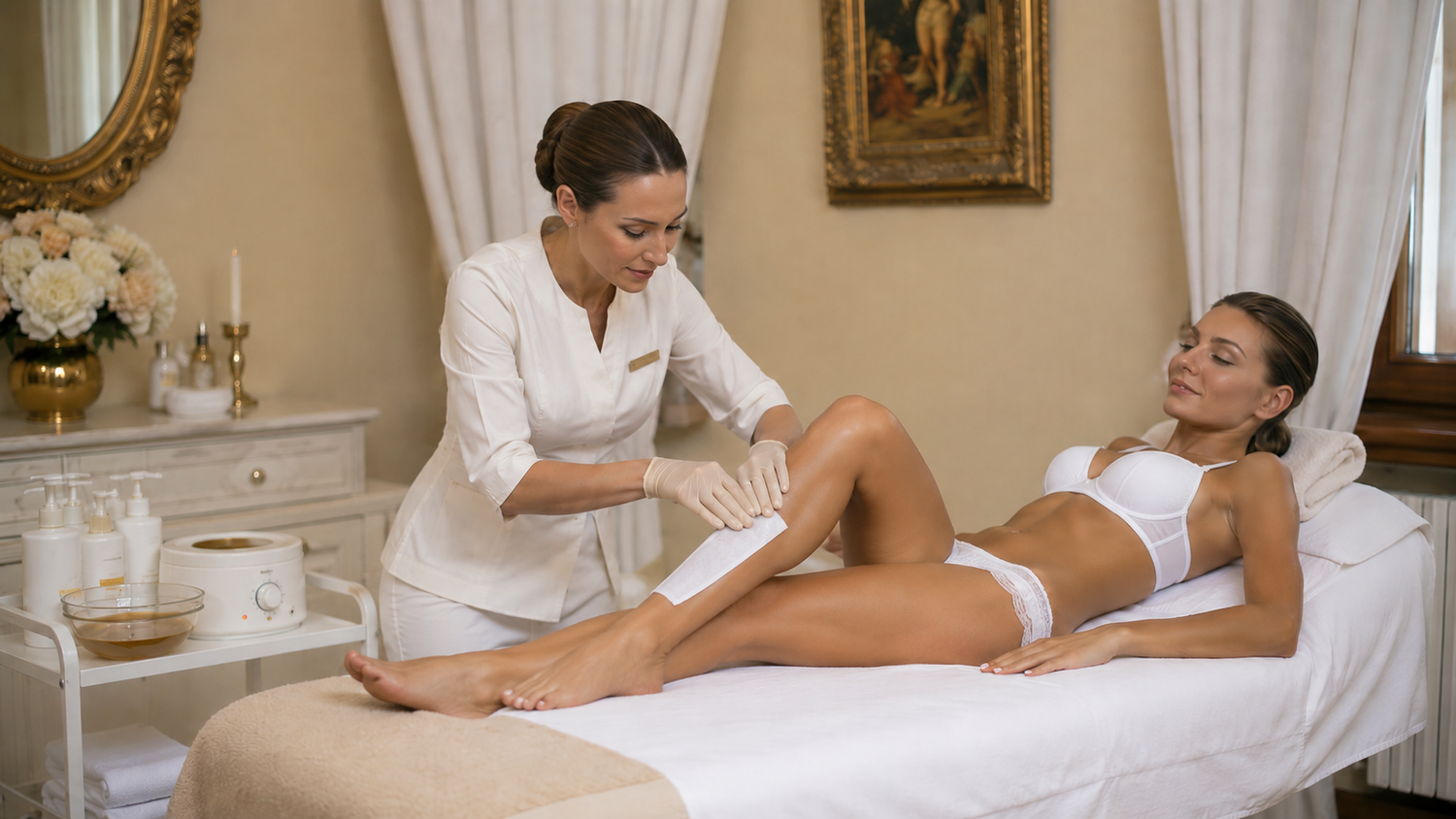


Laser hair removal has walked out of the specialist clinic and onto the high street. Package pricing, celebrity endorsement and a wave of at-home IPL devices have turned what was once a considered medical purchase into something clients discuss casually over a coffee. For salons that have relied on waxing as a repeat-booking staple, the question is difficult to avoid. If laser is faster to results in the long run and clients no longer flinch at the price, is the waxing room being quietly left behind?
The lowdown is that waxing is not being replaced so much as forced to justify itself on different terms. Where it once sat unchallenged as the default for smooth skin, it now has to compete on immediacy, accessibility, inclusivity and the trust a client places in a therapist they know. Salons that understand where waxing still holds a clear advantage, and where it genuinely does not, are the ones treating it as a considered service rather than a rushed line on the price list - so as always, it comes down to client education.
The laser boom is real
There is no point pretending laser is a passing trend. The global laser hair removal market is forecast to reach around US$3.12 billion by 2033, growing at a compound annual rate of roughly 12 per cent from 2026, with beauty clinics leading demand for the devices. In the UK specifically, laser hair removal remains the single largest application within the broader aesthetic laser market, and the UK is one of the fastest-growing regional markets in Europe.
At-home IPL has added another layer. Consumer titles now review handheld devices alongside serums and hair tools, and the marketing leans heavily on convenience and reduced regrowth. Reviews describe them as less powerful than professional treatment and better understood as maintenance than as a full replacement for clinic work, meaning that the clinic remains in the conversation.
None of this makes waxing obsolete. The global hair-removal wax market was valued at several billion dollars in 2024 and continues to grow, driven partly by demand for cleaner and lower-temperature formulations. Two things are expanding at once and the mistake is reading laser's growth as waxing's decline.
Where waxing still wins
The clearest advantage waxing holds is time. A client can book on a Wednesday and leave smooth for an event on the Friday. Laser cannot do that. It requires a course of treatments, patch testing, shaving before each session, aftercare restrictions and patience across months. Laser tends to be a long-term reduction rather than a permanent one-off fix, with most people needing around six treatments and periodic maintenance afterwards. For the client who wants a result today, waxing has an advantage laser simply cannot match.
The second advantage is inclusivity across hair colour. Laser depends on pigment in the hair absorbing the light, which is why it performs poorly on grey, white, blond and red hair. Laser is less effective on hair that does not absorb light well while waxing has no such limitations. It works regardless of pigment, which makes it the appropriate choice for older clients, fair-haired clients, clients with grey regrowth and clients with hormonal facial hair that laser handles unpredictably. Any salon presenting laser as suitable for everyone is misleading a proportion of its clientele.
There is also the matter of the client who cannot commit. Laser asks for money upfront and attendance across a schedule. Waxing asks for neither. It suits the client who wants flexibility, who travels, whose budget does not stretch to a package, or who simply prefers not to lock themselves into a course. That accessibility is commercially valuable precisely because it captures clients laser pricing filters out.
Finally, waxing is a relationship service in a way laser rarely is. Intimate waxing in particular depends on a client feeling comfortable, respected and safe with a specific therapist. That loyalty is difficult for a transactional laser chain or an at-home device to replicate. The client who trusts their waxing therapist with a Hollywood is not easily tempted away by a discount elsewhere.
Where laser genuinely has the edge
For the client with dark hair and suitable skin contrast who is tired of monthly maintenance, laser is the better long-term proposition. It suits clients plagued by recurrent ingrown hairs, clients willing to invest upfront for fewer appointments over time, and younger clients drawn to low-maintenance routines and beauty tech. We know that laser works best on light skin with dark hair, though advances have widened the range of skin tones that can be treated safely.
The salon that positions laser and waxing as enemies misreads how clients actually behave. Most do not choose one method for life. They wax before a holiday and laser through the winter. They laser their legs but wax their brows. They laser underarms but keep waxing the bikini line with a therapist they trust. They pause laser during pregnancy or hormonal change and return to waxing. They run an IPL device at home yet still book professional intimate waxing because they will not attempt it themselves. The client is rarely loyal to a method. They are loyal to whatever solves the immediate problem.
Waxing carries a higher standard now, not a lower one
Where waxing has lost ground, it is often self-inflicted. Treated as a quick, cheap, routine service, it invites exactly the reputation that pushes clients toward laser. Waxing can cause inflamed follicles, redness, ingrown hairs and irritation when it is done without care. Facial waxing carries additional risk because so many clients now use retinoids and acids and a rushed consultation that misses key factors in a client’s routine can result in a complaint.
Laser and IPL bring greater regulatory and safety obligations. In England, practitioners using certain lasers and IPL devices may need to register with the Care Quality Commission depending on the treatments offered, and the devices carry recognised hazards to eyes and skin that sit under formal standards and controls. UK occupational standards for laser and IPL hair reduction emphasise hazard control, individual treatment planning and aftercare. Waxing integrates into a salon menu with far less compliance weight, which is part of why it remains the more accessible service to offer well.
So to maintain a waxing service in the modern era, the key is to ensure it has the value it deserves. Waxing is frequently priced as a low-margin service, yet it demands skill, speed, product, room time, laundry, disposables and, in intimate work, considerable emotional labour. Pricing it as a basic maintenance task while delivering it as a specialist skin service is a gap that costs money.
There are practical questions worth putting to the team. Is intimate waxing priced to reflect the time, disposables and expertise it genuinely requires? Is aftercare being sold as retail, given that clients increasingly treat body skin the way they treat facial skin, and given that ingrown-hair prevention and barrier repair are a natural upsell? Should the salon offer both waxing and laser and refer clients between them rather than losing them entirely? And can waxing be repositioned in the client's mind as a professional skin service rather than a rushed grooming appointment? How are you educating the client on the benefits of waxing?
Waxing itself is definitely not dead; but the casual, underpriced waxing room may be. As laser becomes more affordable and at-home devices grow more capable, professional waxing has to compete on the things technology cannot replicate: immediacy, human skill, discretion, hygiene and the ability to treat clients who do not fit the ideal laser profile. Its future lies in specialist consultation, sensitive-skin awareness, visible hygiene, premium formulations, proper aftercare and genuinely professional intimate-service protocols.
Sign up with your email address to receive news and updates.
Subscribe
We respect your privacy. Thank you!
What's Your Reaction?
 Like
0
Like
0
 Dislike
0
Dislike
0
 Agree
0
Agree
0
 Disagree
0
Disagree
0
 Excellent
0
Excellent
0
 Useful
0
Useful
0
 Great
0
Great
0