








































Melasma Triggers You Didn’t Even Know About

Jun 6, 2026 - 23:20
 0  0
Melasma Triggers You Didn’t Even Know About

Melasma Triggers You Didn’t Even Know About

Melasma is one of the most frustrating forms of pigmentation to treat. While many people know that sunlight can worsen melasma, few realise that numerous hidden triggers can stimulate pigment-producing cells and cause dark patches to become more noticeable, spread, or return after treatment.

Discover the hidden melasma triggers and causes no one tells you about. Learn how hormonal hyperpigmentation develops, what worsens pigmentation and dark patches, and explore proven melasma treatment programmes and long-term management options available at our Cape Town clinics in Green Point, Somerset West, and Tyger Valley
What Is Melasma?

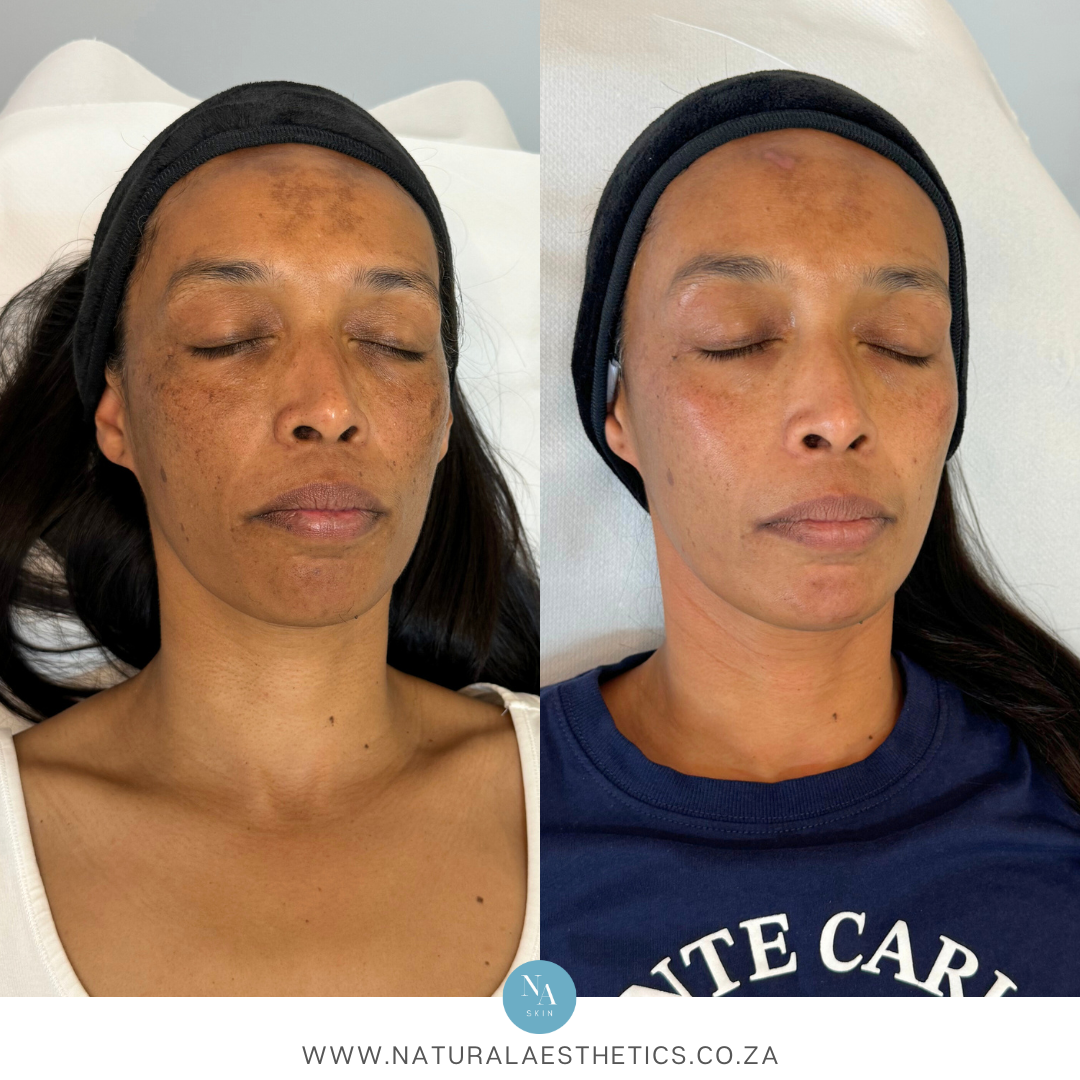
Melasma is a chronic pigment disorder that causes brown, grey-brown, or tan patches to develop on the skin. It most commonly affects the forehead, cheeks, upper lip, chin, and jawline.

Often referred to as hormonal pigmentation, melasma occurs when melanocytes, the cells responsible for producing pigment, become overactive and produce excess melanin.

Sun Exposure & Free Radicals: The Main Melasma Triggers

Melasma is not just triggered by sun exposure from UVB and UVA rays. It is also heavily influenced by Visible Light, heat, and Infrared-A radiation generated by the sun, as well as free radicals produced by sun exposure and other environmental stressors.

  • UVB (The Melanin Producer): Damages cellular DNA and causes immediate inflammation (sunburn). This triggers melanocytes (pigment cells) to flood the skin with defensive melanin, causing instant dark spots.

  • UVA (The Pigment Darkener): Penetrates deeply into the dermis year-round, even through glass. It instantly oxidises existing melanin (making it darker) and destroys collagen, trapping pigment deep within the skin.

  • Visible Light (The Stubborn Pigment Maker): Emitted by the sun and digital screens, this light penetrates deeper than UVA. It activates a receptor called Opsin 3, triggering highly stubborn, long-lasting pigmentation.

  • Infrared-A (The Heat Generator): Thermal energy from the sun (even in the shade), or prolonged exposure to heat dilates blood vessels and promotes angiogenesis (new blood vessel growth), releasing inflammatory proteins which triggers pigment production. 

  • Free Radicals (The Skin Damager): These are unstable molecules generated by multiple sources, like sun exposure, heat, air pollution or alcohol. They cause oxidative stress, which essentially leads to melanocytes constantly overproducing pigment.
Why Standard Sun Protection Is Not Enough

Sunscreens from standard pharmacies or salons often fall short when it comes to melasma because they lack the specific filters, ingredients, and oral supplements needed to protect against UVA, Visible Light (VL), Infrared-A (IR-A), and free radical damage.

The Wrong Product: Clear chemical or mineral sunscreens lack iron oxides, meaning they offer zero protection against Visible Light. They also fail to neutralize heat-induced damage.

The Right Product: Melasma requires an SPF 50+ explicitly labeled “Broad Spectrum” or “PA++++” to stop UVA. It must contain iron oxides (tinted formulas) to block Visible Light, and topical antioxidants to neutralize Infrared-A heat.

Oral Sun Protection: Daily Heliocare 360° Capsules act as an internal shield. They neutralise free radicals before they can signal pigment cells to overproduce melanin. Clinical research shows adding these capsules to topical SPF results in a faster, greater reduction in melasma size and intensity than using sunscreen alone.

Reapplication Matters: Sunscreen degrades and must be reapplied every 4 hours indoors to protect against window glare and digital screens.

Outdoor Rules: Sunscreen must be reapplied every 2 hours outdoors. This should be combined with shade, wide-brimmed hats, and UV-protective sunglasses to fully prevent flare-ups.

Environmental Triggers That Can Worsen Melasma

Many environmental factors can stimulate melanocytes and worsen pigmentation, even without direct sun exposure.

Heat Triggers: Saunas, steam rooms, jacuzzis, hot tubs, hot yoga, overly hot showers, prolonged cooking, and high heat settings on hair dryers may worsen melasma.

Light Triggers: High-Energy Visible (HEV) light from phones, computers, and LED screens may stimulate melanocytes, particularly in darker skin types.

Product Triggers: Perfumed skincare products, artificial fragrances, citrus oils, bergamot oils, and essential oils may cause low-grade irritation that contributes to pigmentation.

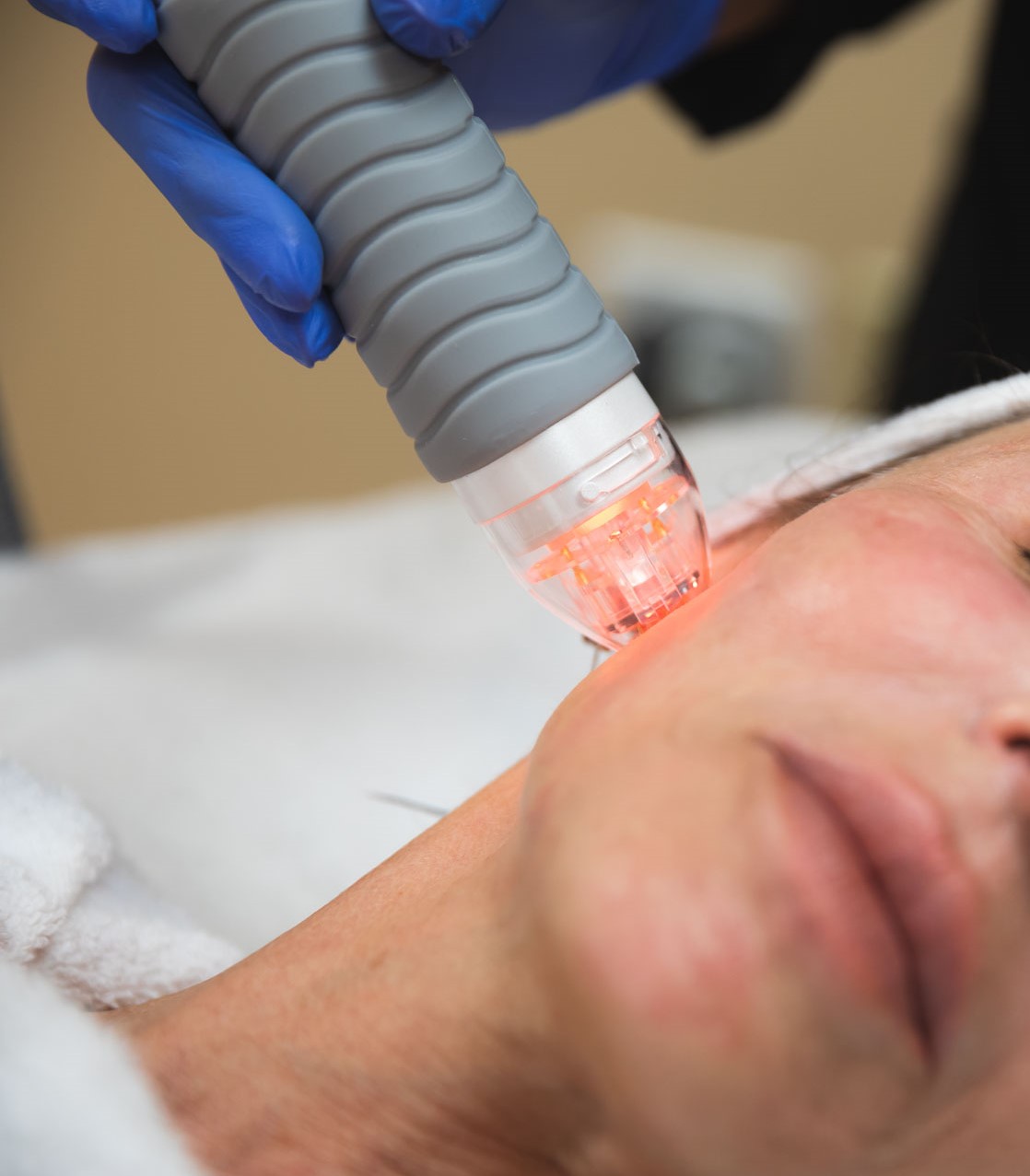
Treatment Triggers: IPL, BBL, laser treatments, microneedling, radio frequency treatments, aggressive chemical peels, waxing, threading, and plucking may worsen pigmentation in susceptible individuals.

Stress and Melasma: The Overlooked Connection

Hormonal changes are one of the most common underlying causes of melasma.

Hormonal Changes: Pregnancy, oral contraceptives, hormone replacement therapy, menopause, and hormonal imbalances may trigger or worsen pigmentation.

New Medication: Certain medications may increase photosensitivity or affect pigment production, making the skin more prone to developing dark patches.

Discover the hidden melasma triggers and causes no one tells you about. Learn how hormonal hyperpigmentation develops, what worsens pigmentation and dark patches, and explore proven melasma treatment programmes and long-term management options available at our Cape Town clinics in Green Point, Somerset West, and Tyger Valley
Dietary Factors and Inflammation

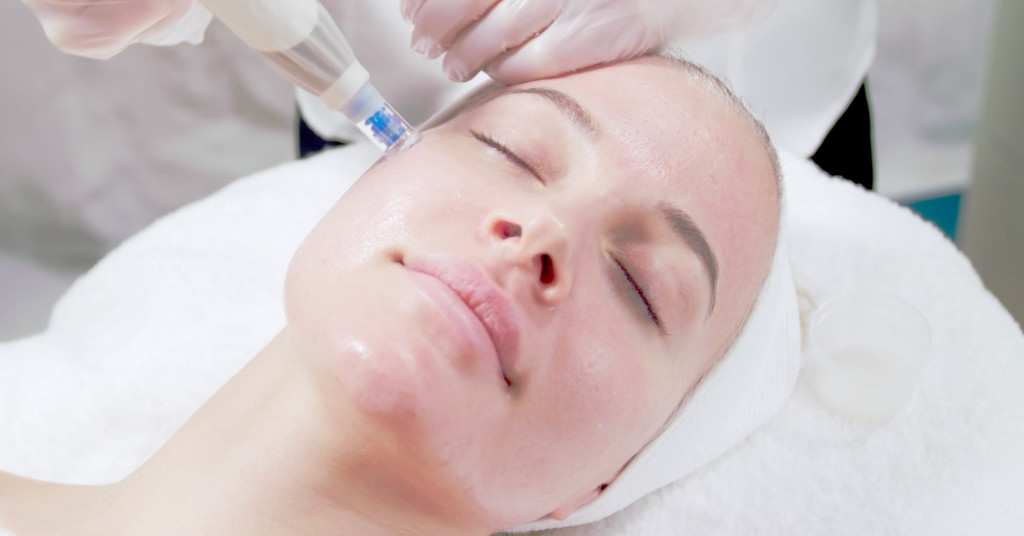
Dermapen 4™ Microneedling treatments are available Natural Aesthetics clinics across Cape Town. For your convenience, bookings can be made online.

  • Dietary Triggers: Nestled in the vibrant heart of the Atlantic Seaboard, offering privacy, easy accessibility, and free parking.

  • Antioxidant Support: Located within the Tygervalley Chambers in the Northern Suburbs, providing a private setting with convenient access and free parking.

Hormonal Triggers and Medication Impact

Ageing and sun-damaged skin develop when the skin’s structural components, particularly collagen and elastin, are broken down over time by UV exposure and natural ageing. This leads to thinning skin, uneven tone, wrinkles, and loss of firmness. 

  • Hormonal Changes: Affect the outer layer (epidermis), causing surface thinning, dryness, and uneven texture.

  • New Medication: Penetrate deeper into the dermis, damaging collagen and elastin, resulting in sagging and wrinkles.
Discover the hidden melasma triggers and causes no one tells you about. Learn how hormonal hyperpigmentation develops, what worsens pigmentation and dark patches, and explore proven melasma treatment programmes and long-term management options available at our Cape Town clinics in Green Point, Somerset West, and Tyger Valley
Doctor-Led Treatment Options for Melasma

Professional treatment often forms part of a comprehensive melasma management programme.

Hydroquinone Programme: Our doctor-led Hydroquinone Programme helps suppress excess pigment production while improving stubborn pigmentation and dark patches.

The Cosmelan Method: Cosmelan is a professional depigmentation treatment designed to reduce visible pigmentation and help regulate melanocyte activity.

Skin Tech TCA Chemical Peel Courses: TCA Chemical Peels help improve pigmentation, skin texture, and overall skin quality through controlled skin renewal.

Long-Term Management: Successful melasma management requires ongoing maintenance, trigger avoidance, daily sun protection, and professional skincare support to keep pigmentation under control.

Before & after

Google Reviews

FREQUENTLY ASKED QUESTIONS

Here are some of the most common questions we receive from patients across our clinics in Cape Town and Somerset West regarding melasma. If you have other questions or concerns about this treatment, please schedule a consultation with one of our doctors for personalised guidance.

Natural Aesthetics is a doctor-led aesthetic practice group with conveniently located clinics across Cape Town, in Green Point, Tyger Valley, and Somerset West.

Since 2015, we have helped thousands of patients achieve their skincare and aesthetic goals, we are proud to maintain Google Review ratings of between 4.8 and 4.9 stars across our clinics.

Yes. A topical doctor-prescribed 30% Lidocaine anaesthetic cream is applied before your Dermapen treatment to ensure comfort throughout the procedure.

Yes, when performed by trained professionals. At Natural Aesthetics, all Dermapen 4™ treatments are carried out using sterile, single-use needles under medical supervision, ensuring optimal safety and hygiene.

Avoid active skincare products such as retinoids, exfoliants, and acids for at least 3–5 days before treatment. It’s also best to limit sun exposure and arrive with clean, makeup-free skin.

Avoid makeup, exercise, and direct sun exposure for 24 hours. Use a gentle cleanser, hydrating serum, and broad-spectrum SPF daily. Your therapist will provide personalised aftercare instructions and product recommendations.

Downtime is minimal. You may experience mild redness and sensitivity for 12–48 hours, similar to light sunburn, after which the skin usually returns to normal.

It’s suitable for most healthy adults and all skin types, for both lighter and darker complexions. However, it’s not recommended during pregnancy or for those with active acne, eczema, or certain skin infections.

A typical Dermapen treatment takes about 60 minutes, including preparation, numbing, and the procedure itself.

The post Melasma Triggers You Didn’t Even Know About appeared first on Natural Aesthetics.

What's Your Reaction?

Like Like 0
Dislike Dislike 0
Agree Agree 0
Disagree Disagree 0
Excellent Excellent 0
Useful Useful 0
Great Great 0
Edusehat Platform Edukasi Online Untuk Komunitas Kesehatan Agar Mendapatkan Informasi Dan Pengetahuan Terbaru Tentang Kesehatan Dari Nasional Maupun Internasional. || An online education platform for the health community to obtain the latest information and knowledge about health from both national and international sources.