


































































Medical Grade Laser Versus Cosmetic Laser: Key Differences 2026


With the popularity of laser treatments soaring in 2026, the need to distinguish between a medical grade laser and cosmetic options is more crucial than ever. Many consumers find themselves confused about which type of laser is best for their skin concerns.
This article will clarify the differences, helping you understand what sets a medical grade laser apart from cosmetic devices. We will break down definitions, technology, safety, effectiveness, regulations, and offer guidance on choosing the right laser for your needs.
Stay with us to learn how to make informed decisions and achieve safe, effective results from your next laser treatment.
What Are Medical Grade Lasers?
Understanding what sets a medical grade laser apart is essential for anyone considering advanced skin treatments. These specialized devices are at the forefront of dermatology and aesthetic medicine, delivering results that standard cosmetic lasers simply cannot achieve.
Definition and Core Characteristics
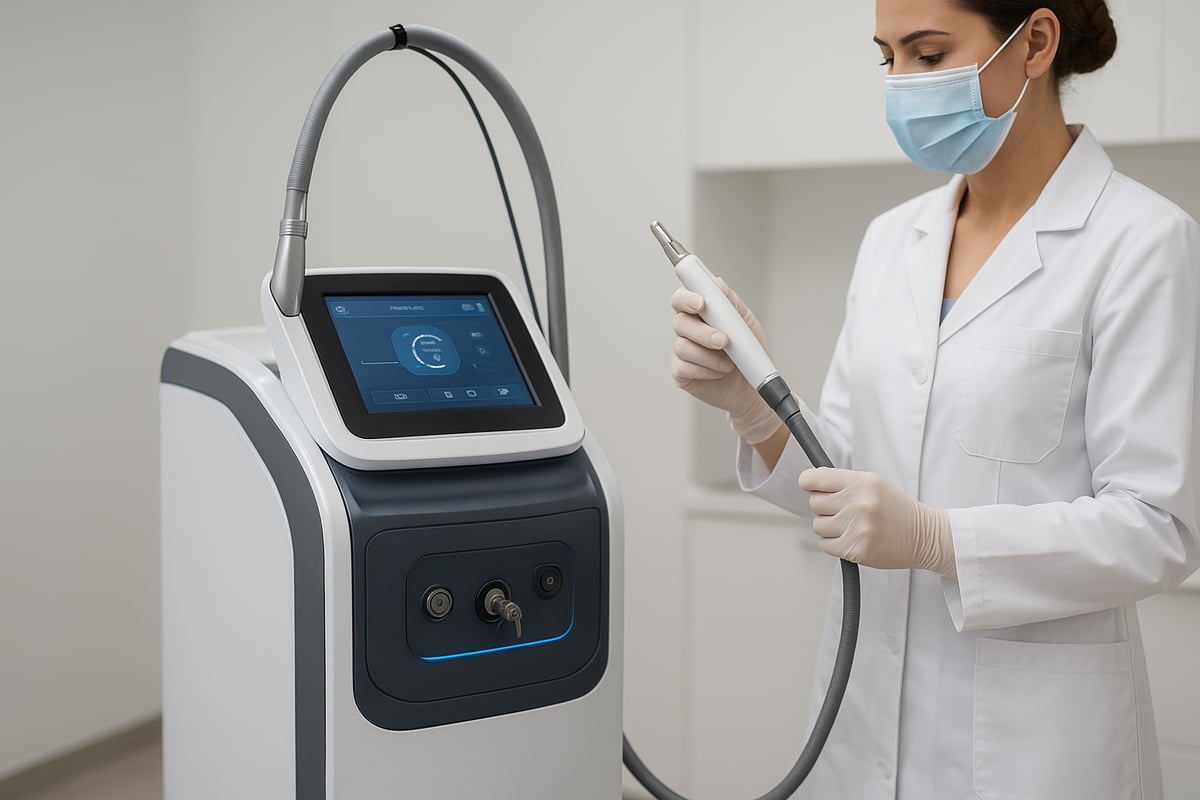
A medical grade laser is a sophisticated energy-based device used in dermatology and medical settings to treat a variety of skin conditions. Unlike cosmetic lasers found in salons or spas, medical grade lasers are regulated by authorities such as the FDA in the United States and the TGA in Australia. These regulations require extensive clinical testing to ensure both safety and proven efficacy.
You will typically find a medical grade laser in clinics, hospitals, and dermatology offices. Only licensed medical professionals, such as dermatologists and specialized nurses, are authorized to operate these devices. This strict oversight is crucial given the higher power output and enhanced precision that a medical grade laser provides compared to cosmetic alternatives.
Medical grade lasers are designed to penetrate deeper skin layers and target specific tissue types with remarkable accuracy. This precision allows for effective treatment of challenging concerns, from acne scars and vascular lesions to deep skin resurfacing and tattoo removal.
Common types of medical grade lasers include:
| Laser Type | Typical Applications |
|---|---|
| Fractional CO2 | Deep resurfacing, acne scars, wrinkles |
| Er:YAG | Fine lines, superficial resurfacing |
| Nd:YAG | Vascular lesions, pigmentation, hair removal |
| Alexandrite | Tattoo removal, pigmented lesions |
Each medical grade laser type is selected based on the individual patient’s skin condition and treatment goals. The choice of wavelength, power, and pulse duration is tailored for maximum effectiveness with minimal risk.
Stringent safety protocols are always in place for every medical grade laser procedure. Pre-treatment screening, real-time monitoring, and emergency readiness ensure that patients receive the highest standard of care.
Advancements in Medical Grade Laser Technology (2026)
The year 2026 has brought significant advancements in medical grade laser technology, making treatments safer, faster, and more effective. One of the most notable innovations is improved targeting, which allows a medical grade laser to address only the affected tissue while leaving surrounding skin untouched. This results in shorter recovery times and less discomfort.
Artificial intelligence is now being integrated into many medical grade laser systems. AI-assisted calibration ensures that every pulse is optimized for the patient’s skin type and treatment area, reducing the risk of side effects. Additionally, new imaging technologies enable practitioners to customize treatment plans in real time, enhancing both safety and outcomes.
Recent studies show that these advancements have led to higher rates of patient satisfaction and long-term results. Next-generation fractional lasers, for instance, are now used to treat deep acne scars with remarkable efficacy and fewer sessions required. For more information about how fractional RF technology is enhancing outcomes in medical grade procedures, explore the Fractora Frequently Asked Questions.
The medical grade laser field continues to evolve rapidly, driven by ongoing research and technological breakthroughs. As devices become smarter and more precise, patients can expect even better results with minimized risks. Licensed professionals are trained to stay updated with these innovations, ensuring that every medical grade laser session is both safe and effective.
What Are Cosmetic Lasers?
Cosmetic lasers have become a popular choice for individuals seeking non-invasive solutions for skin and hair concerns. Unlike the medical grade laser, cosmetic lasers are primarily designed for aesthetic improvements rather than medical treatments. These devices focus on enhancing superficial skin appearance, making them accessible in a variety of settings outside traditional medical environments.
Definition and Core Characteristics
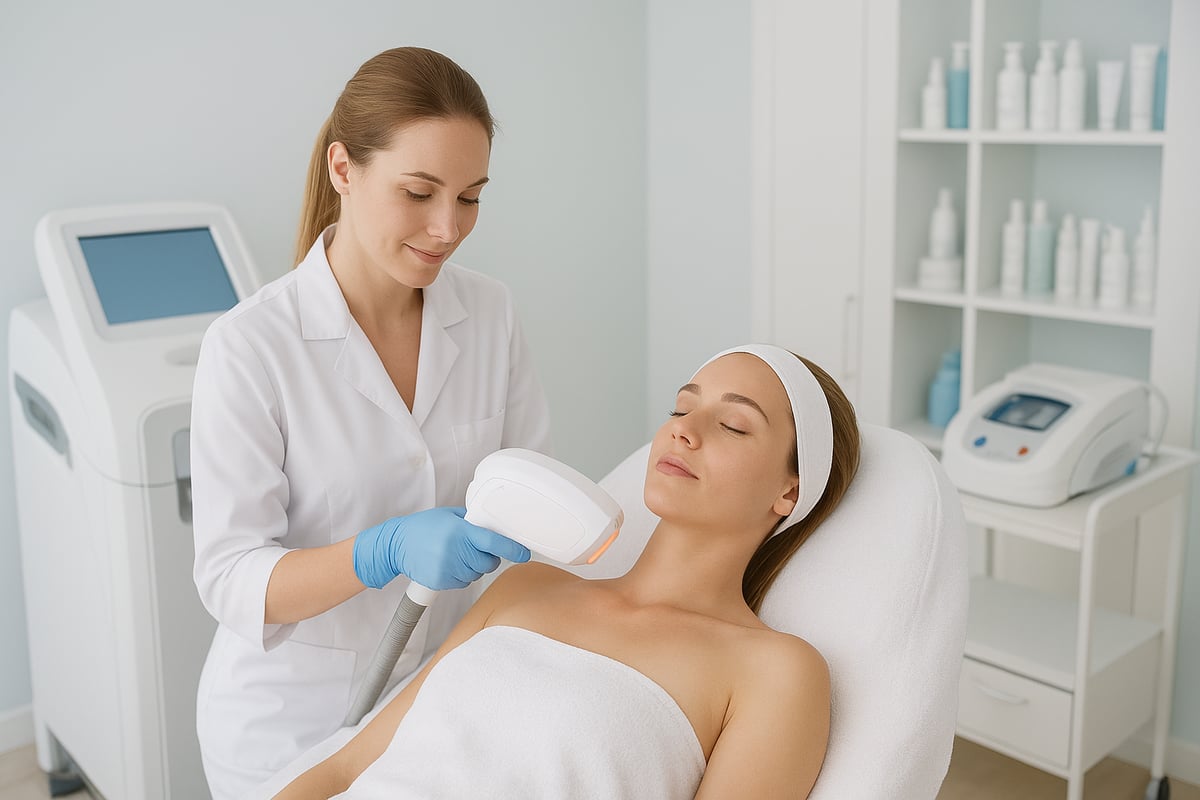
A cosmetic laser is a device engineered to target the skin’s surface for aesthetic purposes. It differs significantly from a medical grade laser in both power and intended use. Cosmetic lasers operate at lower energy levels, which means they are less likely to penetrate deeply into the skin or address complex medical conditions.
These devices are commonly found in non-medical settings such as salons, day spas, and beauty clinics. Regulatory requirements for cosmetic lasers are generally less strict than those for a medical grade laser, allowing a wider range of professionals to operate them. In many regions, technicians or aestheticians can perform treatments with minimal medical supervision, which makes these services more accessible but can also introduce variability in safety and results.
Typical cosmetic laser applications include hair removal, skin rejuvenation, reduction of mild pigmentation, and gentle resurfacing. Compared to a medical grade laser, cosmetic lasers are ideal for clients seeking improvements in skin texture and tone without the downtime associated with more intensive procedures.
Common devices in this category include Intense Pulsed Light (IPL), diode lasers for hair removal, and low-level laser therapy for skin revitalization. IPL, in particular, is widely used to reduce facial redness and treat light pigmentation issues. For readers interested in the science and benefits of this technology, further details are available in the Benefits of IPL Photofacials.
Common Cosmetic Laser Devices and Uses
In 2026, the cosmetic laser market features a diverse array of devices tailored for specific aesthetic goals. Popular choices include diode lasers for permanent hair reduction, IPL systems for skin tone correction, and fractional non-ablative lasers for mild resurfacing. These devices are often selected for their ability to deliver noticeable results with minimal discomfort and recovery time.
A notable trend is the rise of portable, home-use cosmetic lasers that allow users to perform basic treatments outside professional settings. Hybrid systems that combine multiple light and laser technologies are also gaining traction, offering versatility in addressing various superficial skin concerns.
Despite their convenience, cosmetic lasers have limitations compared to a medical grade laser. They are not recommended for treating deep scars, pronounced vascular lesions, or severe acne, as their lower power output cannot reach deeper layers of the skin. For example, while IPL is effective for mild pigmentation and redness, it is not suitable for addressing complex dermatological conditions that require the precision of a medical grade laser.
When considering cosmetic laser treatments, it is important to weigh the benefits against the limitations. Understanding the scope and safety of these devices can help you choose the most appropriate option for your skin goals.
Key Differences Between Medical Grade and Cosmetic Lasers
Understanding the distinction between medical grade laser systems and cosmetic lasers is essential for anyone considering laser-based skin treatments. These differences span technology, safety, effectiveness, operator expertise, and even cost. Let’s break down each area to clarify what sets them apart.
Technology and Power Output
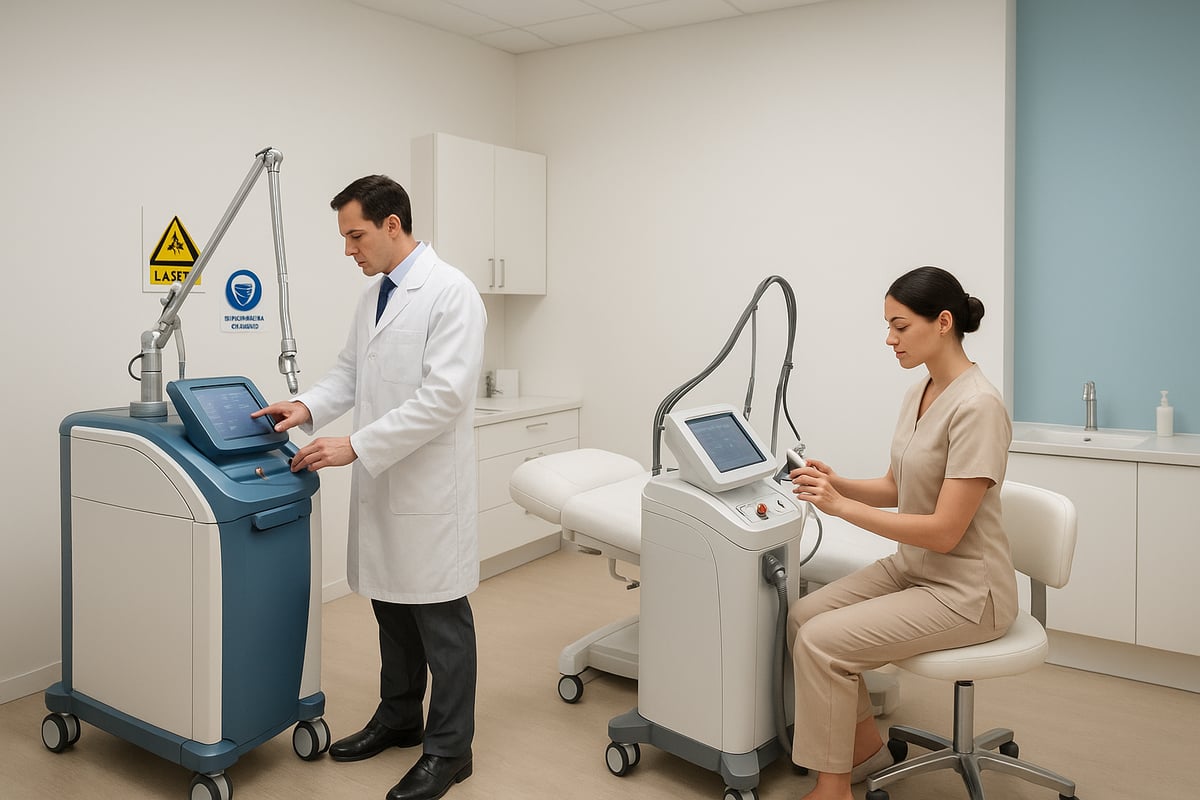
The core difference between medical grade laser and cosmetic laser devices is in their technology and power. Medical grade laser systems use higher energy outputs, precise wavelengths, and controlled pulse durations. This allows them to penetrate deeper skin layers and address complex issues like deep scars, vascular lesions, and tattoo removal.
Cosmetic lasers, by contrast, operate at lower power and are often designed for surface-level treatments. Devices like IPL (Intense Pulsed Light) or diode lasers are commonly used for hair removal and mild skin rejuvenation.
| Feature | Medical Grade Laser | Cosmetic Laser |
|---|---|---|
| Power Output | High | Moderate to Low |
| Precision | Advanced | Basic |
| Applications | Medical & Aesthetic | Primarily Aesthetic |
| Settings | Clinics, Hospitals | Salons, Spas |
The medical grade laser market is rapidly evolving, with new devices offering improved targeting and safety. According to Global Medical Lasers Market Growth Projections, advancements in technology are driving both effectiveness and safety in professional settings.
Safety and Risk Management
Safety protocols are far more stringent with medical grade laser treatments. Procedures require thorough patient screening, pre-treatment consultations, and emergency protocols. Licensed physicians or specially trained nurses perform treatments, ensuring immediate medical care if complications arise.
Cosmetic laser procedures, however, often have less oversight. Treatments are typically administered by technicians or aestheticians with basic certification. This increases the risk of burns, pigmentation changes, or scarring, especially if the device is not properly calibrated.
Reports show that adverse events are more common in non-medical settings, making it crucial for consumers to choose providers wisely. The higher standards associated with medical grade laser help mitigate these risks.
Treatment Effectiveness and Range
Medical grade laser systems are designed for a broader range of skin concerns, from deep acne scars to vascular lesions and complex pigmentation issues. Their advanced technology delivers consistent and long-lasting results, often after fewer sessions.
Cosmetic lasers, on the other hand, are best for surface-level treatments like hair removal or mild rejuvenation. While effective for these purposes, they cannot address deeper or more stubborn conditions.
For example, acne scar revision with a medical grade laser yields more dramatic improvements compared to cosmetic laser alternatives. This makes medical grade laser the preferred choice for patients with challenging skin concerns.
Operator Training and Supervision
A key distinction is the level of expertise required to operate each device. Medical grade laser procedures must be performed by doctors or registered nurses with specialized training in laser safety and dermatology. Regulatory bodies mandate ongoing education and strict adherence to safety protocols.
Cosmetic lasers are often operated by technicians who may only complete a short certification course. This difference in training impacts both safety and results. In 2026, regulations increasingly require clinics to verify practitioner qualifications and device authenticity, raising standards across the industry.
Patients should always inquire about the credentials of their provider before undergoing any laser treatment. The expertise behind a medical grade laser procedure can be a deciding factor in outcome and safety.
Cost and Accessibility
Medical grade laser treatments tend to be more expensive due to advanced equipment, higher safety standards, and professional oversight. In some cases, insurance may cover costs if the treatment is medically necessary, such as for certain vascular lesions or scarring.
Cosmetic laser treatments are generally more affordable and accessible, offered in beauty clinics and spas. However, results may require more sessions, and the lower upfront cost does not always translate to better value.
When considering cost, it is important to weigh the benefits of medical grade laser in terms of efficacy and long-term results. The investment in a medical grade laser treatment often leads to greater satisfaction and fewer complications, justifying the higher price for many patients.
Regulatory Standards and Oversight in 2026
In 2026, the regulatory landscape for lasers is evolving rapidly. Understanding the difference in oversight between medical grade laser systems and cosmetic lasers is essential for anyone considering treatment. Regulatory standards help ensure safety, efficacy, and accountability, and they directly impact patient outcomes.
Medical Grade Laser Regulations
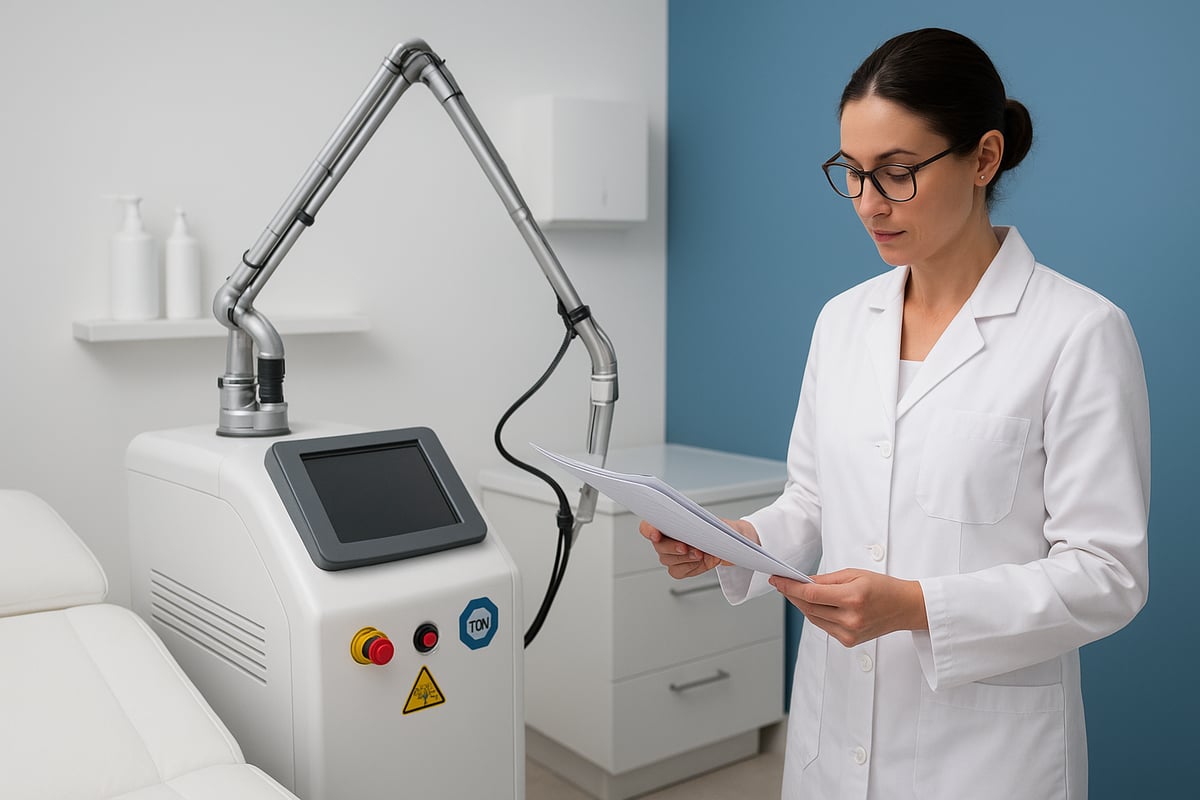
Before a medical grade laser can be used in clinical settings, it must pass comprehensive clinical trials and demonstrate both safety and efficacy for its intended use. Manufacturers are required to register their devices, report adverse events, and adhere to ongoing post-market surveillance. This high level of oversight is designed to protect patients and maintain trust in advanced laser technologies.
Facilities that use medical grade laser equipment must also be licensed and regularly inspected. Only qualified medical professionals, such as dermatologists or trained nurses, are permitted to operate these systems. Regulatory bodies often mandate ongoing education and certification to ensure practitioners stay up to date with technological advancements and safety protocols.
Recent years have brought even greater focus on innovation and safety. For example, advancements in laser processing and device design are continuously reviewed by regulatory agencies to improve outcomes and minimize risks. For a deeper look at how these improvements impact safety and functionality, see Advancements in Laser-Processed Medical Devices.
Additionally, some medically necessary laser treatments may be eligible for Medicare or insurance rebates, further distinguishing them from cosmetic procedures. These measures reinforce the importance of choosing a qualified provider and a properly regulated environment for any medical grade laser treatment.
Cosmetic Laser Regulations
In contrast, cosmetic laser devices are often subject to less stringent regulation. Many cosmetic lasers are classified as lower-risk devices, which means they do not always require the same level of clinical testing or post-market monitoring as medical grade laser systems. This difference in oversight can affect both safety and effectiveness.
Laws and standards for cosmetic lasers can vary widely by country, state, or province. In some regions, technicians or aestheticians may operate these devices with minimal formal training or supervision. Licensing requirements for facilities using cosmetic lasers are generally less rigorous, and the devices themselves may not undergo the same depth of regulatory review.
However, in response to rising reports of adverse events and consumer complaints, 2026 has seen several regions introduce tighter controls. New policies may include mandatory training, stricter certification for devices, and increased inspections of spas and beauty clinics. These changes aim to reduce risks such as burns, pigmentation changes, and ineffective results.
For consumers, it is now more important than ever to verify the credentials of both the provider and the device. Always ask about certifications, operator training, and the regulatory status of the equipment before proceeding with any cosmetic laser procedure. Being proactive about these details can help ensure a safer, more effective experience.
Safety, Risks, and Side Effects: What Patients Need to Know
Understanding the safety profile and potential risks of any laser treatment is essential before making a decision. Whether you are considering a medical grade laser or a cosmetic laser at a spa, knowing what to expect can help you avoid complications and achieve the best outcome.
Medical Grade Laser Risks and Mitigation
Medical grade laser treatments are performed in controlled environments by highly trained professionals. Common side effects include temporary redness, swelling, mild discomfort, or pigmentation changes. More rarely, infection or scarring can occur, especially if post-care instructions are not followed.
To minimize these risks, clinics follow strict protocols. Patients undergo a thorough consultation to assess suitability for a medical grade laser procedure. Pre-treatment screening identifies any underlying conditions or medications that could increase risk. During treatment, practitioners use calibrated devices and monitor patient response in real time.
Aftercare is equally important. Providers give detailed instructions to reduce complications, such as avoiding sun exposure and using prescribed skincare. These measures make medical grade laser procedures safer and more predictable than many cosmetic alternatives.
Cosmetic Laser Risks and Considerations
Cosmetic lasers, often found in salons and spas, are less powerful and typically operated by technicians rather than medical professionals. While these treatments are generally safe when performed correctly, the risk of burns, scarring, or uneven results increases if the device is misused or if proper protocols are not followed.
A lack of medical supervision means complications may not be recognized or treated promptly. For example, improper settings or inadequate skin assessment can lead to pigment changes or even permanent damage. According to Laser Hair Removal Insights, device type and operator experience play a significant role in safety and effectiveness.
Patients should be cautious about offers that seem too good to be true and always verify the provider’s credentials. The medical grade laser is less likely to result in severe side effects when compared to lower-grade equipment used outside medical facilities.
How to Ensure a Safe Experience
To protect yourself, always start by choosing a reputable clinic with a proven track record in medical grade laser treatments. Here is a checklist for a safer experience:
- Confirm the provider’s qualifications and licensing.
- Ensure the device is certified for its intended use.
- Ask for a detailed pre-treatment consultation.
- Request a patch test to assess skin reaction.
- Discuss all potential risks and side effects, as well as aftercare instructions.
It is vital to give informed consent before any laser procedure. The right clinic will prioritize your safety and be transparent about every step. By following these guidelines, you can maximize results while minimizing the risk of complications from a medical grade laser or cosmetic device.
Effectiveness and Outcomes: What to Expect
When considering laser treatments, understanding the expected outcomes is crucial. Both medical grade laser and cosmetic laser devices offer unique benefits, but their effectiveness varies widely depending on the technology, application, and your individual needs.
Medical Grade Laser Results
A medical grade laser is engineered for precision and deeper skin penetration, making it highly effective for conditions like acne scars, vascular lesions, and deep wrinkles. Treatments using medical grade laser devices often yield noticeable improvements after just one session, with optimal results typically seen after a series of treatments.
Before-and-after images from clinical studies showcase significant reductions in scar depth and improved skin texture. For example, fractional CO2 lasers have demonstrated long-term improvement in severe acne scarring, with patient satisfaction rates exceeding 85 percent in recent trials.
Patient testimonials frequently highlight the transformative results of medical grade laser treatments, especially for stubborn skin issues. Most protocols require three to five sessions, spaced several weeks apart, to achieve maximum benefits. The durability of outcomes is another key factor, as many patients report lasting improvements for several years with proper maintenance.
Advanced techniques, such as radio frequency microneedling, are now being combined with medical grade laser technologies to further enhance results and minimize downtime. These innovations contribute to higher safety and efficacy, making medical grade laser treatments a preferred choice for complex skin concerns.
Cosmetic Laser Results
Cosmetic laser treatments are popular for their convenience and lower cost, especially for hair removal, mild pigmentation, and superficial skin rejuvenation. While these devices are less powerful than medical grade laser systems, they still deliver visible improvements for suitable candidates.
For hair removal, cosmetic lasers like diode and IPL devices offer gradual reduction in hair growth, with most people needing six to eight sessions for optimal results. Pigmentation and redness can be improved, though the effects may be subtler and require ongoing maintenance treatments.
It is important to set realistic expectations. Cosmetic lasers typically cannot address deep scars or severe skin conditions. Their results are best for minor imperfections and overall skin brightness. Regular touch-ups are often necessary, as results may fade over time.
The booming demand for cosmetic laser procedures is reflected in market trends, with the energy-based aesthetic devices market projected to grow significantly through 2033. This growth has led to more at-home and hybrid devices, making cosmetic lasers even more accessible for everyday users.
Factors Influencing Outcomes
Several factors determine the success of both medical grade laser and cosmetic laser treatments. Your skin type and the severity of your condition play a major role. For instance, people with darker skin tones may require specific laser wavelengths to minimize the risk of pigmentation changes.
The quality of the device used and the skill of the operator are equally critical. A medical grade laser in the hands of an experienced dermatologist is more likely to deliver safe, consistent results. Conversely, inexperienced operators or uncertified devices can increase the risk of side effects, especially with cosmetic lasers.
Aftercare is another essential element. Proper post-treatment instructions, sun protection, and follow-up visits all contribute to better healing and longer-lasting results. Discussing your goals and medical history with a qualified provider helps ensure the most effective and personalized approach, whether you choose a medical grade laser or a cosmetic alternative.
Ultimately, understanding the unique characteristics of each laser type—and the factors that influence their success—empowers you to make informed decisions about your skin health.
How to Choose Between Medical Grade and Cosmetic Lasers
Choosing between a medical grade laser and a cosmetic laser can feel overwhelming, especially with today’s advanced options. Your decision should be informed by your skin concerns, provider qualifications, consultation insights, and the latest innovations. This guide will walk you through each step, helping you make a safe and effective choice.
Assessing Your Skin Concerns and Goals
Begin by identifying what you hope to achieve with laser treatment. Are you seeking to address deep acne scars, vascular lesions, or significant skin resurfacing? A medical grade laser is designed for complex conditions, offering higher power and precision for deeper results.
If your goals are focused on hair removal, mild pigmentation, or surface-level rejuvenation, a cosmetic laser may suffice. However, the depth and severity of your skin concern are crucial factors. For any persistent or challenging skin issue, consult a professional to determine if a medical grade laser is necessary.
Evaluating Provider Credentials and Facility Standards
Once you know your priorities, turn your attention to the provider and facility. Only licensed medical professionals should operate a medical grade laser. Verify your provider’s credentials, medical licensing, and specialized training in laser procedures.
Check that the clinic or facility meets industry standards for cleanliness and safety. Look for visible certifications, up-to-date equipment, and transparent protocols. Be cautious if a spa or salon offers advanced treatments with no medical supervision. These red flags may indicate a lack of compliance and increase your risk.
Questions to Ask During Consultation
A thorough consultation is essential before any laser procedure. Prepare a list of questions to ensure you understand the process and can make an informed decision.
- What type of laser is being used, and is it a medical grade laser?
- Are there potential risks or side effects specific to my skin?
- What is the expected downtime and aftercare?
- How many sessions are needed for optimal results?
- Is there cost transparency, and will insurance cover any portion if the treatment is medically necessary?
Open communication helps you set realistic expectations and fosters trust with your provider.
Personalization and Emerging Trends (2026)
The future of laser treatments is increasingly personalized. In 2026, clinics are adopting protocols tailored to your unique skin profile, often using AI and advanced imaging to optimize outcomes. This trend is mirrored in other specialties, as seen in AI Integration in Laser Dentistry, where artificial intelligence enhances precision and safety in medical grade laser procedures.
Ask your provider about the integration of such technologies and how they can benefit your results. Combining laser treatments with other modalities, like microneedling or topical therapies, can further enhance outcomes. Staying informed about these advancements ensures you receive the safest and most effective care.
Now that you understand the essential differences between medical grade and cosmetic lasers, you’re better equipped to make confident decisions about your skin health. If you’re still unsure which approach is right for your unique concerns or want expert guidance on the safest and most effective options, we’re here to help. At SkinScience, we combine scientific expertise with a personalized approach, ensuring every recommendation is tailored to your needs and goals. Take the next step toward healthier, more radiant skin—Book Your Personalized Skin Consultation Powered by Science, Proven by Results.The post Medical Grade Laser Versus Cosmetic Laser: Key Differences 2026 appeared first on SkinScience.
What's Your Reaction?
 Like
0
Like
0
 Dislike
0
Dislike
0
 Agree
0
Agree
0
 Disagree
0
Disagree
0
 Excellent
0
Excellent
0
 Useful
0
Useful
0
 Great
0
Great
0