
























































Fibroblasts and Skin Aging


Fibroblasts are the cells in the dermis responsible for producing and maintaining collagen, elastin, and the extracellular matrix that give skin its strength, thickness, and firmness. But fibroblasts age too. Over time, UV exposure, oxidative stress, DNA damage, telomere shortening, mitochondrial dysfunction, impaired autophagy and lysosomal function, loss of proteostasis, epigenetic changes, and cellular senescence can interfere with their ability to function normally. Aging fibroblasts produce and organize the extracellular matrix less effectively, while senescent fibroblasts can release inflammatory and collagen-degrading signals that further accelerate skin aging. Understanding why fibroblasts age helps explain many of the changes we see in aging skin, including wrinkles, sagging, thinning, and loss of resilience. This article will look at the major cellular processes that cause fibroblasts to age and lose their ability to keep skin healthy and strong.
Table Of Contents
Fibroblasts make collagen, elastin, and extracellular matrix.
Aging fibroblasts become less efficient and may senesce.
Healthy fibroblasts respond better to collagen-stimulating signals.
Skin care can stimulate, protect, and support aging fibroblasts.

Fibroblasts Collapse as We Age
In young skin, fibroblasts are stretched out and connected to structural proteins in the extracellular matrix (ECM). Think of the fibroblast as the center of a trampoline, held in place by many tiny “strings” connecting it to the surrounding ECM. When these strings pull on the fibroblast, the cell feels this tension, which triggers signals that tell it to perform important functions, including making collagen. The receptors that connect the fibroblast to the ECM and sense these mechanical forces are called integrins.
As we age, structural proteins in the ECM become damaged and fragmented, and some of these connections are lost. Like a trampoline with loose or broken strings, the fibroblast loses tension and becomes smaller, rounder, and more collapsed. Without normal mechanical tension, collagen-producing signals decrease and the fibroblast makes less collagen.

Why Do Fibroblasts Make Less Collagen as We Age?
Fibroblasts make collagen through a complex process that begins with collagen gene transcription, followed by production of procollagen chains, their modification and assembly into a stable triple helix, secretion from the cell, and formation of collagen fibrils in the extracellular matrix.
With age, several parts of this process become less efficient. TGF-β/SMAD signaling, one of the major pathways that tells fibroblasts to produce collagen, decreases, while oxidative stress activates AP-1 and MMPs, which both suppress new collagen production and increase breakdown of existing collagen. Fragmented collagen also provides less mechanical tension to fibroblasts, further reducing TGF-β signaling and collagen synthesis, creating a self-perpetuating cycle.
Why Do Fibroblasts Lose The Ability to Repair Themselves?
As fibroblasts age, the systems they use to repair and maintain themselves become less efficient. DNA damage, dysfunctional mitochondria, impaired autophagy and lysosomal function, telomere shortening, and epigenetic changes begin to accumulate. Eventually, some fibroblasts become so damaged that they enter cellular senescence and can no longer function like healthy younger fibroblasts.

Cellular Aging Processes That Affect Skin Cells
Many cellular processes must work properly for fibroblasts and other skin cells to function well and keep skin healthy and youthful-looking. The following sections discuss some of the most important processes that become disrupted with aging. Improving or “resetting” these processes may help restore healthier fibroblast function, increase cellular resilience, and potentially rejuvenate aging skin.
Autophagy
Autophagy is the cell's internal cleanup and recycling system. Fibroblasts use autophagy to identify damaged proteins, lipids, and organelles and deliver them to lysosomes for degradation and recycling. Efficient autophagy helps maintain cellular homeostasis and prevents damaged material from accumulating. With aging and chronic environmental stress, autophagy can become dysregulated or inadequate for the increasing burden of cellular damage. This contributes to oxidative stress, loss of proteostasis, fibroblast dysfunction, and cellular senescence.
Lysosomal Function
Lysosomes are the cellular structures that break down much of the material collected through autophagy. Their enzymes digest damaged proteins, lipids, and organelles so their components can be recycled. Aging can impair lysosomal efficiency and the completion of autophagic degradation. Cellular waste, including lipofuscin and damaged proteins, can then accumulate. Maintaining healthy lysosomal function is therefore an important part of keeping fibroblasts functional.
Mitochondrial Function
Mitochondria produce the energy fibroblasts need to maintain and repair the dermal extracellular matrix, make collagen, and repair DNA.. Aging mitochondria can become less efficient at producing ATP while generating abnormal levels of reactive oxygen species (ROS). Mitochondrial DNA and membranes can also become damaged. This combination of reduced energy production and increased cellular stress can impair fibroblast function and promote inflammation and cellular senescence.

DNA Damage and Repair
Fibroblast DNA is continually damaged by UV radiation, reactive oxygen species, environmental exposures, and normal cellular metabolism. Cells have DNA damage response and repair systems that identify and repair much of this damage. With aging, accumulated damage can exceed the cell's ability to repair it efficiently. Persistent DNA damage activates pathways such as p53/p21 and p16INK4A/Rb, which can stop the cell cycle and contribute to fibroblast senescence.
Loss of Proteostasis
Proteostasis means maintaining a healthy population of properly made, folded, and functioning proteins. Fibroblasts continually manufacture, fold, repair, and degrade proteins. Aging disrupts this quality-control system, allowing oxidized, misfolded, cross-linked, and otherwise damaged proteins to accumulate. Autophagy, lysosomes, molecular chaperones, and the proteasome all participate in proteostasis, making these aging processes closely interconnected.

Senescence
Senescence occurs when a stressed or damaged fibroblast permanently stops dividing but remains metabolically active. Instead of simply becoming inactive, many senescent fibroblasts develop a senescence-associated secretory phenotype (SASP) and release inflammatory cytokines, chemokines, growth factors, and matrix metalloproteinases (MMPs). These signals can increase inflammation, degrade extracellular matrix, and negatively affect neighboring cells. Accumulation of senescent fibroblasts is therefore an important contributor to skin aging.
Oxidative Stress
Oxidative stress occurs when reactive oxygen species exceed the cell's antioxidant and repair capacity. UV exposure, pollution, inflammation, and mitochondrial metabolism can all increase ROS. Excess ROS can damage DNA, proteins, lipids, and mitochondria, creating a cycle in which cellular damage produces additional oxidative stress. Chronic oxidative stress can eventually contribute to fibroblast dysfunction and senescence.
Dysregulated Nutrient Sensing and mTOR
Fibroblasts constantly assess nutrients, energy availability, and growth signals to decide whether to grow and synthesize proteins or conserve resources and perform cellular maintenance. mTOR is one of the central regulators of this decision. Persistent or inappropriate mTOR signaling with aging may favor growth-related processes at the expense of autophagy and cellular maintenance. Temporarily modifying this signaling is one approach being investigated as a way to improve cellular resilience and longevity.

Telomere Shortening
Telomeres are protective DNA sequences at the ends of chromosomes that help maintain chromosome stability. They progressively shorten as cells divide, and oxidative stress and other forms of cellular damage can accelerate telomere dysfunction. When telomeres become critically short or damaged, fibroblasts recognize this as persistent DNA damage and may permanently stop dividing and enter cellular senescence. This limits the population of functional fibroblasts available to maintain collagen and the extracellular matrix. Protecting telomere integrity and reducing the cellular stresses that accelerate telomere damage may therefore help preserve fibroblast function as skin ages.
How These Processes Work Together To Cause Skin Aging
These mechanisms do not occur independently. Mitochondrial dysfunction increases oxidative stress, oxidative stress damages DNA and proteins, impaired autophagy and lysosomal function allow damaged material to accumulate, and persistent cellular damage can push fibroblasts toward senescence. Senescent fibroblasts can then release SASP factors that increase inflammation and extracellular-matrix degradation, creating a cycle that further accelerates skin aging.
The goal of a fibroblast “reset” is to interrupt this cycle by improving cellular maintenance, repair, and homeostasis so fibroblasts remain functional longer and are better able to respond when subsequently stimulated.

How Treat Aging Fibroblasts?
There is no single way to rejuvenate fibroblasts. The goal is to help stressed fibroblasts function better, prevent or delay cellular senescence, and reduce the burden or harmful effects of cells that have already become senescent. Many longevity pathways and cellular processes are being investigated to find the holy grail of antiaging cosmeceuticals. There is no one best antiaging serum yet. Each serum targets different aging pathways.
The emerging idea behind a "fibroblast reset" is therefore not simply to stimulate fibroblasts to make more collagen. It is to improve the cellular environment, support repair and housekeeping, reduce senescent-cell burden, and help healthy fibroblasts remain functional longer. The hope is that healthier, better-functioning fibroblasts will ultimately be better able to respond when we ask them to produce collagen and maintain the skin's extracellular matrix.
mTORC
One approach is targeting mTORC1. Persistent or dysregulated mTORC1 signaling can favor growth and protein synthesis over cellular maintenance and contribute to cellular senescence. Temporarily reducing mTORC1 activity may give stressed fibroblasts a period of “rest,” promote cellular housekeeping processes such as autophagy, and help preserve healthier cellular function.
Increase Autophagy
Another approach is to increase autophagy, the cellular recycling process that helps clear damaged proteins and organelles and lower the number of senescent cells. Autophagy and normal lysosomal function are important for preventing damaged cellular material from accumulating.
SIRT1 activation
SIRT1 activation is another longevity pathway associated with autophagy and cellular stress resistance. Resveratrol is one skincare ingredient known to activate SIRT1.
Which Skincare Products Help Aging Fibroblasts Function Better?
Skincare can help aging fibroblasts in two main ways: stimulating them and protecting them from further damage.
Retinoids activate RAR receptors and signal fibroblasts to make more collagen, while L-ascorbic acid (vitamin C) is necessary for normal collagen formation. Growth factors and certain peptides can also stimulate fibroblasts to produce collagen and other extracellular-matrix components. These are common strategies used by the best antiwrinkle serums.
Newer skin-longevity approaches focus on fibroblast health. Ingredients that support autophagy, mitochondrial and lysosomal function, DNA repair, and protection from cellular senescence may help reset fibroblasts and improve how well they function. Sunscreen and antioxidants also help by protecting fibroblasts from further UV and free-radical damage.
Bottom Line
New developments in skin longevity are shifting attention from simply stimulating collagen to improving the health and function of tired or exhausted skin cells. Strategies that target cellular senescence, autophagy, mitochondrial and lysosomal function, and pathways such as mTORC1 may help rejuvenate aging fibroblasts and keep healthy fibroblasts functioning longer. This represents one of the newest directions in anti-aging serum research, with the ultimate goal of helping prevent and improve wrinkles, sagging, and thinning skin. The science is exciting and constantly being updated. Many of these antiaging strategies are still new, and we need more clinical studies to determine which approaches truly translate into younger-looking skin.
[[ctaquiz]]

Dr. Leslie Baumann MD, FAAD

Do retinoids make fibroblasts younger, or just make them produce more collagen?
Retinoids do not make old fibroblasts younger. They make old fibroblasts work harder. Retinoic acid binds to RAR receptors inside cells and turns on signals that increase collagen production while helping decrease collagen breakdown. This can make skin look younger, but it does not reverse the underlying causes of fibroblast aging, such as cellular senescence, DNA damage, mitochondrial dysfunction, and telomere shortening.
Does Vitamin C Make Fibroblasts Produce More Collagen?
Yes. Vitamin C increases collagen production. Many studies have shown that adding vitamin C to fibroblast cultures or applying L-ascorbic acid topically can increase collagen production. Vitamin C is chemically necessary for normal collagen formation because it is required for hydroxylation of proline and lysine, which helps stabilize the collagen triple helix. However, you need a healthy, functioning fibroblast to get the maximal collagen-stimulating effects from vitamin C.
Why Do Fibroblasts Become Senescent?
Fibroblasts become senescent when they accumulate enough cellular stress or damage that they permanently stop dividing and no longer function normally. Major triggers include UV radiation, oxidative stress, DNA damage, telomere shortening, mitochondrial dysfunction, chronic inflammation, and impaired cellular cleanup and repair. Senescence can protect the body by preventing severely damaged cells from continuing to divide, but the problem is that these cells remain in the skin and can release inflammatory and collagen-degrading signals that contribute to skin aging.
Can You Overwork Fibroblasts by Constantly Stimulating Them?
Possibly. Increased cellular activity has biological costs. Higher metabolism can increase mitochondrial production of reactive oxygen species (ROS), which can damage DNA, proteins, mitochondria, and telomeres. Repeated fibroblast division also progressively shortens telomeres, eventually triggering replicative senescence. But we do not have any evidence that you can over work your fibroblasts using Vit C, retinoids, growth factors, or exosomes.
Do Growth Factors Help Aging Fibroblasts?
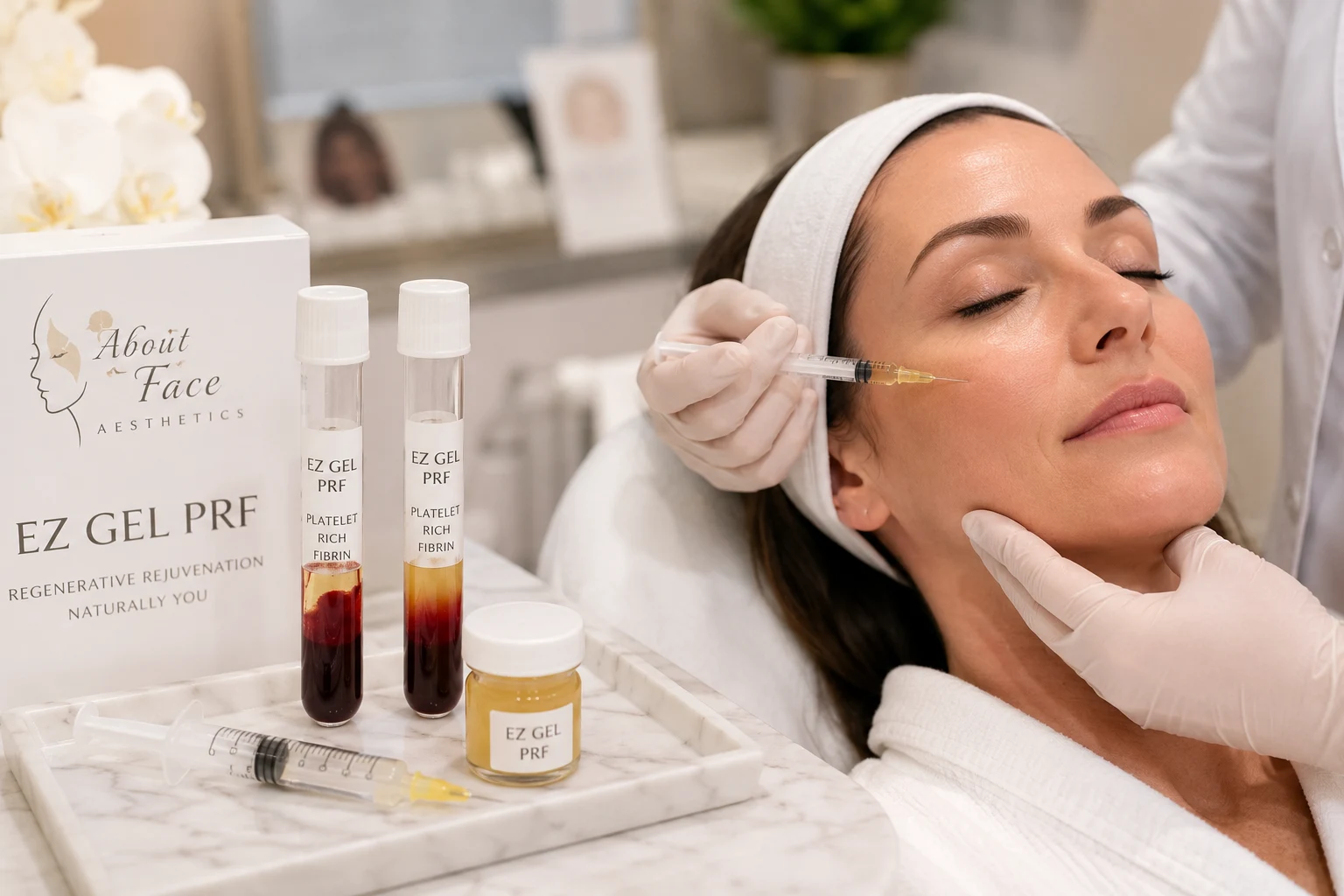
Yes, but it depends on the growth factor. There are dozens of growth factors, and each sends different signals to fibroblasts. TGF-β, CTGF, and PDGF can promote collagen production, while others, such as EGF and FGF-2, can decrease collagen production under certain conditions. Growth factors tell fibroblasts what to do, but an old, damaged, or senescent fibroblast may not respond as well as a healthy younger fibroblast.
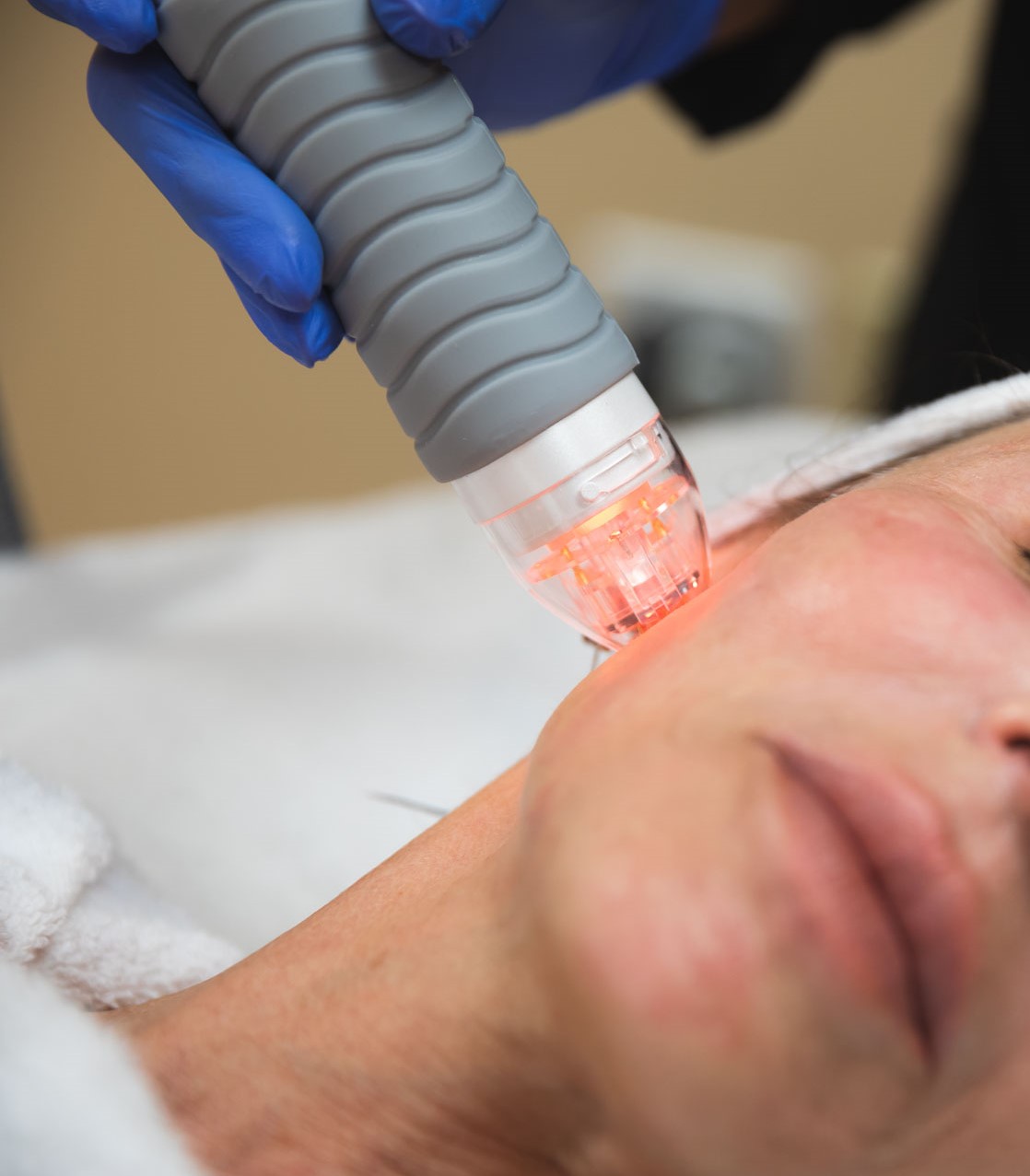
Does Microneedling Stimulate Fibroblasts to Make More Collagen?
es. Microneedling creates controlled micro-injuries that trigger the skin’s normal wound-healing response. Activated platelets release growth factors, particularly PDGF and TGF-β, which recruit and activate fibroblasts and stimulate extracellular-matrix production.
Fibroblasts initially produce new matrix and type III collagen, which is remodeled over time into stronger type I collagen, increasing dermal collagen and improving skin structure. Cells involved in wound healing release additional signals that further promote fibroblast activity and collagen synthesis.
Do we have fewer fibroblasts as we age?
Yes. The number and density of fibroblasts in the dermis generally decrease with age. But having fewer fibroblasts is only part of the problem. The fibroblasts that remain may produce less collagen and other extracellular-matrix proteins, respond less effectively to repair signals, and some become senescent. This combination of fewer fibroblasts and less efficient fibroblasts contributes to thinner, less firm, and less elastic aging skin.
Best References and Scientific Publications on Rejuvenating Fibroblasts
- Baumann L. Basic Science of the Dermis in Ch. 2 of Baumann's Cosmetic Dermatology Ed 3. (McGraw Hill 2022)
- Baumann L. Antiaging Ingredients in Ch. 32 of Baumann's Cosmetic Dermatology Ed 3. (McGraw Hill 2022)
- Kucheryavenko, O., Nelson, G., von Zglinicki, T., Korolchuk, V. I., & Carroll, B. (2019). The mTORC1-autophagy pathway is a target for senescent cell elimination. Biogerontology, 20(3), 331-335.
- Smith, P., & Carroll, B. (2025). Senescence in the ageing skin: a new focus on m TORC 1 and the lysosome. The FEBS Journal, 292(5), 960-975.
- Carroll, B., Nelson, G., Rabanal-Ruiz, Y., Kucheryavenko, O., Dunhill-Turner, N. A., Chesterman, C. C., ... & Korolchuk, V. I. (2017). Persistent mTORC1 signaling in cell senescence results from defects in amino acid and growth factor sensing. Journal of Cell Biology, 216(7), 1949-1957.
- Carosi, J. M., Fourrier, C., Bensalem, J., & Sargeant, T. J. (2022). The mTOR–lysosome axis at the centre of ageing. FEBS Open Bio, 12(4), 739-757.
- Jin, S., Li, K., Zong, X., Eun, S., Morimoto, N., & Guo, S. (2023). Hallmarks of skin aging: update. Aging and disease, 14(6), 2167.
- Ho, C. Y., & Dreesen, O. (2021). Faces of cellular senescence in skin aging. Mechanisms of ageing and development, 198, 111525.
- Walters, H. E., Deneka-Hannemann, S., & Cox, L. S. (2016). Reversal of phenotypes of cellular senescence by pan-mTOR inhibition. Aging (Albany NY), 8(2), 231.


What's Your Reaction?
 Like
0
Like
0
 Dislike
0
Dislike
0
 Agree
0
Agree
0
 Disagree
0
Disagree
0
 Excellent
0
Excellent
0
 Useful
0
Useful
0
 Great
0
Great
0