



























A broader feed basket could strengthen Brazil’s poultry sector

Brazil’s fast-growing biofuel industry is changing the raw materials available for animal feed. More DDGS, soybean meal and sorghum could give poultry producers greater flexibility and support the country’s competitiveness in global chicken markets.
Corn and soybean meal still dominate Brazilian feed formulations, but the balance is beginning to shift. The expansion of corn ethanol and soybean processing is producing larger volumes of feed coproducts, while sorghum is becoming a more relevant alternative in some regions.
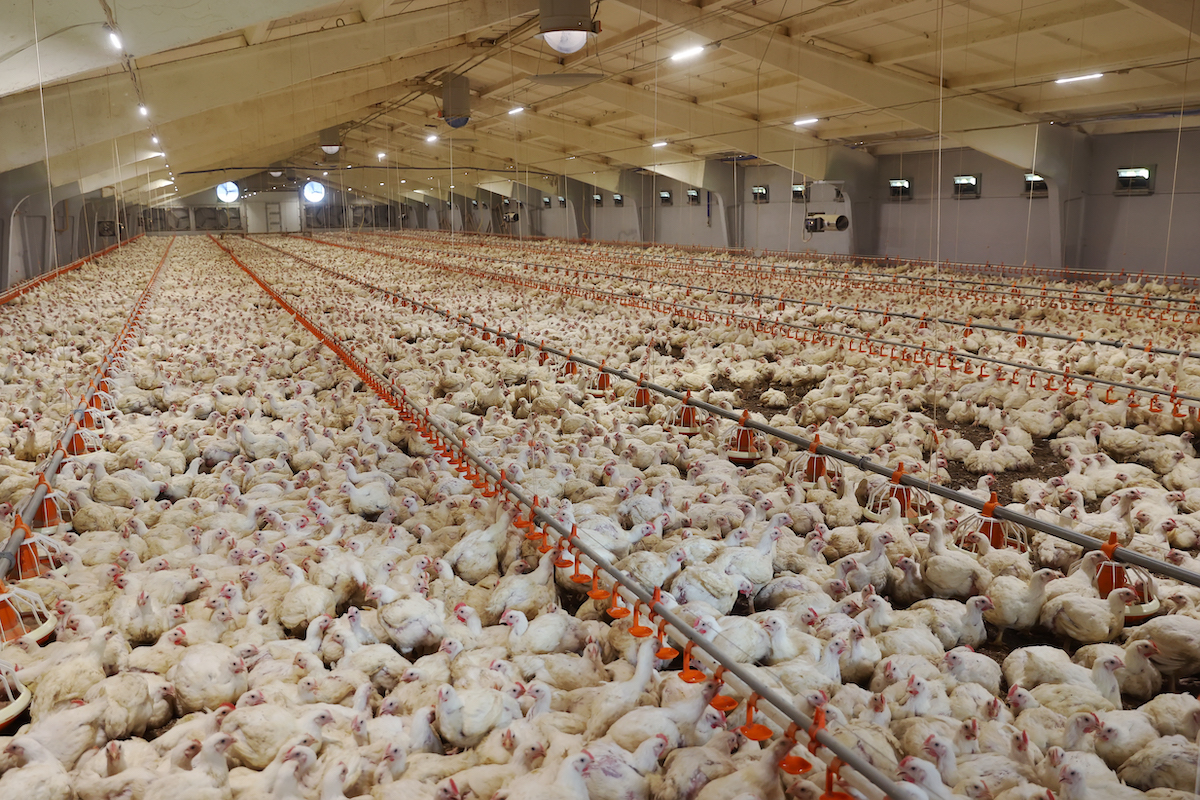
This matters for poultry producers because feed remains their largest operating cost. In Paraná, it accounted for around 63% of broiler production costs during the first half of 2026, according to Embrapa data cited in a new RaboResearch report.
More DDGS and soybean meal
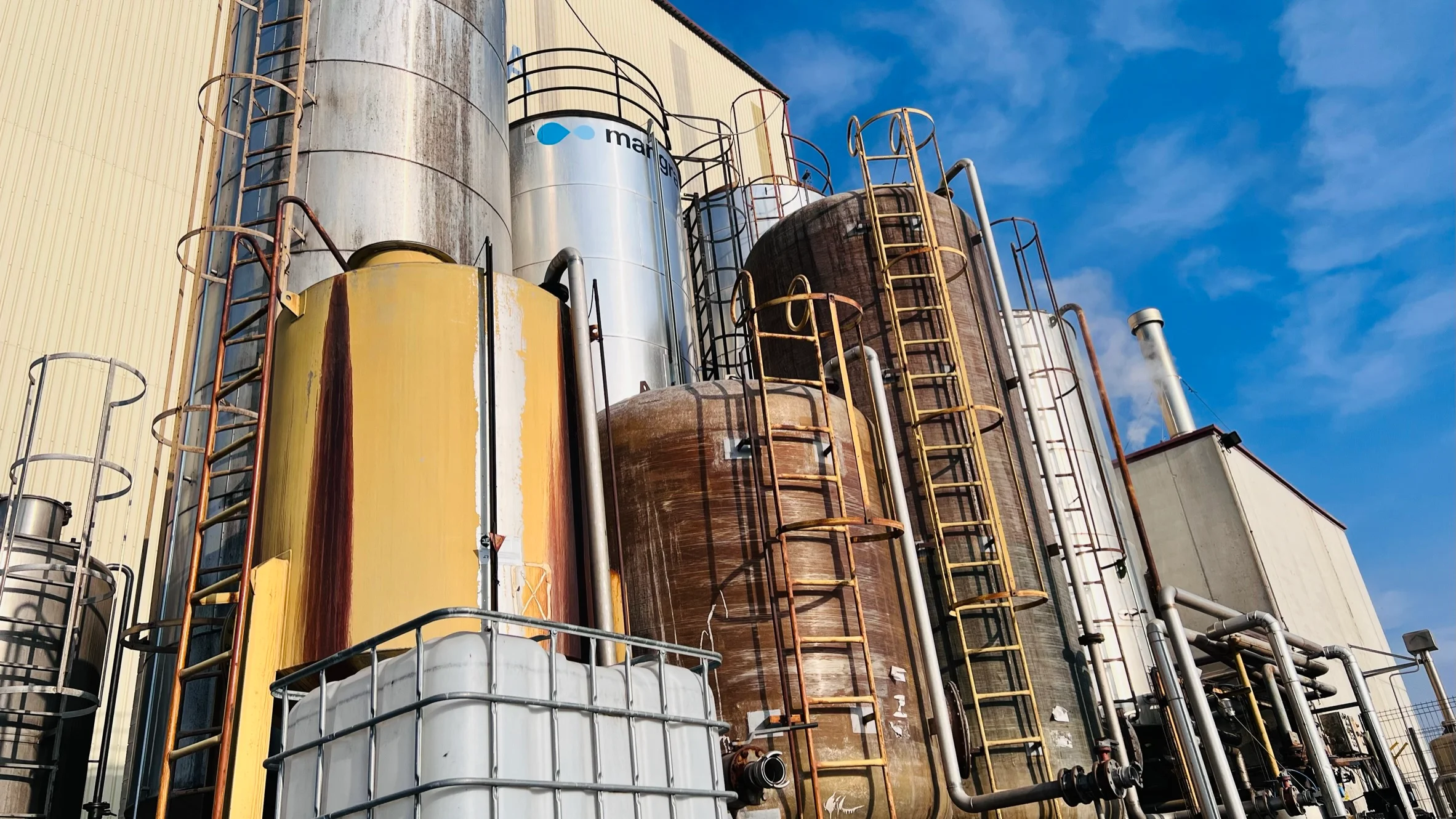
Corn ethanol is a central part of the change. The industry absorbs corn that might otherwise go directly into feed, but it also produces distillers dried grains with solubles (DDGS), which supply energy, protein and fibre.
Brazilian DDGS supply has grown by an average of 21% a year over the past five years. RaboResearch expects supply to reach 8 million metric tons by 2031. In broiler diets, the report estimates a substitution potential of 5% to 15%, depending on nutritional requirements, product quality, formulation limits and cost.
Soybean meal supplies are also likely to increase as the country raises its production of biodiesel and renewable diesel. Brazil’s Fuel of the Future framework provides for the mandatory biodiesel blend in diesel to reach 20% by 2030, although the timetable could be delayed.
RaboResearch calculates that meeting this requirement could lift soybean crushing to about 69 million metric tons. Soybean meal output would then rise by around 5 million metric tons compared with the estimated 2025 volume.
Sorghum adds another option. It is particularly suited to areas where rainfall or delays in soybean planting and harvesting make second-crop corn less viable. Brazil produced 6 million metric tons of sorghum in the 2025/26 season. Production is forecast to reach 10 million metric tons by 2031.
Implications for chicken production
The report does not anticipate a shortage of the main feed ingredients as Brazil’s animal protein industries expand. For the chicken sector, this adds to an already strong production and export base.
Brazil accounts for about 11% of global chicken production and nearly 34% of international trade, based on figures presented by RaboResearch. Improvements in farm productivity have supported this position. Average broiler carcass weight increased by around 0.9% a year between 1997 and 2025.
A larger choice of raw materials will not automatically make feed cheaper. Corn prices are expected to remain firm as ethanol demand grows, and the value of DDGS and sorghum will vary with their quality, nutritional contribution and local price.
The main advantage is flexibility. Wider access to alternative ingredients gives feed manufacturers more room to adjust formulations when commodity markets change. For a poultry industry that competes heavily on cost, that could prove increasingly valuable.
Source: RaboResearch, “Brazil: The feed and protein powerhouse strengthens its competitive edge”, 9 September 2026.
Apa Reaksi Anda?
 Suka
0
Suka
0
 Kurang Suka
0
Kurang Suka
0
 Setuju
0
Setuju
0
 Tidak Setuju
0
Tidak Setuju
0
 Bagus
0
Bagus
0
 Berguna
0
Berguna
0
 Hebat
0
Hebat
0