





























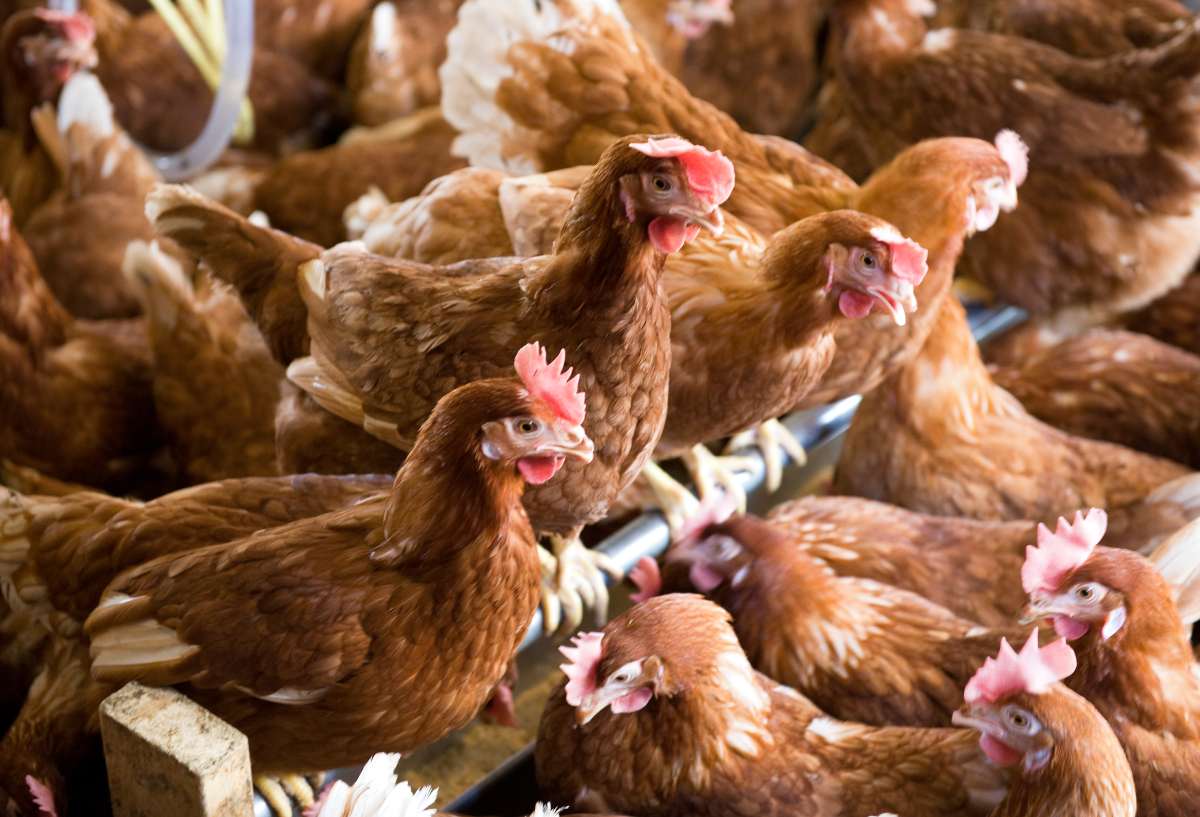






Commensal bacterial strain provides strong protection against necrotic enteritis

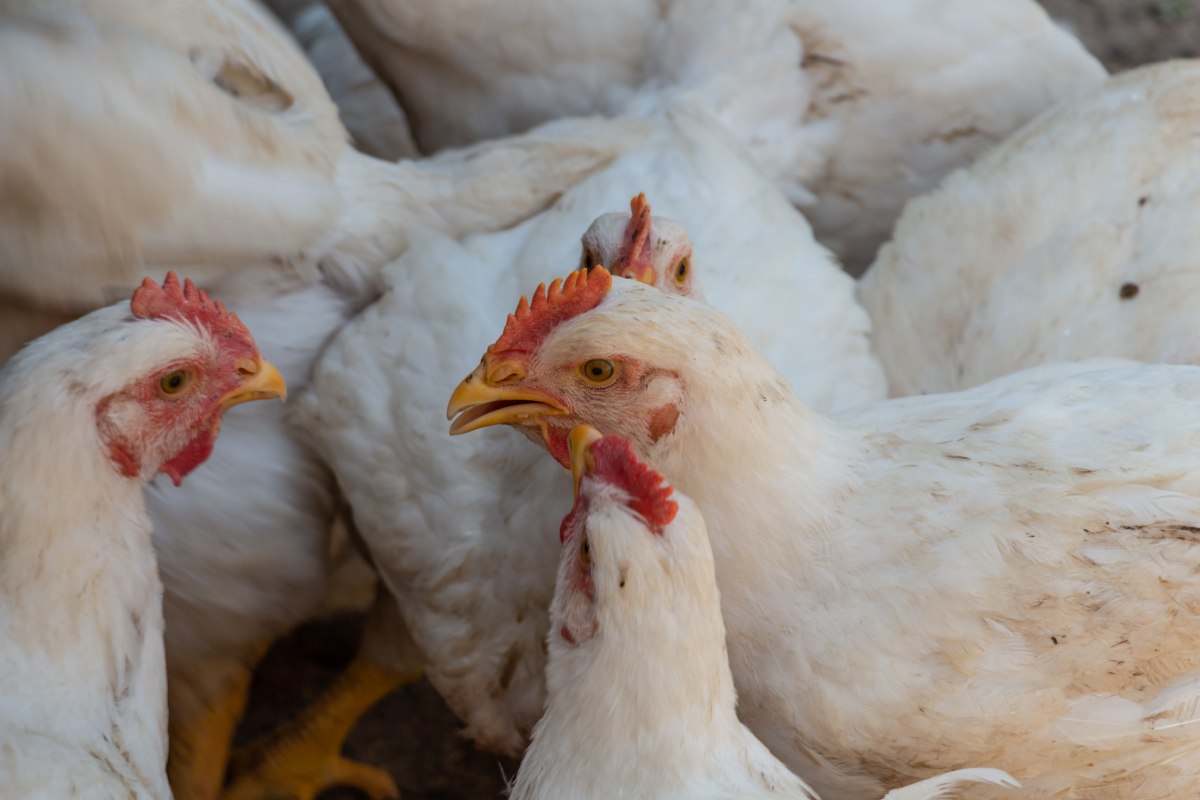
In the battle against necrotic enteritis (NE), an Oklahoma State University research team identified a commensal bacterial strain with the potential to mitigate the disease and serve as an alternative to antibiotics.
Testing showed the bacterial strain Megasphaera stantonii inhibited the growth of Clostridium perfringens in the small intestine. Unchecked growth of C. perfringens leads to NE, causing diarrhea, weight loss and up to 50% mortality in severe cases.
Isabel Tobin, PhD, discussed the research on the M. stantonii bacterial strain at the 2026 International Poultry Scientific Forum.
Search for bacterial candidates
The study’s objective was to find a commensal bacterial strain to protect chickens against NE.
“We know commensals play a crucial role in nutrient digestion and metabolism,” Tobin reported. “They also are very important for preventing pathogen colonization through a process called colonization resistance.”
Broadly speaking, Tobin explained that commensals compete for space and nutrients in the gut and secrete potent microbials that can kill or inhibit the growth of pathogens. Commensals also stimulate the host’s immune system and help strengthen the intestinal lining as a barrier.
“My study compared the anti-C. perfringens activity of a panel of commensal bacteria, followed by comparing the host defense-peptide-inducing activity on the same panel of commensal bacteria,” she said.
The first part of the study involved testing 12 commensal bacterial strains isolated from the ceca of healthy feral chicks. The selection was based on activity against C. perfringens growth using an in vitro co-culture assay.
“Of the 12 bacteria tested, seven were capable of effectively inhibiting the growth of C. perfringens,” Tobin said. “The most potent was M. stantonii, with a 50% reduction in C. perfringens.”
Next, the 12 bacterial strains were tested for the capacity to induce synthesis of host defense peptides, which are key effector molecules of innate immunity. Only M. stantonii stood out, with a 400-fold increase in peptide synthesis activity, she noted.
M. stantonii strain tested
After the first two screenings, researchers chose to move forward with M. stantonii in the next trial, based on the strain’s ability to stimulate the immune system, Tobin explained.
The trial included 160 day-of-hatch Cobb broilers that were divided into four treatments of NE versus no NE and bacterium versus no bacterium. Chicks received bacterium or culture medium on days 0 and 1, followed by a mock infection or challenges with Eimeria maxima on day 10 and C. perfringens on day 14.
Cecal and ileal digesta were collected on days 4 and 9 for RNA sequencing. Intestinal lesions were obtained post-necropsy on day 17.
“M. stantonii administration significantly improved NE survival, at 98% versus 48%,” Tobin said. “Plus, it reduced intestinal lesion severity.
“Microbiome analysis also revealed that M. stantonii promoted recovery of the intestinal microbiota post-infection by enriching short-chain fatty acid- and lactic acid-producing taxa while suppressing pathobionts,” she added.
Antibiotic replacement?
“M. stantonii is a potential antibiotic alternative for NE through direct competition with C. perfringens, augmentation of host innate immunity and modulation of gut microbiota,” Tobin concluded.
More research is required to investigate how M. stantonii modulates host immunity and inhibits C. perfringens colonization, she added.
“Further studies are needed to explore cost-effective strategies for large-scale application of M. stantonii for practical use in poultry production,” she added.
The post Commensal bacterial strain provides strong protection against necrotic enteritis appeared first on Modern Poultry.
Apa Reaksi Anda?
 Suka
0
 Kurang Suka
0
 Setuju
0
 Tidak Setuju
0
 Bagus
0
 Berguna
0
 Hebat
0