






















Supplemental pine bark reduced Histomonas meleagridis mortalities in turkey trial
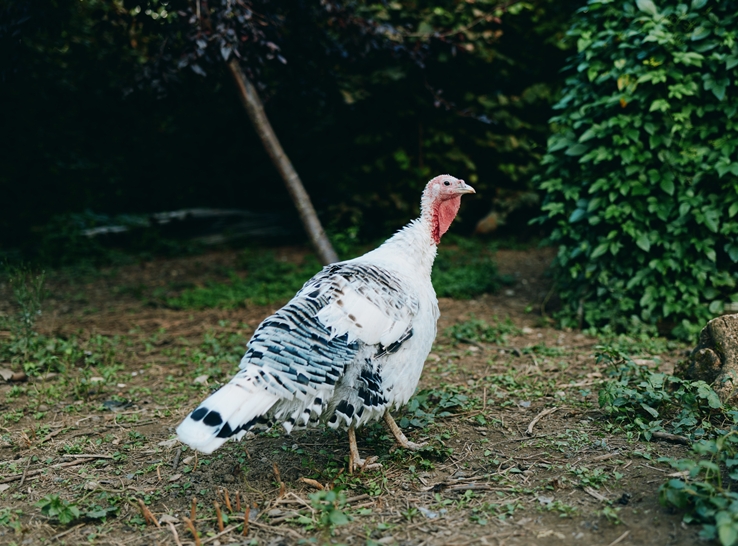
A visit to a backyard turkey operation infected with Histomonas meleagridis led to a research trial testing the ability of dietary pine bark to reduce the incidence of histomoniasis.
As a doctoral student at the University of Georgia, Hamid Reza Rafieian-Naeini, PhD, was called to the farm during the initial H. meleagridis outbreak. With no medications available to treat H. meleagridis, he recommended quarantining the birds.
On his return visit 2 weeks later, he was surprised to find many of the birds were recovering. He also noticed pine trees in the pens were stripped of bark. “I thought maybe the birds were finding a natural way to combat H. meleagridis,” he said.
A literature review confirmed that pine bark contains tannins and has a high phenolic content, which could fight H. meleagridis.
“We conducted a study to evaluate the effects of dietary pine bark supplementation on turkey poults challenged with H. meleagridis,” he explained. “Our hypothesis was that pine bark in the diet would decrease mortality in challenged birds.”
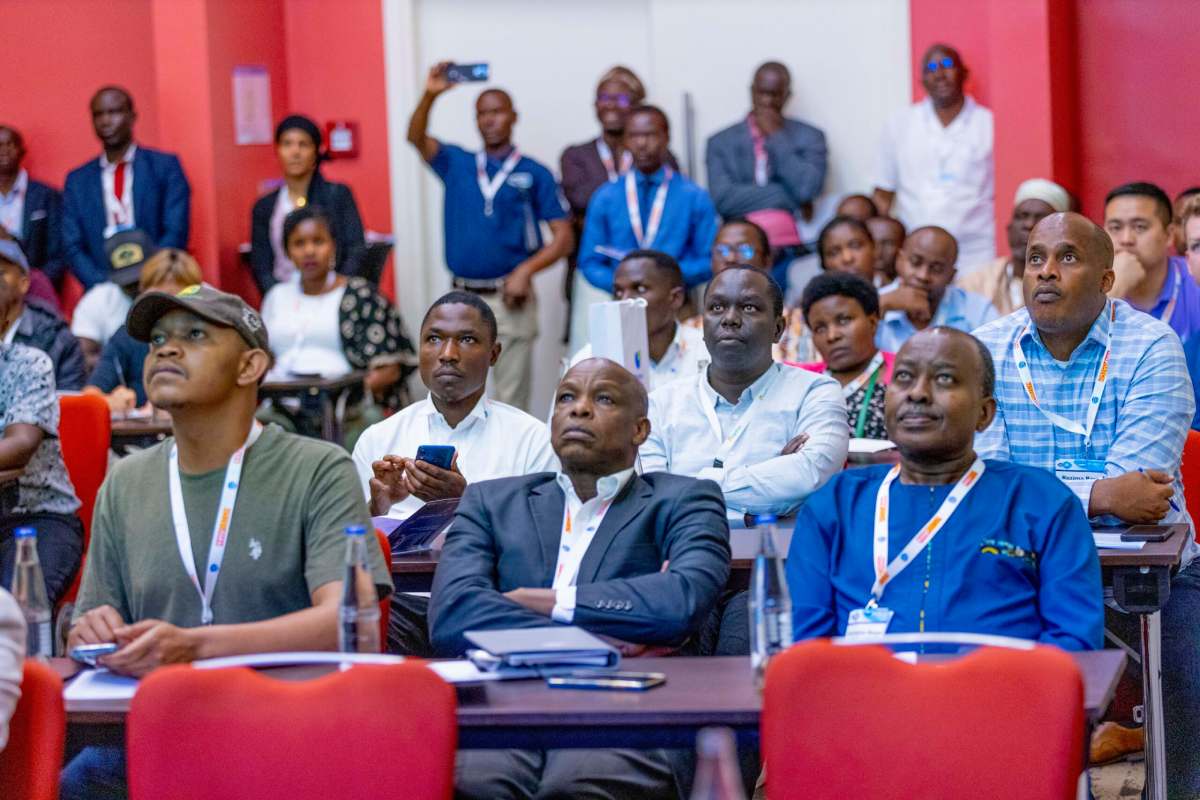
Rafieian-Naeini discussed the pine bark research during the 2026 International Poultry Scientific Forum.
Six treatment groups
The study was designed to evaluate the effects of dietary pine bark on growth, intestinal health and tissue damage of turkey poults challenged with H. meleagridis for 28 days.
The trial involved 360, day-old male turkey poults that were randomly assigned to six treatments, with five replicates. The treatments were:
- No H. meleagridis challenge, 0% pine bark
- No H. meleagridis challenge, 0.2% pine bark
- No H. meleagridis challenge, 0.4% pine bark
- H. meleagridis challenge, 0% pine bark
- H. meleagridis challenge, 0.2% pine bark
- H. meleagridis challenge, 0.4% pine bark
Treatments with pine bark started on day 1 and ended on day 28. The H. meleagridis challenges were performed through the cloaca on day 18.
The researchers measured the effectiveness of pine bark based on infection rate, mortality and lesion scores. They used the new Evans blue dye (EBD) method to measure lesions in the ceca and liver.
Pine bark reduced mortality, lesions
“The results showed that mortality was significantly affected and modulated by both H. meleagridis infection and pine bark supplementation,” Rafieian-Naeini stated.
Mortality rates reached 52% in the challenged group that was not fed pine bark. But mortality dropped to 26% in challenged birds fed 0.2% pine bark. This mortality rate was lower than that of the group fed 0.4% pine bark (38%).
The 0.2% pine bark groups also had very low lesion scores compared to the other challenge groups, including pine bark at 0.4%. “This non-linear effect shown here means increasing the level of pine bark does not mean we will see better responses,” he explained.
The new EBD scoring method enhanced lesion evaluation. Rafieian-Naeini reported markedly increased EBD concentrations in the ceca and liver of challenged birds, consistent with greater lesion severity.
In addition, the method was sensitive enough to detect subtle changes, as the 0.2% group showed lower cecal EBD concentrations than challenged birds in the 0% group.
Growth parameters were also measured and were significantly reduced by the H. meleagridis challenge in all birds. In addition, pine bark supplementation showed no significant effect on feed intake.
Pine bark effective, inexpensive
“In conclusion, I can say that adding pine bark to the diet may decrease mortality of turkey poults under a H. meleagridis challenge,” Rafieian-Naeini stated.
“Pine bark is one of the cheapest options we can use to combat histomoniasis,” he continued. “And it is available in the US.”
Rafieian-Naeini also supported the use of the new EBD method for measuring lesions in the ceca and liver.
The post Supplemental pine bark reduced Histomonas meleagridis mortalities in turkey trial appeared first on Modern Poultry.
Apa Reaksi Anda?
 Suka
0
 Kurang Suka
0
 Setuju
0
 Tidak Setuju
0
 Bagus
0
 Berguna
0
 Hebat
0