







































Why Does My Dog Bark at the Doorbell?

If your dog immediately starts barking as soon as the doorbell rings, you’re not alone. For many pups, the sound signals that someone is approaching, which can trigger excitement, alertness, or even anxiety. While barking can be a very normal, natural way for a dog to communicate what they’re feeling, it can also be disruptive and hard to manage when every visitor or delivery causes a disturbance.
Understanding what triggers your pup’s reaction is the first step in helping them feel more comfortable and respond more calmly when the doorbell rings. In this article, we cover why your dog may bark at the doorbell and what you can do to help manage this behavior.
WHY DO DOGS BARK AT THE DOORBELL?
Several underlying reasons can explain why a ringing doorbell triggers barking in dogs, and it can vary based on a pup’s personality, instincts, or past experiences. The sudden sound can trigger a range of responses, from excitement about a visitor to protective instincts and needing to alert their family, or anxiety about someone unknown entering the house.
Here are some of the most common reasons dogs bark when they hear the doorbell:
TERRITORIAL INSTINCTS
Pups see their home as their pack’s territory, and a ringing doorbell can signal an intruder or stranger entering it. Barking is your dog’s way of alerting you and warning the visitor to stay away.
EXCITEMENT AND ANTICIPATION
For friendly, social pups, the doorbell can signal that a fun, exciting event is about to happen. They bark because they are eager to greet a guest, receive attention, or maybe even have a chance to play.
STARTLE RESPONSE
The sudden sound of a doorbell can trigger an immediate, startled reaction, causing your dog to bark at an unexpected noise.
FEAR OR INSECURITY
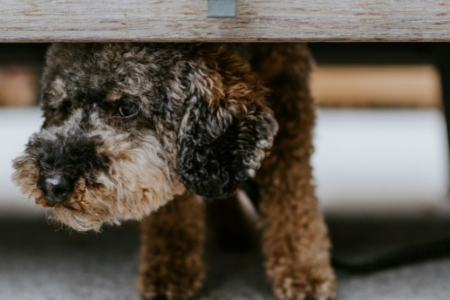
Some pups may feel nervous or scared of strangers entering their personal space. Barking can be a defensive response to that fear or uncertainty, allowing your dog to communicate that they feel uncomfortable.
LEARNED REINFORCEMENT
Many dogs quickly pick up on patterns. If the doorbell rings, your pup barks, and the door opens shortly after, they may begin to associate barking with the door opening and a visitor arriving. Over time, this repeated pattern can reinforce the behavior, making them more likely to bark whenever they hear the doorbell.
HOW TO KEEP YOUR DOG CALM WHEN THE DOORBELL RINGS
Once you’ve identified what is driving your pup’s reaction to the doorbell, you can take steps to help.
If your dog wags their tail, has a relaxed mouth, spins or jumps, and is generally eager, then they are likely excited about a potential visitor. An excited pup may benefit from learning a calmer way to greet visitors through training techniques.
On the other hand, if they tuck their tail, lower their body, pin their ears back, lick their lips, yawn, or back away from the door while barking, this may indicate they fear a stranger entering their home. A fearful dog may need more distance and time to feel comfortable.
Here are some training techniques and practical activities that can help your pup respond more calmly when the doorbell rings:
PRACTICE WITH A DOORBELL SOUND
Start by playing a doorbell recording at a low volume when you don’t expect visitors. Reward your dog for staying calm or looking to you without barking, and gradually increase the volume as they become more comfortable. Keep training sessions short and move at a pace that works for your pup.
Repeatedly practice and reward positive behavior to help your dog become more comfortable with the sound. The goal is to help them associate the sound with something positive, rather than something that makes them alarmed or excited.
TEACH AN ALTERNATIVE BEHAVIOR
Instead of focusing solely on stopping the barking, teach your pup what to do when they hear the doorbell. This might mean going to a designated mat, sitting beside you, or moving to a specific spot away from the door.
Practice this behavior without distractions first, then introduce the doorbell sound and reward your dog for following the alternative behavior. Over time, this gives them another response to use instead of rushing to the door and barking every time the doorbell rings.
MANAGE REAL-LIFE DOORBELL SITUATIONS
Training takes time, so use management strategies as your pup learns to respond more calmly to the doorbell, such as keeping your dog behind a baby gate or in another area when visitors arrive, asking guests to wait briefly while you settle your pup before opening the door, using a leash or barrier if your dog tends to rush to the door, and even asking visitors to text when they arrive instead of ringing the doorbell.
These steps can help manage your pup’s barking when visitors arrive while you continue their training.
CREATING POSITIVE EXPERIENCES FOR YOUR DOG AT DOGTOPIA
With positive reinforcement and regular practice, you can help your pup feel more comfortable and learn to respond more calmly when visitors arrive. Providing opportunities for socialization, play, and new experiences can also be a valuable part of their routine.
At Dogtopia, dogs can enjoy supervised play and socialization with like-minded pups in a safe, engaging environment. Regular doggie daycare gives dogs the opportunity to practice skills like door control, boost their confidence, and build positive experiences outside the home.
Find a Dogtopia location near you to learn more about our dog daycare and start their journey with us.
This blog was reviewed by Kaitlyn Azemar, CPDT-KA, DCBEC
The post Why Does My Dog Bark at the Doorbell? appeared first on Dogtopia.
Apa Reaksi Anda?
 Suka
0
 Kurang Suka
0
 Setuju
0
 Tidak Setuju
0
 Bagus
0
 Berguna
0
 Hebat
0