





























Connecting the dots between HPAI, dairy cattle and poultry

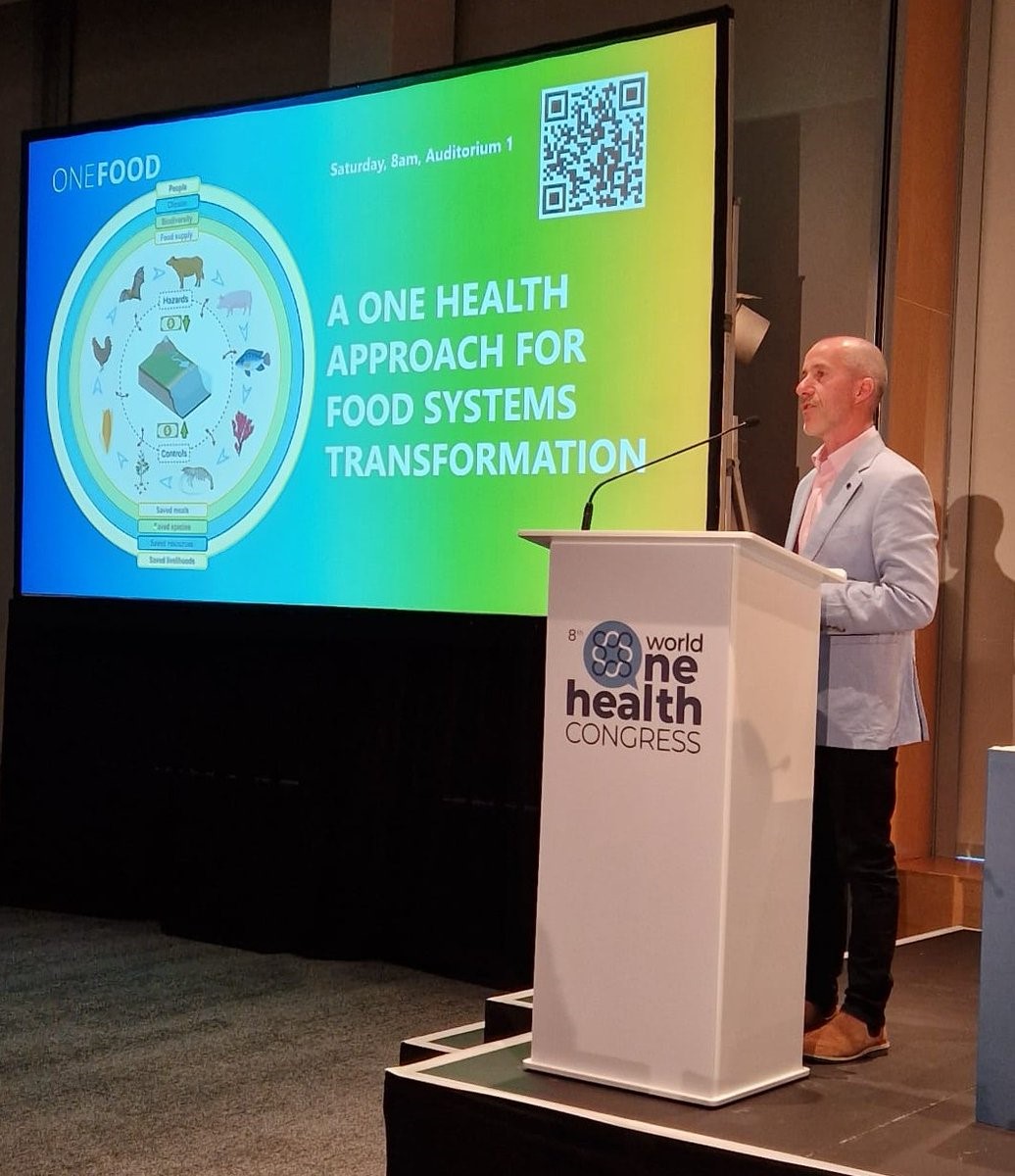
Scott Kenney, PhD, associate professor and researcher at The Ohio State University, investigated the connection between highly pathogenic avian influenza (HPAI), dairy cattle and poultry operations.
His research examined how the current H5N1 strain circulating in cattle could pose new challenges for poultry producers through indirect transmission routes and environmental contamination.
Kenney presented his work at the 2025 Poultry Science Association Annual Meeting.
Evolution of avian influenza
Kenney explained that influenza A viruses contain surface proteins that determine how they infect hosts.
He said molecular differences in strains enable HPAI to spread readily among birds. In poultry, strains such as H5 and H7 are particularly concerning.
Historically, he noted that avian influenza has circulated for centuries, but modern strains emerged in the late 20th century. According to Kenney, the first H5N1 strains were identified in China in the late ‘90s. By 2021, H5N1 had begun infecting mammals, setting the stage for its unexpected emergence in dairy cattle.
Dairy cattle and H5N1
Dairy cattle frequently interact with wildlife, particularly birds around feed and water sources, Kenny explained. He compared cows to toddlers: “Cows are curious, and everything goes into their mouths.” This behavior exposes cows to potentially contaminated material.
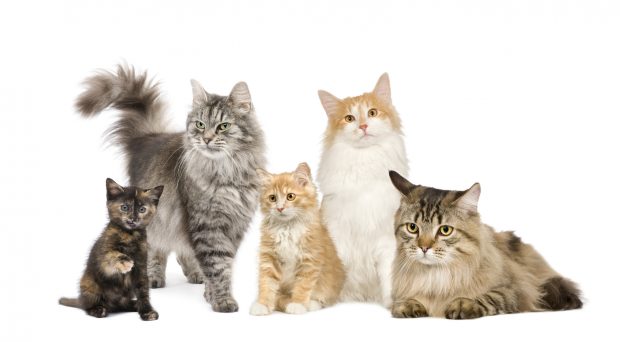
The initial outbreak began in Texas and spread rapidly to new locations, with cattle moving across the country, carrying the virus. Other animals on dairy farms were also affected, Kenney noted, including cats and poultry.
Transmission to poultry
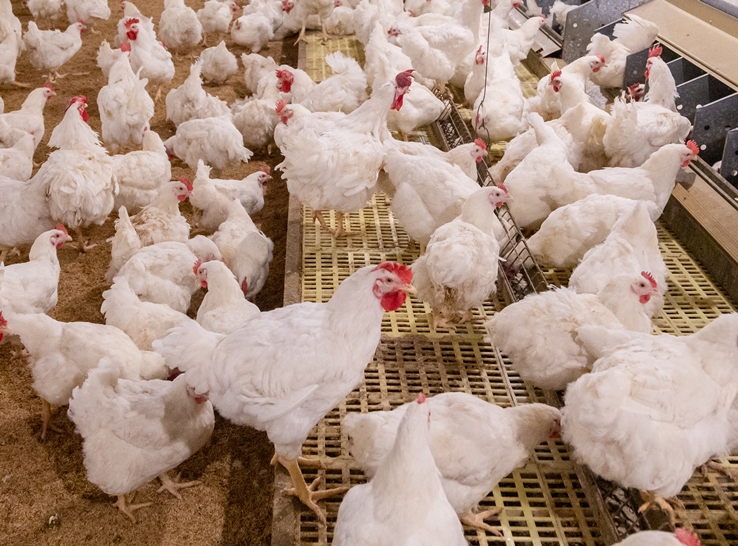
One of the most significant findings came from a 2024 outbreak in Michigan, where infections in dairy cattle were linked to nearby poultry flocks after similar viral strains were identified in both species.
“Fifteen dairy herds in Michigan were infected, and eight poultry flocks were infected,” Kenney said. Investigators determined that employees working at both dairy and poultry facilities were the likely connection. “It’s unlikely that the spread was from direct transmission through cattle to poultry.
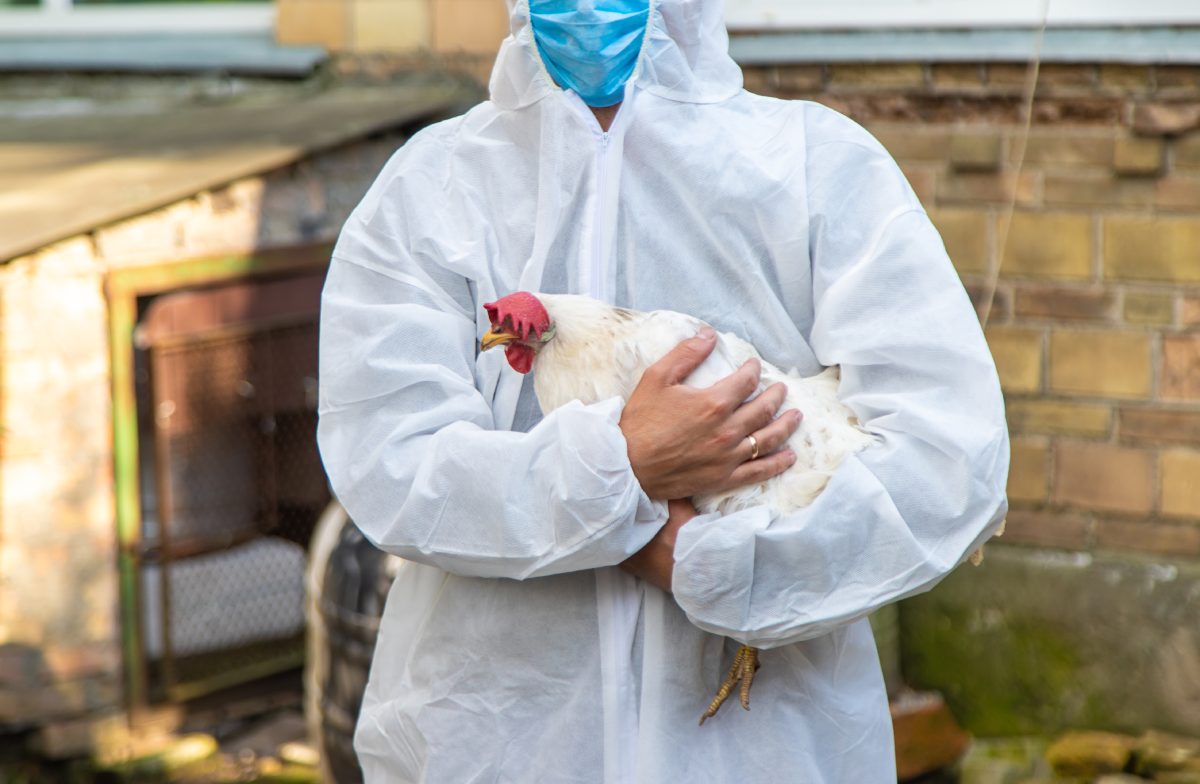
“More likely, a fomite contamination, equipment, vehicle or clothing led workers to bring the virus to the poultry facility,” he said.
Infection dynamics in cattle
To better understand the risk, Kenney’s team conducted controlled infection studies in a biosafety level-3 facility, experimentally infecting dairy cows and monitoring transmission to poultry and calves. “We wanted to infect intranasally and intramammary, then let the potential spread to all poultry and calves,” he explained.
Dairy cows were infected intranasally, and open-air chicken cages were placed near the cows. “Upon necropsy, we found that most of that virus appeared to stay in the nasal passages. It didn’t go systemic, and surprisingly, the poultry didn’t become infected,” he noted.
“I think that what caused our lack of transmission was a combination of the virus not replicating well intranasally, along with very good personal-protective facility measures,” he said.
However, intramammary infection revealed different information. When the virus was introduced into the mammary gland, cows shed large quantities of virus in milk and were obviously ill. “These cows had a significant drop-off in milk production and feed intake. Some developed neurologic symptoms, but the virus didn’t spread between quarters, and the infection remained concentrated in the udder.”
The researchers also found that even an extremely small amount of virus could infect mammary tissue.
The team also investigated whether calves fed infected milk would become ill. No calves became sick, but he said more research is needed because his study had a limited supply of contaminated milk.
Kenney also noted that milkers and milk lines are a potential source of infection. “There are potential problems with the milkers and milk lines. If something malfunctions with these milkers, milk could backflow and potentially introduce the virus to uninfected cows.”
Milk as a viral source
Kenney described dairy cattle as “one of the best replicators of influenza virus that I’ve come across.” He said this has concerning implications for poultry producers.
Based on Kenney’s calculations, a moderately sized dairy operation with infected animals could theoretically generate hundreds of quadrillions of virus particles per day in milk, creating a substantial environmental reservoir that could contaminate workers, equipment, wastewater or wildlife.
Farm infrastructure may also amplify risk, he noted. Many dairy operations store wastewater in lagoons that attract wild birds. Kenney warned that these lagoons can become wildlife watering holes, leading to widespread transmission.
Implications for poultry producers
Vaccination is an option, he said, especially for layers that have longer lifespans, but it could be cost-prohibitive.
“Even if the current H5N1 vaccines cleared, we’re still going to continue to see this danger of wild-to-domestic bird transmissions and spillover to mammals,” he noted.
Despite these risks, Kenney emphasized that poultry infections are most likely to occur indirectly via contaminated materials, rather than through direct contact with cattle. “Human movement, equipment sharing and environmental contamination are the most likely transmission pathways to poultry,” he said.
Underscoring the importance of strict biosecurity measures, Kenney told the audience, “You all are on the frontlines of the zoonosis battle.”
He cautioned that as H5N1 adapts to new hosts, cross-species transmission events may become more common, which reinforces the need for both the dairy and poultry industries to remain vigilant. “Enhanced biosecurity, careful management of workers who may also interact with livestock operations and continued surveillance will be essential to limiting future outbreaks,” he said.
The post Connecting the dots between HPAI, dairy cattle and poultry appeared first on Modern Poultry.
Apa Reaksi Anda?
 Suka
0
 Kurang Suka
0
 Setuju
0
 Tidak Setuju
0
 Bagus
0
 Berguna
0
 Hebat
0