


































Rabobank: US broiler supplies to rise 1–1.5% in 2027, with feed costs slightly above 2026 levels

RaboResearch expects US ready-to-cook broiler supplies to rise by 1–1.5% in 2027, while average delivered feed costs in the United States and Mexico are likely to remain slightly above 2026 levels. In Feeding the animal protein market in 2027, analysts Roland Fumasi and Pablo Sherwell describe feed costs as manageable and identify volatility in delivered costs as the principal challenge for the year.
Larger US corn stocks, a record 2026 soybean crop, expanding crush capacity and more flexible rations should contain raw-material inflation. However, higher operating, energy, freight and basis costs are likely to keep delivered feed costs above 2026 levels. Basis is the difference between local cash and futures prices.
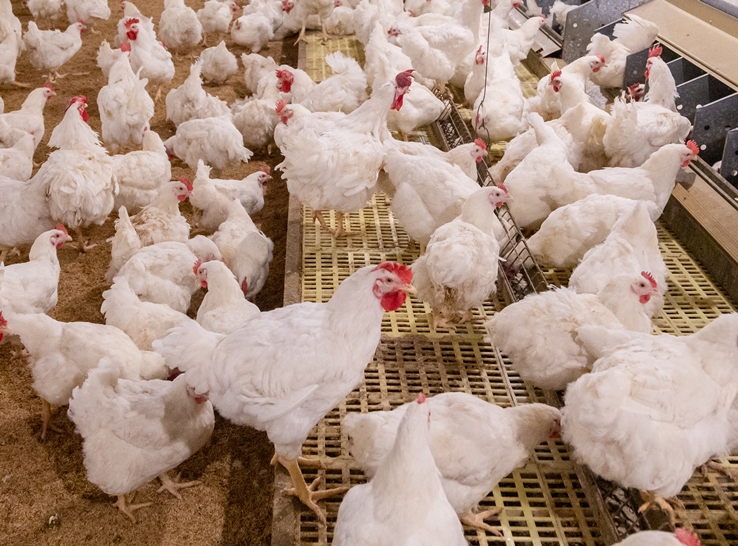
Broilers remain the steadiest source of demand
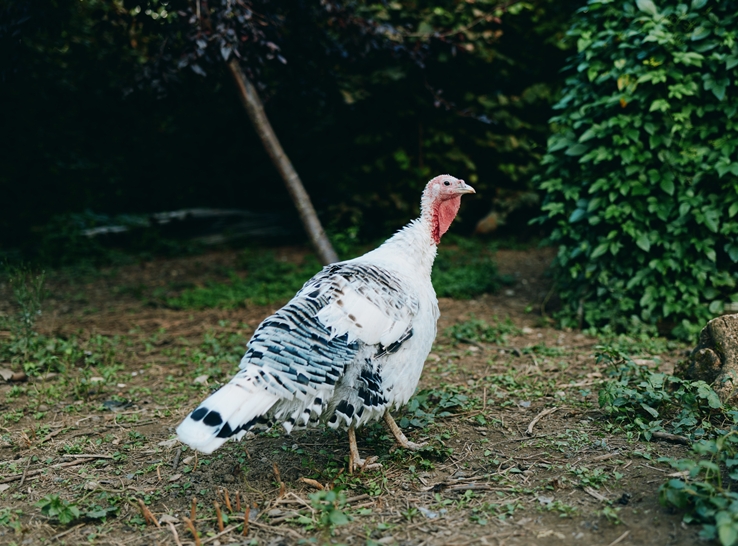
In Rabobank’s view, broilers remain the clearest source of steady compound-feed demand. The report also expects US turkey output to increase by around 0.9% in 2027. Egg production is forecast to be flat year on year, although this will depend on how cases of highly pathogenic avian influenza (HPAI) evolve.
Feed demand from layers and turkeys is less predictable, as both sectors are more exposed to production cycles, animal-health events and abrupt changes in flock size.
Margin pressure in the broiler, layer and hog sectors could temper feed demand in 2027. The authors point out, however, that feed use depends not only on animal numbers but also on production intensity, slaughter weights, feed conversion and output per animal. These factors can sustain ingredient consumption even when flock growth is limited.
Adequate national supplies, local risks
Demand for US soybean meal has grown faster than demand for corn, supported in part by expanding poultry production worldwide. US soybean meal exports have risen by 51% since the 2021/22 marketing year. Domestic use accounts for approximately 70% of US production, and growth in broiler output and greater soybean meal inclusion in dairy rations have helped absorb additional supplies. Record meal production could ease upward pressure on prices.
Transport disruption remains a significant upside risk to delivered costs. Further problems with Black Sea exports, or constraints affecting ports, rivers, rail, trucking or ocean freight, could tighten regional availability even if global corn and soybean supplies remain adequate.
Feed production and livestock demand are geographically concentrated. As a result, comfortable national supplies can coexist with tight local availability and high delivered costs.
Mexico is particularly exposed because it relies on imported grains, meals, co-products and specialty ingredients. Besides commodity prices, delivered costs there will depend on the peso-dollar exchange rate, rail and border performance, port capacity and inland freight.
Weather and input costs
RaboResearch notes an increasing probability of a very strong El Niño, although its impact on crop production remains uncertain. Past events show little consistent correlation with US or Brazilian corn yields, so the report’s baseline scenario retains trend yields.
Fertilizer and agrochemical costs could worsen before improving, as the conflict in the Middle East continues to affect energy markets. Growers may respond by reducing planted acreage or fertilizer application rates. Corn is more exposed than soybeans to these pressures, raising the risk of lower corn production in 2027 and a shift towards soybean acreage.
Flexibility in feed purchasing and formulation
Rather than relying on a single forecast of where prices will move, Rabobank recommends keeping purchasing and formulation options open.
For US feed companies, this means:
- buying coverage in stages;
- monitoring freight, basis and storage costs alongside futures prices;
- agreeing on ingredient substitutions with nutrition and operations teams in advance, so that rations can be adjusted without disrupting animal performance.
Additives, premixes, vitamins and minerals are used in small quantities, but they can halt production when supplies are interrupted and replacements are hard to find. The report recommends reliable coverage and backup suppliers for these inputs.
Mexican feed companies are advised to manage commodity prices, exchange rates and logistics as a single exposure. In practice, that means evaluating imported ingredients on a delivered peso basis and maintaining alternative supply routes where practical.
For animal protein producers, the report advises planning production around contribution margins rather than feed prices alone. It also treats feed efficiency as a strategic investment. Genetics, animal health, housing, precision feeding and data quality can all reduce the feed needed per unit of saleable output without compromising performance.
Source: RaboResearch, Feeding the animal protein market in 2027, Roland Fumasi and Pablo Sherwell, October 2026.
Apa Reaksi Anda?
 Suka
0
 Kurang Suka
0
 Setuju
0
 Tidak Setuju
0
 Bagus
0
 Berguna
0
 Hebat
0