



























EU suspends Brazilian poultry imports, French sector calls for strict safeguards
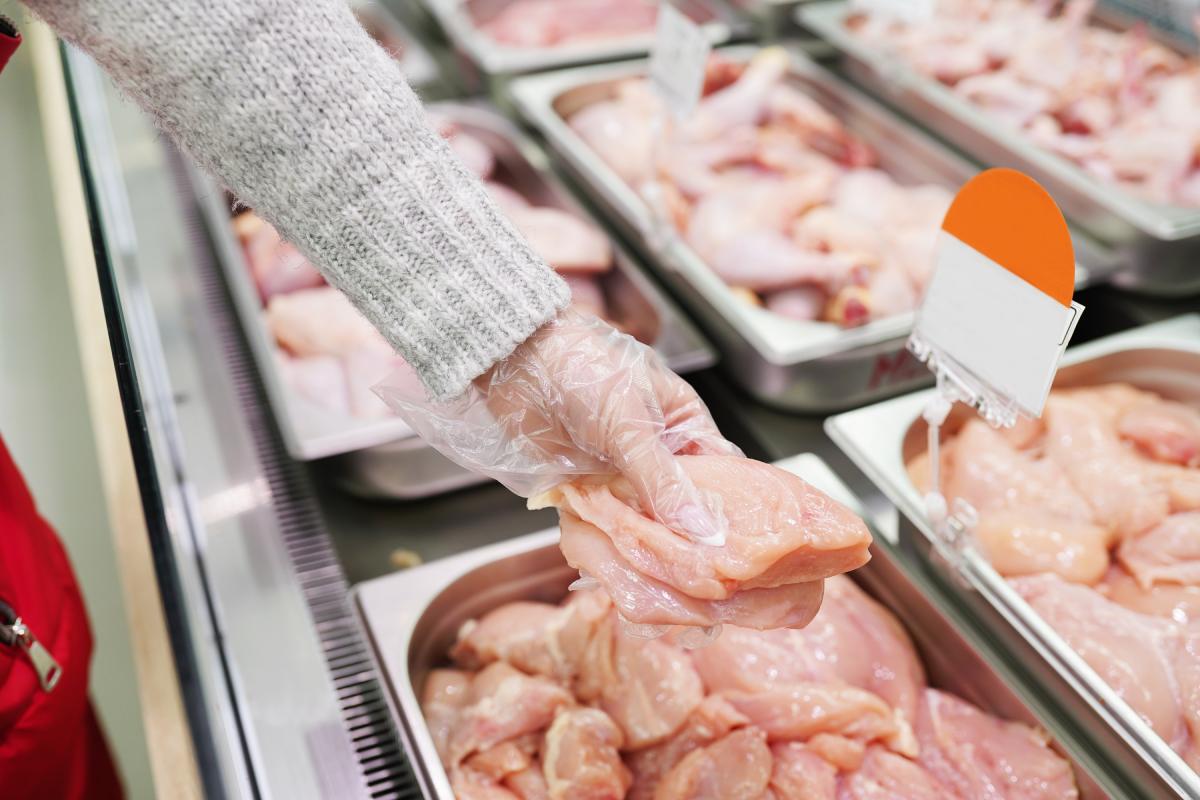
According to ANVOL, imported poultry products should provide the same health guarantees as poultry produced in European farms. The organisation has also raised concerns about antimicrobial use in Brazil, contrasting it with EU restrictions. However, Brazil has itself introduced progressively stricter restrictions on antimicrobial use in animal production, including a 2026 ban on certain antimicrobial performance-enhancing feed additives. The issue underlying the EU measure is therefore not simply whether antimicrobials are permitted in Brazil, but whether Brazil can provide the guarantees required under EU legislation for products exported to the European market.
Antimicrobial-use context
ANVOL contrasted the Brazilian situation with the efforts made by French poultry producers to reduce antibiotic use. Citing the French Agency for Food, Environmental and Occupational Health & Safety (Anses), the organisation said exposure of poultry to antibiotics fell by 71% between 2011 and 2024. The figure is consistent with the long-term decline documented by Anses in antimicrobial exposure among French poultry.
For the French sector, the issue is therefore not limited to the immediate restriction on trade. It also concerns whether imported products compete under equivalent animal-health, traceability, environmental and animal-welfare requirements.
Audit under scrutiny
The French organisation called for close attention to an audit being carried out in Brazil by the European Commission’s Directorate-General for Health and Food Safety (DG SANTE).
The audit focuses on poultry and honey, for which Brazil had provided written guarantees of compliance. The Commission’s audit team was expected to complete its work on 4 September, after which an audit report will be prepared. If the findings are positive, the Commission could propose adding Brazil back to the EU list of authorised third countries for the sectors concerned, subject to approval by EU Member States.
ANVOL said the review should go beyond checking administrative commitments and should verify compliance in practice throughout the poultry chain, from farms to processing facilities. It called for documented, regular and verifiable controls, as well as a rigorous assessment of the audit’s conclusions before any possible resumption of Brazilian poultry meat exports to the EU.
Call for mirror measures
ANVOL described “mirror measures” as an essential tool for ensuring reciprocity in agri-food trade. European poultry producers are subject to stringent rules on sanitary standards, environmental performance, traceability and animal welfare, it said; imported products competing on the EU market should meet equivalent requirements.
These demands represent ANVOL’s position on the broader debate over reciprocity and should not be interpreted as meaning that EU legislation currently imposes identical requirements across all these areas on imported poultry.
French poultry self-sufficiency strategy
The association linked the debate to France’s broader poultry self-sufficiency strategy. It noted that more than one in two chickens consumed in France is imported and set out a 2035 target of recovering 33% of imported volumes, reducing the share of imported chicken to less than one in three.
According to ANVOL, achieving this objective would require 2,200 new standard poultry houses, nearly 600 Label Rouge houses and €2.8 billion in investment across farms, hatcheries, animal nutrition and processing. These figures are targets and investment estimates put forward by the French poultry sector rather than EU requirements.
The EU suspension therefore represents not only a trade issue for Brazil but also a wider point of contention for European poultry producers, who argue that imported products should compete under comparable regulatory conditions.
See also:
EU suspension puts Brazilian animal-protein exports at risk
UK urged to ban Brazilian meat imports over antibiotic and AMR concerns
Brazil debates possible feed additive restrictions as it races to meet EU antimicrobial rules
Apa Reaksi Anda?
 Suka
0
Suka
0
 Kurang Suka
0
Kurang Suka
0
 Setuju
0
Setuju
0
 Tidak Setuju
0
Tidak Setuju
0
 Bagus
0
Bagus
0
 Berguna
0
Berguna
0
 Hebat
0
Hebat
0