


























EUDR implementation – FEFAC feed supply chain disruption risk assessment & economic impact for soybean meal
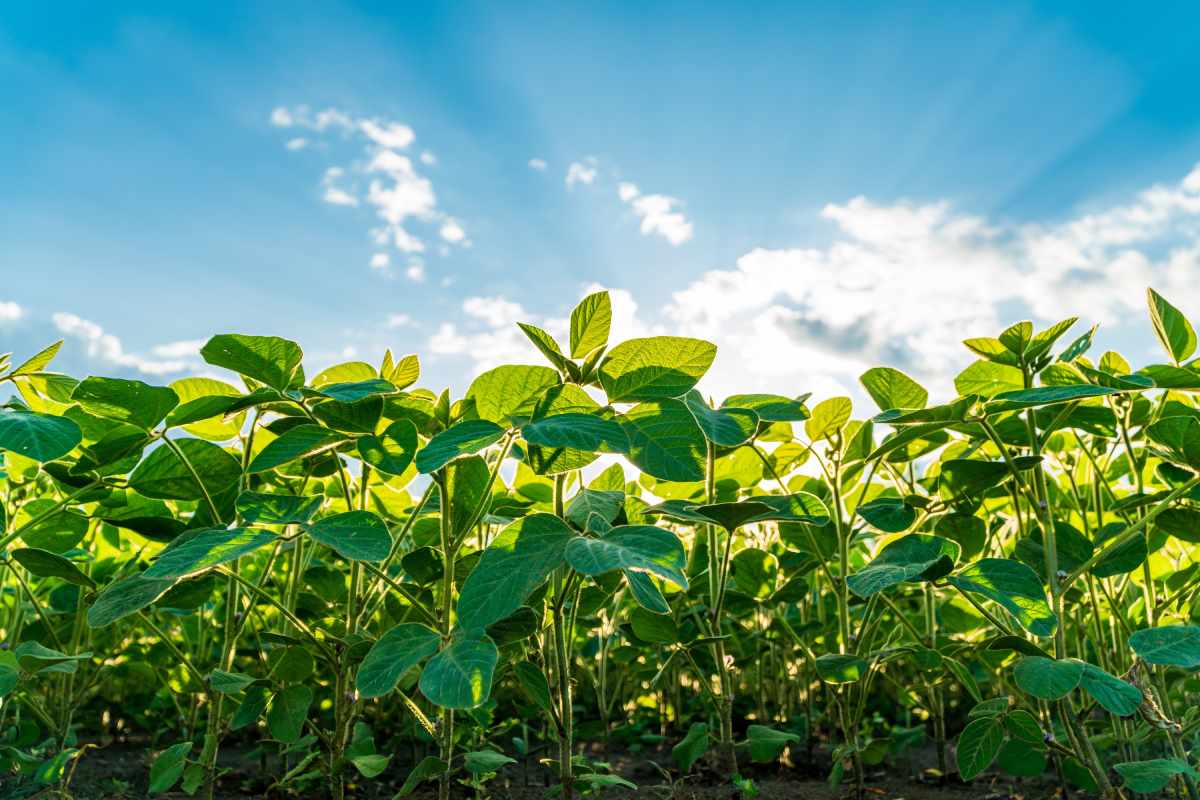
FEFAC today published its 4th update on the feed supply chain disruption risk and economic impact of the EU Deforestation Regulation (EUDR) on soy supplies for animal feed in 2027.
The assessment warns that severe drought, Black Sea trade disruption and EUDR sourcing constraints are converging to squeeze the EU feed chain simultaneously.
FEFAC estimates a potential EU soybean meal (SBM) supply gap of at least around 5 million tonnes — roughly 20% of the EU’s total SBM footprint — for the 2026/2027 marketing year, with very limited substitution options available.
FEFAC estimates the direct extra cost of EUDR-compliant soy for feed use at up to €1.05 billion, based on total usage of around 35 million tonnes. Because rapeseed and sunflower meal prices are pegged to SBM quotations (at roughly 65%), the increase adds a further €449 million in costs for these alternative Hi-Pro proteins — bringing the total estimated impact to around €1.40 billion for SBM, RSM and SFM supplies to the EU feed and livestock sector.
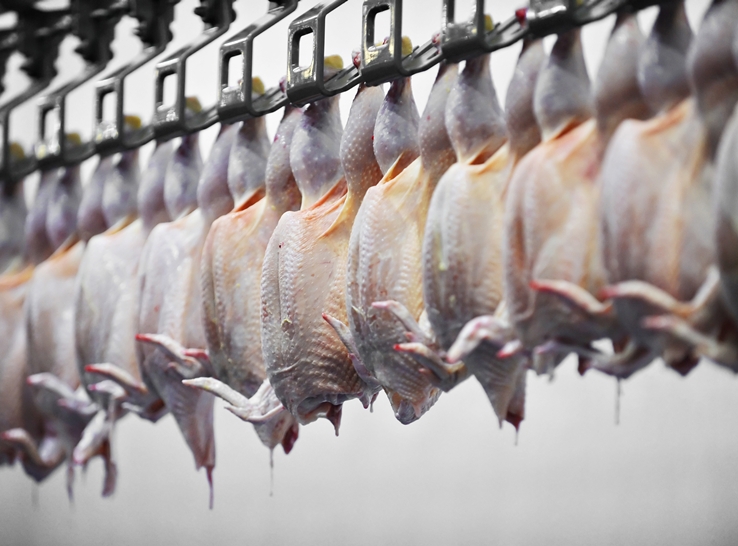
Based on market information, we estimate this could translate into a direct cost impact of roughly +€40 per tonne of pig meat and +€15 per tonne of poultry meat, further undermining the competitiveness of the EU’s livestock sector.
FEFAC’s updated origin-by-origin risk assessment classifies North America, Argentina and Paraguay as low risk, with 90–100% expected SBM availability; EU origins, Ukraine and Serbia as low-to-medium risk, mainly on logistics concerns; Brazil as medium risk (an improvement, though with continued regional variation between Southern Brazil and the Cerrado/Northern export corridor); and West Africa, India and China as high risk, particularly for non-GM and organic soy niche markets.
A key open question is whether Brazil can shift part of its EU-bound SBM supply from the Northern to the Southern corridor to close this gap; however, FEFAC notes persistent bottlenecks related to storage capacity which may constrain this flexibility.
FEFAC President Nicolas Coudry-Mesny commented that “there is profound concern already about the EU’s feed material sourcing capacity due to the combined effects of persisting drought and closure of key maritime corridors, such as the Black Sea, leading to a market crunch by the end of the calendar year. The imminent application of the EUDR, which is currently disrupting EU purchases of soy from global markets after 30 December 2026, exacerbates the pressure, potentially leading to major disruption of essential feed supply chains”.
FEFAC urges EU institutions to take exceptional measures to ensure feed security and prevent an economically unviable situation for the EU livestock sector in early 2027, by ensuring immediate simplified implementation of the EUDR for in-scope soy products as well as suspending the EUDR application to palm kernel expeller.
FEFAC also urges EU institutions and national authorities to use existing and future EU trade agreements (e.g. MERCOSUR, CETA, DCFTA Ukraine, and EU-US agreement) to confirm long-standing zero-tariff schedules for soybean meal imports and to facilitate bilateral recognition of EUDR legality certification programmes.
Read the full 4th impact assessment.
Source: FEFAC press release
Apa Reaksi Anda?
 Suka
0
Suka
0
 Kurang Suka
0
Kurang Suka
0
 Setuju
0
Setuju
0
 Tidak Setuju
0
Tidak Setuju
0
 Bagus
0
Bagus
0
 Berguna
0
Berguna
0
 Hebat
0
Hebat
0