




































Living with a Cat Allergy

Until the dream of a hypoallergenic cat becomes a reality—scientists are working on it!—there are practical steps anyone can take to reduce the severity of a cat allergy. Frequent hand washing and avoiding touching one’s face after petting a cat are key. Allergy shots and medications can be helpful for some people. A change in your cat’s diet can even be effective. Here’s what works.
Bathing a cat twice a week can help reduce the amount of Fel d 1, the pesky protein that is the main culprit behind cat allergies.
“Good luck with that,” Anthea Schick—a veterinary dermatologist in Phoenix, AZ, and National Specialty Director of Dermatology at Thrive Pet Healthcare—says with a laugh before mentioning that several cat owners she knows have managed to turn bathing into a positive experience by getting the cats accustomed to it while they were kittens, using enticements such as treats. By bathing a cat frequently, “you’re going to reduce enough of those overall allergens. And that’s everything—pollens, mould, spores, house mites—all the things that get stuck to the hair.”
One technique Schick recommends is filling a bucket with warm water, wrapping the cat in a towel like a burrito—a purrito, if you will—then gently pouring water onto the towel and massaging the cat through the towel, moistening its skin. She says, “It’s this very slow approach.” Dry shampoos can be equally effective.
“If you can’t bathe a pet, frequent wipe downs are really helpful,” Schick says. “Some of my owners swear by the hypoallergenic pet wipes.” Allerpet Cat Dander Remover (allerpet.com) is a vet-recommended damp-wipe product formulated for people who are allergic to cats. It’s designed to reduce pet-related allergic reactions by removing dander, saliva, and sebaceous gland secretions from cat fur. Simply wipe down your cat weekly with the non-toxic, fragrance-free solution to reduce airborne allergens.

Cat Box/Shutterstock
Another product worth trying is Pacagen. “It’s kind of like a Febreze for allergies, but a little bit more directed,” says New York–based David Zhang, who has a PhD from Harvard and is one of the cofounders of Pacagen. It’s difficult for many people to grasp the idea behind this allergen-neutralizing spray. “It’s not very intuitive,” Zhang admits. “This is the first time you have something where you can just apply it to your surroundings, and then it gets rid of all of the allergens before they get into your body.”
Many Pacagen users have reported success by using the spray every few days—less often for homes with a single cat, more often for multi-cat homes or animal shelters. “You don’t actually have to get rid of every single molecule of allergen for this product to work. You just have to decrease the load below a certain threshold,” Zhang explains. “Preventing the surrender of pets after they’ve been adopted—that’s been a really nice and very fulfilling part of the work that we’ve been doing.”
Another strategy for coping with allergies is to keep certain areas of the home cat-free, such as the bedroom. For many though, this isn’t a workable solution—if a cat has already claimed the bedroom as its own personal territory, then using hypoallergenic sheets can help.
“No matter how much cleaning I was doing, I was still sick,” she recalls. “I learned how much adding a pet to your house increases the dust mite load.”
“I’m allergic to the world,” Deborah Ong says with a laugh, “not just to cats, but trees, flowers. It’s really sad.” Based in Austin, TX, she founded her company, Deb (deb.haus), after adopting a cat and being diagnosed with a severe allergy. “No matter how much cleaning I was doing, I was still sick,” she recalls. “I learned how much adding a pet to your house increases the dust mite load.” An allergist recommended that Ong switch to hypoallergenic bed sheets, but all the tightly woven cotton sheets Ong tested made her feel hot and sweaty all night long. Plus they were prohibitively expensive. Then she stumbled upon an alternative: “Eucalyptus sheets are soft without needing the high thread count of cotton.” She decided to launch her company to help other allergy sufferers. The eucalyptus sheets she sells are breathable, affordable, and naturally resistant to both bacteria and dust mites.
Air purifiers are another solution worth considering. “Air purifiers can significantly reduce airborne cat allergens like Fel d 1, but they are not a complete solution for allergy relief on their own,” says Renee Mead. “A layered, integrated approach is best.”
Cleaning the home regularly is a must. “You want to be vacuuming with a HEPA-filter vacuum really frequently,” says Schick. She recommends removing carpet as much as possible, “making sure there’s not a lot of non-porous substrates that collect allergen.”

ml_photo/Bigstock
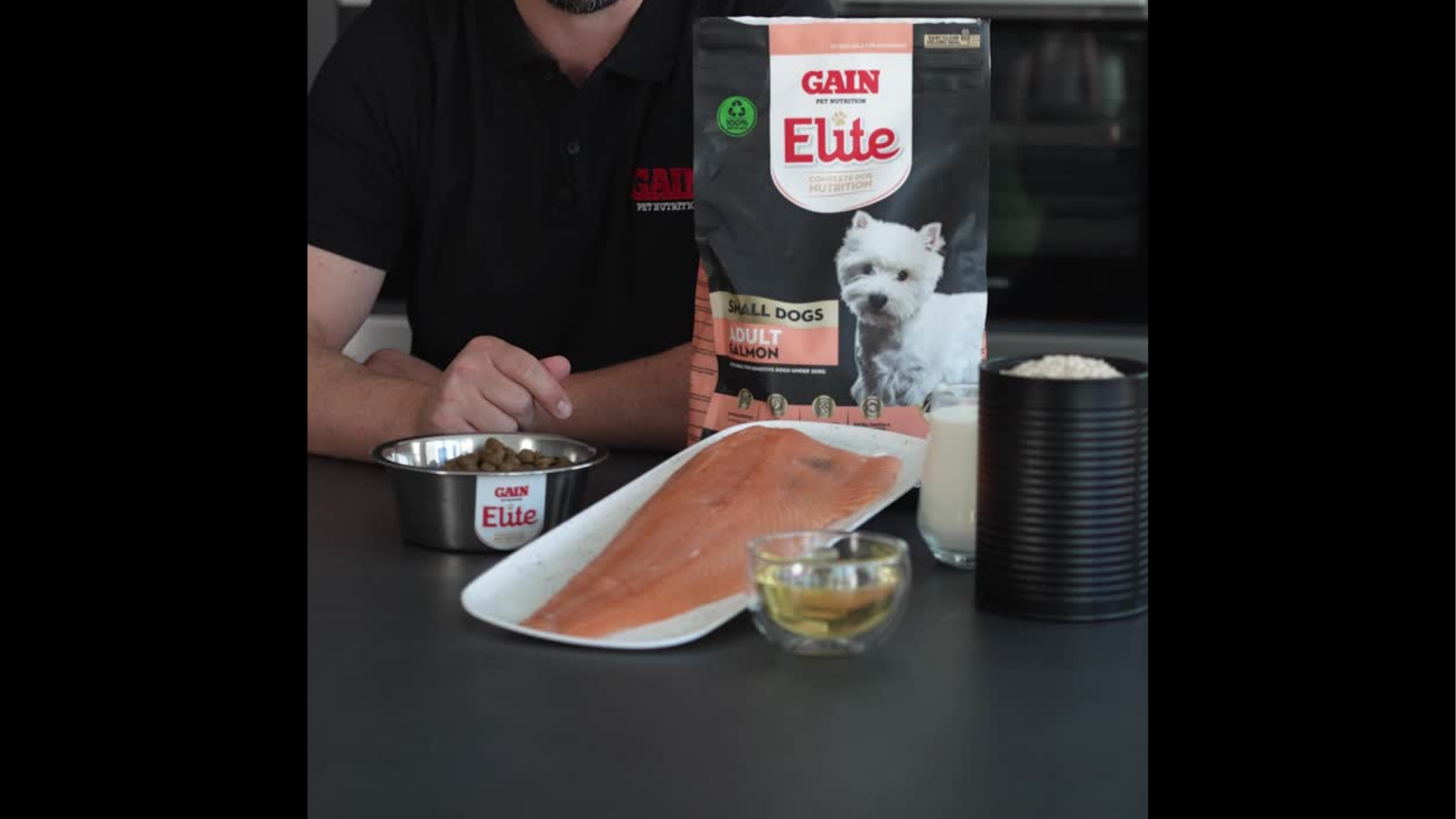
For households where cat allergens are a persistent problem, it might also be worth feeding your cat a special diet designed to reduce allergens. Dr. Ebenezer Satyaraj, PhD, is an immunologist for Nestlé Purina Research and lead investigator on the research that led to the development of Purina ONE LiveClear. He explains that the key ingredient “is a specific protein sourced from eggs. When cats eat the food, the ingredient binds to Fel d 1 and safely neutralizes it in the cat’s mouth. By reducing active Fel d 1 in the cat’s saliva, it reduces the allergen that is transferred to the cat’s hair and dander when they groom, ultimately reducing the allergen in the environment.” According to Purina’s research, cats fed the diet daily for three weeks showed approximately 47 percent less active Fel d 1.
Dr. Satyaraj uses an analogy to put that figure in context. “Think of your allergen load as a bucket, and your symptom threshold as the top of that bucket,” he says. “If the bucket fills past the top, you react. Reducing even one significant source of allergen—like Fel d 1 from your cat—means the bucket fills more slowly, and the cumulative level of allergen exposure may fall below an individual’s threshold and improve or stop a response.”
While cat lovers with allergies continue to wait for the day that hypoallergenic cats are everywhere, cleaning, bathing, sprays, hypoallergenic bed sheets, air purifiers, and special food are all worth trying—but not at the same time. As Schick points out, “If you do all of them at once and they work, you don’t know what’s working exactly.”
This article originally appeared in the award-winning Modern Cat magazine.
Subscribe today!
The post Living with a Cat Allergy appeared first on Modern Cat.
Apa Reaksi Anda?
 Suka
0
Suka
0
 Kurang Suka
0
Kurang Suka
0
 Setuju
0
Setuju
0
 Tidak Setuju
0
Tidak Setuju
0
 Bagus
0
Bagus
0
 Berguna
0
Berguna
0
 Hebat
0
Hebat
0