





































Well-known, emerging mycotoxins are similar to antinutritional factors in poultry
A report published in the Journal of Applied Poultry Research summarized the problem of mycotoxins in the poultry industry and their similarity to antinutritional factors (ANFs).
Mycotoxins are poisonous metabolites produced by naturally occurring mold organisms that contaminate corn, soybean meal and other feedstuffs. Even in very low concentrations, mycotoxins can hurt animal health and productivity.
The animal and food industries are constantly on the lookout for the most well-known, dangerous mycotoxins such as aflatoxins, deoxynivalenol (DON or vomitoxin), zearalenone and fumonisins.
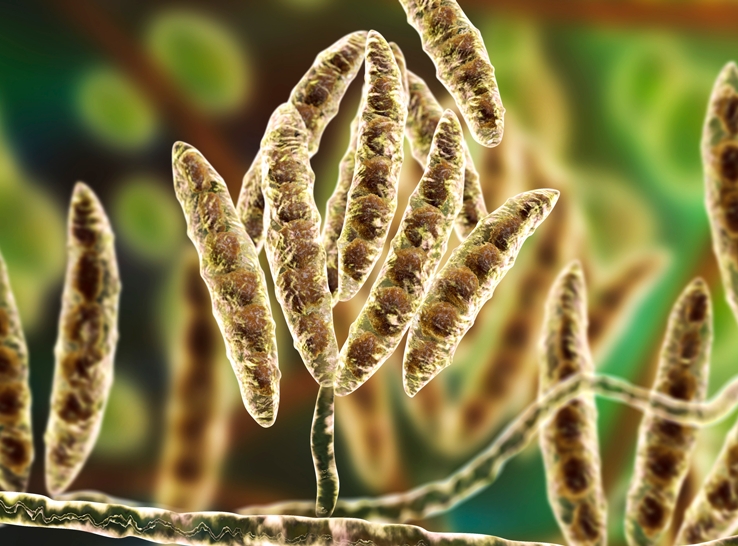
However, recent research reveals a host of emerging mycotoxins that are not yet regularly determined or regulated. These mold metabolites include fusaric acid, moniliformin and beauvericin. Altogether, emerging mycotoxins now account for nearly a third of all identified mycotoxins.
Like the well-known mycotoxins, the emerging mycotoxins share many characteristics with ANFs that occur naturally in legume and cereal feedstuffs. ANFs include protease inhibitors (e.g., trypsin inhibitor in soybeans), amylase inhibitors and many other plant-based compounds that, left untreated, interfere with nutrient absorption and can cause micronutrient malnutrition and mineral deficiencies in poultry and livestock.
“Mycotoxins have actions similar to ANFs, leading to both direct and indirect losses associated with animal health, performance and profitability,” the report’s author explained. She provided a list of common attributes shared by ANFs and mycotoxins, making the case that both categories of naturally occurring compounds require attention with respect to poultry health and productivity. The growing prevalence of emerging mycotoxins warrants even more attention.
Mycotoxin prevalence
The report focused primarily on an analysis of nearly 6,000 corn grain samples from countries around the world conducted from January 2023 to May 2024 by the Alltech 37+ Analytical Laboratory using ultra-high performance liquid chromatography with tandem mass spectrometry. The analysis found an average of 6.7 mycotoxins per sample, with emerging mycotoxins present in more than 30% of samples.
“Notably,” the author wrote, “these results also showed that the prevalence of seven of the key emerging mycotoxins has increased on average 6.6% between 2018 and 2024, underscoring the growing significance of these compounds in poultry feed safety.”
Fusarium molds produce many of the emerging mycotoxins, but other sources include Alternaria species. Key emerging mycotoxins include fusaric acid, moniliformin, beauvericin, enniatin A/A1 and enniatin B/B1.
The author highlighted the negative impacts of various well-known mycotoxins on poultry health and productivity, noting that only limited research is available that documents the effects of emerging mycotoxins in poultry:
- Fusaric acid can increase embryo mortality (even greater with the presence of fumonisin B1).
- Moniliformin can cause heart damage, respiratory distress, muscular weakness and immune suppression.
Meta-analyses
This report also mentioned meta-analyses that examined the use of dietary supplements to reduce or mitigate the effects of mycotoxins in poultry. The broiler and layer studies included in the meta-analyses analyzed the use of mycotoxin adsorbents, including clay minerals and yeast-based additives, particularly a commercially available yeast cell wall extract (YCWE).
The broiler studies suggested that YCWE inclusion provided several benefits, including improved efficiency and lower mortality, compared with mycotoxins alone. The layer studies demonstrated that feeding YCWE during mycotoxin challenges led to greater egg production and heavier egg weights than feeding mycotoxins alone.
What does this study mean for producers?
- Mycotoxins occur in feedstuffs and finished feeds worldwide, threatening poultry health and productivity, even in very low concentrations.
- Mycotoxins can cause losses in poultry comparable to dietary ANFs.
- Emerging mycotoxins are not yet regularly determined or regulated but can negatively impact bird health and productivity.
- Mycotoxin management includes risk assessment and potential mitigation strategies, including adsorbent feed additives.
The full paper, titled “Mycotoxins as antinutritional factors: occurrence, impacts and management,” can be found in Applied Poultry Research and online here.
Editor’s note: Content on Modern Poultry’s Industry Insights pages is provided and/or commissioned by our sponsors, who assume full responsibility for its accuracy and compliance.
The post Well-known, emerging mycotoxins are similar to antinutritional factors in poultry appeared first on Modern Poultry.
Apa Reaksi Anda?
 Suka
0
Suka
0
 Kurang Suka
0
Kurang Suka
0
 Setuju
0
Setuju
0
 Tidak Setuju
0
Tidak Setuju
0
 Bagus
0
Bagus
0
 Berguna
0
Berguna
0
 Hebat
0
Hebat
0