




























Reducing Salmonella in shell eggs: an integrated approach to preventing human illness and egg recalls
AAAP Food Safety Committee’s Egg Production and Processing Subcommittee
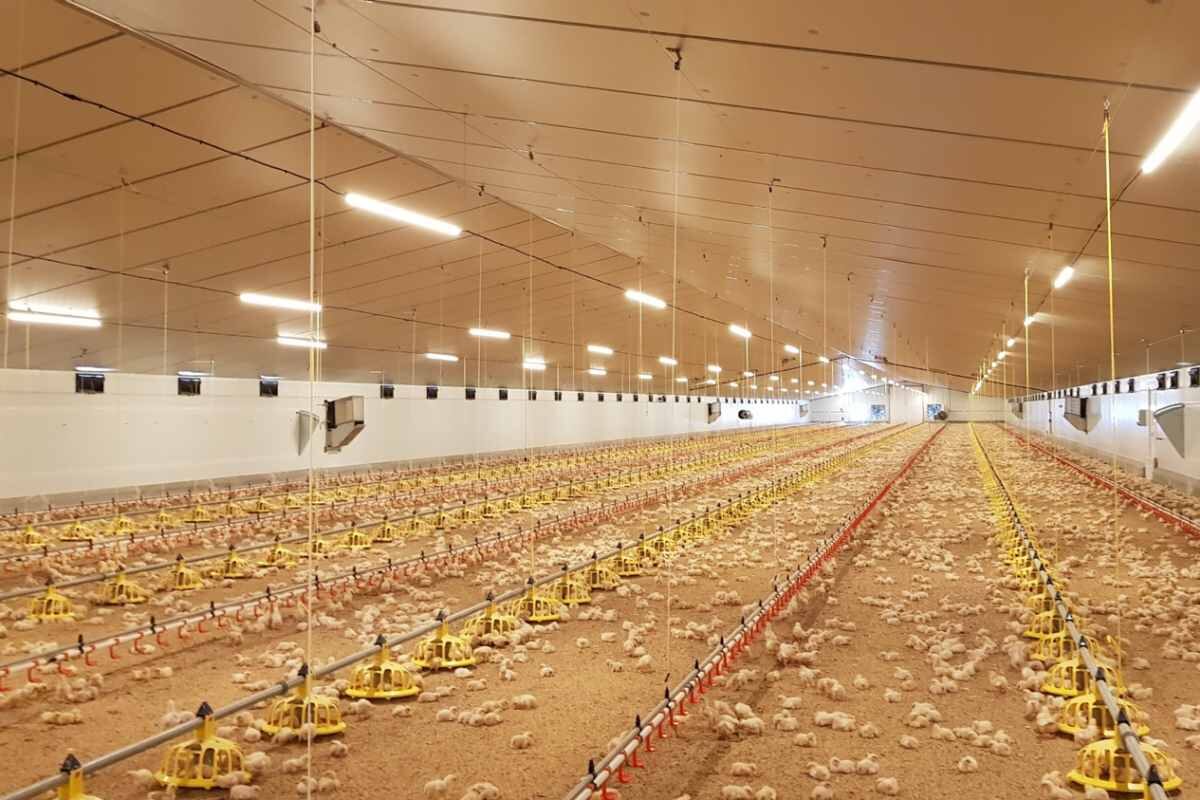
The egg industry has made great progress since 1989, when Salmonella Enteritidis (SE) was first discovered in Massachusetts and caused human illnesses from Grade A eggs. In the 1990s, up to 38% of flocks in some regions tested positive for SE. Since then, we have learned several intervention strategies to reduce preharvest SE.
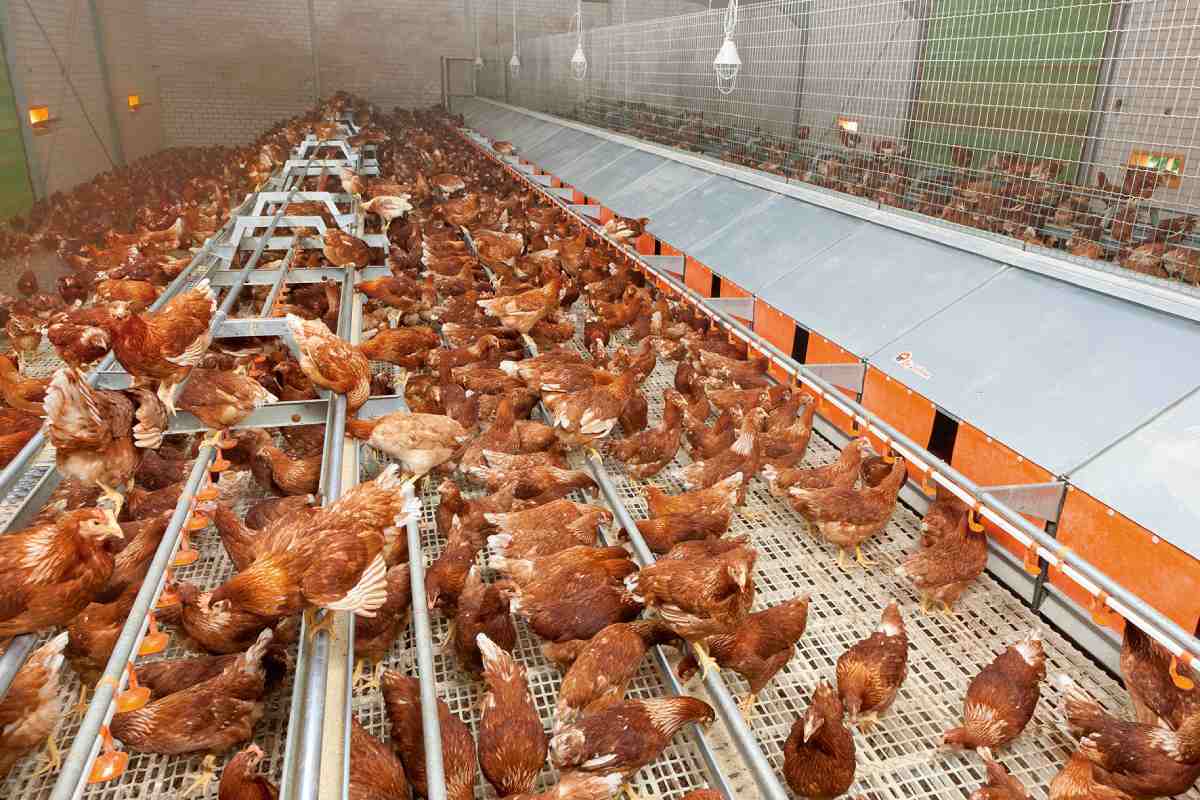
According to the Pennsylvania Egg Quality Assurance Program, SE egg-associated human outbreaks over the past year have predominantly involved regional producers of specialty products, particularly, though not exclusively, cage-free and organic shell eggs. These producers supply regional processors and retailers, a pattern consistent with recognized food-safety challenges associated with the industry’s transition to alternative housing systems.
Although root causes of individual outbreaks are not always publicly disclosed, anecdotal industry experience suggests that producers who consistently implement all three components of an effective Salmonella control program — 1) full compliance with the on-farm elements of the FDA Egg Safety Rule, 2) an effective Salmonella/SE immunization program and 3) use of feed additives shown to significantly reduce Salmonella — tend to experience fewer SE-positive flocks over time. Regional and specialty producers may face greater practical challenges in consistently implementing all three components compared to larger, more established operations.
Egg recalls
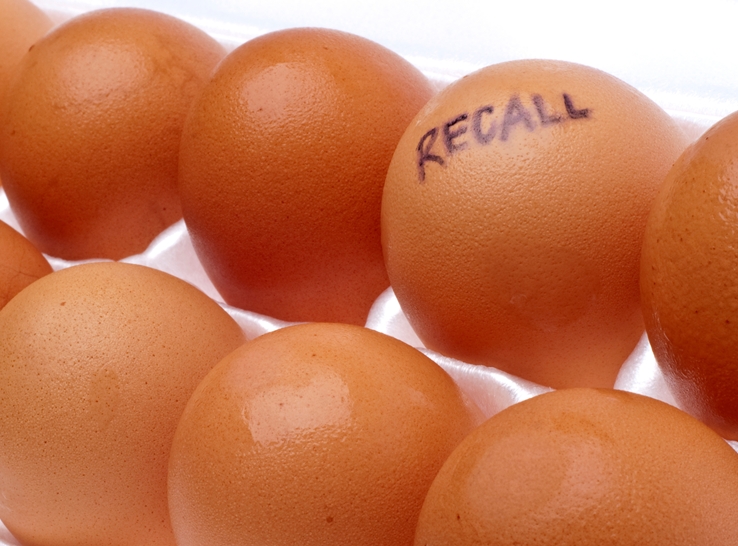
Some egg-associated Salmonella recalls have occurred due to non-SE serotypes, likely from shell contamination associated with inadequately washed and sanitized eggs, or from post-processing contamination.
A 2025 recall of more than 6 million eggs illustrates this risk: during an FDA inspection of the processing facility, 40 environmental samples tested positive for Salmonella, representing 7 serotypes, some of which are known to cause human illness. Notably, FDA reported no evidence linking this facility to an ongoing human illness outbreak at the time of the recall, underscoring the value of environmental monitoring in identifying and addressing contamination risk before it results in confirmed illnesses.
Reducing Salmonella load coming into plant
Egg processors can reduce their risk of Salmonella contamination entering the plant on eggshells or internally, as in the case of SE.
Several major retailers have adopted enhanced supplier requirements beyond those required by FDA, including vaccination, Salmonella control programs and validated preventive interventions.
Recommended Salmonella control program components
Preventing SE in layer flocks requires an integrated program approach that uses management, vaccination and feed additives to reduce the risk of egg contamination. The following gives descriptions of these procedures.
Component #1: FDA Egg Safety Rule
The FDA Egg Safety Rule, set forth in 2009 after studying the benefits of several successful state programs, presents six basic tenets, summarized below, for SE prevention:
- Procurement of SE-monitored pullets.
- Rodent, fly and pest control.
- Biosecurity practices.
- Refrigeration on farm and post-processing.
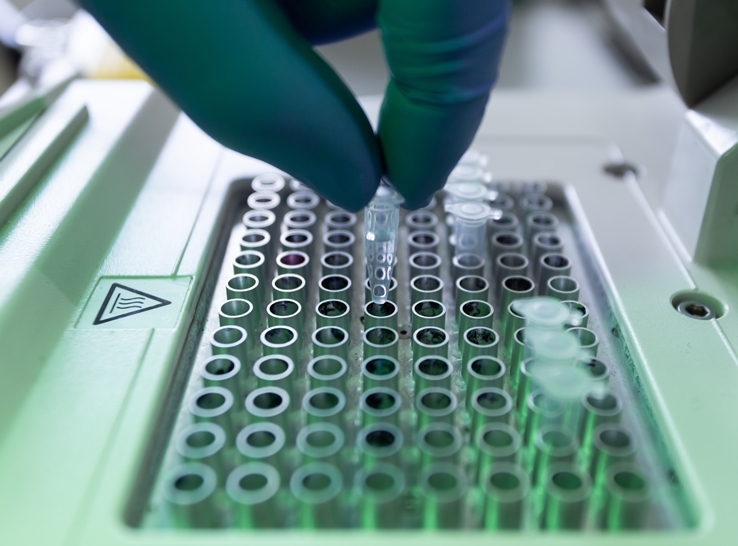
- Testing of flocks for SE, with mandatory diversion of eggs from SE-positive flocks to treatment (e.g., pasteurization) until subsequent testing confirms the flock is negative and eligible to return to the table egg market.
- Cleaning and disinfection of SE-positive houses between flocks.
Veterinarians involved in flock health management are often responsible for auditing these procedures for compliance.
Although the components described below are not required in the FDA Egg Safety Rule, many egg producers have adopted them as part of enhanced Salmonella prevention programs.
Component #2: Vaccination/immunization
A sound vaccination/immunization program has been critical in reducing the prevalence of SE-positive flocks over time. Although specific protocols vary by vaccine manufacturer and company program, a typical minimum approach includes applying a live Salmonella Typhimurium (ST) vaccine by spray at the hatchery, followed by at least one additional live ST dose (spray or drinking water) at a selected age during pullet-rearing and an inactivated SE bacterin administered prior to the onset of lay (commonly around 12 to 14 weeks) to provide longer-lasting immunity.
Some producers further boost immunity during mid-to-late lay with an additional live ST vaccine dose. Company-employed and consulting veterinarians aid in this immunization effort by overseeing the schedule and vaccination procedures.
Component #3: Feed additive
The third component is feeding a feed additive with demonstrated efficacy in reducing Salmonella spp. colonization in the intestine, recognizing that efficacy can vary by product type, inclusion rate and delivery method. When fed continuously, these additives may help reduce SE and other Salmonella spp. loads in the house throughout lay, particularly later in production as vaccine-induced immunity wanes.
Veterinarians involved with the flock’s layer health oversee the use of feed additives that will help further reduce Salmonella excretion into the environment by lowering infection levels.
One example of an approved feed additive list required by a major retailer as part of its supplier food safety program can be found here.
Component #4: Limited use of mislaid eggs
A fourth component to consider is limiting the use of mislaid eggs (i.e., those laid outside nests), as these eggs have a documented higher risk of shell contamination from litter, dust and manure contact, which can introduce Salmonella into the processing plant.
This risk is compounded because mislaid eggs are often collected on a delayed or inconsistent schedule, increasing the likelihood that the FDA-required 36-hour refrigeration window is exceeded, which may further support bacterial growth.
Consistent nest-box training, lighting management and timely collection protocols can help reduce mislaid egg rates and the associated contamination risk.
Plant sanitation, egg processing
The USDA has developed plant sanitation rules to reduce the likelihood of Salmonella contamination carrying over from day to day or shift to shift. In USDA-regulated plants, the inspector in charge assesses the facility’s visual cleanliness daily. In non-USDA-graded plants (state-regulated plants), this responsibility lies with the assigned compliance person. However, state-inspected plants must comply with USDA regulations.
All egg processors should follow the egg processing and sanitation guidelines set forth by USDA and FDA with assistance from their equipment and sanitation chemical suppliers. These include, but are not limited to, appropriate management of wash water temperature and pH and of sanitizer solution concentration. Environmental monitoring and sanitation with attention to potential Salmonella niches are important.
Reducing post-processing contamination
Proper airflow design in the processing room is essential to reduce the potential for post-processing contamination. The ventilation system must provide appropriate room pressures to avoid flow from potentially contaminated air into areas with a higher risk of Salmonella contamination.
Air sanitation is another intervention that can reduce the risk of post-processing contamination by using one of several available air-sanitizing systems.
Refrigeration/cold chain
Maintaining ambient temperatures at or below 45°F, beginning within 36 hours after lay and continuing through on-farm storage, transport to the processing plant, pre- and post-wash holding and transport to retail, is critical to limit Salmonella growth in or on eggs.
Summary
Shell egg processors can greatly reduce the risk of SE and other Salmonella spp. in or on shell eggs that may result in human illness and product recalls by requiring their egg suppliers to utilize known effective Salmonella preharvest practices: 1) comply with all components of the FDA Egg Safety Plan, 2) immunize pullets effectively against SE, 3) use an effective non-antibiotic feed additive that reduces the SE fecal load and 4) utilize known methods of egg washing and sanitation to reduce Salmonella counts on egg shells.
This article was written by members of the AAAP Food Safety Committee’s Egg Production and Processing subcommittee: Eric Gingerich, DVM, dACPV, lead author, Diamond V/Cargill; Fernando Ruiz-Jiménez, DVM, dACPV, Zoetis; John Brown, DVM, MAM, Zoetis; John Schleifer, DVM, MS, dACPV, Devenish Nutrition North America; and Linnea Tracy, VMD, MPH, MAM, dACPV, CEVA Animal Health.
Editor’s note: Content on Modern Poultry’s Industry Insights pages is provided and/or commissioned by our sponsors, who assume full responsibility for its accuracy and compliance.
The post Reducing Salmonella in shell eggs: an integrated approach to preventing human illness and egg recalls appeared first on Modern Poultry.
Apa Reaksi Anda?
 Suka
0
 Kurang Suka
0
 Setuju
0
 Tidak Setuju
0
 Bagus
0
 Berguna
0
 Hebat
0