





























Separating avian and seasonal influenza in wastewater

Influenza A RNA detected in wastewater may originate from human or animal sources. A digital PCR method developed by the European Commission’s Joint Research Centre combines several molecular targets to distinguish H5 avian influenza viruses from seasonal strains.
Wastewater surveillance can provide early evidence of influenza virus circulation. However, conventional molecular assays targeting influenza A detect genetic material from both seasonal human influenza and avian strains. When these occur in the same environmental sample, identifying their respective contributions becomes difficult.
Researchers from the European Commission’s Joint Research Centre (JRC), working with Italian scientific institutions, have developed a dual-duplex reverse-transcription digital PCR (RT-dPCR) approach. The method uses two separately performed duplex assays: the influenza A and B components of the CDC Flu SC2 assay and the JRC-HA/JRC-MP duplex. JRC-HA targets a conserved region of the haemagglutinin gene associated with highly pathogenic avian influenza H5 viruses belonging to clade 2.3.4.4b. JRC-MP targets a conserved region of the influenza A matrix gene and detects a broader range of influenza A viruses, including seasonal human strains.
The assays were evaluated using H5N1 viruses collected from wild birds and poultry in northern Italy between October and December 2025. The researchers reported a detection limit of five RNA copies per reaction. They also tested wastewater RNA extracts supplemented with defined quantities of avian and seasonal influenza RNA.
In one experimental scenario, JRC-HA detected avian influenza RNA at concentrations of 10 or 20 copies/µL despite the presence of 3,500 copies/µL of seasonal influenza A RNA. Under the same conditions, JRC-MP detected both avian and seasonal influenza A RNA. Its broader reactivity is useful for detecting influenza A but limits the specificity of this target when seasonal influenza concentrations are high.
Reading the combined PCR results
The researchers propose assessing the molecular targets as a group, considering which are detected and their relative signal intensities. A positive JRC-HA result indicates the presence of genetic material associated with the targeted H5 lineage. Detection through the broader influenza A assays alone provides less specific information: the RNA may originate from seasonal influenza or from avian influenza viruses outside the coverage of JRC-HA. Different combinations of results may also suggest the presence of both seasonal and avian strains.
Concentrations close to the detection limit require particular caution. Shedding patterns, sewer inputs, wastewater matrix characteristics and differences in laboratory methods can affect measured RNA concentrations. When samples are collected repeatedly, changes over time may provide additional evidence, provided that sampling and analytical procedures remain consistent.
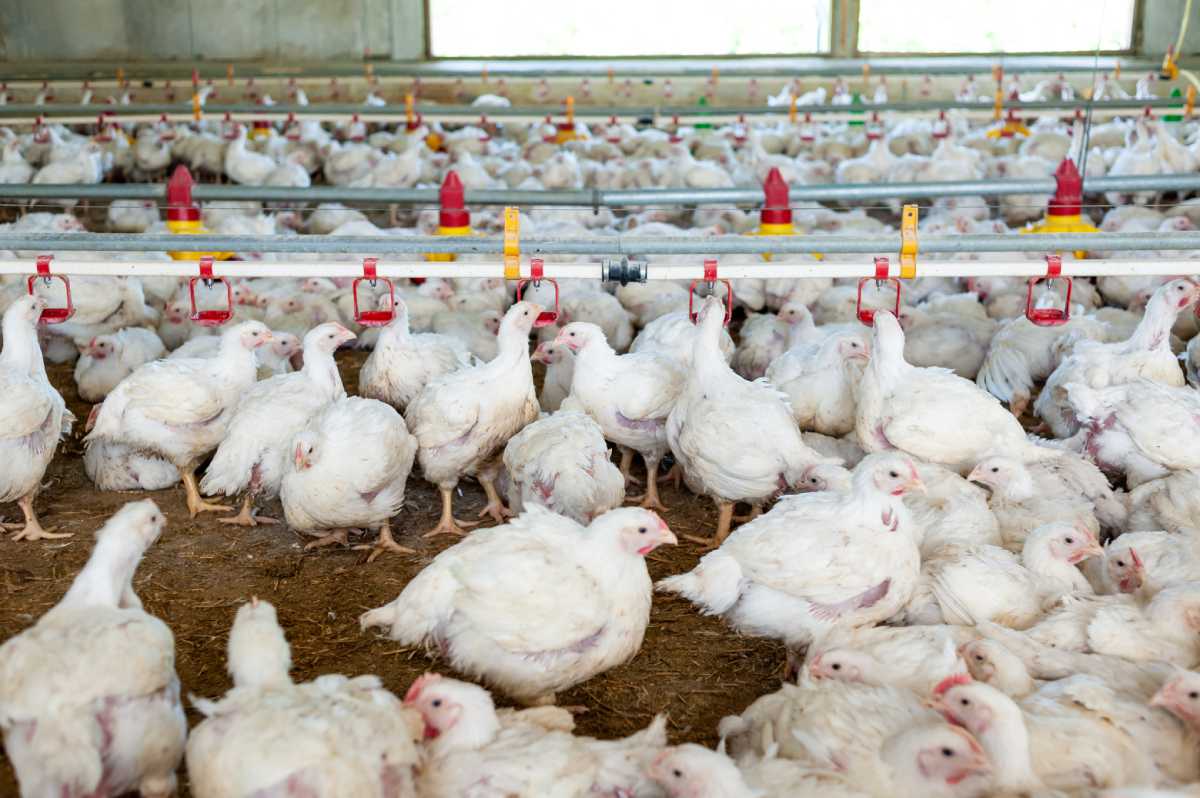
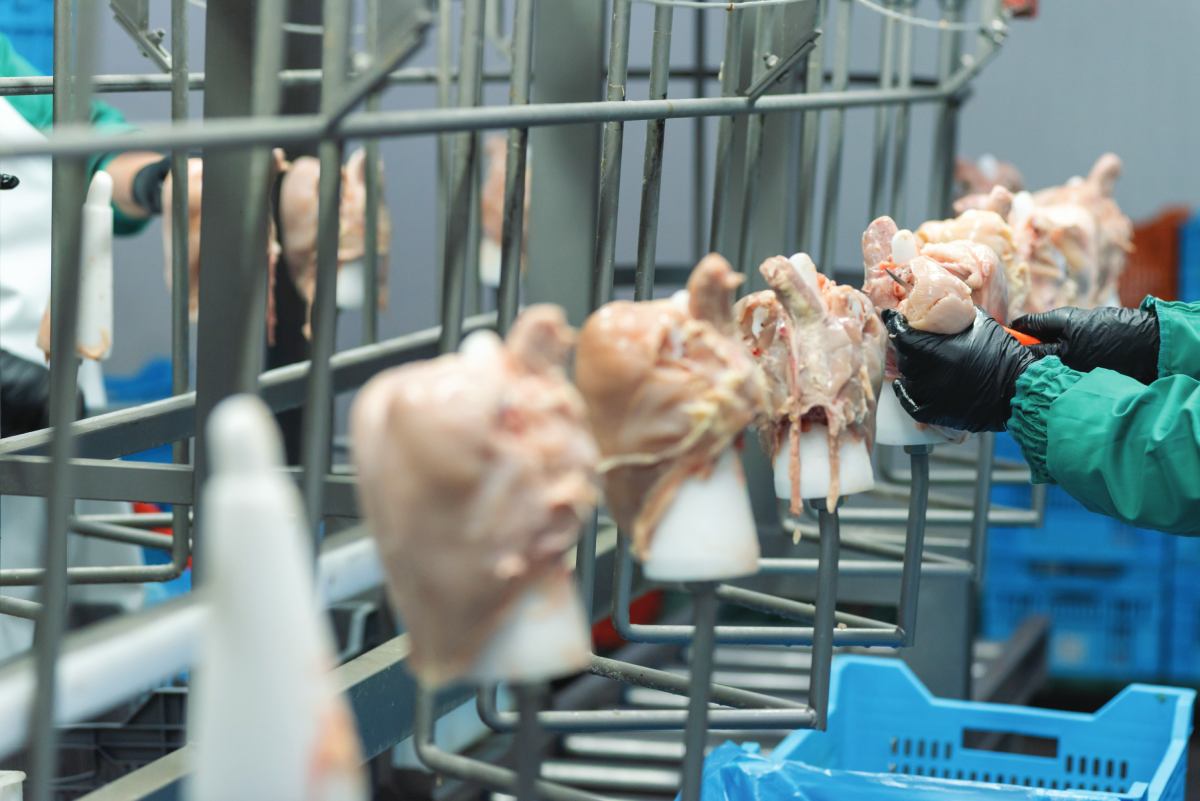
Viral genetic material can reach the sewer network from domestic sewage and animal-related sources. Investigations reported by the US CDC have also identified possible inputs from food-processing facilities and wild birds. Molecular testing identifies RNA, without establishing whether infectious virus is present or which species was responsible for its introduction into the wastewater system. Findings must therefore be examined alongside information from poultry health investigations, wild-bird surveillance and human influenza monitoring.
The experimental evaluation was carried out using animal-derived viral material and wastewater RNA extracts supplemented with influenza RNA. The evaluation did not include naturally occurring HPAI-positive wastewater samples. The JRC reports that the method is already being applied to wastewater surveillance in Lombardy, northern Italy, although its performance across different environmental conditions requires further field evaluation.
More specific wastewater testing could help veterinary authorities decide where further investigation is needed. Any suspected infection in a poultry flock would still need to be confirmed through direct sampling and diagnostic testing of the birds.
Sources
- Paracchini V. et al. (2026). Differentiating Avian and Seasonal Influenza Viruses in Wastewater by Digital PCR. Emerging Infectious Diseases, 32(11), 1879–1884. https://doi.org/10.3201/eid3211.261234
- European Commission, Joint Research Centre (2026). New JRC laboratory method strengthens Europe’s early-warning system for bird flu. 21 October 2026. JRC publication
- Louis S. et al. (2024). Wastewater Surveillance for Influenza A Virus and H5 Subtype Concurrent with the Highly Pathogenic Avian Influenza A(H5N1) Virus Outbreak in Cattle and Poultry and Associated Human Cases — United States, May 12–July 13, 2024. MMWR, 73(37), 804–809. CDC report
Apa Reaksi Anda?
 Suka
0
 Kurang Suka
0
 Setuju
0
 Tidak Setuju
0
 Bagus
0
 Berguna
0
 Hebat
0