























Beyond the hatchery: building a stronger infectious bronchitis control program
High-quality vaccine application is essential for infectious bronchitis (IB) control, but it’s only one part of the picture. Long-term success also depends on selecting appropriate vaccination programs, monitoring vaccine performance, understanding local virus circulation and continually adapting as field conditions change.

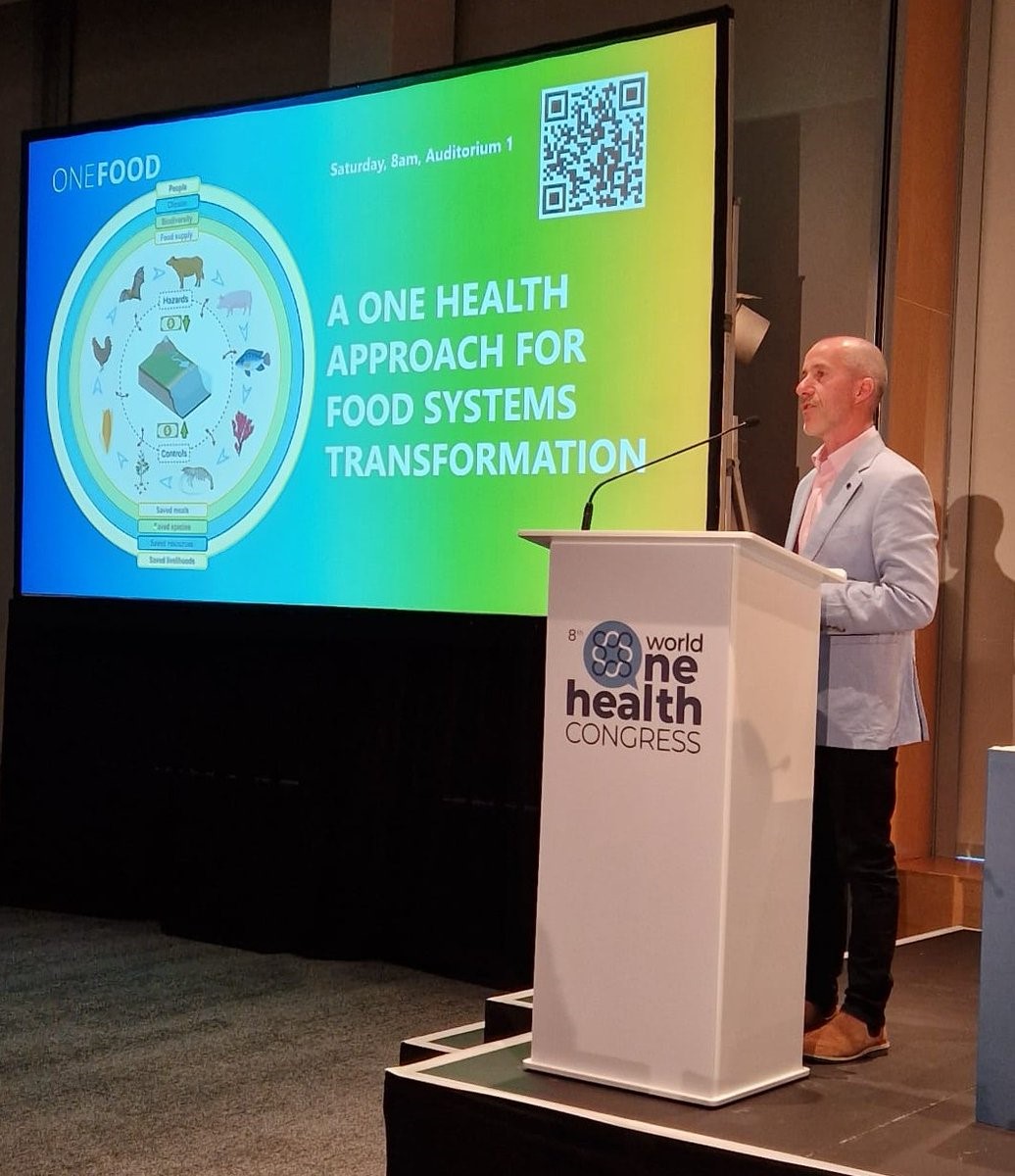
Jose Linares, DVM
Here, Jose Linares, DVM, diagnostician and technical services veterinarian with Ceva Animal Health, discusses how those pieces fit together — and why successful IB control requires more than simply administering vaccine.
Q: Your recent work has focused on precision hatchery vaccination — ensuring every chick receives a consistent, viable vaccine dose under the right conditions. Looking beyond the hatchery, what’s the biggest lesson you’ve learned about improving IB control in the field?
A: Precision vaccination is the foundation, but it’s only one part of successful IB control. Poultry health is a continuum that begins with the breeder flock and continues through the hatching egg, hatchery and broiler farm.
Good vaccine application and chick quality are essential because healthy chicks are much better able to mount an effective immune response. But long-term success also depends on good management, strong biosecurity, understanding the disease challenges present in a region and continually evaluating whether the vaccination program is delivering the expected results.
Ultimately, the birds tell us whether a program is working. Laboratory data are important, but field observations, bird health and production performance all help us understand what’s happening and where improvements can be made.
Q: Many producers routinely monitor vaccine takes. What can strong vaccine-take results tell you — and what can’t they tell you — about the overall strength of an IB vaccination program?
A: Vaccine takes primarily reflect the quality of vaccine delivery to the birds. They tell us that birds received a viable vaccine under conditions that supported successful uptake.
By themselves, however, vaccine takes don’t tell the whole story. Demonstrating vaccine replication requires evaluating the bird’s immune response, while the overall effectiveness of a vaccination program also depends on what happens in the field.
That’s why we also monitor key health and performance indicators, including clinical signs, livability, processing plant condemnations, average daily gain and feed conversion. Looking at those measures together gives a much more complete picture of whether a vaccination program is achieving the desired outcome.
Q: IBV continues to evolve, and disease challenges vary from region to region. How should surveillance and local epidemiology influence vaccine selection and long-term control strategies?
A: Vaccination programs have to provide protection against the challenges producers are actually facing in the field.
When the DMV1639 strain emerged and spread into flocks with limited protection, we saw its impact on bird health and performance. Our response was to develop a vaccination strategy to address these emerging challenges. IBRON® provided protection against GA08 while also delivering cross-protection against GA13 and DMV1639. Combining Mass and IBRON® further enhanced protection against Ark and DMV1639.[1]
Surveillance is what allows us to make those decisions with confidence. Using RT-qPCR, we monitor circulating viruses, evaluate how vaccination programs influence those populations and identify new strains as they emerge. We also continually sequence new infectious bronchitis virus (IBV) isolates and conduct challenge studies to confirm that our cross-protection strategy continues to perform as the virus evolves.
Q: Successful IB control depends on many interconnected factors, from vaccine selection and application to surveillance and monitoring. How does Ceva bring those different elements together when helping customers design or refine an IB control program?
A: From the outset, we developed a value-added scientific and technical support program built around RT-qPCR for vaccine takes, diagnostics and surveillance, combined with hatchery vaccination audits and bird health surveys.
That support also includes helping customers optimize vaccine application. Although both spray and gel delivery can achieve excellent results when properly managed, studies we’ve conducted have shown that gel application can offer practical advantages under commercial conditions, including reduced thermal stress, while still delivering consistently high vaccine takes.1
As we documented the impact of IBV in unprotected flocks — and the improvements once birds were protected — our scientific and technical support evolved beyond IB. Today, it also includes surveillance for avian metapneumovirus, infectious laryngotracheitis virus, Newcastle disease virus, Escherichia coli, Enterococcus and Ornithobacterium rhinotracheale, along with chick quality assessments.
History tells us that IBV variants and new strains will continue to emerge. This is why Ceva has worked hard to become a leader in IBV diagnosis and control.
Q: When an IB vaccination program isn’t delivering the expected results, where do you begin? How do you determine whether the issue lies with vaccine selection, application, bird health or another part of the production system?
A: We don’t assume the vaccination program itself is the problem. The first step is to evaluate the entire production system, from breeder flock and hatchery through to the broiler farm, to understand where performance may have broken down. This involves a holistic approach that includes looking for other respiratory pathogens with similar clinical presentation as well as immunosuppressive factors, secondary pathogens and overall flock management.
Healthy chicks are much better able to mount an immune response, but we also recognize that disease reflects the interaction among the bird, the pathogen, the environment and management practices.
Whenever possible, we go to the farm. Observing the birds often provides insights that laboratory results alone cannot. Birds are the ultimate arbiters of whether disease-prevention measures are working. Farm visits give us the opportunity to identify the root cause of a problem and recommend effective solutions.
Q: Looking ahead, where do you see the greatest opportunities to further improve IB control?
A: IB isn’t a static disease, so our control strategies can’t be static either. When we started battling DMV1639 in unprotected flocks, we had the opportunity to witness the full impact of this virus on bird health and performance. This set the stage to monitor and document the effectiveness of our cross-protective IBV vaccination strategy. Everyone welcomed the positive outcomes.
As surveillance and sequencing technologies continue to improve, we’ll be able to detect changes in circulating viruses more quickly. When changes are detected, the next consideration is whether they are impacting birds under the current vaccination program. Applying lessons from the long history of IBV, we have been hunting for new variants or strains since 2015. When a new virus emerges, we aim to be at the leading edge of vaccination strategies that better reflect the field challenge.
Ultimately, the goal is to combine good science with practical field experience to help producers stay one step ahead of an evolving virus.
Editor’s note: Content on Modern Poultry’s Industry Insights pages is provided and/or commissioned by our sponsors, who assume full responsibility for its accuracy and compliance.
1 Linares J. Precision vaccination in the hatchery: Improving vaccine delivery and takes. Presented at: American Association of Avian Pathologists Annual Meeting; 2026; Orlando, Florida.
The post Beyond the hatchery: building a stronger infectious bronchitis control program appeared first on Modern Poultry.
Apa Reaksi Anda?
 Suka
0
 Kurang Suka
0
 Setuju
0
 Tidak Setuju
0
 Bagus
0
 Berguna
0
 Hebat
0