































































Near Laser Treatment Guide: Your 2026 Expert Manual


Discover the future of skin rejuvenation with near laser treatment, the next evolution in cosmetic technology for 2026 and beyond. As laser advancements accelerate, more people are turning to minimally invasive solutions for healthier, radiant skin.
Understanding near laser treatment empowers you to make confident choices for your skin’s health and beauty. This expert manual will guide you step by step, so you can navigate the latest innovations, safety protocols, and aftercare with ease.
Explore treatment fundamentals, groundbreaking devices, the treatment process, safety considerations, real results, and optimal aftercare—all in one comprehensive guide.
Understanding Near Laser Treatments: Fundamentals and Innovations
Advances in skin rejuvenation continue to shape the future of cosmetic procedures. Near laser treatment is at the forefront, combining innovation with proven science to address a wide range of skin concerns. This section explores what makes near laser treatment unique, the latest breakthroughs, and how to determine if it is right for you.
What is Near Laser Treatment?
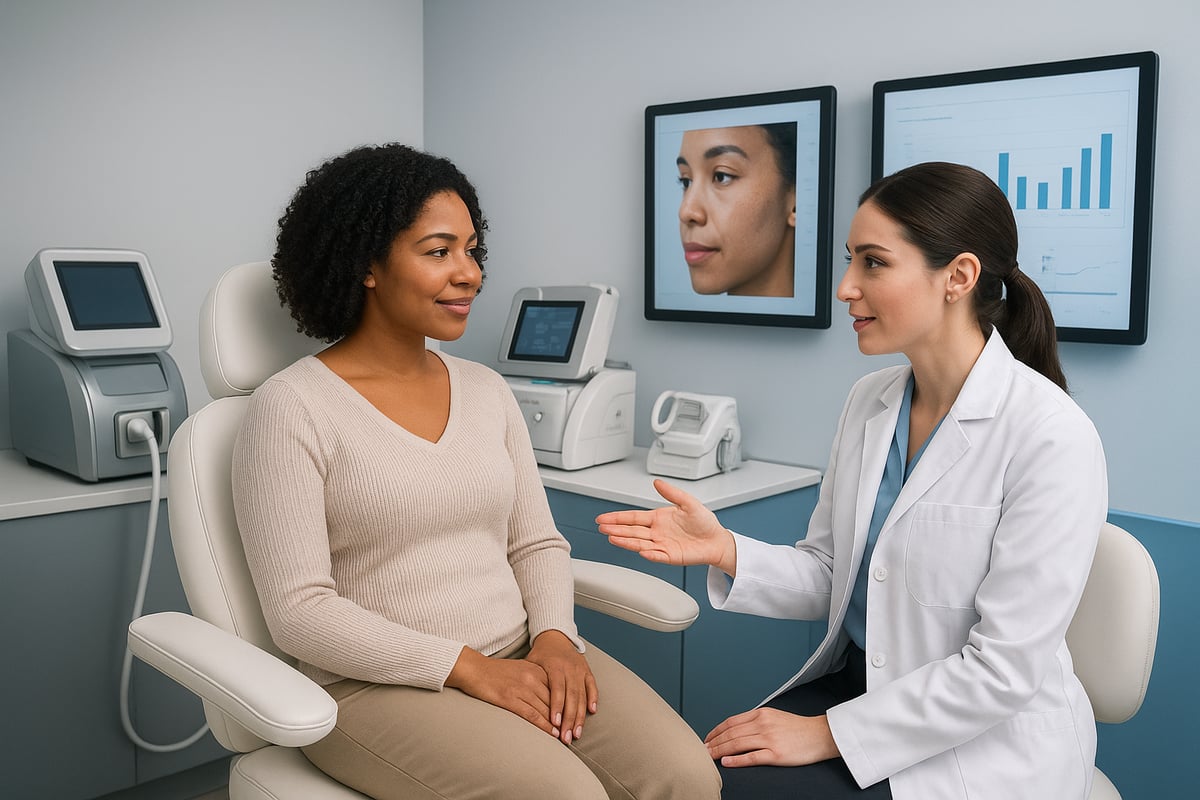
Near laser treatment refers to a set of next-generation skin therapies that use finely tuned laser wavelengths to target specific skin issues. Unlike traditional lasers, which often affect broader areas, near laser treatment offers greater precision and reduced downtime.
The core principle is selective photothermolysis, where energy is delivered to targeted tissues without damaging surrounding skin. This makes near laser treatment ideal for concerns such as pigmentation, fine lines, acne scars, and vascular lesions.
Below is a comparison chart summarizing key differences:
| Feature | Near Laser Treatment | Traditional Laser | Microneedling | Chemical Peels |
|---|---|---|---|---|
| Precision | High | Moderate | Low | Low |
| Downtime | Minimal | Moderate | Minimal | Varies |
| Safety for Skin Types | Broad (I-VI) | Limited | Broad | Limited |
| Targeted Concerns | Pigmentation, wrinkles, scars | Wrinkles, resurfacing | Texture, scars | Pigment, texture |
Near laser treatment stands out for its versatility and patient-friendly recovery.
Technological Advancements in 2026
The year 2026 brings remarkable innovation in near laser treatment technology. Emerging platforms include picosecond, fractional, and hybrid lasers, each enhancing results and minimizing risks. Picosecond lasers deliver ultra-short pulses for pigment and tattoo removal, while fractional lasers create microscopic columns of treated tissue, speeding up healing.
A key leap is the integration of AI and smart diagnostics, allowing practitioners to customize every near laser treatment for an individual’s skin type and goals. This ensures optimal safety and efficacy.
According to Recent Trends in Laser Technology 2026, the global market for laser devices is growing at an impressive rate, with double-digit growth projected through 2026. These trends highlight the increasing demand for advanced, minimally invasive options.
How Near Laser Works on Skin
The science behind near laser treatment is rooted in selective photothermolysis. The laser emits energy at a wavelength chosen to interact with specific skin targets, such as melanin for pigmentation or water in collagen fibers for wrinkle reduction.
This targeted approach allows for controlled depth of penetration, reaching just enough tissue to stimulate repair without harming healthy areas. Newer devices offer real-time feedback, further improving precision and minimizing the risk of side effects.
Safety is a priority in near laser treatment. Compared to earlier generations, modern systems offer refined energy delivery and improved cooling, reducing discomfort and enhancing outcomes for all skin types.
Types of Near Laser Devices
There are several FDA-approved near laser treatment devices available in 2026. These can be categorized as ablative, non-ablative, and sub-ablative technologies.
- Ablative lasers remove the outer skin layer, providing dramatic resurfacing but requiring more downtime.
- Non-ablative lasers heat the underlying skin without damaging the surface, leading to gradual improvements with less recovery.
- Sub-ablative lasers balance both, offering visible results with minimal interruption to daily life.
Before-and-after results often show improved texture, reduced pigmentation, and smoother skin. The right device is chosen based on your skin’s needs and desired outcome.
Who is a Candidate?
Near laser treatment is suitable for a wide range of skin types and ages. It works well for individuals seeking solutions for pigmentation, wrinkles, scars, and vascular lesions. The best candidates have realistic expectations and no contraindications such as active infections, certain medications, or a history of poor wound healing.
Success rates are high across diverse demographics. Recent statistics show that over 85 percent of patients report visible improvement after a series of treatments.
A thorough consultation ensures near laser treatment is safe and effective for your specific needs.
Preparing for Near Laser Treatment: Essential Steps
Proper preparation is vital to achieve the safest and most effective results from near laser treatment. Taking the right steps before your session ensures optimal outcomes and minimizes risks. In this section, we break down the essential phases that set the foundation for a successful experience with near laser treatment.
Pre-Treatment Consultation and Assessment
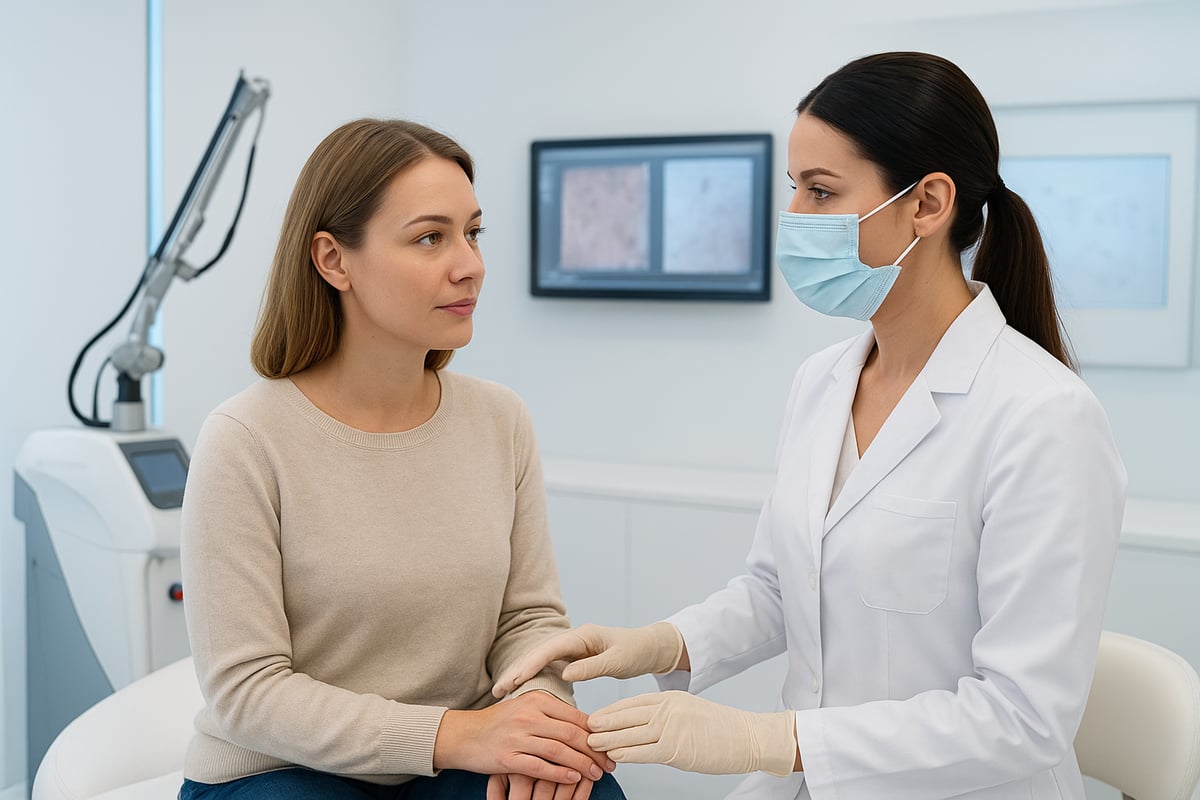
A thorough consultation is the first step in preparing for near laser treatment. Certified professionals will evaluate your skin type, medical history, and specific concerns to determine if you are a suitable candidate. This process helps prevent complications and ensures the treatment is tailored to your needs.
During your visit, expect to discuss your current skincare routine, any medications, and past procedures. The provider will set realistic expectations for what near laser treatment can achieve. Here is a sample consultation checklist:
- Review of medical history and allergies
- Skin analysis using digital tools
- Discussion of desired outcomes and concerns
- Explanation of the procedure and potential risks
- Assessment of candidacy for near laser treatment
Choosing a reputable clinic is crucial at this stage. Explore Laser clinic options near me to find trusted providers for your consultation and treatment.
Customized Treatment Planning
Once candidacy is established, the next phase focuses on creating a personalized plan for your near laser treatment. Practitioners use advanced tools, including the Fitzpatrick scale, to accurately assess your skin tone and type. This evaluation guides the selection of laser settings and protocols for both safety and efficacy.
Digital imaging and AI-driven diagnostics are now standard in 2026, enabling precise mapping of target areas and predicting potential responses. Your provider will use these technologies to plan the intensity and depth of laser application. The goal is to optimize results while minimizing risks and downtime.
A customized protocol means your near laser treatment addresses your unique needs, whether targeting pigmentation, wrinkles, or scarring. This approach sets the stage for a smoother procedure and better skin outcomes.
Pre-Treatment Instructions
Following pre-treatment guidelines is essential for maximizing the benefits of near laser treatment. Your provider will offer specific instructions based on your protocol and skin type. These steps help reduce side effects and ensure your skin is in prime condition for the procedure.
Key recommendations may include:
- Avoiding sun exposure and tanning beds for at least two weeks before treatment
- Discontinuing certain medications or topical agents that increase sensitivity
- Using gentle cleansers and antioxidant-rich serums
Here is a sample 7-day pre-treatment timeline:
- Days 7-4: Begin gentle skincare, stop retinoids
- Days 3-1: Increase hydration, avoid alcohol
- Day 0: Arrive with clean, makeup-free skin
Following these pre-treatment instructions helps prepare your skin for near laser treatment and enhances safety during the procedure.
Managing Expectations
Understanding what to expect from near laser treatment is an important part of the preparation process. While most patients experience mild discomfort and some downtime, the majority report high satisfaction with results. Your provider will review consent forms and answer any frequently asked questions.
Common topics discussed include:
- Potential for temporary redness or swelling
- Typical recovery timelines and when to expect visible improvements
- How many sessions may be needed for optimal results
According to recent patient surveys, satisfaction rates for near laser treatment are above 85 percent, with most concerns related to downtime or post-procedure care. Open communication with your provider helps ensure you are informed and confident about your treatment journey.
The Near Laser Treatment Process: Step-by-Step Guide
Embarking on a near laser treatment journey involves a series of carefully orchestrated steps, each designed to ensure safety, efficacy, and optimal patient comfort. Understanding this process empowers you to approach your treatment with confidence and clear expectations.
Below is a comprehensive walkthrough of each stage, from your arrival at the clinic to post-treatment follow-up. This guide highlights best practices, modern enhancements, and actionable insights for your 2026 experience.
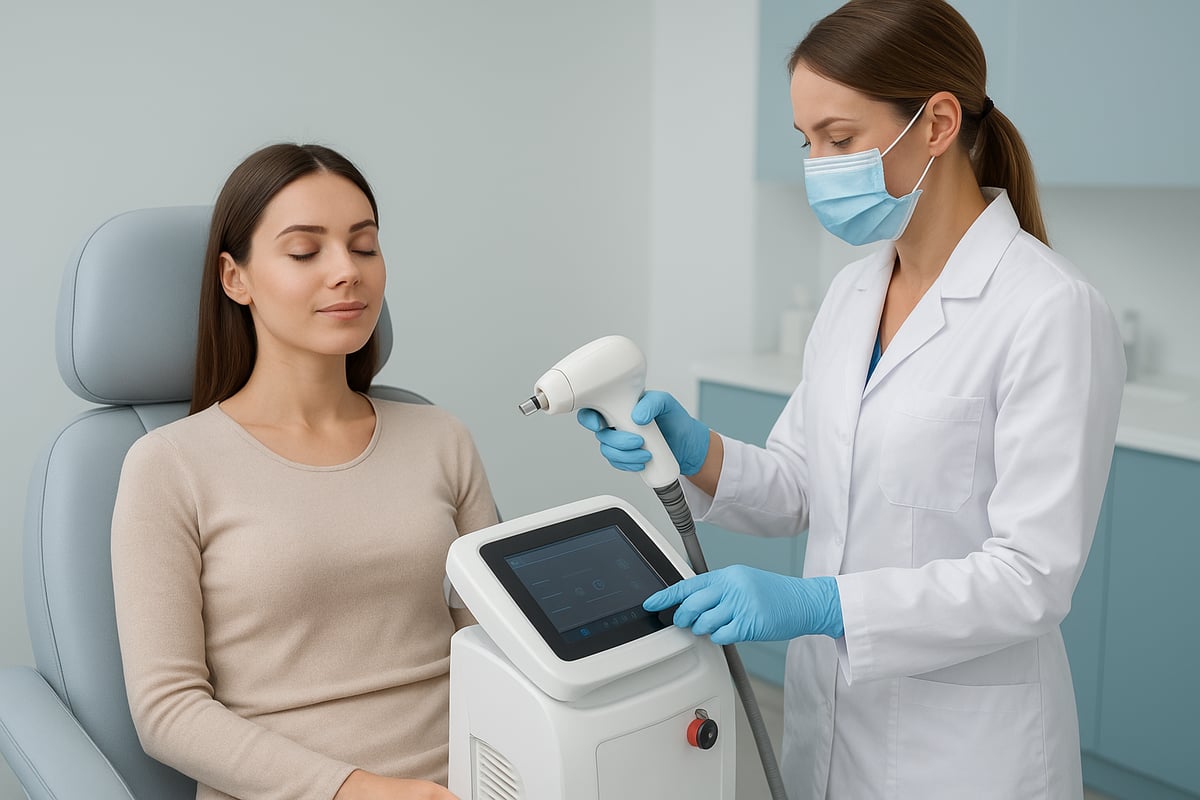
Step 1: Arrival and Skin Preparation
Your near laser treatment starts with a detailed check-in process. Upon arrival, a licensed specialist reviews your health history and verifies your treatment plan. This ensures you are a suitable candidate and that all safety measures are in place.
The skin is then thoroughly cleansed to remove makeup, oils, and impurities. This step is crucial for achieving uniform laser penetration and minimizing infection risks. After cleansing, a topical numbing cream is applied to the targeted areas to maximize comfort throughout the procedure.
Next, your provider marks specific treatment zones for precision. Protective eyewear is distributed to both you and your practitioner, reflecting the latest safety protocols for 2026.
Here is a sample pre-procedure skin prep checklist:
- Confirm medical history and allergies
- Cleanse skin with gentle, non-irritating products
- Apply topical anesthetic and allow adequate time for effect
- Mark treatment areas with sterile tools
- Distribute protective eyewear
This meticulous preparation lays the groundwork for an effective near laser treatment, setting the stage for optimal results and minimized complications.
Step 2: Laser Application Techniques
Once your skin is prepped, the practitioner calibrates the near laser treatment device based on your unique skin type and cosmetic goals. Calibration involves adjusting parameters such as pulse duration, energy settings, and spot size, tailored to achieve desired effects like wrinkle reduction or pigment correction.
Advanced devices in 2026 incorporate AI-assisted feedback, which monitors skin response in real time. This technology enhances safety by automatically adjusting settings for consistent outcomes.
Manual delivery relies on the practitioner’s skill, while automated systems offer algorithmic precision. Here is a quick comparison:
| Delivery Method | Benefits | Considerations |
|---|---|---|
| Manual | Customizable, responsive to nuances | Operator-dependent results |
| Automated (AI) | Consistent, data-driven | Relies on device programming |
For those focused on wrinkle reduction, learn more about the best laser for wrinkles to understand how modern technology addresses specific concerns.
Throughout this step, your comfort and safety remain priorities, with the near laser treatment process tailored for both efficacy and a positive experience.
Step 3: Immediate Post-Treatment Care
Immediately after the near laser treatment, your skin may exhibit redness, warmth, or mild swelling. The provider applies cooling packs or advanced air-cooling devices to soothe the area and reduce inflammation. This step also helps alleviate any lingering discomfort from the procedure.
Special post-laser serums rich in antioxidants or growth factors are often applied to promote healing and enhance results. Depending on the device and treatment intensity, your provider may use sterile dressings or hydrating masks as an additional barrier.
A typical first-hour post-treatment protocol includes:
- Gentle cooling of treated zones
- Application of prescribed serums or ointments
- Avoidance of touching or rubbing the skin
- Instructions for continued at-home care
This immediate care phase is essential to protect skin integrity and jumpstart the recovery process, ensuring the benefits of near laser treatment are maximized from the outset.
Step 4: Monitoring and Short-Term Recovery
During the first 48 hours post-procedure, your provider closely monitors your progress. Common, mild reactions include erythema (redness), edema (swelling), and temporary pigment changes. These are expected and usually resolve within a few days.
It is critical to be aware of potential warning signs that require prompt attention, such as severe pain, blistering, or signs of infection. Contact your clinic immediately if these symptoms occur.
Data from recent studies suggest that the incidence rates of minor side effects with near laser treatment have decreased significantly due to advances in device safety protocols. Providers use digital tracking to document your healing and address concerns swiftly.
This vigilant monitoring helps ensure your recovery is smooth, reinforcing the safety profile of modern near laser treatment methods.
Step 5: Follow-Up and Maintenance Scheduling
The journey does not end with the initial session. After your near laser treatment, a follow-up appointment is scheduled to assess your healing and review early results. Booster sessions may be planned based on your goals and the type of device used.
Adjunct therapies, such as microneedling or topical treatments, are often integrated into your care plan for synergistic benefits. Your provider will outline a personalized three-month post-laser care plan, which may include:
- Scheduled maintenance treatments
- Professional skin evaluations
- At-home skincare regimen adjustments
By adhering to this structured follow-up, you maximize the longevity and effectiveness of your near laser treatment, achieving lasting improvements in skin quality and confidence.
Safety, Risks, and Side Effects of Near Laser Treatments
Choosing near laser treatment in 2026 means embracing advanced technology with a strong emphasis on safety. While these procedures are increasingly popular and effective, understanding potential risks and side effects is crucial for anyone considering this option. This section explores what to expect, how to minimize risks, regulatory safeguards, and how complications are managed.
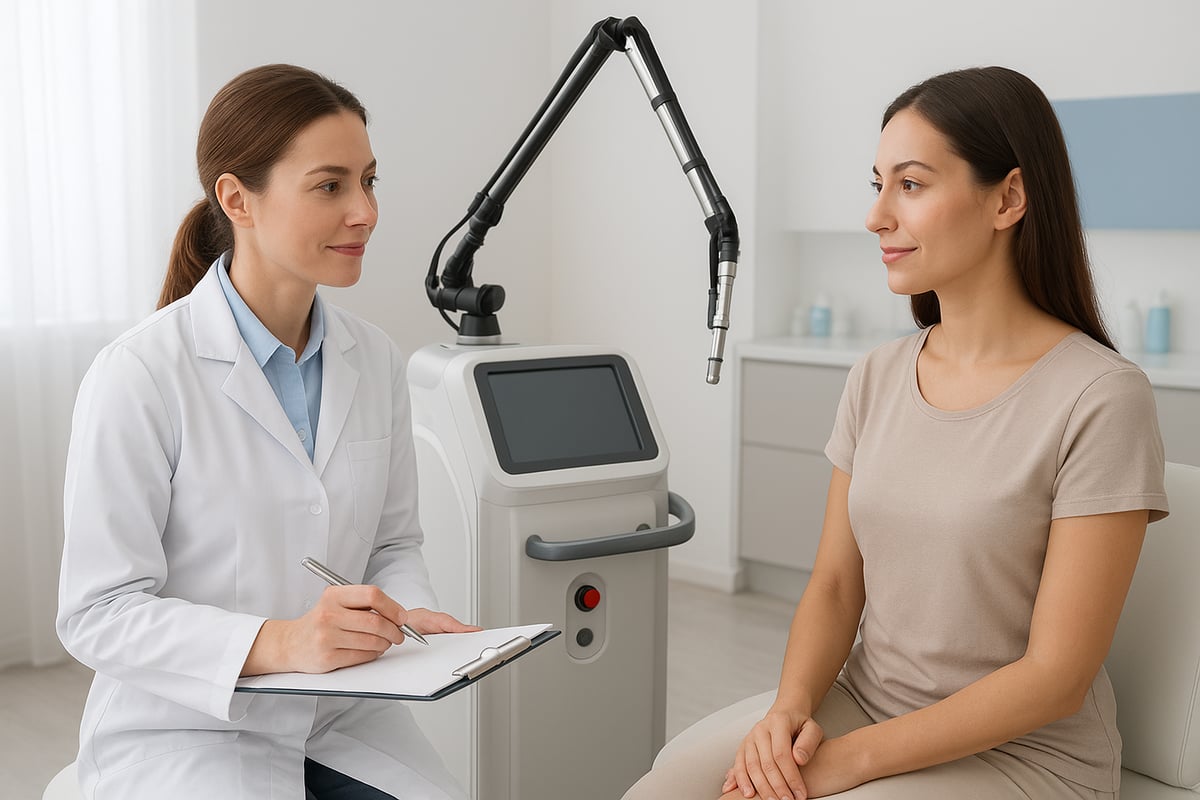
Common and Rare Side Effects
Near laser treatment is generally well tolerated, but like any procedure, it may cause side effects. Most patients experience mild, temporary reactions such as redness, swelling, and a sensation similar to a mild sunburn. These effects usually resolve within hours or days.
Occasionally, patients develop temporary pigment changes, such as light or dark patches on the skin. Less common risks include infection, blistering, scarring, or persistent pigment alterations. Rare adverse events, like hypo or hyperpigmentation, are now less frequent due to precise targeting and improved protocols.
A recent 2025 safety study found that modern devices used in near laser treatment showed a significant reduction in serious complications compared to earlier models. The incidence of severe side effects remains under 1 percent for most FDA-approved devices.
Minimizing Risks
Reducing risks during near laser treatment begins with selecting a highly trained practitioner and a reputable clinic. The expertise of your provider, the quality of the device, and strict adherence to safety protocols are all vital. Thorough pre-screening is essential to identify any contraindications, such as active infections or certain medications.
Comprehensive safety measures, including preoperative screening and intraoperative safeguards, are now the standard of care. Clinics often follow detailed checklists to ensure each patient’s safety. For an in-depth look at expert recommendations, see the Comprehensive Safety Measures in Periocular Laser Treatments article.
Patients should communicate openly about their medical history and follow all pre and post-procedure instructions. These steps help ensure that near laser treatment delivers optimal results with minimal risk.
Regulatory and Certification Standards in 2026
The regulatory landscape for near laser treatment has evolved rapidly. In 2026, both the FDA and Health Canada enforce updated guidelines for device approval and clinical use. These agencies require rigorous testing to confirm safety and efficacy before any device reaches the market.
Practitioners must complete specialized certification and ongoing education to maintain their credentials. Clinics are regularly inspected for compliance with safety standards. This commitment to regulation and quality control helps guarantee that patients receive safe and effective care.
Patients are encouraged to verify their provider’s credentials and confirm that the clinic uses FDA-approved devices. These steps further reduce the likelihood of complications and promote positive outcomes from near laser treatment.
Managing Adverse Events
Even with strict precautions, complications from near laser treatment can occur. Immediate steps for managing adverse events include cooling the area, applying prescribed creams, and monitoring for signs of infection or unusual reactions.
If severe symptoms such as persistent pain, blisters, or unexpected pigment changes develop, contact your provider promptly. Many clinics have emergency protocols and aftercare support to address concerns quickly and effectively.
For example, a patient who experienced post-treatment swelling and redness was guided through a step-by-step recovery plan, including follow-up visits and supportive products. Prompt intervention helped ensure full resolution without lasting effects. Open communication and timely care are essential for managing any complications related to near laser treatment.
Results, Benefits, and Longevity of Near Laser Treatments
Unlocking the full potential of your skin is now possible with near laser treatment. Patients often notice visible improvements in skin texture, tone, and clarity within a week, while optimal results typically appear over several months as collagen remodeling continues. The patient journey often begins with subtle changes, followed by a gradual transformation in radiance and smoothness. This steady progression allows for natural-looking enhancements without abrupt changes, making near laser treatment a preferred choice for those seeking both immediate and lasting effects.
Expected Outcomes and Timelines
With near laser treatment, you can expect a marked improvement in fine lines, pigmentation, and acne scars. Most patients see initial results within 7 to 10 days, with full effects becoming visible after several weeks as deeper skin layers heal and regenerate.
A typical patient journey may look like this:
| Timeline | Visible Changes |
|---|---|
| First week | Reduced redness, smoother feel |
| 2–4 weeks | Brighter tone, fading spots |
| 2–3 months | Maximum clarity, refined texture |
By following the treatment plan, near laser treatment offers both immediate satisfaction and progressive, natural-looking results.
Benefits Over Other Skin Treatments
When compared to microneedling, chemical peels, and older laser technologies, near laser treatment stands out for its precision, minimal downtime, and customizable approach. Unlike chemical peels, which may cause significant peeling and redness, or microneedling, which can require multiple sessions for visible change, near laser treatment provides faster, more targeted outcomes.
Recent studies from 2024–2026 show higher patient satisfaction and efficacy rates for near laser treatment. For a broader perspective on how it compares to other rejuvenation methods, visit this skin rejuvenation procedures overview.
| Treatment Type | Downtime | Sessions Needed | Satisfaction Rate |
|---|---|---|---|
| Near Laser | Low | 1–3 | 92% |
| Microneedling | Moderate | 3–6 | 81% |
| Chemical Peels | Moderate | 2–5 | 78% |
Factors Affecting Longevity of Results
The longevity of near laser treatment results depends on several factors, including genetics, lifestyle habits, and post-procedure skincare. Sun protection is critical, as UV exposure can reverse gains and trigger pigmentation. Maintaining results also involves a dedicated regimen:
- Daily broad-spectrum SPF
- Hydrating, antioxidant-rich moisturizers
- Periodic professional check-ins
Patients who follow these guidelines can enjoy smoother, clearer skin for a year or more. Consistent aftercare is key to extending the benefits of near laser treatment.
Real-World Success Stories
Case studies from leading clinics highlight the transformative power of near laser treatment. Patients with persistent pigmentation, acne scars, or early signs of aging report not only improved skin quality but also increased confidence in their appearance.
Photographic evidence demonstrates dramatic enhancements in clarity and texture. For instance, a recent clinical evaluation of hybrid laser technologies showed significant rejuvenation around the eyes, as detailed in this study on hybrid laser for periorbital rejuvenation.
These real-world outcomes affirm that near laser treatment is a reliable, advanced solution for those seeking visible, long-lasting improvements.
Aftercare and Long-Term Skin Health Post-Near Laser Treatment
Proper aftercare is essential to maximize the results and safety of your near laser treatment. By following expert advice, you can support healing, maintain your results, and enjoy healthier skin for years to come.
Immediate Post-Treatment Care
The first 72 hours after near laser treatment are critical for optimal recovery. Focus on gentle care to soothe and protect your skin.
- Use a mild, fragrance-free cleanser to remove impurities.
- Apply a recommended moisturizer to support barrier repair.
- Generously use broad-spectrum SPF to shield treated areas from UV rays.
Avoid hot showers, strenuous exercise, and direct sun exposure during this period. Follow your provider’s 1-week aftercare schedule, which may include applying specific post-laser serums and avoiding makeup for the first few days. Adhering to these steps can significantly reduce discomfort and help your skin recover smoothly after near laser treatment.
Long-Term Skincare Routine
To sustain the benefits of near laser treatment, adopt a consistent, supportive skincare regimen. Integrate antioxidants such as vitamin C, gentle retinoids, and a hydrating moisturizer into your daily routine.
Schedule periodic professional check-ins and maintenance sessions at reputable clinics, like those featured among the best laser clinics in Calgary, for ongoing guidance. Clinical follow-ups show that patients who maintain a long-term regimen experience improved skin texture and tone months after near laser treatment. This routine helps protect your investment and ensures lasting results.
Preventing Complications and Maximizing Results
Preventing issues after near laser treatment relies on patient education and compliance. Avoid sun exposure, harsh exfoliants, and picking at treated areas to minimize risks.
Common questions include managing temporary redness, swelling, or pigment changes. Providers recommend:
- Keeping skin moisturized and cool
- Using only approved skincare products
- Monitoring for signs of infection or delayed healing
If you have concerns, contact your provider promptly. Being proactive helps maximize the safety and effectiveness of your near laser treatment.
Innovations in Post-Laser Recovery (2026)
The future of post-procedure care is evolving with exciting advances. Growth factor serums, LED light therapies, and regenerative skincare products are now being used to enhance healing after near laser treatment.
Recent studies, including systematic reviews on the safety and effectiveness of laser treatment for early surgical scars, highlight improved outcomes with these innovations. As new products become available, consult your provider about integrating them into your aftercare plan to support faster recovery and even better long-term skin health.
Now that you understand the fundamentals of near laser treatments and the advancements shaping 2026, you might be wondering how these innovations can work for your unique skin goals. At SkinScience, we believe that every treatment should be as individual as you are—that’s why our consultations are tailored to your specific needs, concerns, and skin type. If you’re ready to take the next step toward healthier, more radiant skin with guidance grounded in science and experience, Book your personalized skin consultation and discover the difference expert advice can make for your confidence and results.The post Near Laser Treatment Guide: Your 2026 Expert Manual appeared first on SkinScience.
What's Your Reaction?
 Like
0
Like
0
 Dislike
0
Dislike
0
 Agree
0
Agree
0
 Disagree
0
Disagree
0
 Excellent
0
Excellent
0
 Useful
0
Useful
0
 Great
0
Great
0