


































































The 8 Pillars of Biological Tattoo Removal: A Smarter, Safer Way to Clear Ink


Introduction: Tattoo Removal Is Not Just a Skin Treatment
For decades, tattoos were viewed as a permanent form of personal expression. Today, tattoo removal has become one of the fastest-growing areas in laser aesthetics, driven by changing lifestyles, career shifts, health consciousness, regret, fading artwork, and the desire for a cleaner skin canvas.
But tattoo removal is not simply about “breaking up ink.”
It is a biological event.
When a tattoo is placed into the skin, pigment is deposited into the dermis, where it becomes trapped within immune cells, connective tissue, and the extracellular matrix. The body recognizes tattoo pigment as foreign material, but because many pigment particles are too large or too chemically persistent to fully eliminate, the immune system remains engaged in long-term surveillance.
This is why tattoos are permanent. Not because the body ignores them, but because the body cannot easily clear them.
The latest scientific literature has raised important questions about what tattoo inks contain, how pigment particles behave inside the body, and what happens when laser energy fragments those particles during removal. Tattoo inks may contain complex mixtures of organic pigments, inorganic pigments, preservatives, contaminants, nanoparticles, and heavy metals such as nickel, chromium, cobalt, lead, cadmium, copper, titanium, aluminum, mercury, and iron, depending on the ink, colour, manufacturing quality, and regulatory region.
While tattoo inks are regulated differently around the world, they remain an area of concern because many products have historically entered the market without the same level of pre-market safety scrutiny expected from pharmaceuticals or injectable medical products. In Canada, tattoo inks and permanent makeup pigments are regulated as cosmetics, but testing and enforcement have shown that compliance, labelling, contamination, and ingredient transparency remain important public health issues.
From a biological perspective, the highest exposure moments may occur at two key times: when the tattoo is placed into the body, and when the tattoo is removed by laser. Between those two moments, pigment does not necessarily remain completely inert. Scientific studies have shown that tattoo particles and pigment-associated elements can migrate from the skin to regional lymph nodes. This does not mean every tattoo is dangerous, nor does it mean every person with a tattoo will experience health problems. It does mean tattooing and tattoo removal deserve a more thoughtful, science-based conversation.
At SkinScience in Calgary, we believe laser tattoo removal should be approached with the same level of sophistication that we bring to skin longevity, laser medicine, barrier repair, inflammation control, and regenerative aesthetics. That is why we created the 8 Pillars of Biological Tattoo Removal, a framework designed to help minimize the biological burden of tattoo removal by respecting the body’s major clearance and detoxification pathways, especially the lymphatic system, immune system, liver, and skin. See our consultation process here.
This is not “detox culture.” This is laser tattoo removal through a biological lens.
What Is Biological Tattoo Removal?
Biological Tattoo Removal is SkinScience’s clinical framework for approaching laser tattoo removal with respect for the entire clearance process, not just the laser session itself.
Traditional tattoo removal focuses primarily on the laser: wavelength, energy, pulse duration, spot size, fluence, and treatment interval. These factors are essential. A skilled laser provider must understand pigment colour, ink depth, skin type, risk of scarring, risk of hypopigmentation, immune response, and appropriate endpoint selection.
But the laser is only the beginning.
Laser energy fragments tattoo pigment into smaller particles. After that, the body must do the work. Macrophages, lymphatic vessels, regional lymph nodes, liver processing, oxidative stress pathways, inflammatory mediators, and skin repair mechanisms all influence how well the tattoo fades, how safely the skin heals, and how much biological stress the body may experience during the process.
The 8 Pillars of Biological Tattoo Removal are:
- Pigment Fragmentation
- Immune Activation
- Lymphatic Clearance
- Liver Detoxification
- Heavy Metal Defence
- Oxidative Stress Control
- Inflammation Modulation
- Skin Regeneration
Each pillar reflects a different stage of the tattoo removal process. Together, they create a more complete, more responsible, and more skin-longevity-focused approach.
Why Tattoo Ink Can Be Biologically Complex
Tattoo ink is not one single ingredient. It is a suspension of pigment particles, carriers, stabilizers, preservatives, impurities, and sometimes contaminants. Different colours have different chemistry. Black inks are often carbon-based. White inks commonly contain titanium dioxide. Reds, yellows, greens, and blues may contain organic pigments, azo pigments, metals, or metal-associated compounds.
Research has shown that some tattoo inks may contain heavy metals, polycyclic aromatic hydrocarbons, primary aromatic amines, and other substances of toxicological concern. In some studies, measured concentrations of certain contaminants exceeded regulatory limits used in stricter jurisdictions such as the European Union.
The concern becomes more important during laser tattoo removal because lasers do not make pigment disappear instantly. They break it apart. Once fragmented, pigment particles may become more mobile, more available for immune uptake, and potentially more reactive depending on their chemical composition.
This is why a modern approach to tattoo removal should ask more than, “Can we remove the ink?”
It should ask:
How much pigment are we fragmenting at once?
How is the skin responding?
How is the immune system responding?
Are we allowing enough time between sessions?
Is the lymphatic system supported?
Is inflammation controlled?
Is the skin barrier recovering properly?
Is the patient’s overall biology being respected?
These are the questions behind the 8 Pillars of Biological Tattoo Removal.
Pillar 1: Pigment Fragmentation
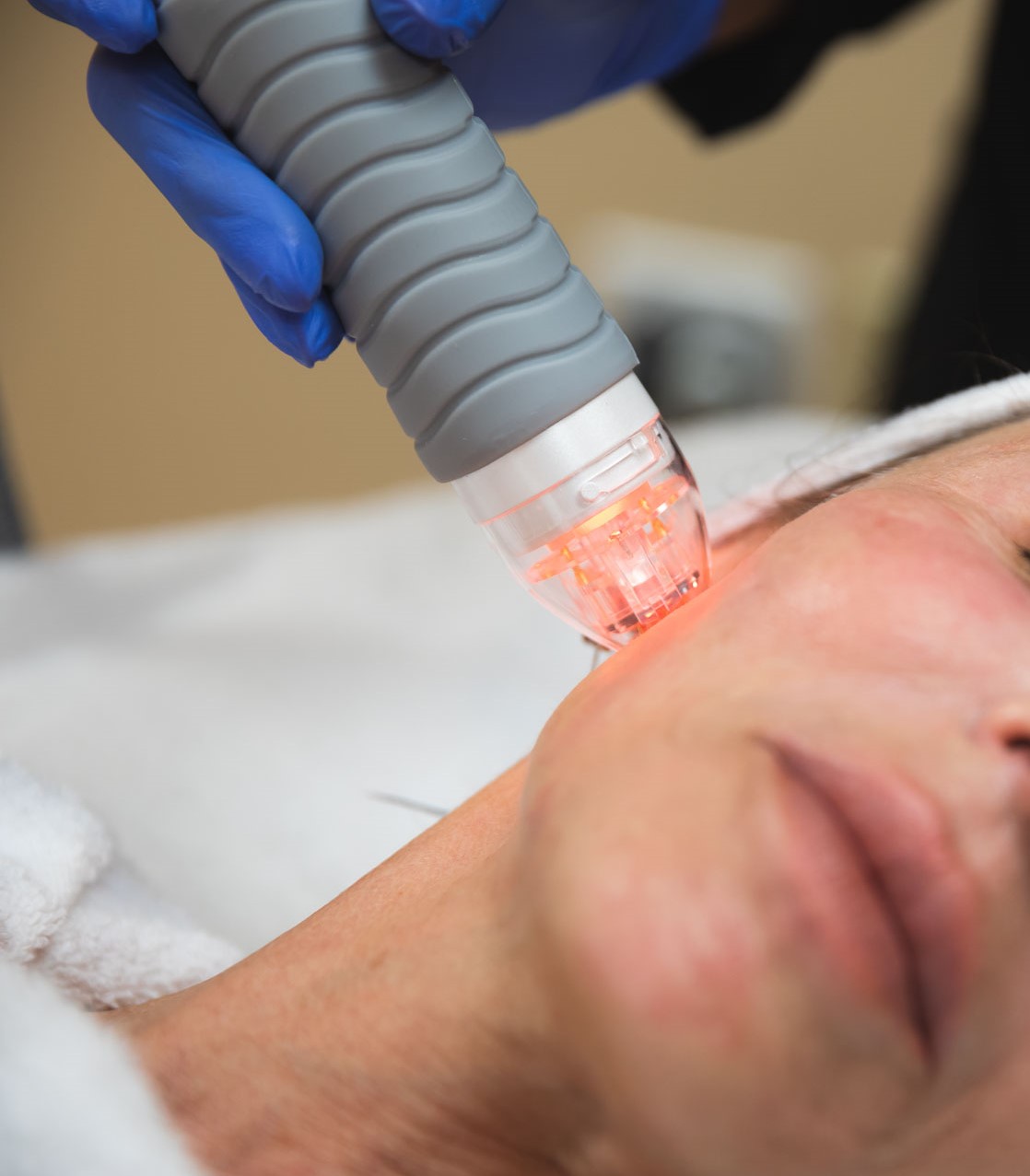
Pigment fragmentation is the laser event itself. During laser tattoo removal, short bursts of high-energy light are delivered into the skin. The tattoo pigment absorbs that energy, creating a rapid photoacoustic effect that breaks larger pigment particles into smaller fragments. These smaller particles can then be recognized, engulfed, and transported by immune cells.
This pillar is highly technical. The correct laser wavelength must be selected based on pigment colour. Black and dark blue pigments often respond well to 1064 nm Nd:YAG wavelengths, while red, orange, and some warmer pigments may require different wavelengths. Green and light blue pigments can be more resistant. Multicoloured tattoos are often more complex because each pigment may absorb light differently.
The goal is not to be aggressive. The goal is to be precise.
Overtreating the skin does not necessarily remove the tattoo faster. It may increase the risk of blistering, scarring, post-inflammatory hyperpigmentation, hypopigmentation, textural change, and prolonged inflammation. Biological Tattoo Removal respects the fact that laser energy is only one part of the equation. The skin must be able to tolerate the treatment, and the body must be able to clear the debris.
At SkinScience, pigment fragmentation is approached through advanced laser knowledge, skin-type assessment, conservative endpoint selection, and individualized treatment intervals. We do not believe in forcing the skin. We believe in working with the biology of the skin.
Pillar 2: Immune Activation
Laser tattoo removal depends on the immune system. Once pigment is fragmented, immune cells, especially macrophages, play a central role in engulfing and transporting pigment particles. In simple terms, the laser breaks the ink apart, but the immune system clears it.
This is one of the most misunderstood aspects of tattoo removal. Many people assume the tattoo disappears because the laser “burns it off.” In reality, the visible fading that happens over weeks and months is largely the result of biological clearance.
Macrophages already play a role in tattoo permanence. They surround and contain pigment particles in the skin. When laser energy disrupts those particles, macrophages and other immune cells become involved again. This is why immune function, inflammation, circulation, sleep, smoking status, metabolic health, and general wellness may all influence treatment response.
A patient with strong immune resilience may clear pigment differently than someone with chronic inflammation, poor sleep, high stress, smoking, poor circulation, or impaired healing. This does not mean tattoo removal cannot be performed, but it does mean treatment planning should be personalized.
Biological Tattoo Removal recognizes immune activation as a necessary part of the process, but not something we want to overstimulate recklessly. The goal is controlled immune engagement, not unnecessary inflammatory overload.
Pillar 3: Lymphatic Clearance
The lymphatic system is one of the most important biological pathways in tattoo removal. Once pigment fragments are engulfed by immune cells, they may be transported through lymphatic vessels toward regional lymph nodes. Scientific studies have shown that tattoo pigments and pigment-associated elements can be found in lymph nodes, which supports the idea that tattoo material can migrate beyond the original tattoo site.
This is not a reason to panic. It is a reason to be more intelligent.
The lymphatic system is a drainage, filtration, and immune surveillance network. It helps move fluid, immune cells, proteins, waste products, and foreign material through the body. Unlike the cardiovascular system, the lymphatic system does not have a central pump. It depends on muscle movement, breathing, hydration, tissue pressure, and healthy flow.
In the context of tattoo removal, lymphatic clearance is one of the reasons we recommend appropriate spacing between sessions. More is not always better. Treating too frequently may fragment more pigment before the body has had time to clear what was already released.
Supporting lymphatic clearance may include hydration, walking, movement, gentle exercise, adequate protein intake, breathwork, manual lymphatic drainage when appropriate, compression strategies in select cases, and avoiding excessive alcohol or inflammatory load around treatment. At SkinScience, we view lymphatic support as an essential part of responsible tattoo removal, especially for large tattoos, dense tattoos, multicoloured tattoos, cover-ups, and long-term removal plans.
Pillar 4: Liver Detoxification
The liver is one of the body’s major processing organs. It metabolizes hormones, drugs, alcohol, environmental chemicals, inflammatory byproducts, and endogenous waste. While tattoo pigment clearance is strongly associated with macrophage and lymphatic activity, the liver remains relevant because the body’s total detoxification capacity influences how well a person handles biological stress.
Biological Tattoo Removal does not claim that the liver “flushes out tattoos” in a simplistic way. That would be inaccurate. Instead, this pillar recognizes that laser tattoo removal creates a temporary increase in biological processing demand. Pigment fragmentation, local inflammation, oxidative stress, immune activity, and wound healing all require metabolic resources.
Supporting the liver during tattoo removal is not about extreme cleanses. In fact, aggressive detox protocols can be counterproductive. The focus should be on steady, evidence-informed support: adequate protein, amino acids, cruciferous vegetables, fibre, hydration, sleep, reduced alcohol intake, blood sugar stability, and avoidance of unnecessary toxic exposures during treatment windows.
Patients who drink heavily, sleep poorly, eat very low protein diets, or live in a state of constant inflammation may not be creating the best internal environment for tattoo clearance and skin repair. This is why SkinScience positions tattoo removal as a skin and wellness process, not a quick cosmetic transaction.
Pillar 5: Heavy Metal Defence
Heavy metal defence is one of the most important pillars in the Biological Tattoo Removal framework. Research has found that some tattoo inks and permanent makeup pigments may contain metals such as nickel, chromium, cobalt, lead, cadmium, copper, titanium, aluminum, iron, and mercury. Some metals may be intentionally used as pigment components, while others may appear as impurities or contaminants.
The concern is not only the presence of metals, but what happens when pigment particles are fragmented by laser energy. Metals cannot be destroyed by laser. They may be physically redistributed, chemically altered, or incorporated into smaller particles. The exact fate of every pigment and every metal in every person is not fully understood, which is why a precautionary, biologically respectful approach makes sense.
Heavy metal defence does not mean fear-based marketing. It means acknowledging that tattoo ink chemistry is complex and that patients deserve transparency.
At SkinScience, this pillar may include a detailed consultation about tattoo age, colour, density, location, professional versus amateur application, cover-up history, previous removal attempts, immune status, medication considerations, and overall health. We may recommend slower treatment pacing for dense or large tattoos, especially when significant pigment load is present.
From a lifestyle perspective, heavy metal defence may include supporting the body’s natural antioxidant systems, ensuring adequate minerals, maintaining healthy bowel regularity, supporting glutathione pathways through diet, and avoiding unnecessary exposures during the removal series. This is not a promise to “detox heavy metals.” It is a strategy to reduce avoidable biological stress while the body processes fragmented pigment.
Pillar 6: Oxidative Stress Control
Oxidative stress occurs when the production of reactive oxygen species exceeds the body’s antioxidant capacity. In skin, oxidative stress is involved in aging, inflammation, pigment changes, barrier disruption, collagen breakdown, and delayed healing. Laser treatments can create controlled oxidative and inflammatory events, which is part of how the skin remodels and repairs. The key word is controlled.
Tattoo removal can increase oxidative stress locally because laser energy disrupts pigment particles and creates a wound-healing response. The skin must then repair itself while immune cells process pigment debris. If oxidative stress is excessive, the risk of prolonged redness, irritation, pigmentary change, and impaired healing may increase.
This is why SkinScience integrates tattoo removal with skin longevity principles. We think about antioxidant support, mitochondrial resilience, barrier recovery, and post-treatment care. Topical antioxidants, gentle barrier-supportive skincare, sun avoidance, and proper aftercare can make a meaningful difference in how the skin responds.
Internally, oxidative stress control may include antioxidant-rich foods, vitamin C-containing foods, polyphenols, adequate sleep, stress reduction, and avoidance of smoking. Smoking is especially important because it affects circulation, immune function, oxidative stress, and wound healing. Patients who smoke may require more sessions and may heal less efficiently.
A laser can fragment pigment. A resilient body clears and repairs.
Pillar 7: Inflammation Modulation
Inflammation is not always bad. Inflammation is part of healing. After laser tattoo removal, controlled inflammation helps recruit immune cells, initiate repair, and begin pigment clearance. The problem is not inflammation itself. The problem is excessive, prolonged, or poorly regulated inflammation.
Tattoo ink may already create low-grade immune surveillance in the skin. Some people also experience delayed hypersensitivity reactions, granulomatous reactions, allergic responses, or chronic irritation related to specific pigments, especially red ink. When laser treatment is added, the immune system may be further activated.
This is why inflammation modulation matters.
At SkinScience, inflammation modulation begins with proper patient selection. We assess skin type, tattoo characteristics, medication history, immune considerations, history of keloids or hypertrophic scarring, history of pigmentary changes, sun exposure, active infection, pregnancy status, and skin conditions in the area.
After treatment, inflammation modulation includes cooling, barrier repair, infection prevention, avoiding friction, avoiding heat exposure, avoiding intense workouts for a short period when appropriate, and protecting the area from ultraviolet exposure. It also includes not picking scabs, not disrupting blisters, and not applying harsh actives to the area too soon.
Biological Tattoo Removal does not aim to eliminate inflammation. It aims to guide inflammation in the right direction so the skin can heal cleanly and the immune system can do its job efficiently.
Pillar 8: Skin Regeneration
The final pillar is skin regeneration. Tattoo removal is not successful if the ink fades but the skin is left scarred, hypopigmented, texturally damaged, or chronically inflamed. True success means fading the tattoo while preserving the quality, integrity, tone, and resilience of the skin.
This is where SkinScience’s expertise in laser therapy and skin longevity becomes especially important. We do not see the skin as a passive surface. We see it as a living organ with a barrier, immune network, microbiome, vascular system, pigment system, collagen matrix, and repair capacity.
Skin regeneration after tattoo removal depends on proper wound healing, collagen stability, melanocyte protection, barrier recovery, and inflammation resolution. Patients with darker skin types, a history of post-inflammatory hyperpigmentation, melasma, poor wound healing, or scarring tendencies require especially careful planning.
Post-treatment skincare matters. The skin may need gentle cleansing, moisture balance, barrier-supportive ingredients, sun protection, and a temporary pause on irritating actives such as retinoids, exfoliating acids, scrubs, and strong brightening products. Once the skin is fully healed, regenerative strategies may be introduced depending on the patient’s goals and skin condition.
The SkinScience approach is not simply to remove what you no longer want. It is to protect what you want to keep: healthy, resilient, beautiful skin.
Why Session Spacing Matters
One of the most common questions patients ask is, “How fast can I remove my tattoo?”
The more biologically intelligent question is, “How much time does my body need between sessions?”
Tattoo removal is a process. The visible fading often continues for weeks after each laser session because immune and lymphatic clearance take time. Treating too soon may increase skin stress without meaningfully improving results. In some cases, longer spacing may actually allow better fading and reduce unnecessary irritation.
At SkinScience, treatment intervals are customized. Factors include tattoo size, density, location, colour, skin type, healing speed, lifestyle, immune resilience, and previous response. Large tattoos, cover-ups, and multicoloured tattoos may require a more conservative plan.
Biological Tattoo Removal respects the body’s timeline.
Who Is a Good Candidate for Biological Tattoo Removal?
You may be a good candidate if you:
Have an unwanted tattoo
Want a safer, more thoughtful approach to removal
Are concerned about heavy metals or ink toxicity
Prefer a clinic that understands lasers and skin biology
Have a large, dense, old, multicoloured, or layered tattoo
Want to fade a tattoo for a cover-up
Want to protect your skin quality during the process
Are interested in skin longevity, immune support, and healthy aging
You may need additional assessment if you:
Have a history of keloids or hypertrophic scarring
Have active infection or inflammation in the treatment area
Are pregnant or breastfeeding
Have immune suppression or autoimmune disease
Have a history of poor wound healing
Have recently tanned or used self-tanner
Are taking photosensitizing medications
Have a tattoo with cosmetic pigments or permanent makeup
Have a history of allergic reactions to tattoo pigment
A consultation is essential because no two tattoos, and no two bodies, are the same.
Why Choose SkinScience for Tattoo Removal in Calgary?
SkinScience has been a leader in advanced skin therapy, laser treatments, corrective skincare, and skin longevity in Calgary for years. Our philosophy has always been rooted in customization, ingredient knowledge, safety, ethics, and long-term skin health.
We do not believe in cookie-cutter laser treatments.
Every tattoo removal plan at SkinScience is customized based on:
Tattoo colour
Tattoo density
Tattoo depth
Tattoo age
Tattoo location
Skin type
Pigment risk
Healing capacity
Lifestyle factors
Immune considerations
Skin longevity goals
Our clinic brings together advanced laser knowledge, skin biology, regenerative thinking, and a deep respect for the body’s natural clearance pathways. The 8 Pillars of Biological Tattoo Removal are an extension of our larger mission: to deliver results while protecting the long-term health and vitality of the skin.
The Future of Tattoo Removal Is Biological
The next evolution in tattoo removal is not simply stronger lasers. It is smarter treatment planning.
As research continues to reveal more about tattoo ink chemistry, pigment migration, immune response, lymphatic transport, heavy metals, and laser-pigment interactions, the industry must evolve. Patients deserve more than before-and-after photos. They deserve education, transparency, and a treatment philosophy that respects the whole body.
The 8 Pillars of Biological Tattoo Removal were created to bring that conversation forward.
Tattoo removal is not just about erasing the past. It is about helping your skin move forward safely, intelligently, and biologically.
Ready to Remove Your Tattoo the Smarter Way?
If you are considering laser tattoo removal in Calgary, we invite you to book a personalized consultation at SkinScience.
During your consultation, we will assess your tattoo, your skin, your goals, and your overall suitability for treatment. We will explain what is realistic, how many sessions may be required, what risks apply to your case, and how we can support your skin throughout the process.
Whether you want complete removal, partial fading for a cover-up, or a more biologically conscious approach to tattoo removal, SkinScience is here to guide you.
Book your Biological Tattoo Removal Consultation at SkinScience today and discover a smarter, safer, more skin-longevity-focused way to clear unwanted ink.
About the Author
Marie Bertrand is the founder of SkinScience Clinic in Calgary and Aliquote Skin, a professional skincare line created with a science-first philosophy. With more than two decades of experience in advanced skin therapy, laser treatments, corrective skincare, medical aesthetics, and skin longevity, Marie is known for her ethical, customized, and education-driven approach to skin health.
Through SkinScience, Marie has developed advanced clinical frameworks, including the 12 Pillars of Skin Longevity and the 8 Pillars of Biological Tattoo Removal, to help patients understand their skin beyond surface-level beauty. Her work focuses on combining evidence-informed skincare, laser science, inflammation control, barrier repair, regenerative strategies, and long-term skin vitality.

Marie Bertrand, founder of SkinScience in Calgary, is a skin longevity expert and microbiologist specializing in advanced skin treatments, inflammation control, and cellular aging.
Scientific References
- Schreiver I, Hesse B, Seim C, et al. Synchrotron-based ν-XRF mapping and μ-FTIR microscopy enable to look into the fate and effects of tattoo pigments in human skin. Scientific Reports. 2017;7:11395.
- Kluger N. Cutaneous and systemic complications associated with tattooing. La Presse Médicale. 2020;49(4):104049.
- Laux P, Tralau T, Tentschert J, et al. A medical-toxicological view of tattooing. The Lancet. 2016;387(10016):395–402.
- Høgsberg T, Saunte DM, Frimodt-Møller N, Serup J. Microbial status and product labelling of 58 original tattoo inks. Journal of the European Academy of Dermatology and Venereology. 2013;27(1):73–80.
- Islam PS, Chang C, Selmi C, et al. Medical complications of tattoos: a comprehensive review. Clinical Reviews in Allergy & Immunology. 2016;50(2):273–286.
- Serup J, Carlsen KH, Sepehri M. Tattoo complaints and complications: diagnosis and clinical spectrum. Current Problems in Dermatology. 2015;48:48–60.
- Petersen H, Lewe D, Hesse B, et al. Distribution of nickel, chromium, cobalt, and other elements in tattoo pigments and human tissues. Particle and Fibre Toxicology. 2021;18:46.
- Bäumler W. The fate of tattoo pigments in the skin. Current Problems in Dermatology. 2015;48:124–129.
- Piccinini P, Pakalin S, Contor L, Bianchi I, Senaldi C. Safety of tattoos and permanent make-up: final report. European Commission, Joint Research Centre. 2016.
- Hauri U. Tattoos and permanent make-up products containing prohibited colorants. Bundesgesundheitsblatt Gesundheitsforschung Gesundheitsschutz. 2014;57(6):677–687.
- FDA. Think Before You Ink: Are Tattoos Safe? U.S. Food & Drug Administration. Updated 2024.
- Health Canada. Tattoos and Permanent Makeup Safety Information. Government of Canada. Updated 2024.
- Lehner K, Santarelli F, Penning R, et al. Black tattoo inks are a source of problematic substances such as dibutyl phthalate. Contact Dermatitis. 2011;65(4):231–238.
- Vasold R, Naarmann N, Ulrich H, et al. Tattoo pigments are cleaved by laser light, releasing toxic compounds. Photochemical & Photobiological Sciences. 2004;3(9):833–837.
- Engel E, Santarelli F, Vasold R, et al. Modern tattoos cause high concentrations of hazardous pigments in skin. Contact Dermatitis. 2008;58(4):228–233.
- Serup J, Kluger N, Bäumler W. Tattooed Skin and Health. Current Problems in Dermatology. Vol. 48. Karger Publishers; 2015.
- Cui Y, Zhou X, Li S, et al. Oxidative stress and inflammatory mechanisms in laser-induced skin responses. Lasers in Medical Science. 2023;38:94.
- Kirby W, Desai A, Desai T, Kartono F, Geeta P. The Kirby-Desai scale: a proposed scale to assess tattoo-removal treatments. Journal of Clinical and Aesthetic Dermatology. 2009;2(3):32–37.
- Bernstein EF. Laser tattoo removal. Seminars in Plastic Surgery. 2007;21(3):175–192.
- Anderson RR, Parrish JA. Selective photothermolysis: precise microsurgery by selective absorption of pulsed radiation. Science. 1983;220(4596):524–527.
What's Your Reaction?
 Like
0
Like
0
 Dislike
0
Dislike
0
 Agree
0
Agree
0
 Disagree
0
Disagree
0
 Excellent
0
Excellent
0
 Useful
0
Useful
0
 Great
0
Great
0