




































































VIDEO – Tranexamic Acid for Pigmentation and Melasma | SkinScience Calgary


Tranexamic Acid in Skin Care
Pigmentation is rarely just a surface problem. Dark spots, post-inflammatory hyperpigmentation and melasma are influenced by a complex network of UV exposure, visible light, inflammation, hormones and communication between skin cells. This is why repeatedly exfoliating visible pigment does not always create lasting improvement.
Topical tranexamic acid has become an important part of modern pigmentation management because it does not work like a conventional exfoliating acid. Instead of simply accelerating the removal of surface cells, it helps influence upstream pathways involved in melanocyte activation and excess melanin production.
In this video, Marie Bertrand, microbiologist and founder of SkinScience in Calgary, explains how tranexamic acid may be used to prepare the skin before Pico Laser and why pigmentation is often managed most successfully through a combination of targeted skincare, appropriate laser technology and diligent light protection.
What You Will Learn in this Video
Tranexamic acid is not an exfoliating acid. It does not loosen the bonds between dead surface cells in the way lactic, mandelic or glycolic acid can. Instead, tranexamic acid is thought to influence the plasminogen-plasmin pathway and reduce some of the inflammatory signalling associated with melanocyte activation. This makes it particularly interesting for persistent pigmentation and melasma.
At SkinScience in Calgary, tranexamic acid may be incorporated into a broader pigmentation strategy before and between laser treatments. Preparing the skin does not mean aggressively exfoliating it. The objective is to support the barrier, control unnecessary inflammation, reduce pigment-triggering signals and strengthen daily protection from ultraviolet and visible light. Depending on the skin, tranexamic acid may be combined with vitamin C, licorice, kojic acid, brightening peptides, lactic acid or mandelic acid. A tinted zinc oxide sunscreen is also an important part of many melasma protocols because the iron oxides in tinted formulations can improve protection against visible light.
No single serum, peel or laser can control every factor involved in pigmentation. The most successful approach is usually a coordinated strategy based on the type of pigment, its depth, its triggers, the individual’s skin colour and the skin’s inflammatory history.
Why Use Tranexamic Acid Before Pico Toning?
A successful laser pigmentation treatment begins before the appointment. When the skin is already inflamed, sensitized or exposed to uncontrolled light, it may be more reactive after treatment. For selected patients, a preparatory skincare program can help improve barrier stability, reduce unnecessary irritation and address the ongoing signals contributing to excess pigment.
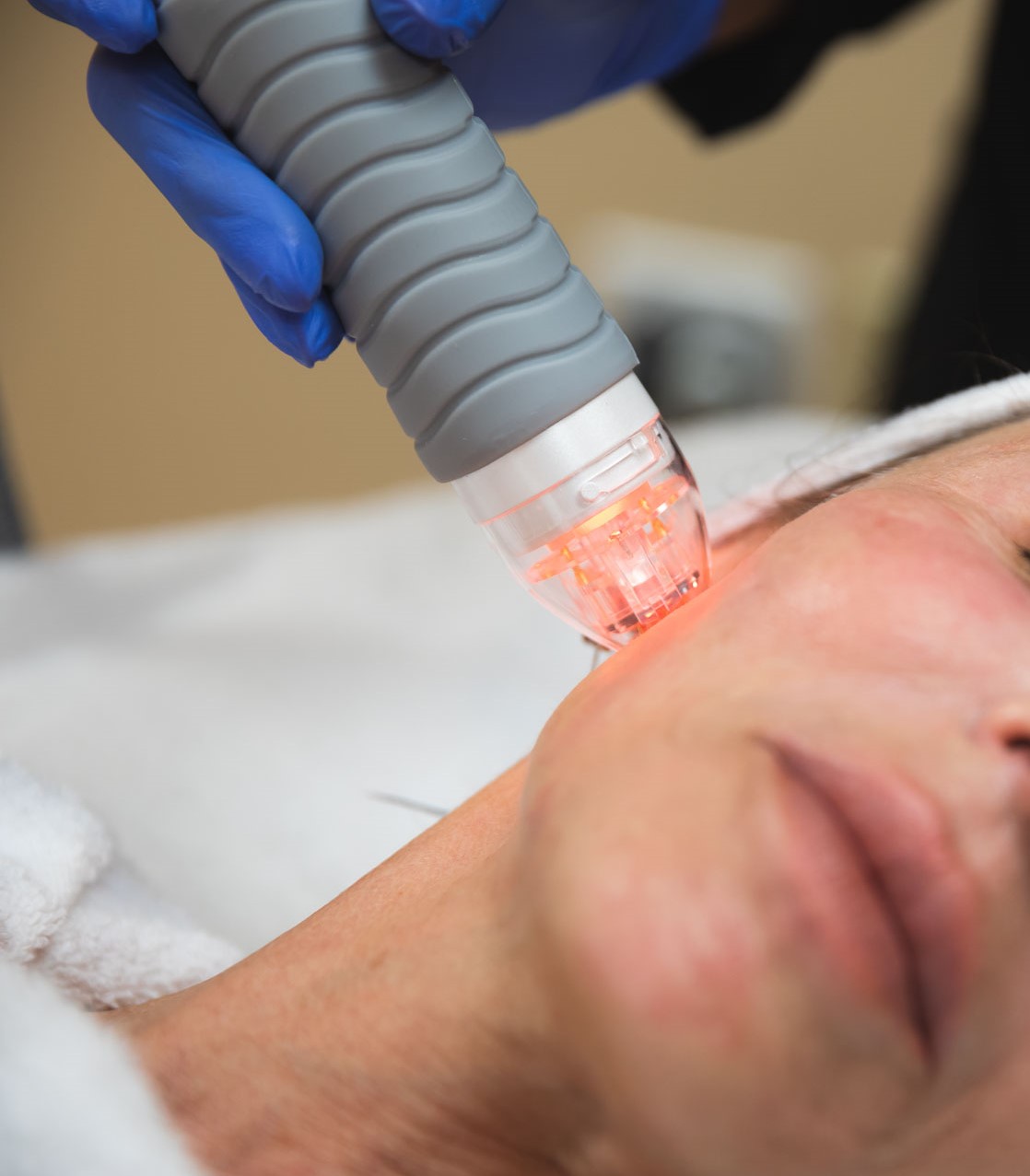
Tranexamic acid is particularly attractive during this stage because it is not inherently exfoliating. It can often be incorporated without adding another layer of aggressive cell turnover. Pico Laser uses very short laser pulses to target pigment while limiting prolonged thermal exposure. However, even advanced laser technology does not remove the biological tendency to produce pigmentation. Skin preparation, conservative treatment parameters, appropriate patient selection and diligent post-treatment protection remain essential. Research involving several laser platforms suggests that combining tranexamic acid with laser-based therapy may improve melasma outcomes compared with certain laser-only protocols. These findings are encouraging, but they do not establish one universal preparation protocol for every laser, skin type or form of pigmentation.
Ingredients We May Combine With Tranexamic Acid
Tranexamic acid rarely needs to work alone. A carefully designed pigmentation routine may include several ingredients that target different stages of pigment formation and recovery. Vitamin C provides antioxidant support and can help interfere with steps involved in melanin synthesis. Licorice-derived ingredients can provide soothing and brightening benefits. Kojic acid influences tyrosinase, an enzyme involved in melanin production. Brightening peptides may target pigment-related cellular communication through additional pathways. Lactic and mandelic acids can be included when gentle exfoliation is appropriate. They do not perform the same function as tranexamic acid. Instead, they complement it by addressing surface texture, cellular turnover and the appearance of superficial pigment. The exact combination matters. Using every active ingredient at once can create irritation, and irritation can worsen pigmentation in susceptible skin. Product selection, concentration, delivery system, frequency and sequencing should therefore be adapted to the individual.
Find out Marie’s favourite Tranexamic Acid topical skin care product here.
Why Tinted Zinc Oxide Sunscreen Matters
Daily sunscreen is not simply an optional finishing step in a pigmentation protocol. Ultraviolet radiation is a major trigger for excess pigment, but visible light can also aggravate melasma and pigmentation in susceptible individuals. A tinted mineral sunscreen containing zinc oxide and iron oxides can provide broader protection than an untinted mineral formula alone. The tint is functional, not merely cosmetic. Iron oxides help attenuate portions of visible light while also making a mineral sunscreen more wearable for many skin tones. For pigmentation-prone skin, sunscreen must also be applied in a sufficient quantity and reapplied when exposure continues. No brightening serum can compensate for inconsistent daily light protection.
Find out Marie’s Favorite Tinted Sunscreens here.
Frequently-Asked Questions about Tranexamic Acid
Does tranexamic acid exfoliate the skin?
No. Tranexamic acid is not an alpha-hydroxy acid or beta-hydroxy acid and does not exfoliate dead surface cells. It is used in pigmentation care because of its effects on pathways associated with melanocyte activation and melanin production.
Is tranexamic acid the same as lactic acid or mandelic acid?
No. Lactic and mandelic acids are exfoliating alpha-hydroxy acids. Tranexamic acid works through a different biological pathway. They may be combined in a carefully designed routine because they perform different functions.
Can tranexamic acid be used before Pico Toning?
It may be incorporated into a pre-treatment pigmentation program for suitable patients. The timing and combination of products should be determined by the treating clinic because irritated or over-exfoliated skin may need a different preparation strategy.
Is tranexamic acid used for melasma?
Topical, oral, injected and procedure-assisted forms of tranexamic acid have been studied for melasma. Topical tranexamic acid is commonly used in cosmetic pigmentation programs, while oral tranexamic acid is a prescription medical treatment that requires appropriate screening and medical supervision.
How long does topical tranexamic acid take to work?
Pigmentation changes gradually. Many clinical protocols assess results over approximately eight to twelve weeks or longer. The response depends on the cause and depth of the pigmentation, the complete skincare routine, sun exposure and treatment consistency.
Can tranexamic acid be combined with vitamin C?
Yes, these ingredients are often combined because they address pigmentation through different mechanisms. Tolerance depends on the formulation and the rest of the skincare routine.
Can tranexamic acid permanently cure melasma?
No topical ingredient or laser should be described as a permanent cure for melasma. Melasma is a chronic, recurrent condition that generally requires ongoing management, light protection and trigger control.
Is tranexamic acid appropriate for every skin colour?
Topical tranexamic acid is used across a wide range of skin tones. However, every pigmentation plan should account for the individual’s Fitzpatrick skin type, pigment depth, sensitivity, history of post-inflammatory hyperpigmentation and other clinical factors.
What SkinScience Patients Say About Our Approach

What really stands out is how the business is run — from a place of genuine care and kindness. Marie is clearly passionate about skin health and long-term results, not just quick fixes. She takes the time to educate and guide you without ever being pushy, and you can tell she always has her clients’ best interests at heart.
I’ve used several of her products and have completed a few services, and the improvement in my skin’s brightness and texture has been amazing. If you’re looking for knowledgeable advice, thoughtful care, and effective treatments, Skin Science is absolutely the place to go. Highly recommend!

REFERENCES
- Na JI, et al. Effect of tranexamic acid on melasma: a clinical trial with histological evaluation. Journal of the European Academy of Dermatology and Venereology. 2013. The study reported reductions in epidermal pigmentation and changes in melasma-associated vascular and mast-cell findings.
- Austin E, et al. Topical treatments for melasma: a systematic review of randomized controlled trials. Journal of Drugs in Dermatology. 2019. The review gave strong clinical recommendations to tranexamic acid among several topical melasma treatments.
- Feng X, et al. Efficacy and safety of tranexamic acid in the treatment of adult melasma: an updated meta-analysis of randomized controlled trials. 2021. The review evaluated efficacy and safety across multiple tranexamic acid approaches while noting the absence of a universal consensus protocol.
- Feng J, et al. Efficacy and safety of laser-assisted delivery of tranexamic acid for melasma: a systematic review and meta-analysis. 2022. The analysis found improvements in melasma scores with laser-assisted tranexamic acid delivery, with mainly mild reported adverse effects.
- Khan QA, et al. Effectiveness of laser and topical tranexamic acid combination therapy in melasma: a systematic review and meta-analysis. 2023. The authors concluded that topical tranexamic acid combined with laser therapy was an effective option for treatment-resistant melasma in the included studies.
- Li Y, et al. Efficacy and safety of 755-nm picosecond alexandrite laser combined with topical tranexamic acid for melasma. 2022. Combination-treated areas demonstrated greater improvement than laser-only areas in the reported split-face study, although further protocol optimization was recommended.
About Marie Bertrand
Marie Bertrand is a microbiologist, skin health educator and the founder of SkinScience, a medical aesthetics clinic established in Calgary in 2007. Before founding SkinScience, Marie worked as Medical Relations and Training Manager for L’Oréal’s Active Cosmetics Division. With decades of combined scientific, educational and clinical-industry experience, Marie is known for translating complex skin biology into practical, individualized strategies. Her approach to pigmentation considers more than the visible dark spot. It examines inflammation, skin-barrier function, light exposure, melanin signalling, treatment selection and long-term prevention. At SkinScience, Marie and her team use advanced skin analysis, professional skincare and technologies including Pico Toning, Laser Genesis, Green Genesis, IPL and resurfacing treatments to develop personalized programs for pigmentation, acne and skin aging. Marie is also the founder of Aliquote Skin and the creator of the 12 Pillars of Skin Longevity framework. She shares educational skin science through the SkinScience blog, Instagram at @theskinscientist, professional training and her podcast, Secrets from the Treatment Room.
Content reviewed and updated: July 2026
This article is intended for general education and does not replace individualized medical advice, diagnosis or treatment.The post VIDEO – Tranexamic Acid for Pigmentation and Melasma | SkinScience Calgary appeared first on SkinScience.
What's Your Reaction?
 Like
0
Like
0
 Dislike
0
Dislike
0
 Agree
0
Agree
0
 Disagree
0
Disagree
0
 Excellent
0
Excellent
0
 Useful
0
Useful
0
 Great
0
Great
0