


































































The Expert Guide to Treatment for Skin Care (2026)


Step into the next era of beauty, where the most advanced treatment for skin care is guided by science and innovation. In 2026, new technologies and personalized solutions are transforming routines, making healthy, radiant skin more accessible than ever. This expert guide will reveal how understanding your skin, embracing breakthrough advancements, and choosing the right treatment for skin care can deliver real, visible results. Discover the latest insights, actionable steps, and future-forward trends that will empower you to achieve your best skin.
Understanding Your Skin: The Foundation of Effective Treatment
Unlocking the secrets to healthy, radiant skin begins with understanding its unique structure and needs. The journey to an effective treatment for skin care starts beneath the surface, where science meets daily habits and advanced technology.
The Science of Skin
Your skin is the body’s largest organ, serving as a protective barrier, temperature regulator, and sensory interface. Composed of the epidermis, dermis, and subcutaneous layer, each part plays a crucial role in maintaining hydration and defense against environmental stressors. Recognizing these functions is the first step toward selecting the right treatment for skin care, as every layer responds differently to products and procedures.
Identifying Skin Types and Unique Needs
Understanding your specific skin type is vital. The five primary categories—oily, dry, combination, sensitive, and normal—all require tailored approaches. For example, oily skin may benefit from oil-controlling ingredients, while dry skin thrives with hydrating formulas. A personalized treatment for skin care ensures that products and interventions address your skin’s distinct requirements, avoiding irritation or imbalance.
Common Skin Conditions and Influencing Factors
Acne, hyperpigmentation, aging, rosacea, and eczema are among the most prevalent skin concerns. Genetics play a significant role in determining your risk, but lifestyle and environmental exposures, such as diet, stress, pollution, and sun damage, also influence skin health. Choosing a targeted treatment for skin care means considering these factors, so interventions can address both root causes and symptoms.
Diagnostic Tools in 2026: AI, Digital Imaging, and At-Home Kits
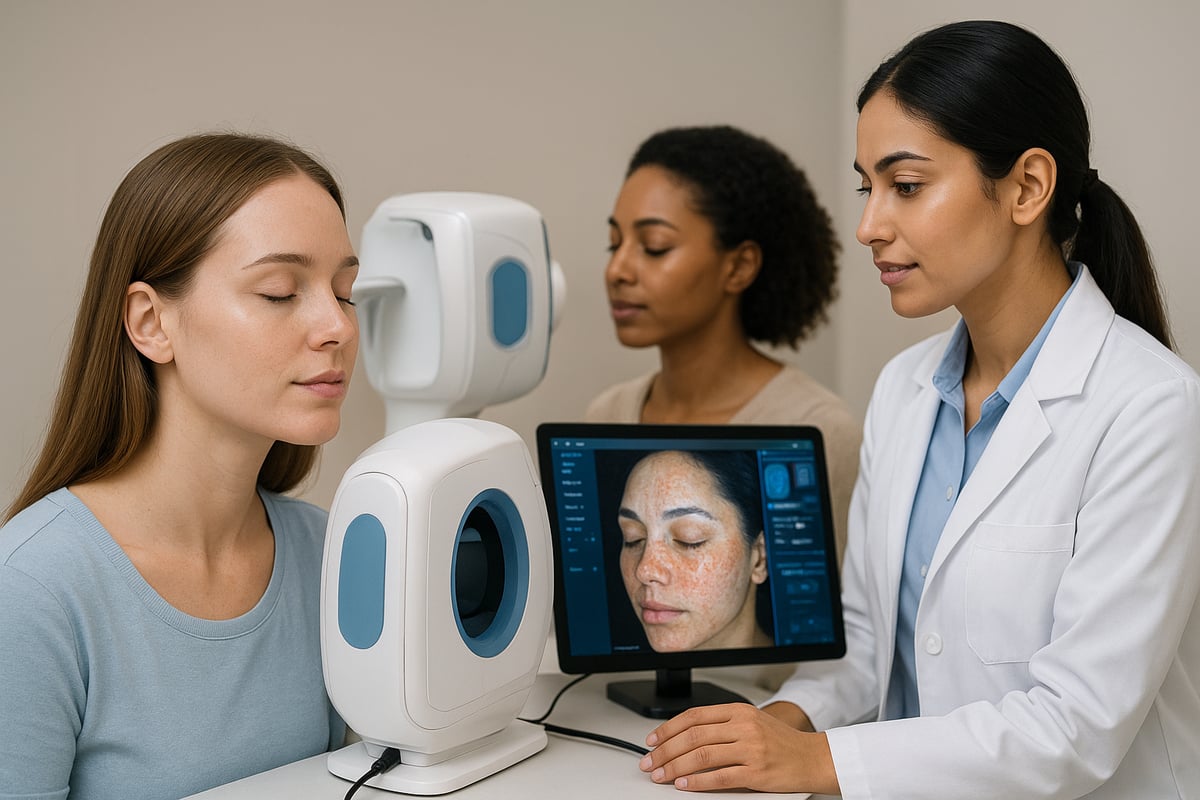
The future of diagnosis is here. AI-powered skin analysis, digital imaging, and user-friendly at-home testing kits are transforming how we assess the skin’s condition. Tools like VISIA skin analysis explained provide in-depth insights into underlying concerns, such as pigmentation, pore size, and texture, allowing for data-driven recommendations. With these technologies, individuals can receive a more precise treatment for skin care, tailored to their evolving needs.
The Importance of Professional Assessment: Case Study and Key Data
While self-assessment is valuable, professional skin evaluations remain the gold standard. Consider a case study: two individuals with similar symptoms pursued different paths—one relied on online advice, while the other underwent AI-guided professional analysis. The latter saw clearer results, fewer side effects, and improved confidence. Recent studies reveal that a personalized treatment for skin care, developed through expert assessment, can boost efficacy by up to 60%. This highlights the power of combining advanced diagnostics with professional guidance for optimal outcomes.
Breakthrough Skin Care Treatments in 2026
The world of treatment for skin care is evolving rapidly, with 2026 marking a turning point in both technology and personalization. Today’s breakthroughs offer more than just cosmetic improvements—they’re reshaping how we approach skin health and long-term results. Let’s explore the latest innovations, prescription solutions, holistic approaches, and the crucial role of professional guidance in achieving radiant, healthy skin.
Latest Innovations in Skin Care Technology
The landscape of treatment for skin care is being transformed by new technologies. In 2026, procedures like fractional laser therapy, radiofrequency microneedling, and next-generation chemical peels are setting new standards for efficacy and safety. These methods deliver targeted results with minimal downtime, making them popular among individuals seeking visible improvements without invasive surgery.
Today’s market also offers a range of smart devices and AI-guided treatments, both in clinics and for home use. These innovations analyze your skin’s unique profile, adjusting parameters for optimal outcomes. For example, AI-driven laser therapy can adapt energy output in real time, resulting in more precise and consistent results compared to traditional methods.
|
Technology |
Traditional Approach |
AI-Driven Advancement |
|---|---|---|
|
Laser Therapy |
Manual settings |
Real-time adjustment |
|
Microneedling |
Uniform depth |
Personalized depth |
|
Chemical Peels |
Standard formula |
Customized blends |
Industry data shows that demand for tech-enhanced treatment for skin care is surging, with the global market projected to reach $20 billion by 2026. For a deeper dive into these groundbreaking advancements, explore Advanced skin care innovations.
Topical Treatments and Prescription Solutions
Prescription solutions are advancing rapidly, offering targeted treatment for skin care that addresses diverse concerns from acne to aging. Dermatologists are now prescribing next-generation retinoids, potent peptides, and growth factors that work synergistically to stimulate collagen, repair the skin barrier, and fade hyperpigmentation.
Customized compounding has become a cornerstone of modern regimens. By analyzing your skin’s unique biology, professionals can tailor active ingredients in precise concentrations. This approach maximizes benefits while minimizing irritation, making treatment for skin care safer and more effective.
Biomimetic ingredients are also gaining traction. These lab-created molecules mimic natural skin processes, supporting barrier repair and hydration. Clinical studies highlight that patients using new-generation retinoids experience smoother texture and reduced fine lines within weeks. Notably, 78% of dermatologists now recommend personalized topical regimens as the gold standard in treatment for skin care.
Natural and Holistic Approaches
In 2026, consumers are demanding more than just clinical results—they want treatment for skin care that is both effective and natural. Evidence-based botanicals, such as green tea polyphenols and centella asiatica, are now standard in high-performance formulas. Adaptogens, like ashwagandha and reishi, have also been clinically validated for their ability to soothe inflammation and strengthen the skin’s resilience.
Integrative therapies are on the rise. Many regimens combine nutrition, supplements, and topical care to address skin concerns from the inside out. Traditional remedies, once dismissed, are making a comeback due to new clinical research supporting their efficacy.
A recent clinical trial demonstrated that adaptogen-infused serums reduced redness and improved overall skin tone in 80% of participants. This trend is reflected in consumer behavior—65% now seek natural ingredients that are backed by science. As holistic approaches become mainstream, treatment for skin care is more comprehensive and personalized than ever.
Professional Skin Care Clinics: The Role of Expert Guidance
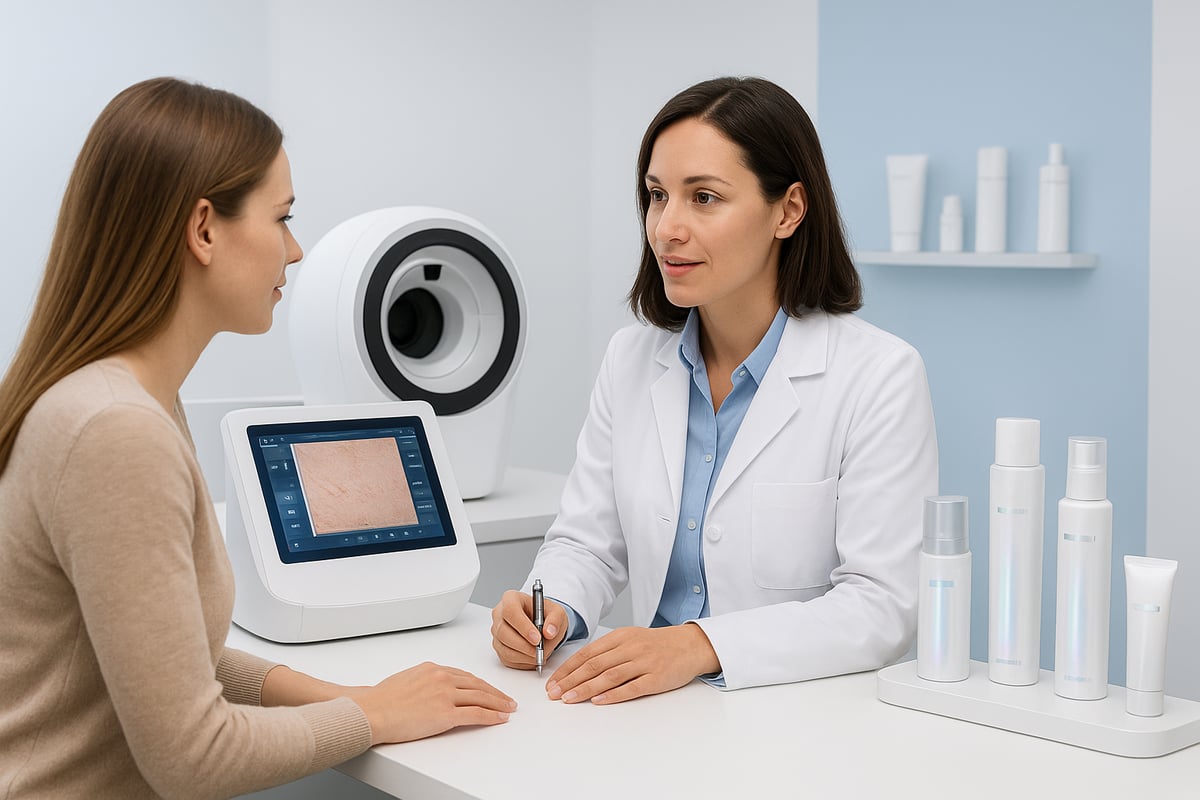
While at-home innovations are impressive, the expertise of certified professionals remains essential in treatment for skin care, especially for complex or stubborn concerns. Professional clinics now integrate advanced technology—such as AI-powered analysis and precision devices—with personalized care plans.
Patients typically begin their journey with a thorough assessment, followed by a stepwise approach to treatment for skin care. This may involve a combination of modalities, from cutting-edge procedures to tailored topical regimens. Under professional supervision, outcomes are optimized, risks are minimized, and the path to healthier skin is clearer.
A case study from a leading clinic illustrates this process: after a detailed evaluation, the patient received a customized plan combining fractional laser sessions and bespoke serums. Within months, the patient reported significant improvements in tone, texture, and overall skin health.
Step-by-Step Guide: Choosing the Right Treatment for Your Skin
Selecting the best treatment for skin care can feel overwhelming with so many options available. A structured, step-by-step approach helps you make informed decisions tailored to your unique skin needs. Follow this expert-approved guide to achieve optimal results and maintain long-term skin health.
Step 1: Assess Your Skin’s Needs
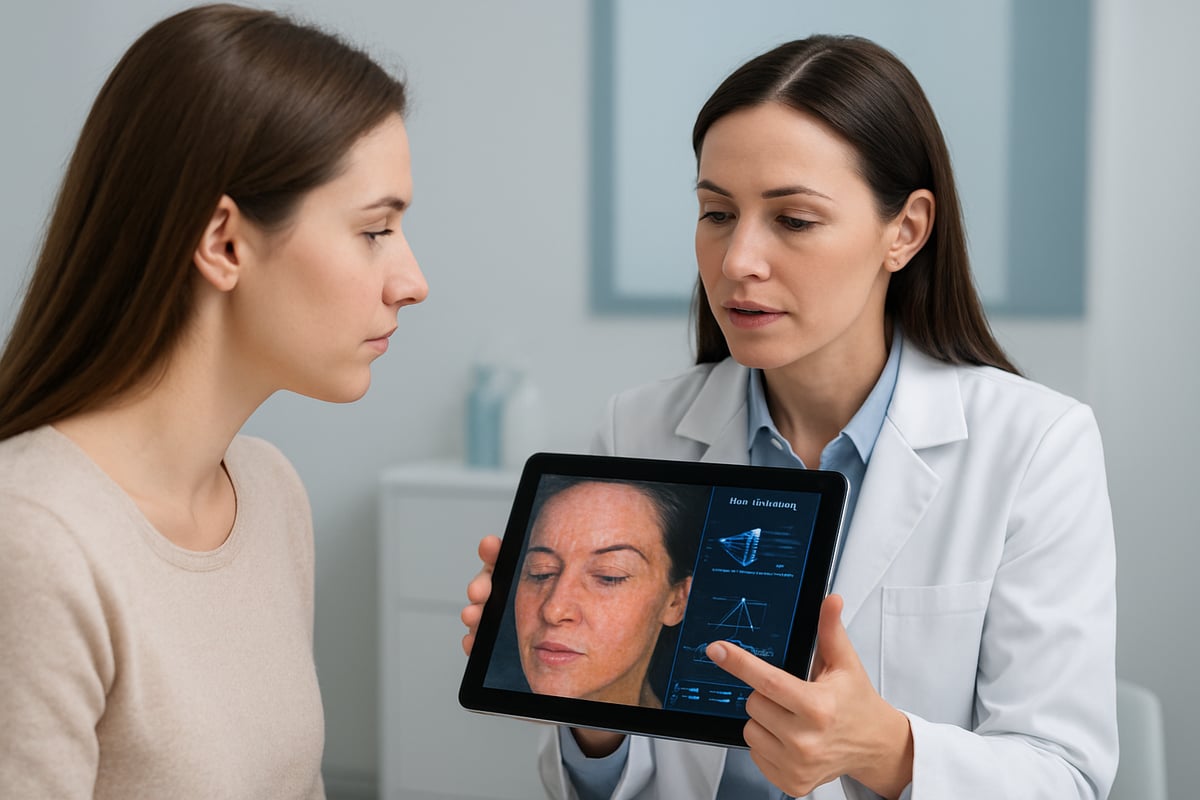
Begin your journey by understanding what your skin truly requires. While self-assessment is helpful, it may not capture the full picture. Reflect on visible issues, such as dryness, oiliness, or sensitivity. Use online quizzes and digital tools that analyze photos of your skin to identify concerns.
However, a professional evaluation offers deeper insights. Experts use advanced imaging and diagnostic devices to detect underlying issues that might not be visible to the naked eye. This thorough assessment forms the foundation for selecting a treatment for skin care that delivers real results.
Step 2: Research Treatment Options
Once you know your skin’s needs, explore available solutions. Compare in-clinic procedures, such as laser therapy or microneedling, with at-home devices and topical products. Consider factors like efficacy, recovery time, and financial investment.
A simple table can help clarify your choices:
|
Option |
Efficacy |
Downtime |
Cost |
|---|---|---|---|
|
In-clinic |
High |
Varies |
Higher |
|
At-home |
Moderate |
Minimal |
Lower |
Gather information from reputable sources to understand which treatment for skin care aligns with your lifestyle and goals.
Step 3: Consult with a Skin Care Professional
Expert guidance is invaluable when choosing the right treatment for skin care. Schedule a consultation with a certified dermatologist or skin care specialist. They can interpret diagnostic results, review your history, and recommend evidence-based options.
Prepare questions to maximize your visit:
-
What treatments address my primary concerns?
-
Are there risks or side effects?
-
How many sessions are needed for results?
-
What maintenance is required?
Professional advice ensures your plan is both safe and effective.
Step 4: Create a Personalized Treatment Plan
Personalization is the key to successful outcomes. Your provider may suggest combining multiple therapies, such as topical actives with clinic-based procedures, for synergy. Tailored regimens can address multiple concerns at once, boosting efficiency.
Set realistic expectations regarding timelines and results. Individual factors, like genetics and lifestyle, play a role in how your skin responds. For a deeper dive into how experts design individualized plans, explore this customized skin treatments overview.
Personalized care enhances the effectiveness of any treatment for skin care.
Step 5: Monitor Progress and Adjust as Needed
Track your skin’s response closely after starting a new regimen. Use digital tools or mobile apps to document changes, such as improvements in texture or tone. Schedule periodic check-ins with your provider to assess progress.
If you notice irritation or lack of improvement, your plan may need adjustment. Timely modifications help you avoid setbacks and ensure you are getting the most from your treatment for skin care.
Step 6: Maintain Results with Ongoing Care
Achieving your goals is just the beginning—maintenance is essential for lasting benefits. Continue with daily routines, such as cleansing, moisturizing, and sun protection. Schedule periodic professional treatments to sustain results.
Lifestyle habits also matter. Eat a balanced diet, prioritize sleep, and manage stress to support skin health from within. Consistency is the secret to maximizing your treatment for skin care and enjoying a radiant complexion year-round.
Safety, Risks, and Ethical Considerations in Skin Care Treatments
Choosing the right treatment for skin care in 2026 means navigating a landscape filled with promise and potential risks. As treatments become more advanced, understanding safety, regulatory standards, and ethical practices is crucial for protecting your skin and overall health.
Navigating Side Effects and Minimizing Risks
Every treatment for skin care, from topical creams to advanced laser procedures, carries the potential for side effects. Common reactions include redness, irritation, swelling, and in rare cases, infection or scarring. To minimize these risks, always follow pre- and post-care instructions provided by your practitioner.
Modern clinics leverage advanced diagnostic tools to reduce complications. This technology ensures that each treatment for skin care is tailored to your individual needs, reducing the likelihood of unwanted outcomes.
Regulatory Standards and Practitioner Credentials
Safety starts with choosing FDA or Health Canada-approved treatments and certified professionals. Unapproved products and unlicensed practitioners significantly raise the risk of complications. According to a 2025 survey, 40 percent of adverse events were linked to unlicensed providers.
|
Treatment for Skin Care |
Regulatory Approval |
Practitioner Credential |
|---|---|---|
|
Laser Resurfacing |
FDA Approved |
Board-Certified MD |
|
Chemical Peels |
Health Canada |
Licensed Esthetician |
|
At-home Devices |
Varies |
Consumer Use |
Before beginning any treatment for skin care, verify that both the procedure and the provider meet current safety standards.
Managing Allergies, Sensitivities, and Adverse Events
Allergic reactions and sensitivities are real concerns in any treatment for skin care. Always disclose your medical history and allergies during consultations. If you experience itching, hives, or swelling, seek medical advice immediately.
Professional clinics have protocols to handle emergencies and monitor patient responses. They may use patch testing or gradual introduction of new products to minimize reactions. Patient education and clear communication are vital to ensuring a safe experience.
Ethical Marketing, Claims, and Informed Consent
Ethical considerations are central to safe and effective treatment for skin care. Watch for overhyped claims and treatments lacking scientific backing. Regulatory agencies have taken action against unsafe skin care devices that promise unrealistic results or bypass approval processes.
Ethical clinics provide transparent information, realistic expectations, and full disclosure of risks. Informed consent means you understand the procedure, alternatives, and possible outcomes before proceeding. This empowers you to make the best choices for your skin.
Protecting Diverse Populations and Looking Ahead
Skincare safety must include special attention to diverse skin tones and types. Some treatments for skin care, like certain lasers or peels, require adjustments to protect skin of color from hyperpigmentation or scarring. Seek providers experienced in treating a wide range of skin types.
As technology and personalized medicine evolve, ongoing education and ethical standards will remain essential. By staying informed and choosing qualified professionals, you can enjoy the benefits of innovation while minimizing risks in every treatment for skin care.
The Future of Skin Care: Trends and Predictions for 2026 and Beyond
The landscape of treatment for skin care is rapidly evolving as we approach 2026. Personalized medicine, powered by genomics and AI-driven diagnostics, is transforming how individuals approach their unique skin needs. Advanced algorithms now analyze genetic markers and skin metrics to design regimens tailored to each person. Innovations in AI-driven skin analysis are making it possible to identify subtle changes in skin health and predict the most effective interventions, setting a new standard for precision in treatment for skin care.
Wearable technology is also revolutionizing treatment for skin care by enabling real-time monitoring of hydration, UV exposure, and skin barrier status. Devices seamlessly sync with mobile apps, offering immediate feedback and personalized recommendations. The global market for these smart diagnostic tools is projected to soar, with AI skin analysis market growth projections indicating robust investment and adoption rates. This shift empowers consumers to take proactive steps, catching concerns early and optimizing their regimens.
Sustainability is no longer optional in the treatment for skin care sector. Brands are adopting eco-friendly packaging, cruelty-free testing, and biodegradable ingredients to meet growing consumer expectations. Transparency matters more than ever; ingredient traceability and ethical sourcing are now key purchase drivers. Studies show that 85% of consumers are willing to pay a premium for sustainable, personalized solutions. This trend is pushing companies to innovate not only for efficacy but also for environmental responsibility.
Looking ahead, the next wave of treatment for skin care will be defined by breakthrough ingredients, smart devices, and greater patient empowerment. Here is a forecast of top trends for 2027:
|
Trend |
Description |
|---|---|
|
Genomic skin profiling |
Tailored actives based on DNA |
|
AI skin health wearables |
Continuous monitoring and alerts |
|
Upcycled botanicals |
Sustainable, potent natural extracts |
|
Virtual skin coaches |
Real-time, personalized guidance |
As technology, sustainability, and personalization converge, individuals will have greater control than ever over their treatment for skin care outcomes.
As you’ve discovered, achieving truly healthy, radiant skin in 2026 means blending the latest scientific advancements with a personalized approach. From AI-powered diagnostics to customized treatment plans, it’s clear that expert guidance makes all the difference. If you’re ready to take the next step and experience what tailored, science-based care can do for your skin, I invite you to Book Your Personalized Skin Consultation Powered by Science, Proven by Results.
Let’s work together to unlock your best complexion with solutions designed just for you.The post The Expert Guide to Treatment for Skin Care (2026) appeared first on SkinScience.
What's Your Reaction?
 Like
0
Like
0
 Dislike
0
Dislike
0
 Agree
0
Agree
0
 Disagree
0
Disagree
0
 Excellent
0
Excellent
0
 Useful
0
Useful
0
 Great
0
Great
0