



























.png?format=1500w#)














How to Heal a Bruise


Bruises are a common but often frustrating result of injury or cosmetic procedures such as Botox and fillers. In our 60s and older, we may get recurrent purple spots and bruises on our arms called senile purpura or solar purpura. Understanding the science behind these color changes and the most effective treatments can help you speed up healing of bruises. There are creams, supplements and lasers that can heal bruises faster.
In this article, I am going to share with you the information I give my patients about how to treat bruises and senile purpura. I will also discuss what you should do before a cosmetic procedure to decrease the risk of bruising.
[[ctaquiz]]
Table of contents
Use Arnica to prevent and treat bruises
Use bromelain to treat a bruise but not to prevent them
Alastin INhance Post Procedure Serum fades bruises the fastest

How To Heal a Bruise Quickly
The best time to treat a bruise is immediately after the injury, before too much blood leaks into the surrounding skin. Applying cold helps constrict blood vessels and may reduce bleeding, swelling, and the size of the bruise. I recommend cooling the area intermittently for the first 30 minutes, rather than applying ice continuously, because prolonged exposure to extreme cold can damage your skin.
Here's one of my favorite tricks: Instead of using ice, I put a wet washcloth in the freezer for about five minutes. When you first take it out, it will be stiff, but within a minute or so, it softens and becomes pliable. This makes it perfect for wrapping around curved areas such as the lips, around the eyes, or other areas where an ice pack doesn't fit comfortably. The washcloth is generally less intensely cold than ice, although you should still check its temperature and avoid leaving it against the skin long enough to cause cold injury. Keep a second wet washcloth in the freezer so you can switch them as needed.
After the initial cooling period, gently apply ALASTIN INhance Post-Injection Serum to intact skin. This serum was developed to help bruises fade faster after cosmetic injections and contains ingredients designed to support the skin's natural bruise-clearing process. I recommend keeping some on hand because you never know when you might get a bruise, and early treatment gives you the best opportunity to minimize its appearance.
What is a Bruise?
A bruise forms when blood vessels are damaged by trauma, allowing blood to seep into the surrounding tissues. Blood contains hemoglobin and iron that is visible under the skin. It can take awhile for the body to reabsorb the hemoglobin and it's byproducts.
Patients ages 60+ with a history of a lot of sun exposure or prednisone use often complain of bruises on the arms. These are known as senile purpura, actinic purpura, or solar purpura.
These are other names for bruises:
Black-and-blue mark
Contusion
Ecchymosis
Purpura
Senile purpura
Solar purpura
Actinic purpura
Bateman's purpura
Traumatic purpura
Petechiae
Hematoma
Hickey
Love bite
Sucker bite
Shiner
Black eye
Blood spot
Purple spot
Purple blotch
Blood under the skin
Post-injection bruising
Postoperative bruising
All of these are the same thing- extravasated blood in the skin.
Bruise Colors
The color of a bruise changes as your body breaks down and reabsorbs the blood. Initially, a bruise appears red because of the fresh, oxygen-rich blood under the skin. Over time, it turns purple or blue due to the deoxygenation of the blood.
As the blood cells break down, they release hemoglobin, which is further degraded into pigments such as hemosiderin , biliverdin , and bilirubin. Hemosiderin is responsible for the purple color, while biliverdin gives a green hue, and bilirubin leads to a yellow coloration as the bruise heals. Each of these colors indicates a different stage of healing.
Preventing Bruising vs Treating Bruises
Different bruise treatment creams should be used whether you are trying to prevent bruises or treat bruises. For example, arnica is used to prevent bruises and is used in the early stages when the bruise is purple. Vitamin K may be more effective as a preventative treatment. Bromelain is more effective at clearing bruises and may actually increase the risk of bruising if used before a procedure or injury.
The Best Products to Heal Bruises Faster: What Works?
There are many bruise creams available on the market, but some stand out for their effectiveness. One such product is Alastin's Inhance Post Injection Serum , which is designed specifically to speed up the healing of bruises. Inhance works by stimulating macrophages, the "little Pac-Men" of the immune system, to consume and remove the extravasated red blood cells (RBCs) from the bruise. This removes the purple hemosiderin and the green biliverdin pigments faster. I find that this bruise treatment cream is the most effective that I have tried in my patients.
Another recommended product is Dermend Moisturizing Bruise Formula , which contains both vitamin K and arnica . Vitamin K helps to strengthen the capillaries and reduce the severity of bruising, while arnica is known for its anti-inflammatory properties, reducing swelling and further aiding in the healing process. I like to use this cream to treat senile purpura.
In my experience treating patients, I find that this cream works best to speed the healing of bruises.
In the last 10 minutes of this interview with Dr. Widgerow, the fonder of Alastin skin care, he discusses the interesting technology in Alastin Inhance Bruise Treatment Cream
Stages of Bruising
Bruises change color as your body breaks down leaked blood and clears it from the skin. Here's what is happening at each stage and which products may help.
1. Right After an Injury: Stop the Bruise Before It Forms
When: The first few minutes
Damaged blood vessels constrict, while platelets and fibrin form a clot to stop bleeding. The goal is to minimize the amount of blood escaping into the skin.
What to do: Immediately apply gentle pressure and a cold compress. My favorite trick is to freeze a wet washcloth for five minutes, then use it to cool the injured area in short intervals. Avoid prolonged contact with frozen fabric.
Product to consider: Silagen Arnica-Bromelain Complex Capsules are intended for use around cosmetic procedures to lessen bruising. Cold and pressure are the priorities at this stage.
2. Red or Purple Bruises: Help Clear Trapped Blood
When: The first few days
Red blood cells that escape from injured vessels contain hemoglobin, giving fresh bruises their red, blue, or purple appearance. Macrophages begin engulfing these cells to clear the blood.
What to use: ALASTIN INhance Post-Injection Serum contains lactoferrin, an iron-binding protein included in a formulation designed to support bruise clearance. Clinical studies suggest the complete serum can help post-injection bruises fade faster.
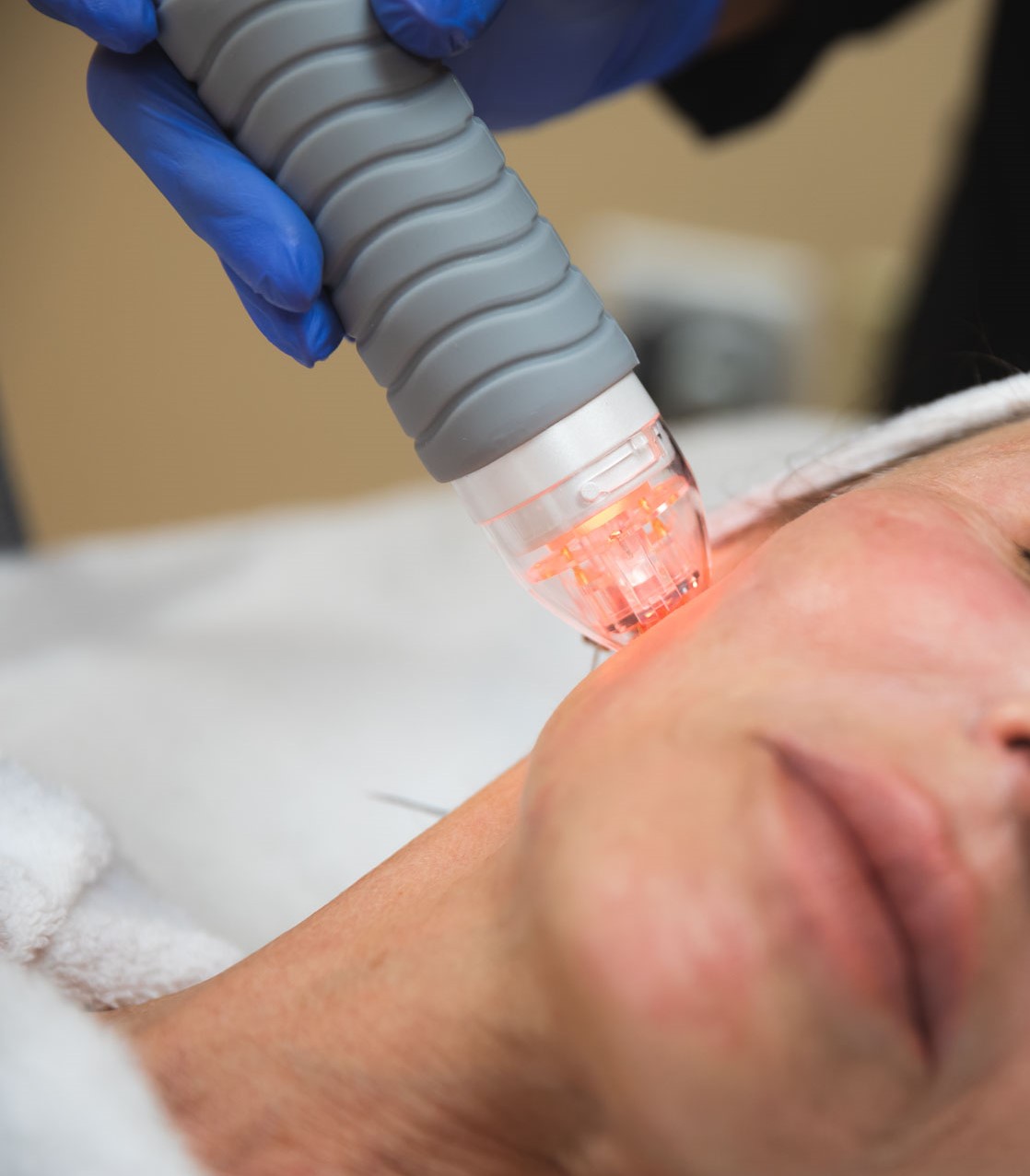
A dermatologist may also consider a 595-nm pulsed dye laser for selected bruises 24 hours after bleeding has stopped.
3. Green Bruises: Support the Breakdown of Blood Pigments
When: Usually several days after injury
As hemoglobin breaks down, it forms biliverdin, the green pigment responsible for this stage of bruising.
What to use: Silagen Arnica Topical Recovery Gel contains 20% arnica and vitamin K. Clinical studies suggest that topical arnica may help some bruises fade faster, although there is no proof that it specifically accelerates biliverdin removal. Apply only to intact skin.
4. Yellow Bruises: Help the Skin Finish Healing
When: Several days to two weeks
Green biliverdin is converted into yellow bilirubin, which gradually disappears as the body clears the remaining blood pigments.
What to use: DerMend Moisturizing Bruise Formula Cream contains vitamin K, arnica, retinol, and ceramides. These ingredients may support skin recovery and hydration, although no cream has been proven to specifically speed bilirubin clearance.
5. Lingering Brown Marks: Protect Skin While Iron Deposits Fade
When: Weeks to months
Sometimes iron from broken-down red blood cells remains in the skin as hemosiderin, leaving a brown stain that can persist for weeks or months. This brown pigment is usually hemosiderin, not melanin, so traditional skin lightening creams containing tyrosinase inhibitors, such as hydroquinone, kojic acid, and arbutin, will not remove it. However, an injury can also trigger postinflammatory hyperpigmentation (PIH), which is caused by excess melanin production and is more common in skin of color. Skin lightening products may help fade this type of discoloration, but not hemosiderin deposits.
What to use: EltaMD UV Restore Tinted SPF 40 protects against additional UV damage and provides cosmetic coverage. Tinted sunscreens containing iron oxides also help protect against visible light that can worsen melanin-related hyperpigmentation. Sunscreen will not remove hemosiderin, but it can help prevent additional pigmentation while the skin heals.
Products to Prevent Bruises
Skin care products to prevent bruises should have ingredients like arnica and Vitamin K. These should be used at least twice a day. Arnica can be used orally as a supplement or topically Vitamin K should only be used topically. It is a fat soluble vitamin and can be toxic if taken orally at too high of a dose.


Ingredients to Prevent and Treat Bruises
Several ingredients have been shown to help treat bruises, either by reducing inflammation, promoting blood clotting, or enhancing the body's ability to break down and remove the components of the leaked blood, such as hemosiderin. Here’s a closer look at how each ingredient works:
Arnica
Arnica is a herb derived from the Arnica montana plant and is commonly used in topical treatments for bruises. The active compounds in arnica, primarily sesquiterpene lactones, have potent anti-inflammatory and analgesic properties. These compounds inhibit the production of pro-inflammatory cytokines and enzymes, reducing inflammation and swelling in the bruised area. Arnica is also thought to improve blood circulation, which helps to speed up the reabsorption of the blood that has leaked into the tissues, thereby reducing the discoloration and size of the bruise more quickly.
Arnica can be used before or after procedures to help decrease swelling and bruising.
Bromelain
Bromelain is a mixture of proteolytic enzymes found in the stem and fruit of pineapples. These enzymes have anti-inflammatory, antithrombotic, and fibrinolytic properties. Bromelain works by breaking down fibrin, a protein involved in blood clotting, which helps to reduce the severity of a bruise. Additionally, bromelain can reduce inflammation and swelling by inhibiting the production of pro-inflammatory prostaglandins and reducing the aggregation of blood platelets. This makes bromelain particularly useful in the treatment of bruises following surgery or trauma, where inflammation and clotting need to be carefully managed. It’s important to note that bromelain is most effective when used after a procedure, not before, as taking it beforehand may increase the risk of bruising. Also, the stem or center part of the pineapple, which contains the highest concentration of bromelain, is often discarded. If you are eating pineapple for its bromelain content, make sure to consume the center part to maximize its benefits.
Comfrey
Comfrey, derived from the plant Symphytum officinale, has been used for centuries to treat wounds, bruises, and other skin ailments. The active components in comfrey include allantoin and rosmarinic acid. Allantoin promotes cell proliferation and the regeneration of skin tissue, which is essential for repairing damaged blood vessels and surrounding tissues. Rosmarinic acid has anti-inflammatory properties, reducing swelling and pain associated with bruises. By accelerating wound healing and reducing inflammation, comfrey can help bruises heal faster and with less discomfort.

Glycolic Acid
Glycolic acid is an alpha-hydroxy acid (AHA) that is commonly used in skincare for its exfoliating properties. While it is primarily known for its ability to remove dead skin cells and promote skin renewal, glycolic acid can also be beneficial in treating bruises. By speeding up cell turnover, glycolic acid helps to replace pigmented cells affected by hemosiderin with new, healthy skin cells. This process can help to fade the residual pigmentation associated with bruises more quickly, especially in the later stages of healing when the bruise has turned yellow or brown.
Hexapeptide-11
Hexapeptide-11 is a synthetic peptide used in anti-aging and skin-repair formulations. It is included in products designed to support tissue remodeling and improve the appearance of damaged or aging skin. Following an injury, the skin must repair its extracellular matrix while immune cells remove leaked blood and damaged tissue. Hexapeptide-11 may support aspects of skin remodeling.
Lactoferrin
Lactoferrin is a naturally occurring protein that binds iron and helps regulate inflammation and immune cell activity. When red blood cells leak into the skin after an injury, they eventually break down and release hemoglobin and iron. Lactoferrin may help control oxidative damage from this released iron and support the immune system's cleanup process. It is an important ingredient in ALASTIN INhance Post-Injection Serum, which has been clinically studied for reducing post-injection bruising. However, the specific contribution of lactoferrin to bruise clearance has not been established independently.
Ledum
Ledum palustre, also known as Labrador tea, is a botanical extract traditionally used for bruising, swelling, and inflammation. It contains plant compounds with potential antioxidant and anti-inflammatory activity. These properties may help soothe irritated skin following an injury. Ledum is included in some post-procedure products, including ALASTIN INhance.
Phosphatidylserine
Phosphatidylserine is a phospholipid found in cell membranes. When red blood cells become damaged or reach the end of their lifespan, phosphatidylserine can become exposed on their outer surface. This acts like an "eat me" signal, telling macrophages to engulf and remove the damaged cells. This process is called erythrophagocytosis. Phosphatidylserine is included in ALASTIN INhance as part of its proposed bruise-clearing technology, although applying phosphatidylserine topically has not independently been shown to accelerate removal of red blood cells from bruised skin.

Tranexamic Acid
Tranexamic acid (TXA) works differently from most bruise treatments. It blocks the activation of plasminogen into plasmin, an enzyme that breaks down fibrin, the protein that stabilizes blood clots. By slowing fibrin breakdown, tranexamic acid helps keep newly formed clots intact and may reduce additional bleeding into the skin. It is most useful for preventing bruising during the early stages of an injury rather than clearing blood that has already leaked into the skin.
Prescription oral tranexamic acid has been studied before surgery to reduce bleeding and postoperative bruising. Surgeons also sometimes apply the prescription liquid form directly to surgical tissues. In a randomized clinical trial involving 50 rhinoplasty patients, tranexamic acid applied directly to the surgical area significantly reduced postoperative bruising.
For home skincare, tranexamic acid is available without a prescription in serums, commonly at concentrations of 2–5%. One of the strongest formulations is Derma Made TXA Serum with 5% tranexamic acid. These products are formulated primarily to treat melasma and other forms of hyperpigmentation but may help reduce bruising and post inflammatory hyperpigmentation. Only apply on intact skin!
Vitamin C
Vitamin C, also known as ascorbic acid, is a powerful antioxidant that plays a key role in collagen synthesis, which is vital for maintaining the strength and integrity of blood vessels. In the context of bruising, vitamin C helps to strengthen the walls of the capillaries, reducing the likelihood of further bleeding into the tissues. Additionally, vitamin C's antioxidant properties protect the skin from oxidative stress, which can further damage tissues and slow down the healing process. By promoting collagen production and protecting against oxidative damage, vitamin C aids in the faster healing of bruises and helps to prevent the formation of new ones.
Vitamin K
Vitamin K is essential for blood clotting as it enables the synthesis of key clotting factors, including prothrombin and Factors VII, IX, and X, which work together to stop bleeding. After intake, it takes about 10 days for vitamin K to fully increase these clotting factors because the body needs time to synthesize and release these proteins into the bloodstream. In the context of bruising, while topical vitamin K is often used to reduce discoloration by enhancing clot formation and promoting the clearance of hemosiderin (the iron-storage complex responsible for the brownish color of older bruises), it's important to note that applying vitamin K after a bruise has already formed may not be very effective. To make a significant difference in bruise prevention and healing, vitamin K should be used at least 10 days prior to any skin injury or procedure, allowing time for it to build up the necessary clotting factors in the body.
Dermatologist Advice to Prevent Bruises
I have noticed over the years that certain steps to prevent bruises can really make a difference in outcomes after injections like fillers and toxins. Avoid alcohol, especially red wine, and salmon for two days prior to injections. Also, avoid all the foods and supplements on the list, especially ibuprofen, aspirin, Vitamin E, and fish oil, as those seem to make people bruise the most. After getting injections, stay in a cool environment—do not take hot baths or showers, drink hot beverages, exercise, or get upset for at least 24 hours; 48 hours is even better. Getting upset raises blood pressure, which makes you more likely to bruise, so if you stay literally and figuratively calm and cool, you should bruise less.
Stay cool and calm - you will bruise less after fillers.
How to Lower Bruising Risk from Procedures Like Fillers
This is the advice I give my cosmetic dermatology patients before getting fillers or botulinum toxins to prevent bruising.
To minimize the risk of bruising, it's essential to avoid certain substances that can thin the blood, affect platelet function, or increase bleeding.
Avoid ingesting these for 10 days prior to any procedure:
- Chamomile
- Coumadin
- Fish Oil
- Garlic
- Ginger
- Ginkgo
- Ginseng
- Green Tea
- Horse Chestnut
- Omega 3 Fatty Acids
- Salmon
- NSAIDs (Aspirin, Advil, Aleve, Motrin, Ibuprofen)
- St. John’s Wort
- Vitamin E
- Warfarin
Avoid these for at least 10 days before your procedure.
Additionally, avoid alcohol, especially red wine, for 24 hours before the procedure.
Before the procedure : Take arnica as directed for 1-2 days prior.
After the procedure : Take arnica and bromelain as directed. Avoid heat, exercise, getting upset which raises blood pressure, facials, body massages, alcohol, and spicy foods for 48 hours after the procedure to prevent vasodilation, which can worsen bruising.
The bottom line is stay cool and calm and you will bruise less. This is one reason that cosmetic dermatologists keep their offices so cold.
By following these steps and using the appropriate products and ingredients, you can significantly reduce the appearance and duration of bruises, helping you recover faster and get back to your daily routine.
Conclusion
We don't always have the opportunity to take the steps to prevent bruising, but when we do- it can help us bruise less. If you do bruise, I have found that the 585 and 595nm vascular lasers and the topical cream by Alastin called Inhance Post-Injection Serum are the fastest ways to get rid of bruises- no matter what the cause was.
[[ctaquiz]]

Dr. Leslie Baumann MD, FAAD

Should I put ice or heat on a bruise?
Apply cold immediately after an injury to constrict blood vessels and reduce blood leakage into the skin. My favorite trick is to put a wet washcloth in the freezer for five minutes, then gently apply it to the injured area. It becomes soft and pliable, making it perfect for curved areas like the lips and around the eyes. If you don't have ice, use the coldest water available or gently roll a chilled soda can over the area. Anything that safely lowers skin temperature may help minimize bruising. Avoid prolonged direct contact with frozen objects to prevent cold injury.
What is the best treatment for bruising in the elderly?
To help prevent bruises in the elderly, a balanced diet rich in certain nutrients is key. Foods high in vitamin K, such as leafy greens like spinach, kale, and broccoli, support blood clotting and reduce the risk of bruising. Vitamin C-rich foods like citrus fruits, strawberries, and bell peppers strengthen blood vessels and promote collagen production, which can help prevent the skin from bruising easily. Topical creams for bruises that contain arnica and vitamin K can also be used. One notable product is Alastin Inhance Post-Injection Serum. It was invented for patients after cosmetic surgery but works on all forms of bruising and purpura.
What cream works best to erase bruises?
The cream used by most doctors to heal bruises is Alastin Inhance Post Injection Serum. It was invented to use after dermal filler cosmetic procedures, but it works on bruises from any cause.
Can Skin Lightening Creams Fade Brown Stains Left by Bruises?
Most skin lightening creams will not fade the brown discoloration left behind by bruises because the pigment is usually hemosiderin, an iron-containing pigment deposited when red blood cells break down, rather than melanin. Common skin lightening ingredients such as hydroquinone, kojic acid, arbutin, and other tyrosinase inhibitors work by reducing melanin production. However, they cannot remove hemosiderin deposits because iron-containing pigments are not produced through the tyrosinase pathway. Hemosiderin staining usually fades gradually as the body clears the iron, although it can persist for months. If the discoloration also contains melanin from postinflammatory hyperpigmentation, skin lightening creams may help fade that component.
What Should I Put on an Injury Immediately to Prevent Bruising?
The best thing to do immediately after an injury is apply cold and gentle pressure to constrict blood vessels and reduce the amount of blood leaking into the skin. My favorite trick is to wet a washcloth, place it in the freezer for about five minutes, and then apply it to the injured area. As it softens, it conforms to curved areas like the lips and around the eyes. Apply it in short intervals to avoid cold injury. If the skin is intact, you can also apply Derma Made TXA Serum, which contains 5% tranexamic acid. TXA helps stabilize stabilize the fibrin mesh that seals injured blood vessels, so it may reduce bruising and postinflammatory hyperpigmentation, especially in skin prone to dark marks. Do not apply the serum to broken or bleeding skin.
Best References and Scientific Publications on Treating and Preventing Bruises:
- Baumann L. Pre and Post Procedure Skin Care in Ch. 36 of Baumann's Cosmetic Dermatology Ed 3. (McGraw Hill 2022)
- Baumann, L. Chapters 64-74 Cosmeceuticals and Cosmetic Ingredients (McGraw Hill 2015)
- Shah, N. S., Lazarus, M. C., Bugdodel, R., Hsia, S. L., He, J., Duncan, R., & Baumann, L. (2002). The effects of topical vitamin K on bruising after laser treatment. Journal of the American Academy of Dermatology, 47(2), 241-244.
- Alonso, D., Lazarus, M. C., & Baumann, L. (2002). Effects of topical arnica gel on post-laser treatment bruises. Dermatologic surgery, 28(8), 686-688.
- Kouzi, S. A., & Nuzum, D. S. (2007). Arnica for bruising and swelling. American Journal of Health-System Pharmacy, 64(23), 2434-2443.
- Dinehart, S. M., & Henry, L. (2005). Dietary supplements: altered coagulation and effects on bruising. Dermatologic surgery, 31, 819-826.
- Abdul Muhammad, Z., & Ahmad, T. (2017). Therapeutic uses of pineapple-extracted bromelain in surgical care-A review. JPMA: Journal of the Pakistan Medical Association, 67(1), 121.
- Orsini, R. A., & Plastic Surgery Educational Foundation Technology Assessment Committee. (2006). Bromelain. Plastic and Reconstructive Surgery, 118(7), 1640-1644.
- Rohrich, R. J., & Cho, M. J. (2018). The role of tranexamic acid in plastic surgery: review and technical considerations. Plastic and reconstructive surgery, 141(2), 507-515.
- Cohen, J. C., Glasgold, R. A., Alloju, L. M., & Glasgold, M. J. (2021). Effects of intravenous tranexamic acid during rhytidectomy: a randomized, controlled, double-blind pilot study. Aesthetic surgery journal, 41(2), 155-160.
- Zilinsky, I., Barazani, T. B., Visentin, D., Ahuja, K., Martinowitz, U., & Haik, J. (2019). Subcutaneous injection of tranexamic acid to reduce bleeding during dermatologic surgery: a double-blind, placebo-controlled, randomized clinical trial. Dermatologic Surgery, 45(6), 759-767.
- Ausen, K., Fossmark, R., Spigset, O., & Pleym, H. (2022). Safety and efficacy of local tranexamic acid for the prevention of surgical bleeding in soft-tissue surgery: a review of the literature and recommendations for plastic surgery. Plastic and reconstructive surgery, 149(3), 774-787.
- Widgerow, A. D., Jacob, C., Palm, M. D., Garruto, J. A., & Bell, M. (2020). Developing a Topical Adjunct to Injectable Procedures. Journal of Drugs in Dermatology, 19(4), 398-404.
- Vural O, Ozer C. Route Matters: Topically Applied vs Locally Injected Tranexamic Acid for the Reduction of Postrhinoplasty Edema and Ecchymosis. Aesthet Surg J. 2026 Jul 15;46(8):870-874. doi: 10.1093/asj/sjaf269. PMID: 41419221.


What's Your Reaction?
 Like
0
 Dislike
0
 Agree
0
 Disagree
0
 Excellent
0
 Useful
0
 Great
0