
























































Are Skin Consultations Keeping Up With Menopause?
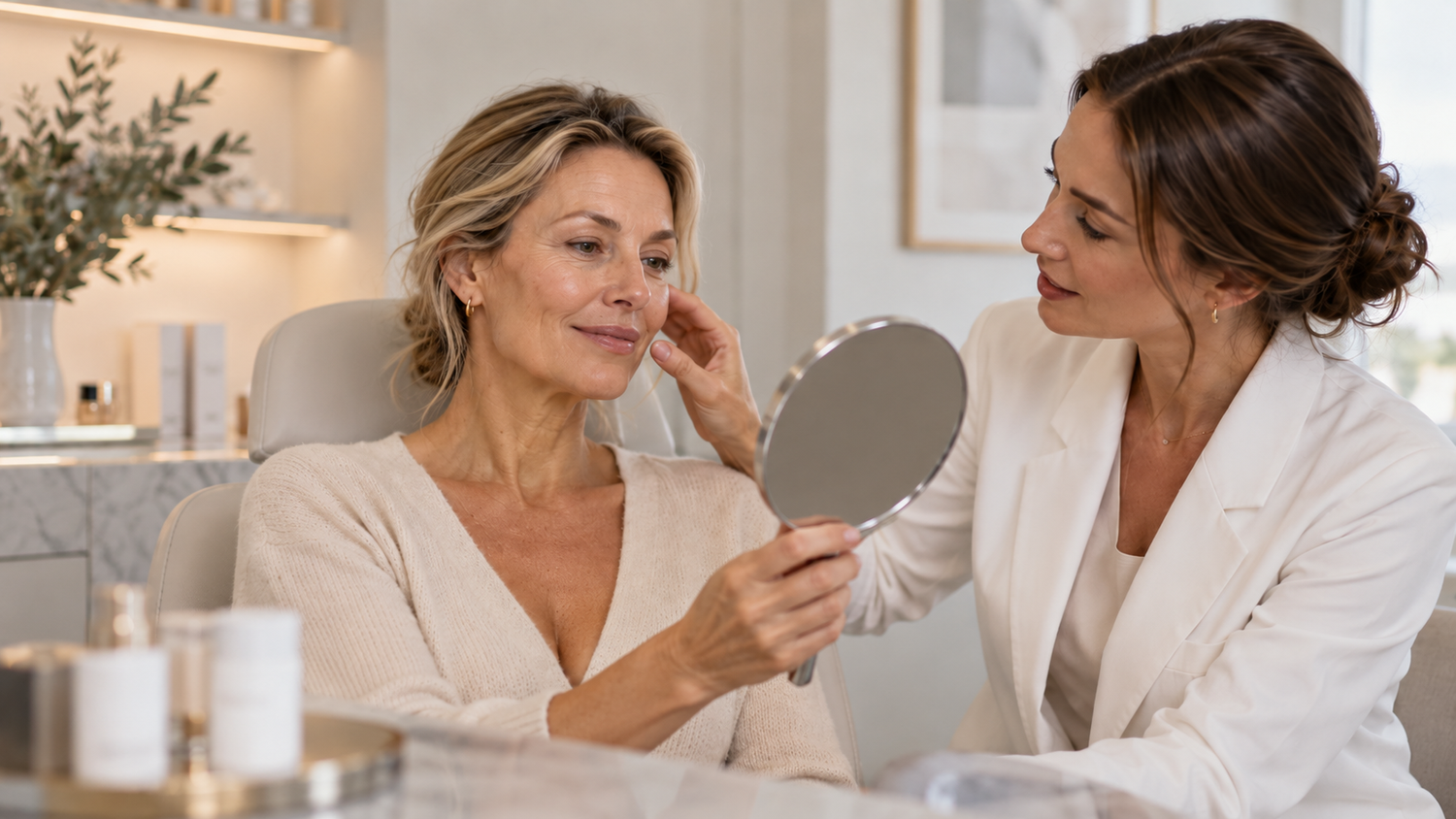


As research exposes widespread confusion surrounding menopause-related skin changes, the beauty and aesthetics industry faces questions about how it assesses and treats clients in midlife. With insights from aesthetic medicine specialist Dr Priya Chadha, Founder and Director of Amer Clinic and Galderma global KOL, we examine whether traditional consultation protocols are sufficiently equipped to recognise the effects of hormonal change.
For years, skincare consultations have been structured around familiar concerns such as fine lines, pigmentation, dehydration and loss of firmness, with treatment plans determined largely by skin type, visible signs of ageing and the client's immediate priorities. Yet for women navigating perimenopause and menopause, these conventional assessments may not always capture the physiological changes influencing how their skin looks, feels and responds to treatment.
New research from dermatology company Galderma highlights the extent of the knowledge gap. Its international survey of 5,090 women who have experienced or are experiencing perimenopause or menopause found that 56% initially attributed menopause-related skin changes to general ageing, while just 29% recognised menopause as a possible contributing factor. Half were unaware that hormonal fluctuations during this stage of life could significantly affect their skin.
The findings, presented in October as part of Galderma's The Menopausal Skin Misread campaign, raise an important question for the professional skincare sector. If women themselves are struggling to identify the relationship between hormonal changes and their skin, are salons and aesthetic clinics asking the right questions to help them understand it?
The problem with treating every change as ageing
While chronological ageing, environmental exposure and hormonal changes frequently overlap, the mechanisms affecting the skin during menopause warrant closer consideration. Oestrogen plays an important role in collagen production, hydration, elasticity and the maintenance of skin structure. As levels fluctuate and decline, changes in skin quality can become particularly noticeable, sometimes developing over a relatively short period. This means that while a client may be presenting with familiar concerns, they may be experiencing them for different reasons than previously.
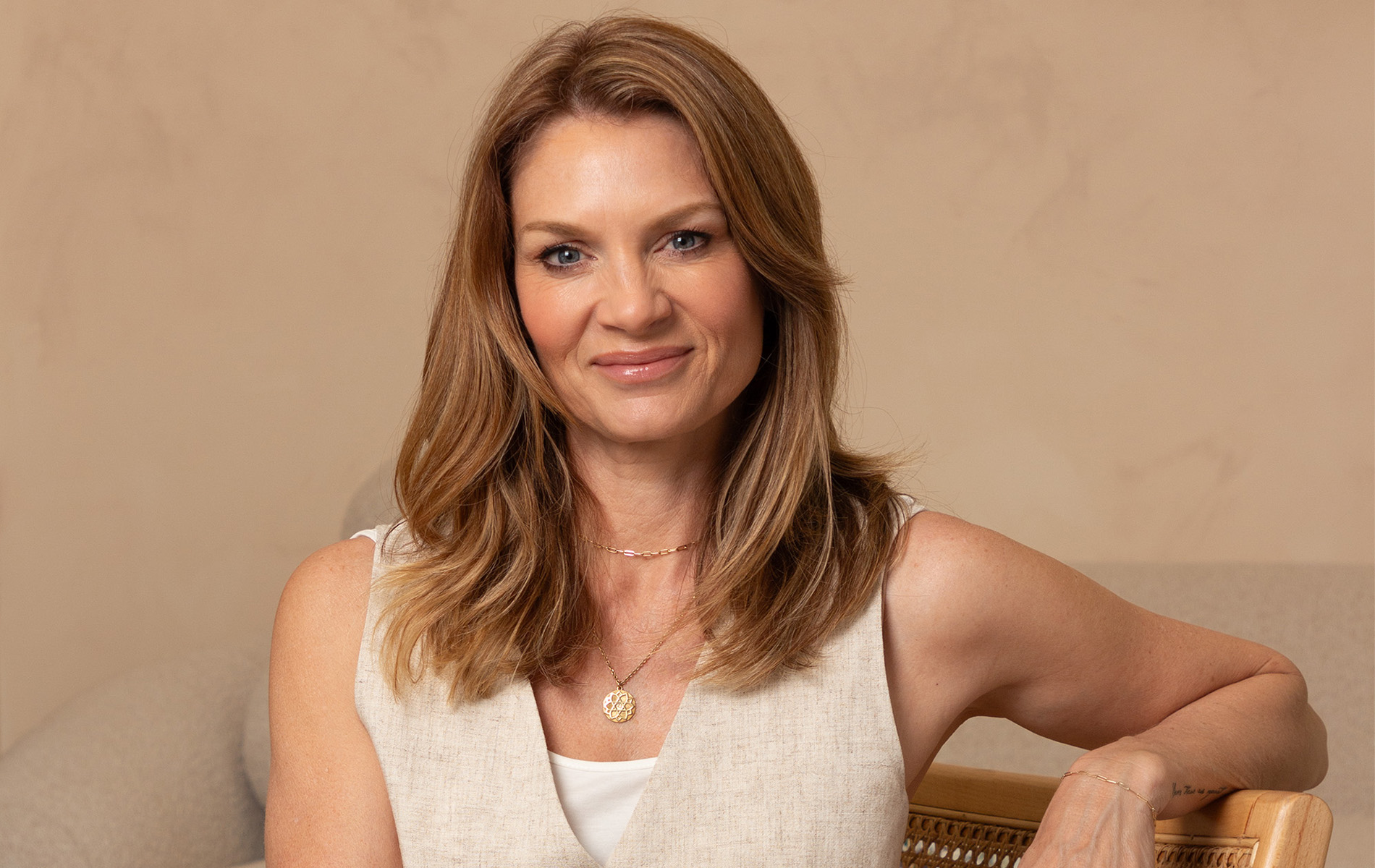
Dr Priya Chadha, aesthetic medicine specialist, believes the tendency to group menopause-related changes under the broader category of ageing remains a significant limitation in consultations.
"One of the biggest shortcomings is treating menopausal skin changes as simply another aspect of chronological ageing. Declining oestrogen levels can affect collagen production, skin hydration, elasticity and barrier function, often resulting in changes that feel relatively sudden to patients. Women may notice increased dryness, sensitivity or loss of firmness over a much shorter period than expected."
According to Chadha, "Recognising the hormonal contribution allows us to move beyond simply treating wrinkles and towards a more holistic approach to skin health."
This does not mean every woman in midlife requires menopause-specific products or procedures, nor that hormonal changes can be identified from skin appearance alone. Rather, understanding the potential contribution of menopause provides practitioners with additional context when assessing concerns and determining an appropriate course of treatment. The distinction becomes particularly relevant when clients report that previously effective routines are no longer delivering the same results, or that products and treatments they have used comfortably for years have suddenly become irritating.
Is it time to rethink the consultation form?
For salons and clinics, identifying these changes begins before any treatment is performed. Traditional consultation forms may capture medical history, allergies, medication and current skincare use, but these details are most useful when supported by a discussion about how the client's skin has changed over time.
Chadha recommends paying particular attention to the speed and nature of emerging concerns.
"We should be asking not only what has changed but also how quickly those changes have occurred. Questions around new dryness, sensitivity, breakouts, changes in skin texture and tolerance of existing skincare can be particularly revealing."
She adds: "It's also useful to explore hormonal changes, relevant medications, including hormone replacement therapy, and previous aesthetic treatments. Understanding what a patient's skin previously tolerated, compared with what it tolerates now, can be just as important as the products they're currently using."
Rather than assessing the skin exclusively as it presents on the day, this approach encourages practitioners to establish a timeline. Has sensitivity developed recently? Has a previously oily complexion become persistently dry? Is a client experiencing breakouts alongside irritation from treatments that were once well tolerated?
These details can help establish whether an existing treatment programme remains appropriate or requires adjustment.
Hormonal history, where relevant and voluntarily disclosed, can form part of that assessment. However, introducing menopause into a consultation requires sensitivity, particularly when a client has not raised the subject themselves.
"I think the key is to normalise the conversation rather than make assumptions based on age," explains Chadha. "I often explain that skin is influenced by several factors, including hormones, lifestyle and environmental exposure, and ask whether the patient has noticed any wider changes that might be relevant. This opens the conversation without making anyone feel labelled."
Her approach reinforces an important principle: menopause awareness should enhance personalised consultation, not introduce another set of assumptions about what women of a certain age need.
"Menopause should be approached as a normal physiological transition, not something that automatically needs correcting."
For beauty professionals, this means giving clients the opportunity to discuss hormonal changes without presuming their menopausal status, requiring unnecessary medical disclosures or presenting the transition itself as a problem to be treated.
When treatment protocols need to change
An improved understanding of hormonal influences should also inform the treatments and homecare recommendations that follow. During the menopausal transition, changes in hydration and barrier function can alter the skin's tolerance of topical ingredients and certain procedures. A client who has previously responded well to exfoliating acids, retinoids or intensive resurfacing treatments may begin experiencing dryness, stinging or persistent irritation. The American Academy of Dermatology similarly identifies dryness, increased sensitivity and changes in skin thickness among the concerns that can develop during menopause, recommending gentle cleansing, appropriate moisturisation and individualised assessment of treatment options.
Chadha argues that practitioners should resist the assumption that more intensive intervention necessarily produces better outcomes.
"The priority should be understanding the biology of the skin before recommending treatment. During menopause, changes in barrier function and hydration can mean that previously well-tolerated products or procedures become irritating. Supporting the skin barrier, maintaining hydration and introducing active ingredients thoughtfully are important foundations."
In practice, this may involve reassessing the frequency or intensity of exfoliation, reviewing the client's use of active ingredients, introducing additional barrier-supporting products or allowing more time between procedures where clinically appropriate.
It also requires practitioners to distinguish between a treatment that is no longer suitable and one that simply needs modification. Retinoids and other established skincare ingredients do not become inherently inappropriate during menopause, but their suitability and tolerability should be evaluated against the client's current skin condition.
Within medical aesthetics, the same principle applies to treatment selection. Declining skin quality does not automatically indicate a need for more volume or increasingly aggressive correction.
"In aesthetic practice, we should also consider treatments that address skin quality and collagen remodelling, rather than focusing exclusively on volume replacement. The common mistake is assuming that more aggressive treatment will necessarily deliver better results," says Chadha.
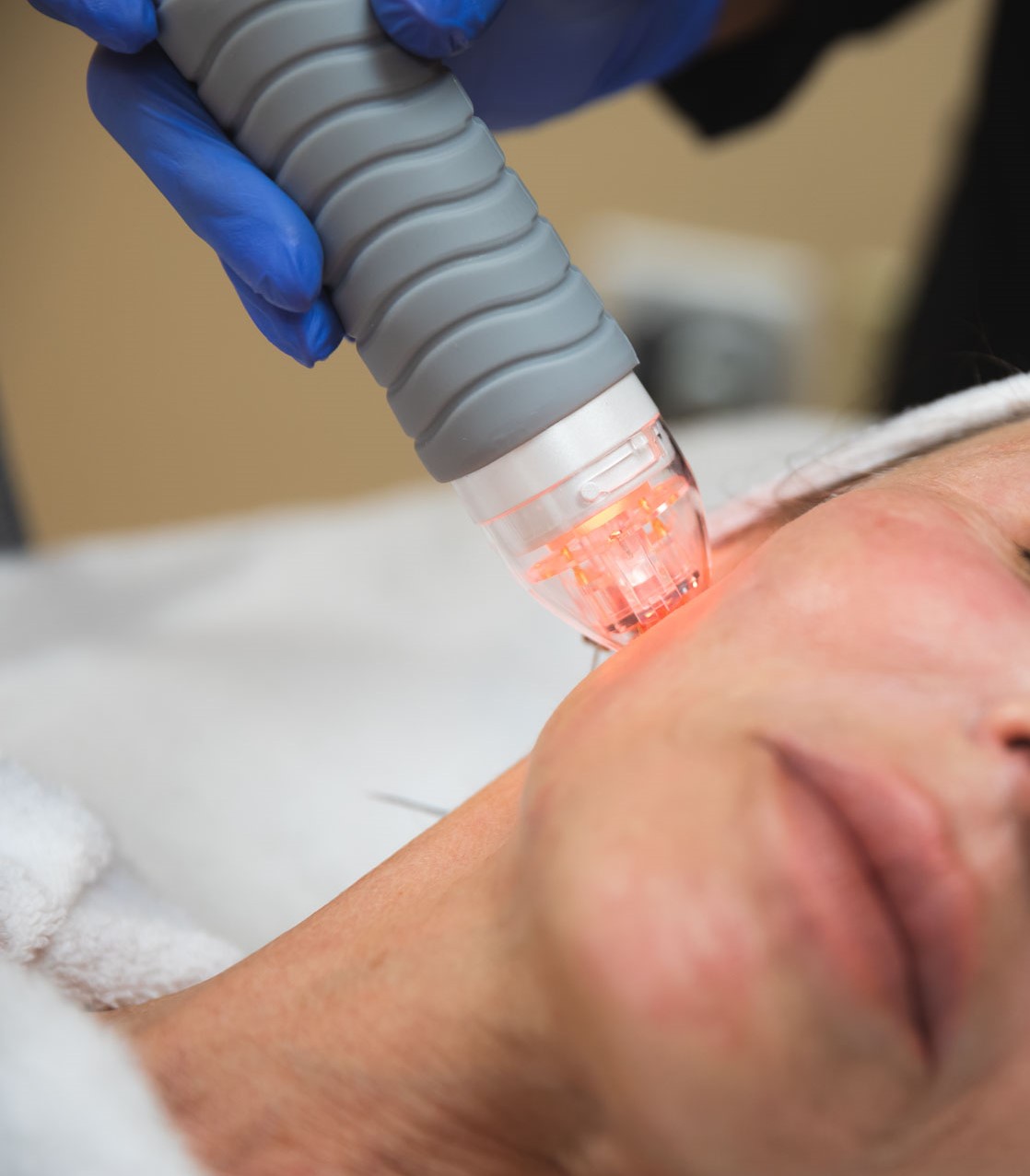
This growing interest in skin quality is also reflected in clinical research. At its October briefing, Galderma presented findings from an eight-month investigator-initiated study examining the sequencing of Restylane Skinboosters and Sculptra in menopausal women. The company reported improvements in skin hydration and dermal remodelling, with outcomes differing according to the order of treatment.
The information gap extends beyond the treatment room
Galderma's research also suggests that women are struggling to navigate the increasingly complex skincare market.
Some 70% of respondents reported purchasing products marketed towards signs of ageing because they believed these would address skin changes experienced during perimenopause or menopause. Meanwhile, 62% said they had felt overwhelmed by skincare advice during this life stage.
Among those who struggled to find clear information, almost half felt the available guidance was too general and focused on ageing rather than menopause. Many of the concerns associated with menopause overlap with those addressed by established skincare formulations, including products targeting dehydration, uneven texture and reduced firmness but the results point towards a need for clearer explanations of skin physiology, ingredient function and realistic treatment outcomes.
This presents an opportunity to move beyond product-led consultations towards a more educational approach, helping clients understand why their skin may be behaving differently and how individual recommendations relate to those changes. That education should extend to managing expectations. Improving hydration or barrier function may address discomfort and certain visible concerns, but topical skincare cannot fully reverse the structural effects of hormonal change. Similarly, aesthetic procedures should be discussed in terms of their specific indications, limitations and risks rather than positioned as treatments for menopause itself.
Knowing when not to treat
Greater awareness of menopausal skin also brings an important clinical responsibility: avoiding the assumption that every new concern experienced in midlife is hormonally driven.
Inflammatory skin conditions, medication reactions, contact dermatitis and potentially serious skin lesions can emerge during the same period. Attributing unexplained symptoms to menopause without appropriate assessment risks delaying diagnosis or treatment.
"Not every skin change in midlife is related to menopause, and this is an important distinction," warns Chadha.
"New or changing pigmented lesions, persistent inflammatory rashes, unexplained skin changes or symptoms that are progressing despite appropriate skincare should prompt medical assessment. Aesthetics practitioners have an important role in recognising changes, supporting skin health and encouraging timely referral, but should avoid making medical diagnoses."
The ability to recognise when treatment is inappropriate is as important as knowing which services to recommend.
As Chadha concludes, "Good aesthetic care is as much about recognising when not to treat as knowing which treatment to recommend."
For salons and aesthetic clinics, improving menopause awareness does not necessarily require an entirely separate consultation or treatment menu. It may begin with reviewing existing protocols to ensure they capture changes in skin behaviour, treatment tolerance and relevant hormonal or medical history. Practitioners should also consider whether their training provides sufficient understanding of the effects of declining oestrogen on skin structure and function, and whether the language used during consultations encourages clients to share relevant information without feeling categorised by age.
Regular reassessment is equally important. Skin condition and treatment tolerance can change throughout perimenopause and beyond, meaning recommendations made during an initial consultation may require adjustment as the client's needs evolve.
The implications extend to professional skincare education, where hormonal influences deserve consideration alongside established discussions of chronological ageing, photoageing, skin type and barrier function.
As menopause becomes a more established part of the wider conversation about women's health, professional skincare consultations have an opportunity to reflect that progress. The objective should be to ensure hormonal change is considered when relevant, treatment recommendations remain appropriate, and clients receive advice grounded in an understanding of their individual skin. The quality of a consultation increasingly depends not only on what practitioners can see, but on what they know to ask.
What's Your Reaction?
 Like
0
 Dislike
0
 Agree
0
 Disagree
0
 Excellent
0
 Useful
0
 Great
0