






































What to eat at a barbecue when you have a fat loss goal


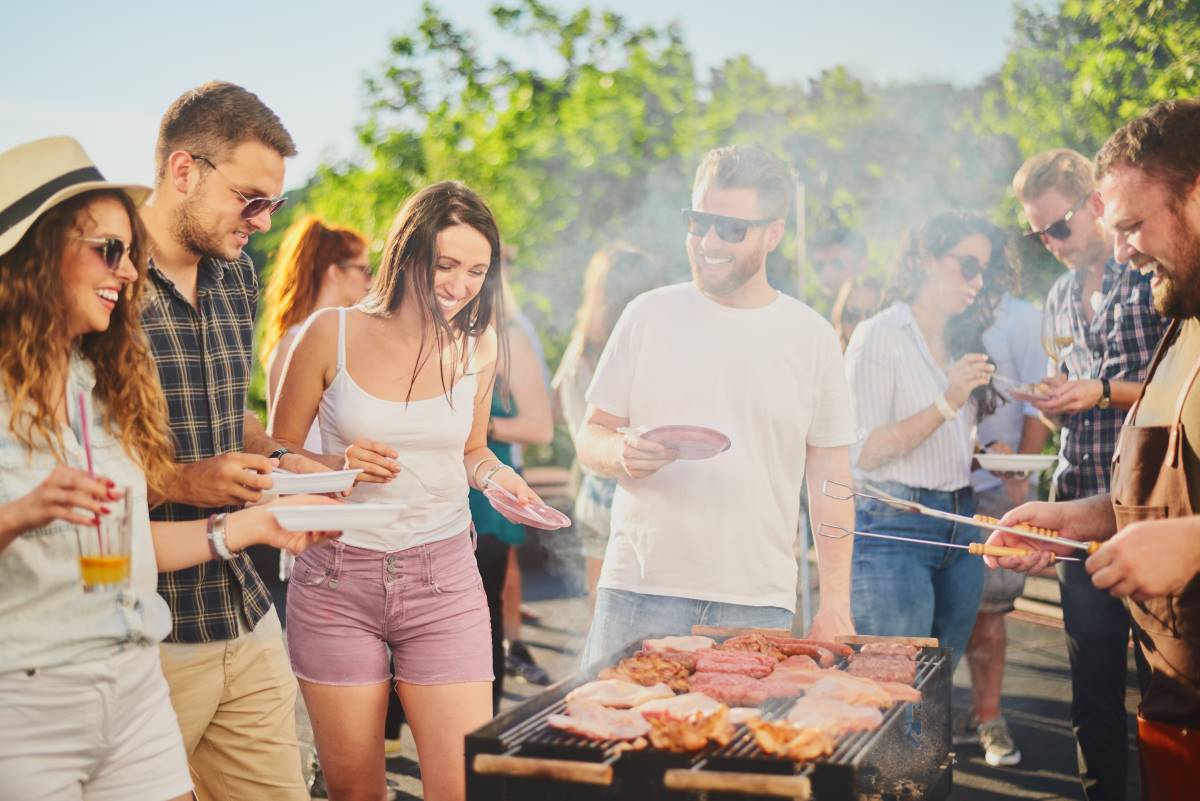
Summer barbecues can be one of the biggest challenges to overcome when you’re trying to lose fat.
The combination of calorie-dense food, alcohol, larger portions, and an environment where food is freely available can make it surprisingly easy to consume far more than you realise.
What starts as a single barbecue can quickly become an entire day, weekend, or series of social occasions that undo all the hard work you’ve put in at the gym.
The good news is that you don’t have to avoid barbecues, holidays, birthdays, or summer gatherings to stay on track with your goals.
At Ultimate Performance, we’ve helped thousands of clients successfully navigate weddings, work events, family celebrations, weekends away, and barbecue season while continuing to make measurable progress. The difference is having a plan.
In this article, you’ll learn the same practical strategies U.P. trainers use to help clients manage food, alcohol, social pressure, and recovery, so they can enjoy summer without sacrificing their results.
Why barbecues derail fat loss
Barbecues combine several of the biggest drivers of passive overeating into one environment.
The first is calorie density. Most people focus on the grilled meat itself and whether it’s lean or higher in fat. But the larger calorie load often comes from the extras around it. Brioche buns, crisps, creamy salads, mayonnaise-based sides, desserts, sugary sauces, and alcohol. Research into ultra-processed and hyper-palatable foods shows they can significantly increase calorie intake before fullness properly registers [3].
Drinking alcohol compounds the problem further. Aside from its calorie content, alcohol tends to reduce inhibition around food choices and portion control [4]. A few drinks often turn measured choices into reactive ones, particularly where hunger, fatigue, and social momentum are a factor.
Hidden calories also accumulate faster than most people realise. Marinades, dressings, oils, sauces, and “small extras” can add hundreds of calories without making meals feel substantially larger. A plate that appears relatively balanced can still become extremely calorie-dense once these additions are layered together.
Social influence matters too. Research shows that people consistently eat more in social environments, particularly when food is highly palatable, freely available, and accompanied by alcohol or celebration [1][2].
Finally, many people can fall into all-or-nothing thinking. Once people decide they’ve already gone off plan, they often stop paying attention to food choices altogether. One large meal becomes an excuse to abandon structure entirely for the rest of the weekend. This is often where the real damage occurs – not from the barbecue itself, but from the overeating that continues afterwards.
However, you don’t need to completely restrict yourself or avoid social occasions completely. You just need to understand where calorie intake can escalate most easily and then make a small number of smarter decisions before it happens.
How to plan before you go
The easiest way to stay on track at a barbecue is to make key decisions before you arrive.
Most people approach these events reactively. They turn up hungry, unsure what food will be available, without any plan for drinks, portions, or how long the event is likely to last. By the time food appears, decisions are being driven by appetite, convenience, and social momentum rather than clear-headed intention.
A better approach is to treat the barbecue like any other high-risk environment for overeating – anticipate the challenges before they arise.
If possible, find out what food is being served in advance. That does not mean interrogating the host or turning the event into a nutrition audit. A simple conversation gives enough information to prepare properly. If protein options are likely to be limited, bringing a high-protein dish to share can make the entire event easier to navigate without creating social awkwardness.
This is a strategy many U.P. clients use successfully during summer events. A large grilled chicken salad, lean burger platter, prawn skewers, or high-protein side dish allows them to contribute socially while also ensuring there is at least one reliable option available that they can enjoy.
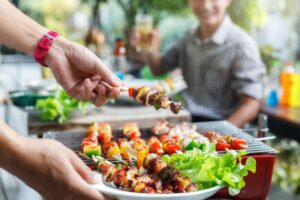
Another important decision is what to do before the event itself.
Some people benefit from eating a normal protein-rich meal beforehand. Arriving slightly fuller often reduces impulsive snacking, overeating, and repeated trips to graze at the food table later in the day. This tends to work particularly well for people who struggle once they become overly hungry.
Others prefer allocating more calories toward the barbecue itself by keeping earlier meals lighter and protein-focused so they can eat a little more later on. That approach can also work well when handled deliberately.
Whichever approach you choose, the key is to avoid arriving at the barbecue both hungry and with a large calorie allowance still available. That’s the combination most likely to lead to overeating.
Protein remains especially important here. Higher-protein meals are consistently associated with improved satiety and better appetite control during fat-loss phases [5]. Even a relatively small protein-focused meal earlier in the day can help reduce the “all-or-nothing” overeating mindset that can come when you are hungry.
Alcohol is another factor that should also be planned in advance, not negotiated in the moment.
Clients we work with at Ultimate Performance who handle social occasions best rarely rely on willpower once drinks start flowing. They decide their limit beforehand.
This might mean a number of things. Setting a fixed number of drinks for the evening, alternating alcoholic drinks with soft drinks or sparkling water, choosing lower-calorie options from the start, or often simply avoiding alcohol completely.
One simple behavioural strategy that works well socially is keeping a zero- or low-calorie drink in hand throughout the event.
It reduces repeated offers of food and alcohol, avoids drawing attention to the fact you’re drinking less, and removes the need to repeatedly explain your choices. For some people, a sparkling water with ice and lemon can be an easy way to blend into the occasion without feeling pressured to drink alcohol.

What to eat and drink at the barbecue
Once the event starts, the goal is to make a smaller number of high-quality decisions rather than trying to control everything perfectly.
Most people dramatically underestimate how quickly calories accumulate at barbecues because the food often feels informal. Eating while standing, grazing between conversations, and repeatedly returning for “small extras” creates far less awareness than sitting down to a structured meal.
This is why having a simple decision framework matters.
A good starting point is building your plate around protein first.
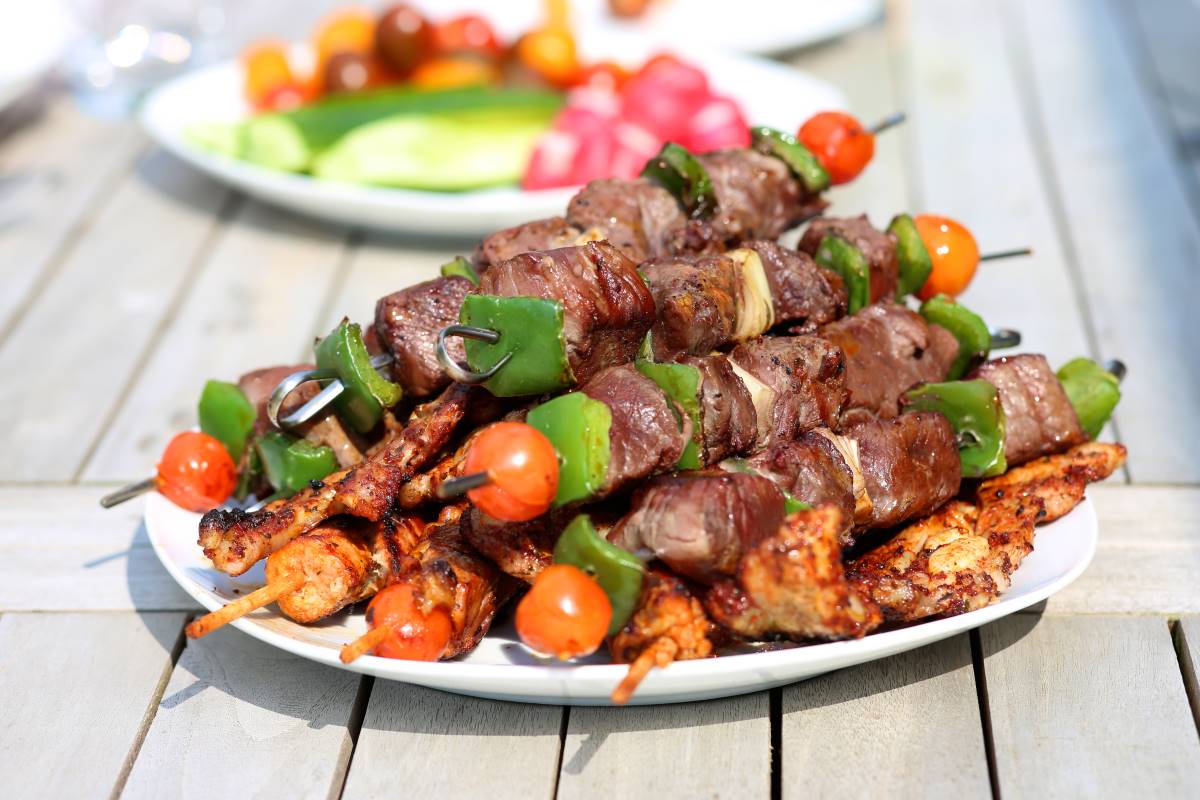
Lean proteins are generally the most effective way to control hunger and keep overall calorie intake more manageable during social events [5]. Chicken breast, prawns, white fish, lean steak cuts, turkey burgers, lean mince burgers, and grilled kebabs are usually better options than heavily processed sausages, fatty burgers, or heavily glazed meats.
That does not mean every food choice needs to be “clean” or perfect. It means prioritising the foods most likely to keep you satisfied before adding the more calorie-dense extras around them.
Vegetables and salad should come next. Grilled vegetables, salad bowls, corn on the cob, mixed leaves, tomatoes, peppers, and asparagus can add volume and fullness without dramatically increasing calorie intake.
The biggest issue at most barbecues is not usually the grilled food itself. It is the combination of extras – the buns, nibbles, sauces, sides, and desserts – and repeated snacking layered on top of it.
Many people consume hundreds of calories before the main meal has even started, simply through grazing behaviour. Crisps, nuts, dips, cheese boards, and finger foods are easy to overlook because they are eaten gradually rather than plated deliberately into a single meal.
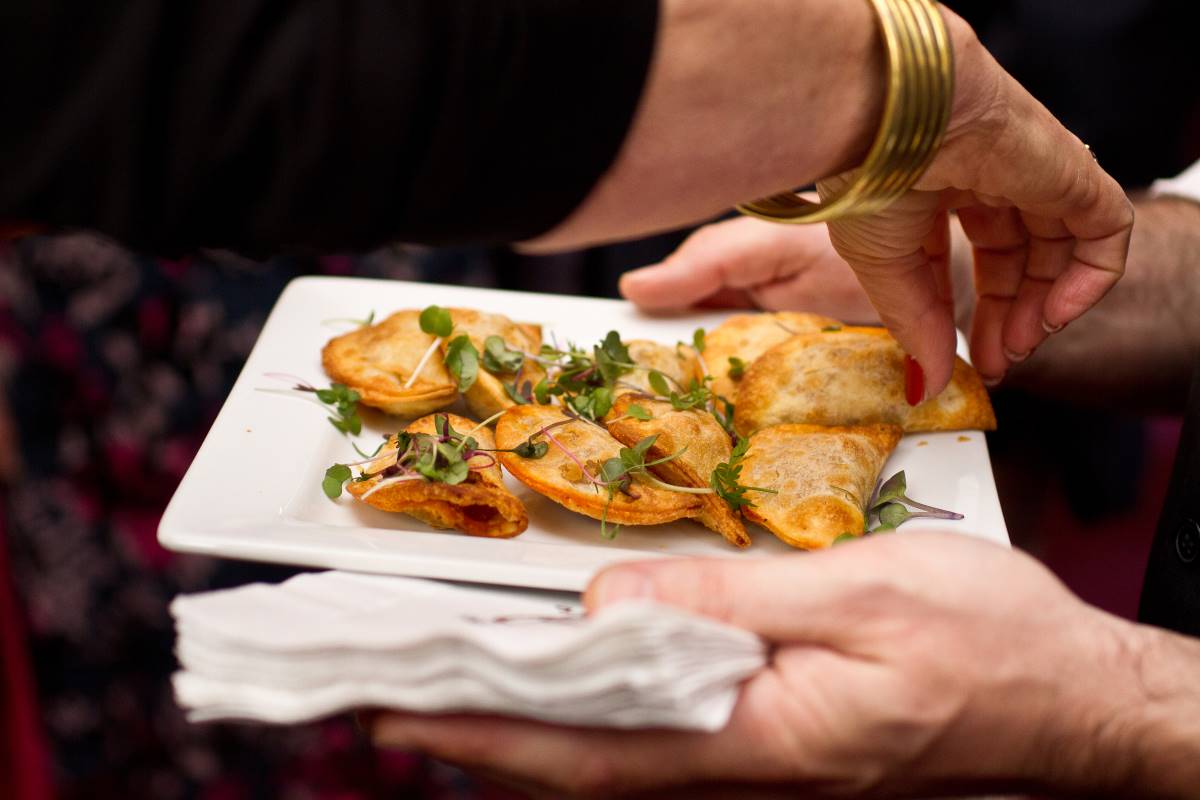
One effective strategy is building one intentional plate rather than continuously picking at food throughout the event. This creates more awareness around intake and helps separate genuine hunger from social eating.
Sauces and dressings also deserve more attention than most people realise.
Barbecue sauces, mayonnaise-heavy salads, aioli, creamy dressings, marinades, and sweet glazes can significantly increase the calorie density of meals very quickly. The solution is not avoiding them entirely. A more realistic approach is treating them as deliberate additions rather than background extras that “do not count”.
Alcohol requires the same level of honesty.
Calories from drinks are often underestimated because they do not create the same fullness response as food [4]. Beer, cider, cocktails, sugary mixers, and large pours can push calorie intake extremely high without reducing appetite accordingly.
For people trying to stay lean while still drinking socially, simpler choices are usually easier to manage. Spirits with diet mixers, lower-calorie beers, alcohol-free alternatives, sparkling water, and diet soft drinks are typically better options than cocktails, sugary premixed drinks, or repeated rounds of pints.
Just as importantly, alcohol changes decision-making.
Research consistently shows that appetite control and food restraint tend to decline once alcohol intake increases [4]. This is often the point where people move from measured meal choices into uncontrolled eating.
The clients we see who navigate barbecues and social events most successfully tend to have a clear plan before they arrive. They know how much they intend to drink, which foods they want to prioritise and what they’ll do once the event is over to get back to structure rather than turning one barbecue into an entire weekend of overeating.
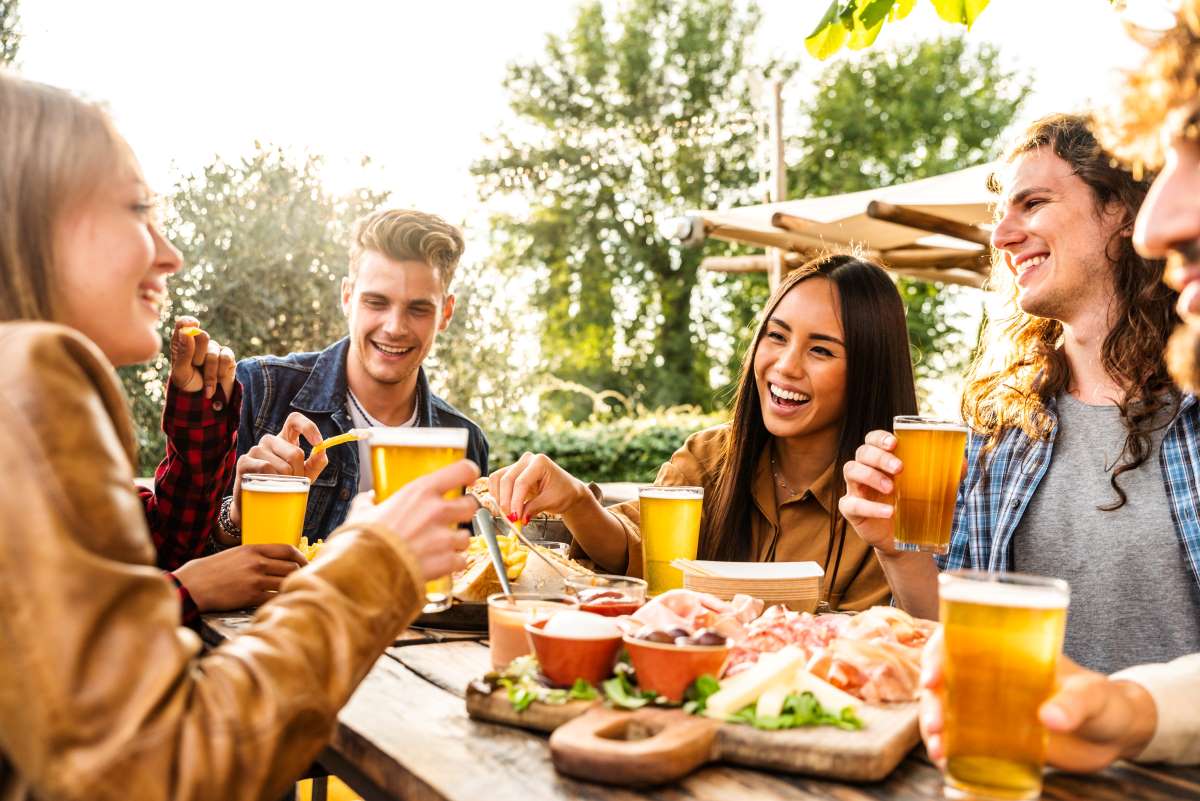
How to handle social pressure without making it awkward
One of the biggest challenges during a fat-loss phase for people isn’t always the food itself, it’s the social environment that surrounds it.
Barbecues and other summer social events are built around hospitality, generosity, and shared eating. For many people, declining extra food or drinks can feel uncomfortable because it risks appearing restrictive, rude, or antisocial. This is one reason social occasions consistently change eating behaviour, even among people who are normally highly disciplined [2].
The mistake many people make is overexplaining their decisions.
Long justifications about dieting, calories, or “being good” often invite more discussion, more persuasion, and more attention than necessary. In reality, most social pressure disappears when responses stay calm, brief, and low drama.
Simple responses are usually the most effective.
“I’m good for now, thanks.”
“That was great, I’m full.”
“I’m pacing myself.”
“No thanks, I’ve had enough.”
These responses close the interaction without turning food choices into a debate.
People generally follow the emotional tone you set. If you appear uncomfortable or apologetic, the conversation often continues. If you respond calmly and move on naturally, most people do the same.

Alcohol pressure can be handled in a similar way.
Keeping a drink in hand, alternating alcoholic drinks with sparkling water or diet mixers, or ordering alcohol-free alternatives often reduces repeated offers without requiring any explanation at all. Most people pay far less attention to what someone is drinking than individuals assume beforehand.
It is also important to avoid the belief that you have to choose between enjoying social occasions and achieving your fat-loss goals.
You don’t have to avoid every barbecue, holiday, birthday, work event, or weekend away. You just need to learn how to navigate those occasions without abandoning the habits and structure that created progress in the first place.
This is something Ultimate Performance trainers help clients develop every day.
Social occasions, holidays, and celebrations are often the moments where people fall back into old patterns. They stop planning ahead, stop paying attention to their choices, and tell themselves they’ll “start again” on Monday.
The clients who achieve lasting results learn a different approach. They know how to enjoy the occasion, make deliberate decisions, and return to their normal routine afterwards.
That confidence is incredibly empowering. It means being able to enjoy a barbecue, a holiday, or a night out without feeling guilty, anxious, or out of control. You can have a social life and still make measurable progress. When you learn how to handle these situations properly, fat loss becomes far more sustainable because it works alongside real life, not against it.

What to do if the event goes off plan
One barbecue will have relatively little impact on your long-term body composition by itself – especially if you have consistent training and eating habits in place.
It’s what happens next that can cause the most significant setbacks.
Many people fall into a familiar pattern after overeating socially. The barbecue becomes a reason to abandon structure entirely for the rest of the weekend. That often leads to more overeating, missed training sessions, lower activity, poor sleep, and the feeling of having “ruined” progress anyway.
This all-or-nothing mindset is far more damaging than the original event itself.
A better approach is to normalise imperfection quickly and return to structure immediately.
That means resuming normal meals at the next opportunity rather than trying to “compensate” through aggressively cutting calories, detoxes, excessive cardio, or skipping food entirely the next day. Extreme restriction after overeating usually creates another cycle of hunger, cravings, and rebound eating rather than restoring control.
Hydration matters too, particularly if alcohol intake was higher than planned. Increased water intake, normal meal timing, adequate protein, movement, and good sleep will generally do far more for recovery than aggressive calorie restriction.
This is something Ultimate Performance trainers reinforce consistently with clients during holidays, weddings, work events, and summer weekends. The objective is never to avoid real life completely. It is to minimise disruption, regain structure quickly, and prevent one event becoming a longer period of drift.
There is also an important psychological difference between flexible dieting and uncontrolled eating.
Flexible dieting involves making deliberate trade-offs while maintaining overall structure. Uncontrolled eating usually happens when people stop tracking decisions entirely because they believe progress has already been lost.
In practice, most people are only one structured meal away from being back on track.
The faster normal habits are resumed, the smaller the overall impact of the event becomes across the week as a whole.
How we coach clients through social occasions at Ultimate Performance
At Ultimate Performance, navigating social events is treated as a normal part of the coaching process, not an exception to it. Many of our clients are CEOs, business leaders, and busy professionals who have packed social calendars, work events to navigate, and family life to juggle.
Long-term success depends on being able to navigate real-world situations effectively. Social events, travel and family commitments don’t disappear during a fat-loss phase, so our coaching focuses on helping clients manage them without losing momentum.
That is why our trainers help to plan for social occasions in advance rather than reacting to them afterwards.
A client entering a fat-loss phase during summer may have weddings, travel, networking events, family gatherings, and barbecues already scheduled into their calendar. Instead of pretending those events will not happen, coaches adjust the wider strategy around them.
That may involve modifying calorie intake earlier in the week (sometimes called ‘calorie banking’), increasing daily activity targets, prioritising protein and satiety, planning restaurant choices beforehand, setting alcohol boundaries in advance, or creating recovery strategies for the following day.
Ultimately, the goal is always to maintain progress and momentum without making fat loss socially isolating or psychologically exhausting.
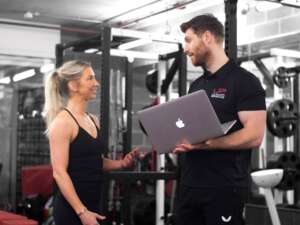
Most people understand the basic principles of fat loss – eat less, move more, train consistently.
The challenge is applying those principles consistently when real life gets in the way. Work stress, travel, family commitments, holidays, weekends away, barbecues, and social events all create opportunities to lose structure and fall back into old habits.
This is why accountability makes the difference.
Accountability is more than someone checking whether you’ve completed a workout. It’s having someone keep you focused on the bigger picture, help you make better decisions when challenges arise, and keep you on track when motivation inevitably fluctuates.
It’s one of the reasons 97% of U.P. clients achieve the goals they set themselves.
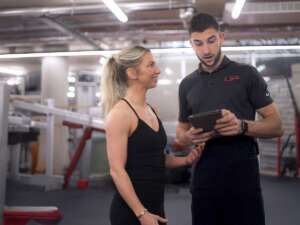
Every U.P. client works with a trainer who manages the process with them – providing structure, tracking progress through data, helping them plan ahead, and coaching them through situations exactly like the ones discussed in this article.
Over time, clients develop the habits, skills, and decision-making ability to navigate real life without losing control of their progress. These are the behaviours that allow people to stay in shape long after they’ve completed their program.
If you’d like to experience the difference that expert coaching and accountability can make with the U.P. Method, enquire today about our personal training programs.
Frequently asked questions
Can I still lose fat if I go to a barbecue?
Yes.
Fat loss is determined by your overall calorie balance across weeks and months, not by a single meal or social event.
The goal is to make choices that allow you to maintain a calorie deficit consistently over time.
A barbecue only becomes a problem when it creates a much larger calorie surplus than you realise, or when one meal turns into an entire day or weekend of unstructured eating. In some cases, a single afternoon of overeating can wipe out much of the calorie deficit created during the rest of the week.
This is why the strategies in this article matter. They allow you to enjoy the occasion while keeping the bigger picture of your progress firmly intact.
Remember, the main reason people’s progress stalls is when one meal or one event becomes a pattern of decisions that gradually erodes the consistency required for sustained fat loss.
What should I eat before a barbecue if I’m trying to lose fat?
There is no universal answer.
Some people benefit from eating a normal protein-rich meal beforehand because arriving hungry makes them more likely to overeat. Others prefer to keep earlier meals lighter and save more calories for the event.
The best strategy is the one that helps you stay in control of your appetite.
If skipping meals leaves you ravenous by the time food arrives, eating beforehand is usually the smarter choice. If you can comfortably manage a lighter day without becoming overly hungry, calorie allocation can work well too.
What are the best foods to choose at a barbecue?
Always start with protein. Build your plate around it.
Chicken breast, fish, prawns, lean burgers, turkey burgers, lean steak cuts, and grilled kebabs are usually more filling for fewer calories than heavily processed sausages, fatty burgers, or large amounts of bread and sides.
After protein, add vegetables or salad, then decide which extras are most worth having.
This approach tends to control hunger more effectively while helping keep overall calorie intake more manageable.
What should I drink at a barbecue if fat loss is the goal?
Water, diet soft drinks, sparkling water, and alcohol-free alternatives are the most optimal options for your progress.
If you choose to drink alcohol, decide beforehand how much you intend to have. Lower-calorie options such as spirits with diet mixers keep calories down in a fat-loss phase than sugary cocktails or multiple pints of beer or glasses of wine.
Can one barbecue ruin my fat-loss progress?
No.
Even a higher-calorie day is unlikely to significantly affect long-term results if you quickly return to normal habits afterwards.
What creates problems is the belief that one indulgent meal means progress has already been lost.
Many people respond to overeating by abandoning structure completely. That reaction usually causes more damage than the original event.
A far more effective strategy is to resume normal eating, training, hydration, and activity at the very next opportunity.
How do I stop people pressuring me to eat or drink more?
Keep your response simple.
Most people do not need a detailed explanation of your goals, calorie targets, or diet strategy.
Short responses such as “I’m okay, thanks”, “I’m full”, or “I’m pacing myself” are usually enough.
Confidence matters more than justification. The less attention you draw to the decision, the less likely it is to become a conversation which can lead to pressure to eat or drink more.
What should I do the day after a barbecue if I overate?
Return to your normal routine.
Eat your usual meals. Prioritise protein. Drink plenty of water. Get your steps in. Complete your planned training session.
Avoid trying to compensate through extreme restriction, detoxes, fasting, or excessive cardio.
The most successful clients are not those who never go off plan. They are the ones who reset and return to structure quickly when they do.
Key takeaways
Barbecues, holidays, and social gatherings are part of summer. They don’t have to stop you from achieving your fat-loss goals.
The people who stay in shape year-round are the people who know how to navigate them.
A little planning goes a long way. Prioritise protein. Be mindful of alcohol. Have a strategy before you arrive. Most importantly, don’t let one meal turn into an entire day or weekend of unstructured eating.
Fat loss is built through consistent decisions over weeks and months. Get the bigger picture right, and there’s no reason you can’t enjoy barbecue season while continuing to make progress.
How U.P. helps clients stay on track year-round
Most people know what they should do to lose fat in principle.
The challenge is doing it consistently alongside real life.
At Ultimate Performance, every client works with an expert trainer who helps them navigate the situations that typically derail progress – holidays, business travel, work events, weekends away, and summer barbecues included.
Through expert coaching, accountability, and a proven data-driven method, clients learn the habits and decision-making skills needed to stay in control of their progress, even when life becomes less predictable.
These are the same principles that have helped thousands of U.P. clients worldwide achieve measurable, lasting results over the last 15+ years.
If you’d like to experience the difference that expert coaching and accountability can make to your results, enquire today about personal training with Ultimate Performance.
References
- De Castro, J. M., & De Castro, E. S. (1989). Spontaneous meal patterns of humans: influence of the presence of other people. American Journal of Clinical Nutrition, 50(2), 237–247.
- Herman, C. P., Roth, D. A., & Polivy, J. (2003). Effects of the presence of others on food intake: a normative interpretation. Psychological Bulletin, 129(6), 873–886.
- Hall, K. D., Ayuketah, A., Brychta, R., Cai, H., Cassimatis, T., Chen, K. Y., et al. (2019). Ultra-processed diets cause excess calorie intake and weight gain: an inpatient randomized controlled trial of ad libitum food intake. Cell Metabolism, 30(1), 67–77.
- Caton, S. J., Ball, M., Ahern, A., & Hetherington, M. M. (2015). Dose-dependent effects of alcohol on appetite and food intake. Physiology & Behavior, 146, 71–76.
- Westerterp-Plantenga, M. S., Nieuwenhuizen, A., Tomé, D., Soenen, S., & Westerterp, K. R. (2009). Dietary protein, weight loss, and weight maintenance. Annual Review of Nutrition, 29, 21–41.
The post What to eat at a barbecue when you have a fat loss goal appeared first on Ultimate Performance Blog.
What's Your Reaction?
 Like
0
Like
0
 Dislike
0
Dislike
0
 Agree
0
Agree
0
 Disagree
0
Disagree
0
 Excellent
0
Excellent
0
 Useful
0
Useful
0
 Great
0
Great
0