








































































Best Supplements to Take (Hint: Not All of Them)


Last updated November 27, 2026
Snapshot
- The best supplements to take are vitamins and minerals that fill nutritional gaps, ideally after a doctor confirms a deficiency.
- Fat-soluble vitamins A and D stay stored in the body, so excess from supplements can cause serious harm.
- Water-soluble vitamins B12 and C leave the body through urine when intake climbs, though both can still interact with medications.
- Calcium supports bone health alongside vitamin D, and more than 40% of Americans fall short on it from food alone.
- Iron helps hemoglobin carry oxygen through the blood, and menstruation and pregnancy leave women more prone to a shortfall.
Nutrition (in the form of food) is the primary way to get the vitamins and minerals the body needs for daily functions. Still, even a healthy diet can come up short on certain nutrients. Supplements offer another way to get them.
The world of supplements can be overwhelming. With so many choices, from vitamins and minerals to herbs and protein powders, choosing the best supplements to take can be difficult. Learn why people take them and which options are worth considering for daily use.
Reasons People Take Supplements

Roughly 86% of Americans take supplements, yet only 24% take them because a test revealed a nutritional deficiency. Supplements can help when your diet falls short on a specific nutrient, but not everyone needs them. Some can also interact with medications, so talk to your doctor or pharmacist before adding one to your routine. Most supplement users fall into a few common camps.
1. They Want Antioxidant Benefits
Vitamins C and E have antioxidant properties that protect cells from free radical damage. Still, antioxidant supplements don’t necessarily prevent chronic disease, and research on supplements and disease prevention has produced mixed results, especially for those who aren’t deficient.
2. They Don’t Eat Well
Older adults and those with certain health conditions may have poor appetites or trouble getting enough nutrients from food, which can leave them low in certain vitamins and minerals. Supplements can help fill those gaps when a health care provider identifies the need.
3. They Have a Deficiency
A blood test can reveal deficiencies in certain vitamins and minerals. When a test confirms a deficiency, your doctor may recommend a supplement and advise you on the right dose and frequency.
Vitamins are classified as either fat-soluble or water-soluble. Fat-soluble vitamins such as A, D, E and K dissolve in fat and can be stored in the body for future use. Water-soluble vitamins such as C and the B vitamins dissolve in water, and the body generally flushes out any excess through urine.
Taking excessive amounts of fat-soluble vitamins can cause them to accumulate in the body. Too much preformed vitamin A, for example, can cause severe headache, blurred vision, nausea and other symptoms. In severe cases, vitamin A toxicity can be life-threatening. Avoid taking high-dose supplements without medical guidance.
Six Best Supplements to Take Daily

Meals don’t always deliver every nutrient you need, and these six supplements can help fill the gaps. Certain medications can interact with supplements, so always check with your doctor or pharmacist before adding to your routine.
1. Vitamin A
Vitamin A is one of the more common supplements found in pharmacies. It supports normal vision, immune function, reproduction, growth and development. Adult women need 700 mcg daily, compared with 900 mcg for men. Vitamin A deficiency is rare in the U.S., but inadequate levels can cause vision problems and, in severe cases, blindness.
A supplement can help bring levels up when a blood test shows a shortfall. Talk to your doctor about dosage, particularly because excessive amounts of preformed vitamin A can be harmful.
2. Vitamin B12
The B-vitamin family has eight types, each with a different function. Vitamin B12 is particularly important for the nervous system. It also helps make DNA and red blood cells.
Vitamin B12 deficiency affects between 3% and 43% of community-dwelling older adults, depending on how deficiency is defined. At least 3% of people aged 20-39 and 4% of those aged 40-59 are deficient. Signs of a shortfall include tingling in the hands and feet, and some also notice balance or memory problems.
Vitamin B12 is unlikely to cause harm, even at high doses, and no official upper limit exists. Certain medications can still affect B12 levels or interact with supplements, so check with your doctor before taking one.
3. Vitamin C
Vitamin C supplements are a mainstay in vitamin shops. The nutrient supports protein metabolism and immune function and has antioxidant properties. The recommended dietary allowance for vitamin C is 75 mg for women and 90 mg for men. Severe deficiency can cause scurvy, along with symptoms such as fatigue and connective tissue weakness.
Vitamin C deficiency is uncommon in the U.S., although the risk is higher among people who smoke, have limited food variety or have certain medical conditions. Talk to your doctor about potential side effects or drug interactions before adding a supplement to your routine.
4. Vitamin D
Vitamin D helps the body absorb calcium and supports healthy bones, muscles and nerves. Adults ages 19-70 need 15 mcg or 600 IU daily, while adults over 70 need 20 mcg or 800 IU. The body can also make vitamin D when skin is exposed to sunlight, although factors such as season, location, skin pigmentation, age and sunscreen use affect how much is produced.
Inadequate vitamin D can contribute to weak bones and, in severe cases, muscle weakness and bone pain. Taking excessive amounts of vitamin D supplements can cause toxicity and lead to hypercalcemia, a condition in which there is too much calcium in the blood. Talk to your doctor about the appropriate dose if you have low vitamin D levels.
5. Calcium
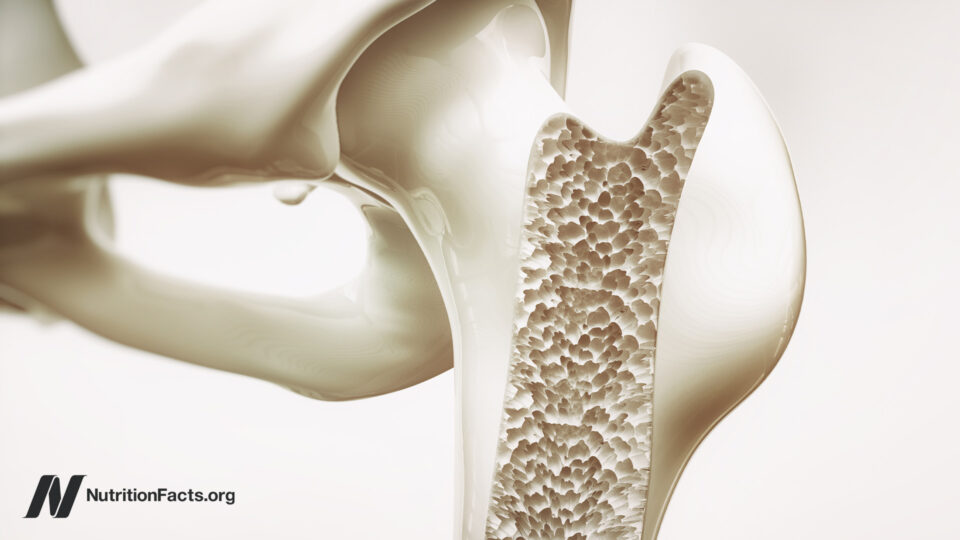
Calcium and vitamin D work together to support healthy bones. Your bones and teeth hold nearly all of your body’s calcium. Adults ages 19-50 should get 1,000 mg of calcium daily from food and supplements combined. Good food sources include dairy products such as milk, yogurt and cheese, along with fortified plant milks, tofu and certain vegetables.
People who don’t consume dairy products, including vegans and those with lactose intolerance, may have more difficulty getting enough calcium. A dietary assessment or advice from a health care provider can help determine whether you need more. Calcium supplements may be appropriate for people who aren’t getting enough from food, but excessive intake can cause problems and can interfere with certain medications.
6. Iron
Iron is an essential mineral that the body uses to make hemoglobin, a protein in red blood cells that carries oxygen from the lungs throughout the body. Menstruation means women of childbearing age lose iron every month, so they need more of it than men. Pregnancy also increases iron requirements.
Iron deficiency can cause anemia and symptoms such as fatigue, weakness and difficulty concentrating. Doctors may recommend iron supplements for people with confirmed iron deficiency or iron-deficiency anemia. A blood test can help determine whether your iron levels are low and whether supplementation is appropriate.
Before You Reach for the Bottle
Can you take too many vitamins?
Yes. This is particularly important with fat-soluble vitamins such as A and D, which can accumulate in the body. Excessive vitamin A can cause symptoms including severe headache and blurred vision, while too much vitamin D can lead to hypercalcemia and, in severe cases, kidney problems and other complications. Water-soluble vitamins such as B12 and C are generally excreted through urine, but that doesn’t make unlimited doses safe. Talk to your doctor or pharmacist about appropriate amounts.
Who needs a daily supplement?
Not everyone needs one. People with a confirmed nutrient deficiency, certain health conditions, restricted diets or difficulty absorbing nutrients may benefit from supplementation. Older adults may also be at greater risk of certain deficiencies, including vitamin B12. A health care provider can help determine whether you need a supplement and, if so, which one and how much.
The post Best Supplements to Take (Hint: Not All of Them) appeared first on Vacayou Travel.
What's Your Reaction?
 Like
0
 Dislike
0
 Agree
0
 Disagree
0
 Excellent
0
 Useful
0
 Great
0