


















































 Large.jpeg?format=1500w#)





From Hollywood to Harley Street, the US Skincare Trends UK Clinics Should Watch Out For



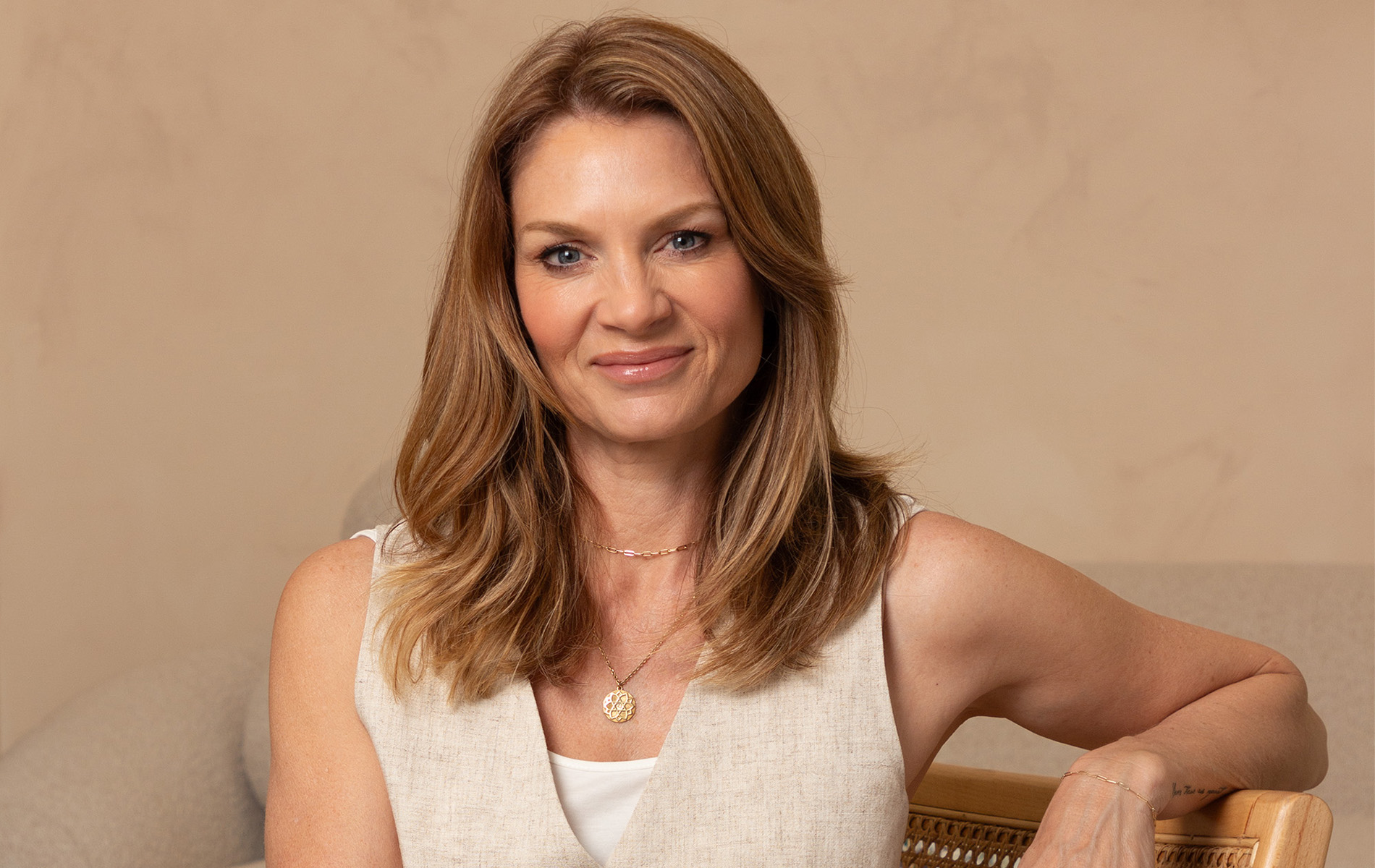
From skin longevity and regenerative aesthetics to a renewed interest in peptides, California dermatologist Dr Tess Mauricio identifies the developments gaining momentum in the US and what they could mean for the British aesthetics industry.
The British aesthetics industry has long looked to the United States for emerging treatments and beauty innovations, with trends gaining traction in Hollywood and American clinics often finding their way into the UK market. From the rise of weight-loss injections and the subsequent conversation around 'Ozempic face' to the popularity of celebrity-endorsed regenerative treatments, developments across the Atlantic have repeatedly influenced British patient expectations.
The term 'Ozempic face', popularised by New York dermatologist Dr Paul Jarrod Frank in 2022, became a major talking point in American aesthetics as the use of GLP-1 medications increased. By 2025, the British Association of Aesthetic Plastic Surgeons (BAAPS) was identifying weight-loss-related facial changes as one of the factors influencing the growing interest in facial rejuvenation, reporting an 8% rise in face and neck lifts in 2024.
Similarly, 'Barbie Botox', the social-media trend involving botulinum toxin injections into the trapezius muscles to create the appearance of a longer neck, attracted widespread attention in the US in 2023 before becoming a subject of discussion among British practitioners. More recently, polynucleotide treatments, widely referred to as 'salmon sperm facials', moved into mainstream beauty consciousness following endorsements from American celebrities including Kim Kardashian and Jennifer Aniston. Although the technology originated outside the US, its Hollywood exposure helped accelerate international interest, including in the UK. So, with the US continuing to provide an early indication of changing patient expectations, which developments could be next?
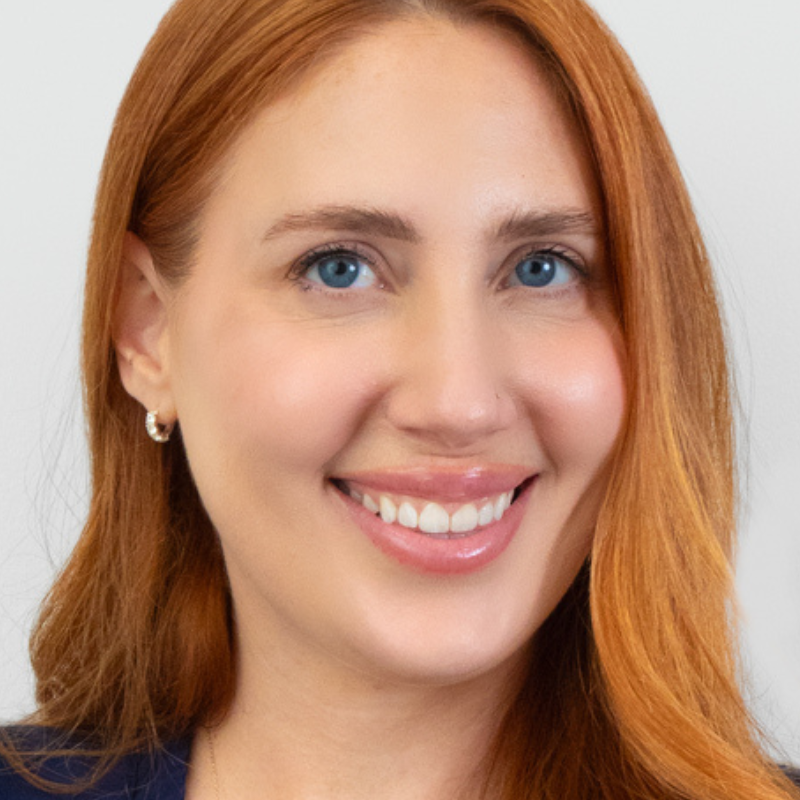
California-based dermatologist Dr Tess Mauricio, who operates practices in Beverly Hills and San Diego and has treated celebrities including Cardi B and Priyanka Chopra Jonas, has identified several emerging areas of interest, from regenerative medicine and cellular ageing to increasingly sophisticated skincare formulations.
Skin longevity and the science of cellular ageing
Longevity has become one of the most prominent concepts in the American wellness industry, and its influence is increasingly extending into professional skincare. While traditional anti-ageing treatments have generally concentrated on improving visible concerns such as wrinkles, pigmentation and skin laxity, the emerging skin longevity movement is examining the biological processes that contribute to these changes. In California, Mauricio is exploring the relationship between cellular ageing and the technologies already used in aesthetic medicine, with particular interest in whether treatments could influence the mechanisms responsible for skin deterioration rather than simply improving its appearance.
“We know now that as we age, we are left with senescent cells, often called ‘zombie’ cells, which are damaged, ageing cells that permanently stop dividing, but don’t die”, explains Dr Tess.
Senescent cells can contribute to chronic inflammation through the release of inflammatory molecules and enzymes, a process known as the senescence-associated secretory phenotype (SASP). Their accumulation has become an important area of longevity research, with scientists investigating whether reducing their effects could help maintain tissue function. Mauricio points to studies examining the relationship between energy-based skin treatments and these biological pathways, particularly the potential for fractional laser resurfacing and radiofrequency microneedling to influence ageing-related changes in the skin.
“A recent published study also showed after laser treatments, the skin itself was exhibiting a younger genetic profile. We now believe that our skin isn’t just a reflection of what is happening inside, but it may actually act as an endocrine gland. So everything we do to our skin to aesthetically reverse ageing may eventually be happening inside too.”
Research published in Scientific Reports in June 2026 provides an interesting development in this field. In a study involving 22 adults, researchers investigated how non-ablative fractional laser treatment affected DNA methylation patterns associated with skin ageing. The findings identified measurable changes in epigenetic markers, alongside improvements in clinical skin measurements, suggesting that energy-based procedures may have biological effects beyond conventional skin resurfacing.
The growing interest in skin longevity could influence how established treatments are positioned and how patients understand their long-term benefits. Rather than marketing procedures exclusively around the correction of visible ageing, clinics may increasingly develop programmes focused on maintaining skin quality, resilience and function over time.
Regenerative aesthetics and the move towards natural results
Another significant development in Mauricio's California practices is a growing preference for regenerative approaches, particularly among patients seeking natural-looking improvements without surgery. The wider shift towards subtle aesthetic outcomes has already influenced the injectables market, but regenerative medicine introduces a different set of possibilities, with treatments designed to support the body's existing repair mechanisms becoming an increasingly prominent subject of research and commercial development.
“I’ve had the honour of treating some of the top celebrities who represent this new paradigm of aesthetics, and they look better than ever. They are absolutely not interested in surgical interventions because they know if they are consistent with these regenerative therapies, it will be healthier for their skin in the long-term. I think people are tired of looking overdone and unnatural. Recently there has been a shift towards natural, regenerative, longevity based solutions. This is our expertise at M Beauty Clinic, and it’s my personal philosophy as well.”
The growing interest in regenerative aesthetics encompasses a broad range of interventions, including platelet-rich plasma (PRP), polydeoxyribonucleotides (PDRN), exosomes and procedures involving a patient's own tissue. Mauricio has been exploring several of these approaches within her practices, including treatments using processed autologous fat and regenerative cell preparations, reflecting the expanding range of technologies being investigated for their potential applications in tissue repair and rejuvenation.
“We can utilise cutting-edge biologics like platelet rich plasma, exosomes, polydeoxyribonucleotides (PDRN) and peptides to optimise our own biological repair and renewal mechanisms”, says Dr Tess. “I’ve just had a treatment where I had my own fat harvested, which was processed down to nanofat and regenerative stem cells that can be injected and applied topically. There are incredible things we can do with our own regenerative cells – the fountain of youth lives within us. It can help our skin, hair, our joints and our musculoskeletal system. I’m very lucky to have been one of the first doctors to have experienced it personally.”
While some of these technologies may appear futuristic, regenerative aesthetics is already an established area of commercial interest within the UK, particularly following the growing popularity of PRP and polynucleotide treatments. The developments emerging from American practices suggest that the category could become more sophisticated, with greater interest in combining regenerative approaches with conventional aesthetic technologies. However, these interventions differ significantly in their scientific evidence, clinical applications and regulatory status. Exosome-based treatments, for example, remain an emerging field, with no exosome products currently approved by the US Food and Drug Administration.
The UK's own regulatory environment is also changing. In October 2026, the Department of Health and Social Care launched a consultation proposing tighter controls on high-risk cosmetic procedures in England, including cosmetic PRP treatments and specified laser procedures. The introduction of new regenerative services, developments in the US may provide an indication of emerging patient interests, but the viability of those treatments in Britain will depend on clinical evidence, product regulation and practitioner qualifications.
Peptides are experiencing a resurgence
Peptides have been used in professional skincare for decades, but according to Mauricio, the category is experiencing renewed interest in California as advances in formulation technology and research into cellular signalling bring these ingredients back into focus. Their growing visibility also reflects the wider longevity movement, where peptides are increasingly discussed in connection with regenerative medicine, biological repair and age-related cellular processes.
“The longevity skincare space is really exploding”, says Dr Tess. “There are a lot of new technologies we can use to protect and optimize the skin. In California, Peptides are experiencing a major resurgence as the science and potential applications continue to expand across skincare, regenerative science and longevity. I was one of the first adopters of topical peptide technology. Peptides are the building blocks of proteins, and they can be a part of cellular repair and regeneration. Peptides are widely-studied, targeted and increasingly sophisticated, with different peptides interacting with specific biological pathways. Their precision is part of what makes them so compelling, and the research continues to grow. While lots of people are talking about injectable peptides, I currently recommend only topical peptide products. AlumierMD had one of the first peptide products, Everactive C&E™ + Peptide, which is more effective because it’s combined with antioxidants.”
Although the term 'peptides' is frequently used as a single ingredient category, different peptide compounds perform different functions, and evidence supporting one formulation cannot automatically be applied to another. A systematic review and meta-analysis published in Frontiers in Medicine in March 2026 examined 19 randomised controlled trials involving 1,341 participants, finding potential benefits for certain skin-ageing outcomes, particularly hydration and brightness. However, the majority of studies investigated oral peptide formulations, while evidence supporting topical applications remained considerably more limited.
Renewed interest in peptides could create opportunities for brands developing more targeted formulations and sophisticated delivery systems, particularly as consumers become increasingly familiar with ingredients associated with skin longevity. AlumierMD's EverActive C&E + Peptide, for example, combines peptide technology with vitamin C and vitamin E in a formulation designed to provide antioxidant protection and address visible signs of skin ageing. As the category develops, practitioners will have an important role in explaining the differences between individual peptide ingredients, their delivery methods and the strength of the clinical evidence supporting them.
Combination treatments and personalised protocols
The increasing sophistication of aesthetic treatment programmes is another development Mauricio is observing among her California patients. Rather than relying on individual procedures to address specific concerns, practitioners are developing personalised protocols that combine different technologies and skincare interventions, with the intention of targeting multiple aspects of skin ageing within a coordinated treatment programme.
“Combination protocols are what my celebrity patients are loving right now. We frequently stack lasers, radiofrequency and other energy based treatments to create controlled micro-channels in different depths to activate the regenerative process. Red light therapies are a great adjunct to the topical actives and biologics we use”.
We already see this being popular in the UK, where practitioners consider the interaction between skin texture, pigmentation, laxity and overall skin quality when developing treatment plans and how different treatments will affect the other. In Mauricio's practices, the combination of energy-based technologies with topical treatments and regenerative interventions is being used to create programmes tailored to individual patient goals. This approach is particularly relevant to patients seeking gradual improvements and natural-looking results rather than dramatic changes in appearance.
“Celebrities appreciate our customised regenerative treatment protocols without downtime, natural looking results and really noticeable improvement. Great products are essential too, and has to go beyond just moisturising. I look for active ingredients which create cellular and epigenetic change, and protect the skin.”
The growing emphasis on combining technologies could continue to influence the way services are structured and delivered. More comprehensive treatment programmes may strengthen the role of consultations, create opportunities for ongoing patient relationships and encourage closer integration between clinical procedures and professional skincare. The commercial potential is significant, particularly for practices seeking to develop longer-term treatment pathways, although the clinical benefits of combined protocols must be established rather than assumed. However, as practitioners explore increasingly complex treatment combinations, appropriate sequencing, recovery periods and patient selection will remain essential. The direction emerging from California may influence UK practice, but successful adoption will depend on clinical expertise rather than the number of treatments incorporated into a programme.
Antioxidants and advanced topical formulations
Alongside the growing interest in regenerative technologies, Mauricio is also highlighting the importance of advanced topical skincare formulations, particularly those containing ingredients associated with cellular protection and repair. One ingredient attracting her attention is glutathione, an antioxidant naturally present within the body that plays an important role in protecting cells against oxidative stress. Although glutathione has been studied in relation to pigmentation and antioxidant activity, research into its effectiveness in topical skincare remains less developed than the marketing surrounding the ingredient might suggest.
“They were one of the first brands to be very transparent about their ingredients. They were doing clean beauty before it became a big thing. AlumierMD’s products include ingredients I personally recommend to my patients, like glutathione. I wasn’t aware of any topical glutathione products in the US, and I was recommending IV antioxidant treatments with glutathione and vitamin C in the clinic. So to have topical products that match my in-clinic philosophy was very important to me.”
Mauricio's comments reflect growing interest in skincare formulations that complement professional aesthetic procedures and extend treatment programmes into patients' daily routines. The growing focus on oxidative stress and cellular health could encourage further development of targeted formulations that combine antioxidants with peptides and other active ingredients. It also presents opportunities for practitioners to provide more detailed guidance on how homecare products should support clinical treatments, while maintaining realistic expectations about the results that topical skincare can deliver.
Skin barrier health remains a priority
Despite the increasing attention being paid to regenerative medicine and advanced aesthetic technologies, Mauricio also emphasises the importance of maintaining the skin's natural protective barrier. The role of barrier function in skin health has become a major subject of consumer education in recent years, particularly through the international influence of Korean skincare and the popularity of products developed for sensitive or compromised skin.
“Many skincare products used to strip the skin of its natural barrier function instead of supporting it. Now, people appreciate the importance of protective the skin barrier function, and healthy ageing. I think K-Beauty has put that on the forefront because they are very consistent in protecting the skin’s barrier. AlumierMD also is very protective of the skin barrier, which is one of the big reasons I recommend it. My current favourite products to support your skin’s barrier are the Gentle Foaming Cleanser and the Aqua Infusion Mask. They are so gentle, yet effective. They live in my shower.”
The importance of barrier health becomes particularly relevant as patients incorporate increasingly sophisticated active ingredients and professional treatments into their routines. Retinoids, exfoliating acids and certain energy-based procedures can affect the skin's tolerance and temporarily compromise its protective function, making appropriate preparation and aftercare central to effective treatment planning. As clinics explore the combination protocols attracting attention in California, maintaining skin resilience could become an increasingly important consideration when selecting treatments and developing homecare recommendations.
This feels like an area where the foundations of good clinical practice may become more closely integrated with the emerging language of skin longevity. Barrier-supporting skincare is already well established, but its role within personalised programmes combining professional treatments, targeted formulations and longer-term maintenance may become more prominent. This creates opportunities for professional skincare brands to develop closer partnerships with clinics through treatment-supporting products, education and patient aftercare programmes.
From the growing interest in cellular ageing and regenerative technologies to increasingly sophisticated peptide formulations and personalised treatment protocols, the developments highlighted by Mauricio suggest that American aesthetics is moving towards a broader focus on skin quality, biological processes and long-term maintenance. While many of the technologies being discussed in California are already available in Britain, the way they are combined, positioned and communicated to patients could influence the next phase of the professional skincare market.
For the UK, the opportunity may lie in developing more comprehensive consultation services, personalised treatment programmes and stronger connections between professional procedures and homecare. For manufacturers and distributors, the growing interest in longevity and regeneration could encourage further investment in formulation science, practitioner education and clinical research. At the same time, the regulatory environment surrounding aesthetic treatments is becoming increasingly important, making the ability to distinguish established procedures from experimental technologies an essential part of responsible business development.
The spread of earlier American beauty trends, from Ozempic face to celebrity-popularised polynucleotide treatments, demonstrates how quickly patient awareness and expectations can change. With California practitioners increasingly exploring the relationship between skin health, regenerative medicine and advanced cosmetic technologies, the US remains a market worth watching. Which of these developments becomes a lasting feature of British aesthetics will depend on their ability to deliver meaningful clinical results, meet regulatory requirements and respond to the needs of UK patients.
What's Your Reaction?
 Like
0
 Dislike
0
 Agree
0
 Disagree
0
 Excellent
0
 Useful
0
 Great
0